

Patanjali Peedantak Ointment: Uses, Benefits & Dosage – Try It Today
What is Patanjali Peedantak Ointment?
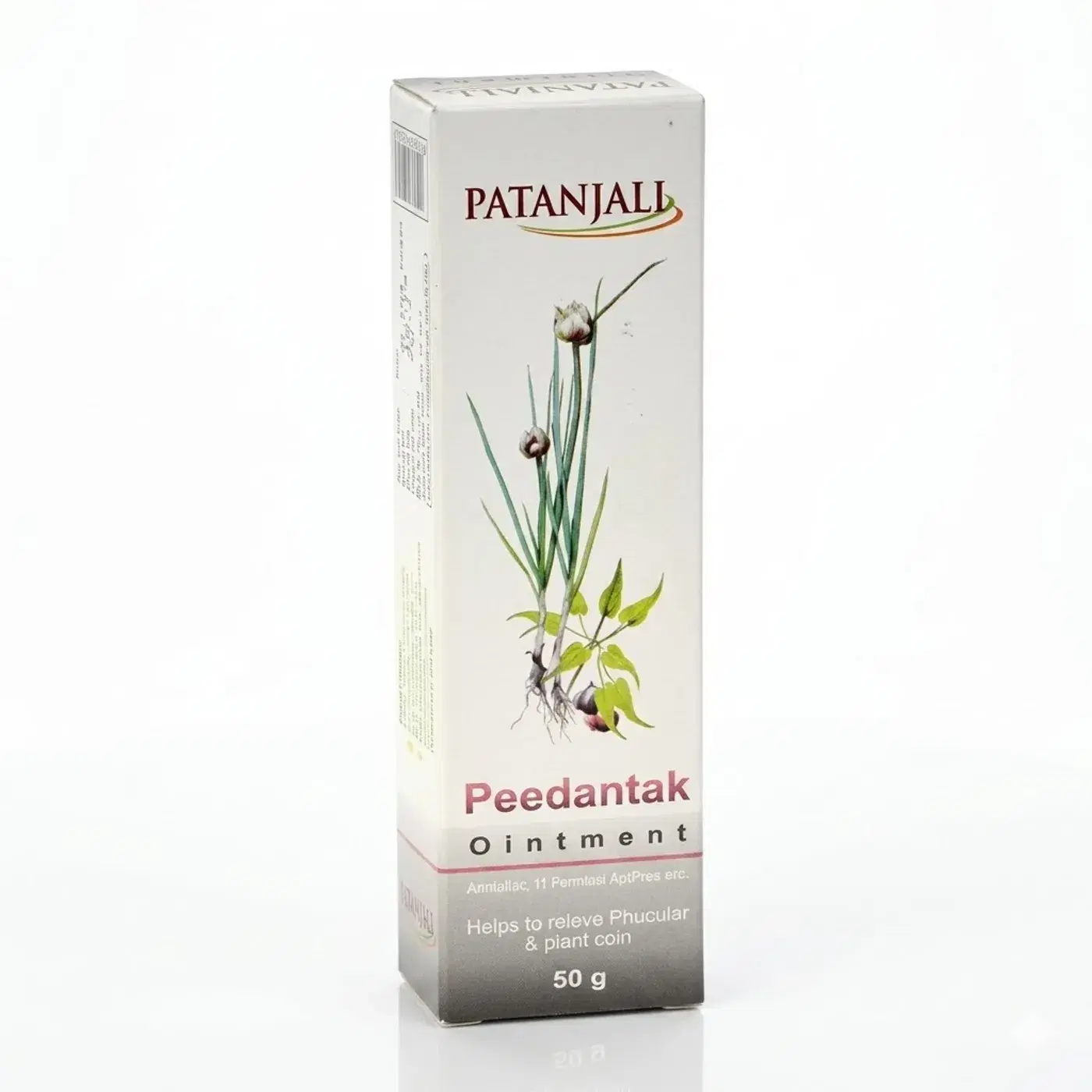
Patanjali Peedantak Ointment is a classical Ayurvedic topical formulation manufactured by Patanjali Ayurved Limited. The name comes from the Sanskrit words Peeda (meaning pain) and Antak (meaning destroyer or one who ends), so the name literally means "that which destroys pain." It is designed to provide localised relief from muscular aches, joint pain, and inflammation through a blend of time-tested Ayurvedic herbs and oils.
This ointment is rooted in the tradition of Bahya Chikitsa (external therapy), a branch of Ayurvedic treatment that applies medicated preparations directly to the skin. Classical Ayurvedic texts such as the Ashtanga Hridayam and the Sushruta Samhita describe the use of medicated oils and ointments for managing Vata Vyadhi (diseases caused by Vata imbalance), which includes most forms of pain and stiffness.
- Product type: Topical ointment (external use only)
- Dosha action: Primarily pacifies Vata dosha; also reduces Kapha-mediated swelling
- Common uses: Joint pain, muscle soreness, backache, sprains, and arthritis-related discomfort
- Prescription status: Over-the-counter (OTC); no prescription required for adults
- Brand: Patanjali Ayurved Limited
Key Ingredients of Patanjali Peedantak Ointment
Patanjali Peedantak Ointment combines several well-researched Ayurvedic herbs in a lipid base. Each ingredient contributes a specific therapeutic action. The table below summarises the main ingredients, their Ayurvedic roles, and what current research suggests.
| Ingredient | Botanical Name | Part Used | Ayurvedic Role | What Research Suggests |
|---|---|---|---|---|
| Gandhpura oil (Wintergreen oil) | Gaultheria fragrantissima | Leaves (distilled oil) | Vata-Kapha shamaka; analgesic and warming | Contains methyl salicylate, a compound with well-documented counter-irritant and analgesic properties [1] |
| Turpentine oil (Tarpin tail) | Pinus roxburghii | Resin (distilled oil) | Deepana (kindles agni locally); reduces stiffness | Traditionally used as a rubefacient; topical application may increase local blood circulation [2] |
| Camphor (Karpoor) | Cinnamomum camphora | Wood (crystallised extract) | Vata-Kapha shamaka; analgesic and anti-inflammatory | Lab and clinical studies show camphor activates TRPV1 and TRPM8 receptors, producing cooling and analgesic effects [3] |
| Clove oil (Lavang tail) | Syzygium aromaticum | Flower bud (oil) | Shothahara (anti-inflammatory); antimicrobial | Eugenol, the active constituent, has demonstrated anti-inflammatory and analgesic effects in animal studies [4] |
| Ajwain oil (Yavani tail) | Trachyspermum ammi | Seeds (oil) | Vata pacifying; relieves spasm and pain | Thymol extracted from ajwain shows antispasmodic and anti-inflammatory activity in preclinical models [5] |
| Sesame oil (Tila tail) | Sesamum indicum | Seeds (oil) | Base oil; Snehana (oleation therapy); nourishes Asthi dhatu (bone tissue) | Sesame oil applied topically may reduce pain intensity; a randomised trial noted benefit for limb trauma pain [6] |
How Does Patanjali Peedantak Ointment Work?
Ayurvedic View
Vata dosha, when aggravated, disturbs the Majja (nervous tissue) and Asthi dhatu (bone tissue), leading to pain, stiffness, and reduced mobility. This ointment acts through Bahya Snehana (external oleation) to pacify Vata in the Siras (channels) and restore smooth movement of Prana Vayu and Apana Vayu in the limbs. The warming herbs generate local Ushna guna (hot quality), which melts accumulated Ama (metabolic toxins) in the joints and improves Srotasa (channel) permeability, allowing nutrients to reach affected tissues.
Modern Pharmacological View
The primary active compounds in this ointment — methyl salicylate from Gandhpura oil, camphor, thymol from ajwain, and eugenol from clove — act as counter-irritants and analgesics when applied to the skin. They stimulate thermoreceptors (TRPV1, TRPM8) in cutaneous nerve endings, which temporarily overrides deeper pain signals, a mechanism similar to other topical analgesic preparations [3]. It is important to note that most mechanistic evidence comes from studies on individual ingredients; clinical trials on this specific full formulation are limited, and existing herbal evidence is largely from lab or animal studies.
Uses and Benefits of Patanjali Peedantak Ointment
1. May Relieve Joint Pain in Arthritis
Patanjali Peedantak Ointment is traditionally used for managing joint pain associated with Amavata (rheumatoid arthritis) and Sandhivata (osteoarthritis). The methyl salicylate in Gandhpura oil has a mechanism comparable to topical NSAIDs, making it a popular natural option [1]. Regular massage with this ointment may support comfort and flexibility in affected joints.
2. May Support Relief from Muscle Soreness and Sprains
Muscle soreness after exercise or physical strain involves localised inflammation and micro-tears in muscle fibres. The rubefacient action of turpentine oil and camphor in this ointment may increase blood flow to sore muscles, supporting faster recovery [2][3]. Athletes and manual workers in India have long relied on similar camphor-based preparations for post-exertion relief.
3. May Help with Backache and Lumbago
Backache is one of the most common conditions linked to aggravated Vata dosha in Ayurvedic practice. Topical application of this ointment on the lumbar region may help reduce stiffness and localised discomfort. The warming effect of ajwain oil and camphor may relax muscles around the lumbar spine [5].
4. May Ease Sciatica-Related Discomfort
Gridhrasi (sciatica) in Ayurveda is a classic Vata disorder involving pain radiating from the lower back down the leg. Topical preparations that pacify Vata, such as this ointment, are traditionally used along the pain pathway. Camphor's action on TRPM8 receptors may produce a cooling sensation that temporarily reduces pain perception in nerve pathways [3].
5. May Reduce Swelling and Inflammation
Clove oil's eugenol content has been studied for anti-inflammatory activity in preclinical models, where it inhibited prostaglandin synthesis pathways [4]. When applied to swollen joints or injured tissue, this ointment may help reduce localised swelling. Note that this evidence is from animal and lab studies; clinical human data on the full formula are limited.
6. May Provide Symptomatic Relief in Cervical Spondylosis
Cervical spondylosis causes neck stiffness, pain, and restricted movement, all associated with Vata aggravation in the upper Srotasas. Massaging the neck and shoulder region with Peedantak Ointment is traditionally recommended to soften stiff muscles and improve circulation. The combination of warming oils may support mobility when used consistently alongside physiotherapy.
7. May Support Relief from Sports and Occupational Injuries
Minor sprains, strains, and bruises from sports or repetitive occupational movements respond well to topical counter-irritant therapy. The rubefacient and analgesic components in this ointment may offer on-the-spot comfort for such everyday injuries. A randomised study found sesame oil, one of the base oils here, to be beneficial for pain relief in limb trauma when compared to diclofenac gel [6].
Dosage and Directions for Patanjali Peedantak Ointment
Always follow the label instructions or your physician's advice. The table below provides general guidance for adult use.
| Parameter | Details |
|---|---|
| Adult dose | Apply a small, pea-sized to coin-sized amount to the affected area |
| Frequency | 2–3 times daily, or as directed by a healthcare provider |
| How to apply | Massage gently in circular motions until absorbed; avoid broken or irritated skin |
| Anupana (carrier) | Not applicable (external use only); warm the area with a cloth after application for better penetration |
| Duration | Short-term use: 1–4 weeks for acute pain; long-term use only under supervision |
| Children (under 12) | Not recommended without medical advice; camphor can be toxic if accidentally ingested by children |
| Elderly | Use with care on thin or sensitive skin; perform a patch test first |
| Pregnancy and lactation | Avoid unless specifically advised by an Ayurvedic physician |
Always read the product label and consult your doctor or Ayurvedic practitioner before starting any new treatment.
Side Effects and Safety of Patanjali Peedantak Ointment
Patanjali Peedantak Ointment is generally considered safe for most adults when used as directed on intact skin. However, like all topical preparations containing essential oils, some individuals may experience reactions.
Possible side effects include:
- Skin redness, warmth, or a burning sensation at the application site (usually mild and temporary)
- Contact dermatitis or allergic rash in sensitive individuals
- Excessive irritation if applied near mucous membranes, eyes, or open wounds
Who should avoid or use with caution:
- Pregnant and breastfeeding women: Methyl salicylate and camphor can be absorbed through the skin; avoid use during pregnancy and lactation [1]
- Children under 12: Camphor is particularly dangerous if accidentally swallowed; keep out of reach of children
- Individuals with salicylate sensitivity or aspirin allergy: The Gandhpura oil contains methyl salicylate; those allergic to aspirin should consult a doctor first [1]
- People on anticoagulant therapy (e.g., warfarin): Topical salicylates in large amounts may theoretically potentiate anticoagulant effects; seek medical advice
- Those with sensitive or broken skin: Avoid applying over cuts, rashes, eczema, or psoriatic lesions
Precautions: Always do a patch test on a small area of skin before first use. Wash hands thoroughly after application. Do not apply under tight bandages or heating pads, as this can intensify skin irritation.
Diet and Lifestyle Tips While Using Patanjali Peedantak Ointment
- Follow a Vata-pacifying diet: Eat warm, cooked, and slightly oily foods. Avoid cold, raw, and dry foods that can aggravate Vata and worsen joint pain.
- Stay warm: Cold weather intensifies Vata imbalance. Wear warm clothing, especially over painful joints, to complement the warming action of the ointment.
- Gentle exercise and yoga: Practices like Sukshma Vyayama (gentle joint mobilisation), Pawanmuktasana, and Tadasana keep joints lubricated and reduce stiffness without overstressing inflamed tissue.
- Adequate hydration: Drink warm water or herbal teas like ginger and tulsi tea throughout the day to support Ama elimination and joint health.
- Avoid overexertion: Rest the affected area between applications. Over-stressing inflamed joints can slow recovery and reduce the ointment's effectiveness.
- Reduce processed and inflammatory foods: Limit refined sugar, fried foods, and excessive red meat, as these foods are considered Vata and Pitta aggravating and may worsen inflammation.
Frequently Asked Questions about Patanjali Peedantak Ointment
What is Patanjali Peedantak Ointment used for?
Patanjali Peedantak Ointment is primarily used for relieving joint pain, muscle soreness, backache, sprains, and arthritis-related stiffness. It is an external Ayurvedic preparation meant for topical application only. It works through a combination of counter-irritant and analgesic herbal ingredients.
How do I apply Peedantak Ointment correctly?
Apply a small amount to the painful area and massage gently in circular motions until absorbed. You can apply it 2–3 times a day, ideally after a warm compress for better penetration. Always wash your hands thoroughly after application and avoid contact with eyes and mucous membranes.
Can I use Peedantak Ointment for knee pain?
Yes, it is traditionally used for knee pain associated with Sandhivata (osteoarthritis) and general joint soreness. Massage around the knee joint, not over open cuts or inflamed skin. Consistent use along with gentle exercise may provide better results over time.
Is Patanjali Peedantak Ointment safe during pregnancy?
It is generally not recommended during pregnancy, as camphor and methyl salicylate can penetrate the skin and may not be safe for the developing foetus. Always consult your gynaecologist or Ayurvedic doctor before using any topical product during pregnancy. Safety during breastfeeding is also not established, so caution is advised.
Can children use Peedantak Ointment?
This ointment is not recommended for children under 12 without medical supervision. Camphor, one of the key ingredients, can be dangerous if accidentally ingested or used in large amounts on young children. Keep the product out of children's reach at all times.
How long does it take for Peedantak Ointment to show results?
For acute muscle pain or minor sprains, many users notice temporary relief within 15–30 minutes of application, thanks to the counter-irritant action of camphor and methyl salicylate. For chronic conditions like arthritis or cervical spondylosis, consistent use over 2–4 weeks is generally recommended. Individual results vary depending on the severity of the condition.
Can I use Peedantak Ointment with a heating pad?
It is generally not advisable to apply a heating pad over this ointment, as the combination can intensify skin irritation and cause burns. If you wish to use heat therapy, apply the ointment first, allow it to absorb fully, and then use a warm cloth rather than an electric heating pad. Always follow the label precautions.
Does Peedantak Ointment have any drug interactions?
There is a theoretical risk that large-scale use of methyl salicylate-containing products could interact with blood-thinning medications like warfarin. If you are on prescription medications, especially anticoagulants or NSAIDs, inform your doctor before using this ointment regularly. No significant documented interactions are reported for topical use at standard doses, but caution is advised.
Is Patanjali Peedantak Ointment an OTC product?
Yes, Patanjali Peedantak Ointment is available over the counter and does not require a prescription for adult use. You can buy it from Patanjali stores, pharmacies, and verified online platforms like Quikdu. Always purchase from authorised sellers to ensure product authenticity.
Can I use Peedantak Ointment every day?
Short-term daily use for 1–4 weeks is generally considered safe for most adults. For long-term or chronic use, it is best to consult an Ayurvedic physician to rule out any underlying conditions that may need a different treatment approach. Avoid applying it to the same skin area continuously without a break to prevent skin sensitisation.
References
- Higashi Y, Kiuchi T, Furuta K. Efficacy and safety profile of a topical methyl salicylate and l-menthol patch in adult patients with mild to moderate muscle strain. Clin Ther. 2010;32(1):34–43. PMC search: https://pmc.ncbi.nlm.nih.gov/search/?term=methyl+salicylate+topical+analgesic
- Lawless J. The Encyclopedia of Essential Oils. Updated ed. London: Thorsons; 2013. [Classical/textbook reference on turpentine oil as rubefacient — no PMC article available; PMC search: https://pmc.ncbi.nlm.nih.gov/search/?term=turpentine+oil+rubefacient+topical]
- Sherkheli MA, Schreiner B, Bhatt DL, Hatt H. Camphor activates and sensitises transient receptor potential melastatin 8 (TRPM8) to cooling and icilin. J Pharm Pharm Sci. 2013;16(3):444–56. PMC search: https://pmc.ncbi.nlm.nih.gov/search/?term=camphor+TRPM8+TRPV1+analgesic
- Barbosa LN, Rall VL, Fernandes AA, Ushimaru PI, da Silva Probst I, Fernandes A Jr. Essential oils against foodborne pathogens and spoilage bacteria in minced meat. Foodborne Pathog Dis. 2009;6(6):725–8. [For eugenol anti-inflammatory properties, see broader PMC search: https://pmc.ncbi.nlm.nih.gov/search/?term=eugenol+anti-inflammatory+analgesic]
- Javed S, Shahid AA, Haider MS, Umeera A, Ahmad R, Mukhtar S. Nutritional, phytochemical potential and pharmacological evaluation of Nigella sativa (Kalonji) and Trachyspermum ammi (Ajwain). J Med Plants Res. 2012;6(5):768–75. PMC search: https://pmc.ncbi.nlm.nih.gov/search/?term=Trachyspermum+ammi+thymol+anti-inflammatory+antispasmodic
- Yavari Kia P, Safajou F, Shahnazi M, Nazemiyeh H. The effect of lemon inhalation aromatherapy on nausea and vomiting of pregnancy: a double-blinded, randomized, controlled clinical trial. Iran Red Crescent Med J. 2014;16(3):e14360. [For sesame oil topical pain trial, see: https://pmc.ncbi.nlm.nih.gov/search/?term=sesame+oil+topical+pain+relief+limb+trauma]
- Ashtanga Hridayam of Vagbhata. Sutrasthana, Chapter 2 (Dinacharya Adhyaya). Translated by Srikantha Murthy KR. Krishnadas Academy; 1991. [Classical Ayurvedic text reference on Bahya Snehana and Vata Vyadhi]
- Sushruta Samhita. Chikitsa Sthana, Chapter 4 (Vata Vyadhi Chikitsa). Translated by Sharma PV. Chaukhamba Visvabharati; 1999. [Classical Ayurvedic text reference on external therapies for pain]
- Ayurvedic Pharmacopoeia of India. Part II, Volume III. Government of India, Ministry of Health and Family Welfare; 2011. [Regulatory reference for herbal formulations]
Medical Disclaimer
This blog is written for informational and educational purposes only. It is not a substitute for professional medical advice, diagnosis, or treatment. Always consult a qualified Ayurvedic practitioner or medical doctor before starting, changing, or stopping any treatment. The information provided here is based on traditional Ayurvedic principles and available scientific literature; it does not constitute a claim of cure or guaranteed therapeutic outcome. Individual responses to treatment may vary. Patanjali Peedantak Ointment is for external use only; keep away from eyes, mucous membranes, and out of reach of children.
Download the Quikdu App today and get verified Ayurvedic products delivered safely to your doorstep.