

Patanjali Chitrakadi Vati: Uses, Benefits, Dosage & Side Effects – Buy Now on Quikdu
What is Patanjali Chitrakadi Vati?
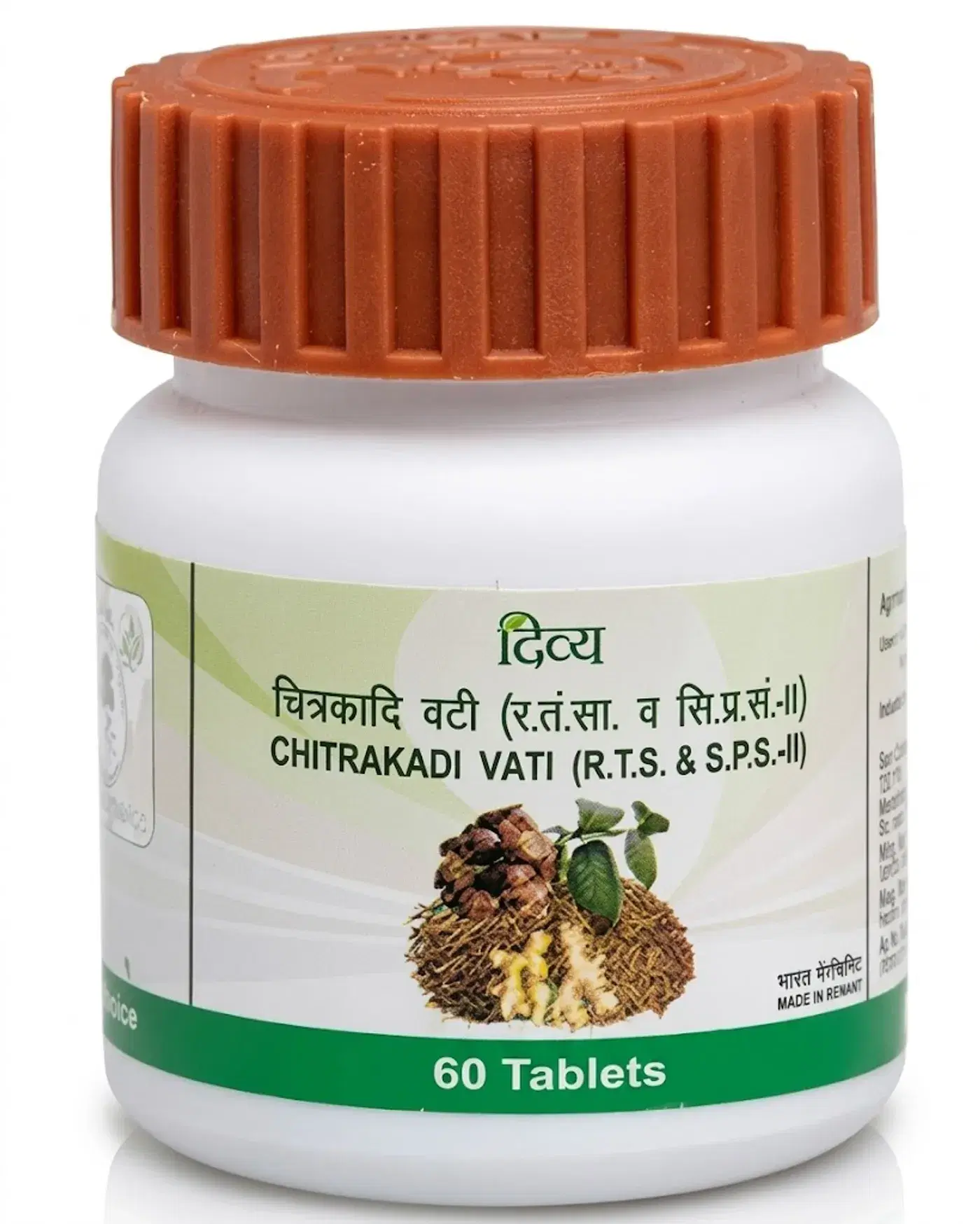
Patanjali Chitrakadi Vati is a classical Ayurvedic tablet used primarily to improve digestion and strengthen Agni (the digestive fire). It is described in traditional Ayurvedic texts, including the Sharangadhara Samhita and the Ayurvedic Formulary of India, as a powerful Deepana-Pachana (digestive and carminative) formulation. The name comes from its principal herb: Chitraka (Plumbago zeylanica), meaning "the bright one" in Sanskrit, combined with Vati, meaning "tablet" or "pill."
This formulation balances Vata and Kapha doshas (the biological energies governing movement and structure) that are most responsible for sluggish digestion, bloating, and indigestion. Patanjali, one of India's most recognised Ayurvedic brands, manufactures this tablet as a health supplement for everyday digestive wellness.
- Product type: Classical Ayurvedic tablet (Vati)
- Dosha action: Balances Vata and Kapha; mildly increases Pitta
- Common uses: Indigestion, flatulence, loss of appetite, constipation, abdominal pain
- Prescription status: Over-the-counter (OTC); consult a doctor for chronic conditions
- Classical reference: Sharangadhara Samhita, Madhyama Khanda; Ayurvedic Formulary of India, Part I
Key Ingredients of Patanjali Chitrakadi Vati
Chitrakadi Vati contains several time-tested herbs, each contributing a specific therapeutic role. The table below lists the primary ingredients along with what modern research suggests about each one.
| Ingredient | Botanical Name | Part Used | Ayurvedic Role | What Research Suggests |
|---|---|---|---|---|
| Chitraka | Plumbago zeylanica | Root | Deepana (digestive stimulant), Pachana (digestive), Krimighna (antimicrobial) | Plumbagin, its active compound, shows anti-inflammatory and gastroprotective activity in lab and animal studies [1] |
| Pippali | Piper longum | Fruit | Deepana, Vata-Kapha shamaka (balancing), enhances bioavailability | Piperine may improve digestive enzyme secretion and has antioxidant properties in preclinical studies [2] |
| Shunthi | Zingiber officinale | Rhizome | Dipana, Pachana, Vatanulomana (corrects Vata movement), anti-nausea | Ginger extracts are associated with reduced nausea and improved gastric motility in clinical and preclinical research [3] |
| Maricha | Piper nigrum | Fruit | Deepana, Katu (pungent taste), Kapha-Vata shamaka | Black pepper extracts show carminative and antioxidant effects in preclinical models [2] |
| Haritaki | Terminalia chebula | Fruit | Anulomana (laxative), Tridosha shamaka (balances all three doshas) | Chebulic acid in Haritaki shows antioxidant and mild laxative activity in lab studies [4] |
| Vida Lavana | Black salt (Sochal salt) | Mineral | Dipana, Pachana, Rochana (improves taste perception), Vata-Kapha hara | Traditional use supported; limited independent clinical trials available [PMC search: Black salt digestion] |
| Ajamoda | Trachyspermum roxburghianum | Seed | Deepana, Shoolahara (relieves colic), carminative | Seed extracts show antispasmodic and carminative properties in animal studies [PMC search: Ajamoda carminative] |
How Does Patanjali Chitrakadi Vati Work?
Ayurvedic View
According to Ayurveda, poor digestion arises when Agni (digestive fire) weakens, allowing Ama (undigested metabolic waste) to accumulate in the Annavaha Srotas (digestive channels). This Ama disturbs Vata and Kapha doshas, leading to bloating, heaviness, and irregular bowel movements. Chitrakadi Vati's pungent and hot herbs rekindle Agni, digest Ama, and restore normal flow through the digestive Srotas (channels), ultimately nourishing the Rasa Dhatu (plasma tissue) properly.
Modern Pharmacological View
The active compounds in the formula work through complementary mechanisms. Plumbagin from Chitraka shows anti-inflammatory activity by modulating NF-κB pathways in lab studies [1]. Piperine from Pippali and Maricha may stimulate digestive enzyme secretion and enhance absorption of co-administered nutrients in preclinical models [2]. Gingerols and shogaols from Shunthi are associated with accelerated gastric emptying and reduced nausea in both preclinical and limited clinical research [3]. It is important to note that most evidence comes from studies on individual ingredients; no large-scale randomised controlled trial on the complete Chitrakadi Vati formula has been published to date.
Uses and Benefits of Patanjali Chitrakadi Vati
1. May Improve Digestion and Appetite
Chitrakadi Vati is traditionally used to rekindle weak Agni and restore healthy appetite. The combined action of Chitraka, Pippali, and Shunthi may stimulate digestive enzyme secretion. Preclinical evidence suggests that piperine from Pippali enhances pancreatic enzyme activity, supporting better digestion of fats and proteins [2].
2. May Relieve Bloating and Flatulence
Bloating and gas are classic signs of excess Vata in the Pakvashaya (large intestine). The carminative herbs in this formulation, especially Ajamoda and Maricha, are traditionally used to expel trapped gas. Animal studies on related carminative herbs show relaxation of intestinal smooth muscle, which may help relieve abdominal distension [PMC search: carminative herbs intestinal motility].
3. Traditionally Used for Indigestion (Ajirna)
Ajirna (indigestion) is one of the primary indications listed in the Sharangadhara Samhita for Chitrakadi Vati. Symptoms such as heaviness after meals, sour belching, and nausea are linked to incomplete digestion of food. The hot potency (Ushna Virya) of the formula may help break down food residues and reduce these symptoms.
4. May Support Regular Bowel Movements
Haritaki, a key ingredient, is a well-known mild laxative in Ayurveda. Lab studies confirm antioxidant and mild laxative properties of chebulic acid found in Haritaki [4]. Together with the other herbs, Chitrakadi Vati may help normalise bowel rhythm in people with mild constipation due to sluggish digestion.
5. May Help Manage Abdominal Colic
Shoolahara (pain-relieving) herbs such as Ajamoda and Shunthi are traditionally used to reduce abdominal cramps associated with gas and indigestion. Gingerols in ginger have shown antispasmodic effects on gut smooth muscle in preclinical studies [3]. This makes Chitrakadi Vati a traditional choice for mild colic related to Vata imbalance.
6. May Reduce Nausea and Vomiting
Ginger (Shunthi) is one of the most researched natural anti-nausea agents. A systematic review found that ginger supplementation was associated with significant reduction in nausea scores compared to placebo in multiple clinical trials [3]. Chitrakadi Vati harnesses this property, making it traditionally useful for nausea linked to indigestion or travel sickness.
7. May Support Overall Metabolic Health
When Agni functions optimally, the body can properly absorb nutrients, form healthy Dhatus (tissues), and eliminate Malas (waste products) efficiently. Long-term use of Chitrakadi Vati under guidance is traditionally believed to support metabolic balance and general well-being. However, clinical evidence specific to the complete formula is currently limited, and more human trials are needed.
Dosage and Directions for Patanjali Chitrakadi Vati
The following table provides general dosage guidance. Always follow the label instructions or your Ayurvedic doctor's advice, as individual needs may vary.
| Parameter | Details |
|---|---|
| Adult dose | 1–2 tablets (typically 500 mg each), twice daily |
| When to take | Before meals or as directed by your physician |
| Anupana (vehicle) | Warm water; may also be taken with buttermilk (Takra) for enhanced effect |
| Duration | 4–8 weeks for acute conditions; longer use only under medical supervision |
| Children (6–12 years) | Half the adult dose, only under the guidance of an Ayurvedic practitioner |
| Elderly | Start with one tablet per day; increase gradually as tolerated |
| Pregnancy & lactation | Not recommended without physician supervision (see Safety section) |
Important: Always follow the dosage printed on the product label or as prescribed by your qualified Ayurvedic doctor.
Side Effects and Safety of Patanjali Chitrakadi Vati
When taken at the recommended dose, Patanjali Chitrakadi Vati is generally considered safe for most healthy adults. However, some individuals may experience mild side effects, especially at the start of therapy.
- Possible side effects: Heartburn or increased acidity (due to hot potency herbs), loose stools at higher doses, mild burning sensation in the stomach
- Pregnancy: Chitraka root has traditionally been classified as an abortifacient; this formulation should not be used during pregnancy without direct supervision from a qualified Ayurvedic physician
- Lactation: Safety data are insufficient; avoid or use only under medical guidance
- Peptic ulcer or hyperacidity (Pitta disorders): Use with caution; the hot potency may aggravate symptoms
- Inflammatory bowel disease (IBD): Consult a gastroenterologist before use
- Drug interactions: Piperine (from Pippali and Maricha) may increase blood levels of certain medications, including cyclosporine and anticoagulants; inform your doctor if you are on prescription drugs [2]
- Children under 6: Not recommended without a physician's advice
- Kidney or liver disease: Use only under medical supervision
Diet and Lifestyle Tips While Taking Chitrakadi Vati
- Eat mindfully: Have freshly cooked, warm, easy-to-digest meals. Avoid cold, stale, or heavily processed food, which can dampen Agni.
- Stay hydrated: Sip warm water throughout the day. Avoid ice-cold drinks, especially around meal times.
- Maintain meal timings: Eat at consistent times each day. Irregular eating is a major cause of Vata imbalance and weakened digestion in Ayurveda.
- Include digestive spices: Use cumin, coriander, fennel, and turmeric regularly in cooking to support the action of the tablet.
- Move gently after meals: A short 10–15 minute walk after lunch and dinner supports gastric motility and Agni.
- Manage stress: Chronic stress aggravates Vata, disturbing gut function. Practise pranayama (Anulom-Vilom) or gentle yoga daily to keep Vata in balance.
Frequently Asked Questions About Patanjali Chitrakadi Vati
What is Patanjali Chitrakadi Vati used for?
Patanjali Chitrakadi Vati is primarily used to improve digestion, relieve bloating, flatulence, and indigestion, and restore healthy appetite. It is also traditionally used for mild constipation, abdominal colic, and nausea linked to poor digestion. It balances Vata and Kapha doshas to support overall digestive health.
How many tablets of Chitrakadi Vati should I take per day?
The general adult dose is 1–2 tablets twice daily, ideally before meals with warm water or buttermilk. The exact dose may vary based on your age, condition, and the advice of your Ayurvedic practitioner. Always follow the label instructions or your doctor's prescription.
Can I take Chitrakadi Vati on an empty stomach?
Yes, Chitrakadi Vati is typically recommended before meals to stimulate digestive fire (Agni) before food intake. However, if you experience acidity or burning, you may take it with a small amount of food. Consult your doctor if discomfort persists.
Is Chitrakadi Vati safe during pregnancy?
No. Chitraka, the main ingredient, has traditionally been considered a uterine stimulant and potential abortifacient. Pregnant women must avoid Chitrakadi Vati unless specifically prescribed and monitored by a qualified Ayurvedic physician. Safety during breastfeeding is also not established.
How long does it take for Chitrakadi Vati to work?
Many people notice improvement in appetite and reduced bloating within one to two weeks of regular use. For chronic digestive issues, a full course of four to eight weeks is generally recommended. Individual response may vary depending on diet, lifestyle, and the severity of the condition.
Does Chitrakadi Vati have any drug interactions?
Piperine, present in Pippali and Maricha, is known to inhibit certain liver enzymes (CYP3A4) that metabolise many drugs, potentially raising their blood levels [2]. If you are taking prescription medicines—especially blood thinners, immunosuppressants, or anti-epileptics—consult your doctor before starting this tablet. Always disclose all supplements to your healthcare provider.
Can Chitrakadi Vati help with acidity (hyperacidity)?
Chitrakadi Vati is not the first choice for hyperacidity because its hot potency can worsen excess Pitta. It is best suited for digestion problems caused by weak digestive fire (Mandagni) rather than excess acid. If you have frequent heartburn or acidity, consult an Ayurvedic doctor who may suggest a more suitable formulation.
Is Patanjali Chitrakadi Vati the same as classical Chitrakadi Vati?
Patanjali Chitrakadi Vati is based on the classical Chitrakadi Vati formula described in traditional Ayurvedic texts. Minor variations in excipients or manufacturing may exist between brands. Always check the ingredient list on the product label and buy from a trusted source like Quikdu.
Can children take Chitrakadi Vati?
Children between 6 and 12 years may take half the adult dose, but only under the supervision of a qualified Ayurvedic practitioner. It is not recommended for children under 6 years. Parental discretion and professional guidance are essential before giving any herbal supplement to children.
Where can I buy genuine Patanjali Chitrakadi Vati?
You can buy authentic Patanjali Chitrakadi Vati on Buy Now , India's trusted Ayurveda app, which sources verified products directly from licensed manufacturers. Quikdu ensures quality, safe delivery, and expert guidance for all Ayurvedic purchases.
References
- Checker R, Sandur SK, Sharma D, Patwardhan RS, Jayakumar S, Kohli V, et al. Potent anti-inflammatory activity of the flavonoid naringenin and plumbagin individually and in combination for the treatment of abdominal aortic aneurysm. PLoS One. 2012;7(8):e44888. PMC ID: PMC3428314
- Butt MS, Pasha I, Sultan MT, Randhawa MA, Saeed F, Ahmed W. Black pepper and health claims: a comprehensive treatise. Crit Rev Food Sci Nutr. 2013;53(9):875–886. PMC ID: PMC search: piperine digestive enzyme bioavailability
- Lete I, Allué J. The effectiveness of ginger in the prevention of nausea and vomiting during pregnancy and chemotherapy. Integr Med Insights. 2016;11:11–17. PMC ID: PMC4818021
- Bag A, Bhattacharyya SK, Chattopadhyay RR. The development of Terminalia chebula Retz. (Combretaceae) in clinical research. Asian Pac J Trop Biomed. 2013;3(3):244–252. PMC ID: PMC3631768
- Sharangadhara. Sharangadhara Samhita, Madhyama Khanda, Chapter 7. Classical Ayurvedic text (approx. 13th century CE). Translated by Srikantha Murthy KR. Chaukhamba Orientalia, Varanasi.
- Ministry of Health and Family Welfare, Government of India. Ayurvedic Formulary of India, Part I, 2nd ed. New Delhi: Ministry of Health and Family Welfare; 2003. Chitrakadi Vati monograph.
Medical Disclaimer
This blog is written for educational and informational purposes only. It is not a substitute for professional medical advice, diagnosis, or treatment. Always consult a qualified Ayurvedic practitioner or medical doctor before starting any herbal supplement, especially if you are pregnant, breastfeeding, have a chronic health condition, or are taking prescription medicines. The benefits mentioned are based on traditional Ayurvedic use and preliminary scientific research; they do not constitute a guarantee of results. Individual outcomes may vary.
Download the Quikdu App today and get verified Ayurvedic products delivered safely to your doorstep.