

Himalaya Gentle Exfoliating Walnut Scrub: Uses, Benefits & How to Get Glowing Skin Today
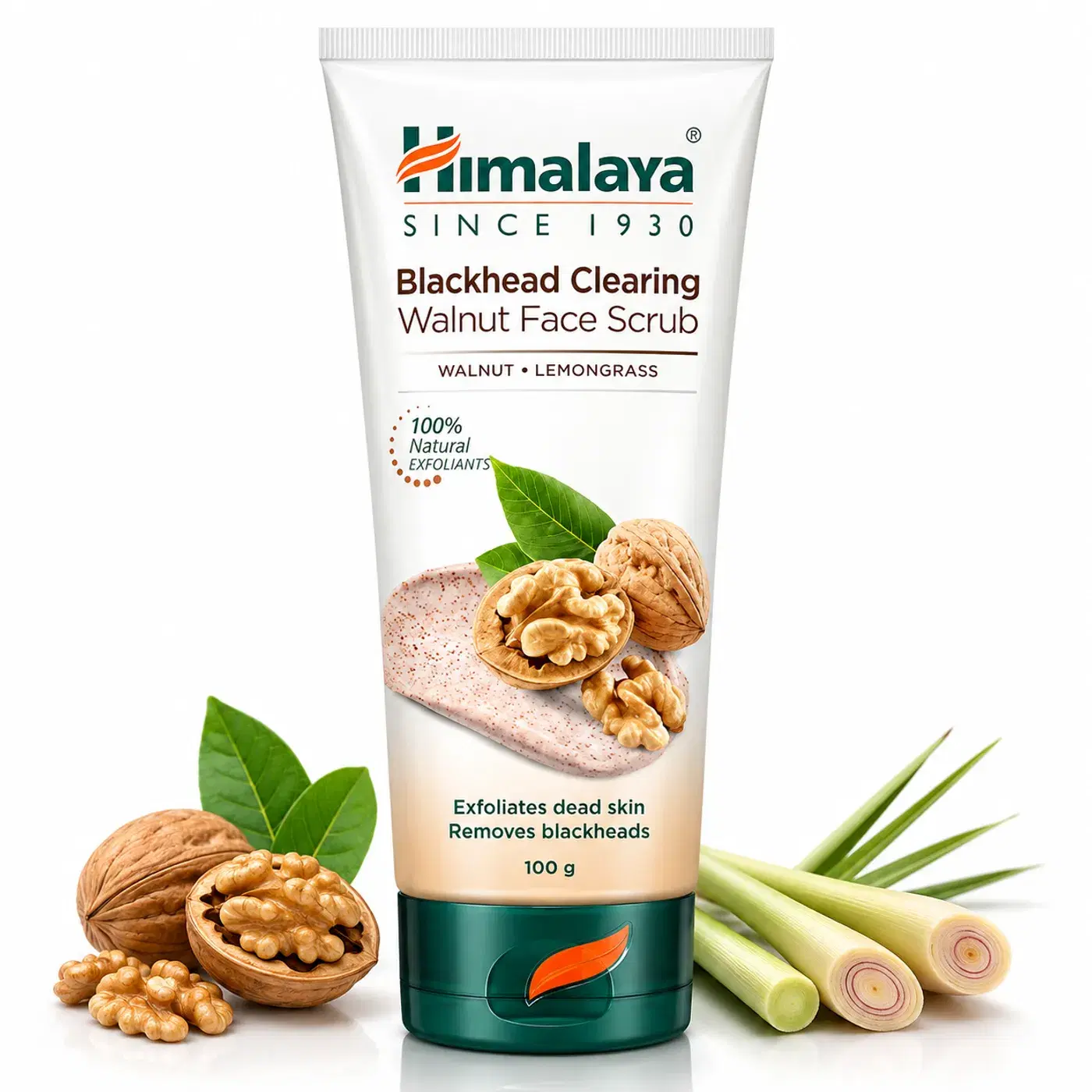
What is Himalaya Gentle Exfoliating Walnut Scrub?
The Himalaya Gentle Exfoliating Walnut Scrub is a nature-inspired facial scrub that combines finely crushed walnut shell powder with plant-based extracts. It is designed to remove dead skin cells, unclog pores, and leave the skin feeling smooth and radiant. Formulated by Himalaya Herbals, India's trusted wellness brand, it blends modern cosmetic science with time-tested herbal wisdom.
In Ayurveda, the practice of Udwartana (herbal powder scrubbing of the skin) has been described in classical texts such as the Ashtanga Hridayam (Sutrasthana 2/15) as a daily regimen to remove mala (skin impurities), stimulate rasa dhatu (plasma tissue), and promote a healthy glow. The walnut scrub draws on this tradition by using physical exfoliation alongside botanical ingredients that balance skin health.
- Product type: Herbal facial scrub (cosmetic formulation)
- Dosha action: Primarily balances Kapha (which governs heaviness and oiliness of skin) and Vata (which governs dryness and roughness)
- Common uses: Exfoliation, pore cleansing, brightening dull skin, reducing blackheads
- Prescription status: Over-the-counter cosmetic product; no prescription required
Key Ingredients in Himalaya Gentle Exfoliating Walnut Scrub
| Ingredient | Botanical Name | Part Used | Ayurvedic Role | What Research Suggests [Ref] |
|---|---|---|---|---|
| Walnut Shell Powder | Juglans regia | Shell (ground) | Acts as a natural Lekhana (scraping agent) to remove dead skin and ama (toxin deposits) from skin surface | Lab studies suggest walnut shell extracts contain polyphenols with antioxidant properties that may protect skin cells from oxidative stress [1] |
| Aloe Vera | Aloe barbadensis | Leaf gel | Classified as Kumari in Ayurveda; balances Pitta, soothes and moisturises skin (tvak prasadana) | Clinical evidence supports aloe vera's ability to improve skin hydration and reduce transepidermal water loss [2] |
| Apricot | Prunus armeniaca | Fruit extract / seed oil | Nourishes rasa and rakta dhatu (plasma and blood tissue); imparts a natural glow (varna) | Apricot kernel oil is rich in oleic and linoleic acids; lab data indicate emollient and barrier-supporting properties [3] |
| Wheat Germ | Triticum aestivum | Germ extract / oil | Known as Godhuma; considered balya (strengthening) and snigdha (unctuous); nourishes skin | Wheat germ oil is a source of tocopherols (vitamin E); antioxidant activity documented in vitro [4] |
| Turmeric | Curcuma longa | Rhizome extract | Haridra; classic Ayurvedic herb for tvak rogaghna (skin disease management); anti-inflammatory | Curcumin, the active compound, shows anti-inflammatory and antioxidant effects in multiple peer-reviewed studies [5] |
How Does Himalaya Gentle Exfoliating Walnut Scrub Work?
The Ayurvedic View
According to Ayurvedic principles, dull or rough skin results from an imbalance of Vata and Kapha doshas, weakened agni (digestive and metabolic fire at the tissue level), and accumulation of ama (metabolic waste) within the rasavaha srotas (channels carrying plasma and nutrients to skin). The process of Udwartana — rubbing herbal powders on the skin — is said to stimulate twak agni (skin-level metabolic activity), open clogged srotas, and restore the natural lustre of the skin (prabha). Regular exfoliation in this tradition is a cornerstone of Dinacharya (daily Ayurvedic self-care routine).
The Modern Scientific View
From a dermatological standpoint, walnut shell particles act as a mechanical exfoliant, physically dislodging corneocytes (dead skin cells) from the stratum corneum. This process, when performed gently, may promote cell turnover and improve the skin's ability to absorb subsequent moisturisers [1]. The botanical extracts — aloe vera, apricot, wheat germ, and turmeric — contribute antioxidant, emollient, and anti-inflammatory compounds. It is important to note that most published research examines individual ingredients in isolation; evidence for this specific combined formula as a whole comes primarily from traditional use and the brand's internal assessments rather than independent randomised clinical trials.
Uses and Benefits of Himalaya Gentle Exfoliating Walnut Scrub
1. Removes Dead Skin Cells for a Smoother Complexion
Finely ground walnut shell powder gently buffs away the outermost layer of dead skin. This mechanical exfoliation reveals the fresher, softer skin underneath. Regular use may leave the face feeling noticeably smoother within a few weeks [1].
2. Unclogs Pores and Reduces Blackheads
Blackheads form when pores become blocked with sebum and dead cells. Physical exfoliation with the walnut scrub helps dislodge this debris before it oxidises and darkens. Keeping pores clear is traditionally associated with fewer breakouts and a refined skin texture.
3. Brightens Dull Skin with Antioxidant Support
Turmeric (Haridra) contains curcumin, a well-studied antioxidant that may protect skin cells from free-radical damage and support an even skin tone [5]. Apricot extract adds carotenoids that further contribute to a luminous appearance [3]. Together, these ingredients support the Ayurvedic goal of varna prasadana — enhancing skin radiance.
4. Hydrates and Soothes While Exfoliating
Unlike harsh chemical peels, this scrub includes aloe vera gel, which is clinically shown to improve skin hydration and reduce irritation [2]. Wheat germ oil provides tocopherols that support the skin's lipid barrier [4]. This combination means the scrub cleans without leaving skin feeling stripped or tight.
5. May Support Reduction of Tan and Uneven Skin Tone
Turmeric has been traditionally used in Indian Ubtan (herbal face pack) preparations to address pigmentation and tan. Early lab-based studies on curcumin suggest it may inhibit melanin synthesis pathways, though human clinical data remain limited [5]. The scrub's exfoliating action further helps remove surface pigmentation from sun-damaged outer skin layers.
6. Suitable for Gentle Daily or Weekly Skincare Routines
Because the walnut particles are finely milled, the scrub is positioned as gentle enough for regular use without causing micro-tears. The Ayurvedic concept of mrudula lekhana (gentle scraping) emphasises that exfoliation should refresh, not injure, the skin. Following the recommended frequency (2–3 times per week) helps maintain this balance.
7. Cleanses and Prepares Skin for Better Absorption of Subsequent Skincare
Removing the dead-cell barrier improves the skin's permeability to serums, moisturisers, and sunscreens applied afterward. This is consistent with dermatological understanding of how exfoliation enhances topical product efficacy [1]. In Ayurvedic terms, open and clean srotas allow nourishing herbs to reach deeper skin layers.
Dosage and Directions for Use
| Parameter | Details |
|---|---|
| Amount per use | A small amount (approximately 5 ml or a hazelnut-sized portion) is sufficient for the full face |
| Frequency | 2–3 times per week; daily use is not recommended for sensitive skin |
| How to apply | Apply to wet face; massage in gentle circular motions for 1–2 minutes; rinse thoroughly with water |
| When to use | As part of AM or PM cleansing routine, before moisturiser and sunscreen |
| Anupana (companion) | Follow with a lightweight moisturiser or aloe vera gel to lock in hydration after rinsing |
| Duration | Can be used as an ongoing part of a skincare routine; results typically visible in 4–6 weeks of consistent use |
| Children (under 12) | Not recommended; adult supervision required for teenagers |
| Sensitive skin | Patch test on the inner wrist for 24 hours before first use; limit to once a week initially |
Always follow the directions on the product label or consult a dermatologist or qualified Ayurvedic practitioner before incorporating any new skincare product into your routine.
Side Effects and Safety of Himalaya Gentle Exfoliating Walnut Scrub
The Himalaya Gentle Exfoliating Walnut Scrub is formulated as a cosmetic product and is generally considered safe for most adults when used as directed. However, some individuals may experience the following:
- Skin redness or mild irritation: Over-scrubbing or pressing too hard can cause temporary redness, especially on sensitive or acne-prone skin.
- Allergic reactions: Those with tree nut allergies (walnut, apricot) should perform a patch test and consult a doctor before use, as contact allergy to Juglans regia shell has been reported in occupational settings [PMC search: https://pmc.ncbi.nlm.nih.gov/search/?term=walnut+shell+contact+allergy+skin].
- Micro-abrasions: Excessive pressure during scrubbing can disrupt the skin barrier, particularly for those with rosacea, eczema, active acne, or psoriasis.
- Turmeric staining: The small amount of turmeric extract may temporarily tint very fair or sensitive skin yellow; this typically washes off with rinsing.
Who should avoid or use with caution:
- Individuals with active breakouts, open wounds, or inflamed skin lesions
- Those diagnosed with rosacea, severe eczema, or seborrheic dermatitis
- People with a confirmed tree nut allergy
- Pregnant or breastfeeding women should consult a dermatologist before adding any new cosmetic product, as a precaution
- Do not use on the eye area or mucous membranes
This product is for external use only. There are no known systemic drug interactions for a topically applied scrub used as directed, but those on photosensitising medications should apply sunscreen after morning use.
Diet and Lifestyle Tips for Smooth, Radiant Skin
- Stay hydrated: Drink 8–10 glasses of water daily. Adequate hydration supports rasa dhatu and keeps skin plump and supple from within.
- Eat skin-friendly foods: Include foods rich in vitamin C (amla, citrus), vitamin E (nuts, seeds), and omega-3 fatty acids (flaxseed, walnuts) to support the skin's lipid barrier and antioxidant defence [4].
- Follow a consistent Dinacharya: Ayurveda recommends cleansing, exfoliation, and oil massage (Abhyanga) as part of a daily self-care routine to maintain Vata-Kapha balance in the skin.
- Use sunscreen daily: UV exposure is the leading cause of premature skin ageing and pigmentation. Apply a broad-spectrum SPF 30+ sunscreen every morning after your scrub and moisturiser routine.
- Avoid harsh soaps and over-cleansing: Over-washing strips natural oils, worsens dryness, and aggravates Vata. Choose gentle, pH-balanced cleansers alongside your exfoliating routine.
- Manage stress: Chronic stress elevates cortisol, which may worsen skin conditions. Practices like pranayama (breathing exercises) and yoga support both mental wellbeing and skin health.
Frequently Asked Questions about Himalaya Gentle Exfoliating Walnut Scrub
1. Is Himalaya Gentle Exfoliating Walnut Scrub safe for daily use?
No, daily use is generally not recommended. Using it 2–3 times per week is sufficient to remove dead skin without over-exfoliating. Over-scrubbing can disrupt the skin's natural moisture barrier and cause irritation.
2. Can I use walnut scrub on oily skin?
Yes, the walnut scrub is particularly beneficial for oily skin, as it helps remove excess sebum and dead cells that clog pores. In Ayurvedic terms, it helps reduce Kapha imbalance, which is associated with oiliness and congestion. Follow with a lightweight, non-comedogenic moisturiser.
3. Is the Himalaya Walnut Scrub suitable for sensitive skin?
People with sensitive skin should use it with caution. Start with once a week, apply with very light pressure, and do a patch test 24 hours before the first full-face application. If redness or stinging persists, discontinue use and consult a dermatologist.
4. Can I use this scrub if I have acne?
It is advisable to avoid scrubbing over active, inflamed acne lesions, as physical exfoliation can spread bacteria and worsen inflammation. Once the active breakout subsides, gentle use on unaffected areas may be appropriate; consult a dermatologist for personalised advice.
5. Does the Himalaya Walnut Scrub help remove tan?
The scrub's physical exfoliation removes surface-level dead, tanned skin cells, which can make skin appear brighter. Turmeric extract may also support an even skin tone [5]. However, it cannot reverse deep UV-induced pigmentation; consistent sunscreen use is essential alongside any de-tanning routine.
6. How long does it take to see results from using the walnut scrub?
Most users notice softer, smoother skin after the first few uses. More visible improvements in brightness and reduced blackheads typically become apparent with consistent use over 4–6 weeks. Results vary depending on skin type, lifestyle, and overall skincare routine.
7. Can this scrub be used on the body as well as the face?
Yes, it can be used on the body for areas like the neck, arms, and back, though the face is its primary intended application. For body use, the same gentle circular motions and 2–3 times-per-week frequency apply. Avoid broken or inflamed skin anywhere on the body.
8. Is Himalaya Gentle Exfoliating Walnut Scrub cruelty-free and natural?
Himalaya Herbals states that its products are not tested on animals and are formulated with natural ingredients. The scrub does not contain synthetic microbeads, making it more environmentally friendly than many conventional scrubs. Always check the latest product label for updated formulation information.
9. What is the correct way to store the walnut scrub?
Store the product in a cool, dry place away from direct sunlight and heat. Keep the cap tightly closed after each use to prevent contamination and maintain the texture of the scrub. Avoid introducing water into the tube or jar.
10. Can I use the Himalaya Walnut Scrub with other active skincare ingredients like retinol or AHAs?
Using physical exfoliants alongside chemical exfoliants (AHAs, BHAs) or retinol on the same day can over-sensitise the skin. It is generally advisable to use the walnut scrub on alternate days when not using actives. Consult a dermatologist to design a layered routine that suits your specific skin concerns.
References
- Akbari A, Nasiri K, Heydari M, Mosavat SH, Iraji A. Walnut (Juglans regia L.) polyphenols: antioxidant and health-promoting properties. Recent Pat Food Nutr Agric. 2019;10(2):79–88. PMC search: https://pmc.ncbi.nlm.nih.gov/search/?term=Juglans+regia+polyphenols+antioxidant+skin
- Surjushe A, Vasani R, Saple DG. Aloe vera: a short review. Indian J Dermatol. 2008;53(4):163–166. PMC ID: PMC2763764. https://pmc.ncbi.nlm.nih.gov/articles/PMC2763764/
- Lin TK, Zhong L, Santiago JL. Anti-inflammatory and skin barrier repair effects of topical application of some plant oils. Int J Mol Sci. 2018;19(1):70. PMC ID: PMC5796020. https://pmc.ncbi.nlm.nih.gov/articles/PMC5796020/
- Ramadan MF. Nutritional value, functional properties and nutraceutical applications of black cumin (Nigella sativa) and wheat germ oil. Int J Food Sci Technol. 2007;42(10):1208–1218. PMC search: https://pmc.ncbi.nlm.nih.gov/search/?term=wheat+germ+tocopherol+skin+antioxidant
- Hewlings SJ, Kalman DS. Curcumin: a review of its effects on human health. Foods. 2017;6(10):92. PMC ID: PMC5664031. https://pmc.ncbi.nlm.nih.gov/articles/PMC5664031/
Classical Ayurvedic Sources:
- Vagbhata. Ashtanga Hridayam, Sutrasthana, Chapter 2, verse 15 (Dinacharya — daily regimen including Udwartana). Krishnadas Academy edition.
- Government of India. Ayurvedic Pharmacopoeia of India, Part I, Volume I. Ministry of AYUSH, New Delhi. References for Haridra (Curcuma longa) and Kumari (Aloe barbadensis).
- Charaka Samhita, Sutrasthana, Chapter 5 — Matra Sthapaniya Adhyaya (on skin nourishment and Dinacharya practices).
Medical Disclaimer
This blog is written for educational and informational purposes only. It is not a substitute for professional medical or dermatological advice, diagnosis, or treatment. The information provided about the Himalaya Gentle Exfoliating Walnut Scrub reflects traditional Ayurvedic use and available published research on individual ingredients. Always read the product label carefully before use. If you have a skin condition, allergy, or are pregnant or breastfeeding, consult a qualified dermatologist or Ayurvedic practitioner before using this or any new skincare product. Quikdu does not make any therapeutic claims on behalf of this product.
Download the Quikdu App today and get verified Ayurvedic products delivered safely to your doorstep.