

Zandu Vasavaleha: Uses, Benefits, Dosage & Side Effects – Buy Now on Quikdu
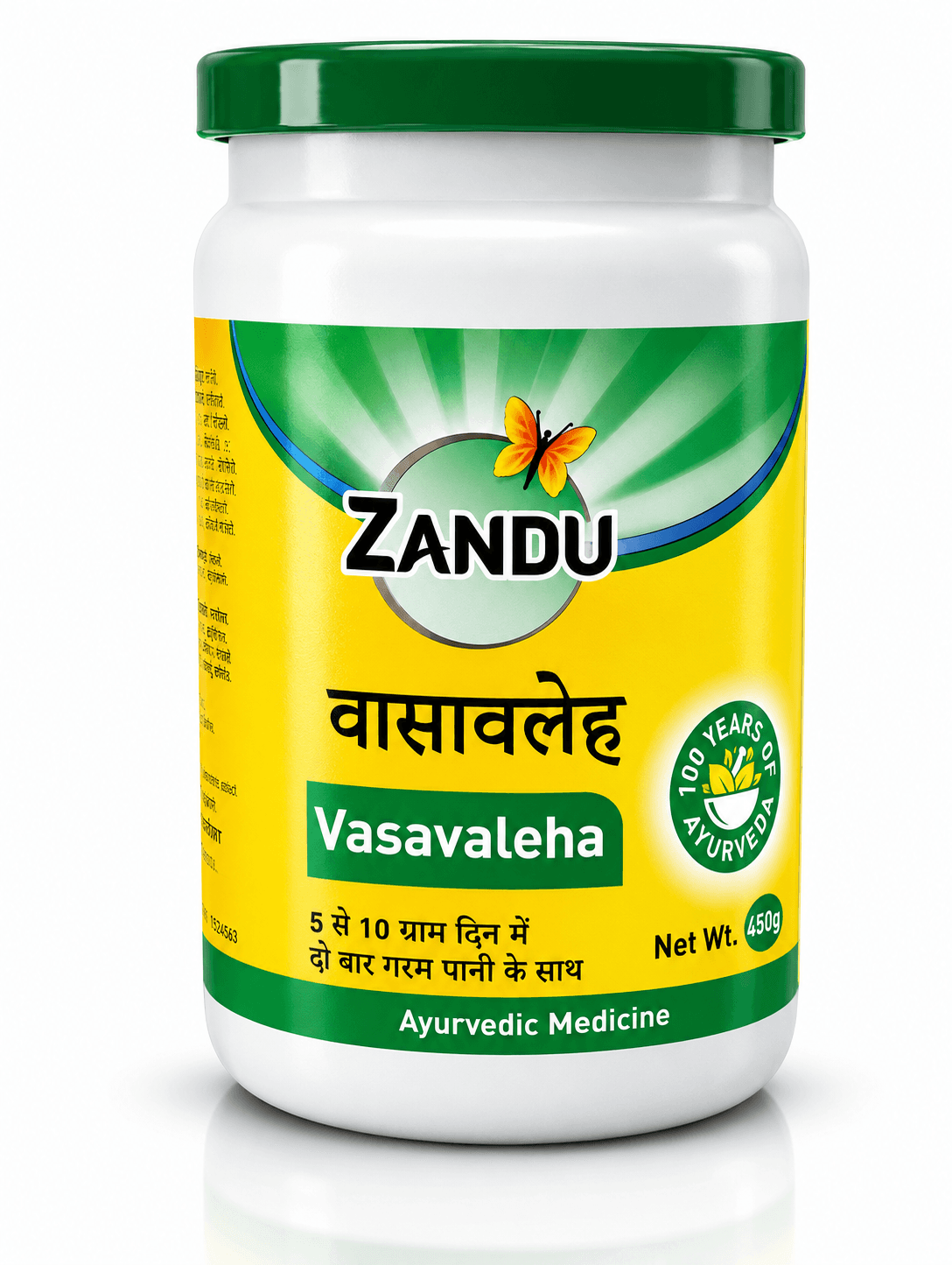
What is Zandu Vasavaleha? A Classical Ayurvedic Respiratory Tonic
Zandu Vasavaleha is a time-tested Ayurvedic herbal jam (avaleha, meaning a lickable/linctus preparation) formulated primarily to support the respiratory system. It is described in classical texts such as the Sharangadhara Samhita and is referenced in the Ayurvedic Formulary of India (AFI), Part I, which validates its traditional use for kasa (cough), shwasa (dyspnoea/asthma) and related upper respiratory conditions. The name comes from its principal herb, Vasa (Adhatoda vasica), combined with avaleha, denoting its semi-solid, jam-like dosage form.
Zandu Pharma, a trusted Ayurvedic brand available on the Quikdu app, manufactures this formulation under strict quality standards. It is widely used across India for cough, cold, bronchitis and asthma management.
- Product type: Avaleha (herbal jam / linctus)
- Dosha action: Primarily pacifies Kapha (governs mucus, heaviness) and Vata (governs breathing, movement)
- Common uses: Cough, cold, bronchitis, asthma, allergic rhinitis, chest congestion
- Prescription status: Over-the-counter (OTC) Ayurvedic product; consult a physician for chronic or severe conditions
Key Ingredients of Zandu Vasavaleha
| Ingredient | Botanical Name | Part Used | Ayurvedic Role | What Research Suggests |
|---|---|---|---|---|
| Vasa (Malabar nut) | Adhatoda vasica Nees | Leaf | Chief Kapha-Pitta pacifier; expectorant, bronchodilator | Alkaloid vasicine and vasicinone shown to have bronchodilatory and mucolytic activity in preclinical studies [1] |
| Pippali (Long pepper) | Piper longum L. | Fruit | Deepana (digestive stimulant); anupana (carrier) for lung herbs; Kapha-Vata pacifier | Piperine shown to have anti-inflammatory and immunomodulatory effects in vitro and animal models [2] |
| Shunthi (Dry ginger) | Zingiber officinale Rosc. | Rhizome | Mucolytic, anti-inflammatory; kindles agni (digestive fire) | Gingerols and shogaols demonstrated anti-inflammatory activity by inhibiting prostaglandin synthesis in lab studies [3] |
| Maricha (Black pepper) | Piper nigrum L. | Fruit | Stimulates agni; bioavailability enhancer; Kapha pacifier | Piperine enhances bioavailability of co-administered compounds; antioxidant activity noted in vitro [2] |
| Honey (Madhu) | — | — | Vehicle (anupana); Kapha scraping (lekhana); demulcent | Honey shown to have antimicrobial and soothing properties for upper respiratory tract in clinical review [4] |
| Ghee (Ghrita) | — | — | Nourishes rasa and rakta dhatu; lubricates airways | Ghee used as a lipid carrier to enhance absorption of fat-soluble phytochemicals (PMC search) [5] |
| Kantakari (Yellow-berried nightshade) | Solanum xanthocarpum Schrad. | Whole plant | Bronchodilator; shwasa and kasa relief | Steroidal alkaloids with bronchodilatory potential noted in animal studies [6] |
| Tulsi (Holy basil) | Ocimum sanctum L. | Leaf | Antimicrobial, adaptogenic; Kapha-Vata pacifier | Immunomodulatory and anti-inflammatory effects reported in clinical and preclinical studies [7] |
How Does Zandu Vasavaleha Work?
The Ayurvedic View
In Ayurveda, respiratory disorders arise from an imbalance of Kapha dosha and Vata dosha, causing blockage of pranavaha srotas (the channels carrying life force and breath) and accumulation of ama (undigested toxins) in the lungs. Reduced agni leads to excessive mucus production, congestion and poor immunity. Vasavaleha works by kindling agni, clearing ama, liquefying and expelling excess Kapha, and restoring free flow through pranavaha srotas to ease breathing.
The Modern Pharmacological View
The primary active compounds include vasicine and vasicinone from Adhatoda vasica, which relax bronchial smooth muscle and promote mucociliary clearance [1]. Piperine from Piper longum and Piper nigrum exhibits anti-inflammatory effects by modulating NF-κB pathways, while gingerols from Zingiber officinale inhibit inflammatory mediators [2][3]. It is important to note that most mechanistic studies have been conducted on isolated single ingredients or in animal and lab settings; robust clinical trials on the complete Vasavaleha formulation as a whole are limited.
Uses and Benefits of Zandu Vasavaleha
1. Relieves Acute and Chronic Cough
Vasavaleha is traditionally used for both dry (vataja kasa) and productive (kaphaja kasa) cough. The mucolytic properties of Adhatoda vasica help loosen and expel sticky mucus from the airways [1]. Regular use may support faster recovery from cough associated with seasonal infections.
2. May Support Bronchitis Management
Bronchitis involves inflammation of the bronchial tubes and excessive mucus secretion. Vasicine from Vasa has been shown to have bronchodilatory and expectorant effects in preclinical studies, which may help open congested airways [1]. Kantakari further contributes through its steroidal alkaloids, which have demonstrated broncho-relaxant potential in animal models [6].
3. Traditionally Used for Asthma (Shwasa)
Classical Ayurvedic texts indicate Vasavaleha as a key formulation for shwasa roga (respiratory distress/asthma). The combination of bronchodilatory herbs like Vasa and Kantakari may help reduce the frequency and severity of asthmatic episodes [1][6]. Always use alongside prescribed modern medication for asthma; do not discontinue conventional therapy without medical advice.
4. Eases Cold and Congestion
Tulsi and Pippali in this formulation have well-recognised immunomodulatory and antimicrobial properties that may help the body fight common cold infections [7][2]. The warming herbs (Shunthi, Maricha) promote decongestion by liquefying thick mucus. This makes Vasavaleha useful in the early stages of seasonal cold and flu.
5. Supports Respiratory Immunity
Ocimum sanctum (Tulsi) has been studied for its immunomodulatory potential, showing an increase in immune cell activity in clinical and preclinical research [7]. Regular use of Vasavaleha during seasonal transitions may help strengthen the body's natural defence against respiratory pathogens. This benefit is backed primarily by studies on individual ingredients rather than the complete formulation.
6. Soothes Throat Irritation and Hoarseness
The honey (Madhu) base of Vasavaleha provides a soothing, coating effect on an irritated throat. Clinical reviews have noted honey's efficacy in reducing cough severity and throat discomfort, especially in upper respiratory tract infections [4]. The demulcent action of ghee further lubricates inflamed mucous membranes.
7. May Aid Allergic Rhinitis Symptoms
Allergic rhinitis involves Kapha-dominant inflammation of nasal mucosa, leading to sneezing, runny nose and congestion. The anti-inflammatory actions of ginger and black pepper may help reduce the intensity of allergic responses in the nasal passage [3][2]. Traditional use supports Vasavaleha for seasonal allergy-related respiratory symptoms, though clinical trials specifically for allergic rhinitis are needed.
Dosage and Directions for Zandu Vasavaleha
| Parameter | Details |
|---|---|
| Adult dose | 1–2 teaspoons (approximately 10–20 g) twice daily |
| When to take | After meals or as directed by a physician |
| Anupana (vehicle) | Warm water or warm milk; warm water is preferred for Kapha conditions |
| Duration | 4–8 weeks for acute conditions; longer duration under physician supervision for chronic conditions |
| Children (6–12 years) | Half the adult dose or as directed by an Ayurvedic physician |
| Elderly | Start with a lower dose; titrate based on tolerance and physician advice |
| Pregnancy and lactation | Not recommended without physician supervision (see Safety section) |
Always follow the dosage instructions on the product label or as prescribed by your Ayurvedic doctor.
Side Effects and Safety of Zandu Vasavaleha
Vasavaleha is generally considered safe when taken at recommended doses for short durations. However, the following side effects and precautions should be noted.
- Gastrointestinal discomfort: High doses of Pippali and Maricha may cause gastric irritation, heartburn or loose stools in sensitive individuals.
- Allergic reactions: Rare hypersensitivity reactions to any herbal component are possible; discontinue if rash or breathing difficulty occurs.
- Blood sugar: Some ingredients may have mild hypoglycaemic properties; diabetic patients should monitor blood glucose closely.
- Pregnancy: Adhatoda vasica (Vasa) has traditionally been considered a uterine stimulant; it is generally not recommended during pregnancy. Use only under strict medical supervision.
- Lactation: Insufficient safety data; use under a qualified practitioner's guidance only.
- Hypertension: The stimulating nature of long pepper and black pepper may mildly increase heart rate in very high doses; use with caution.
- Drug interactions: Piperine is known to inhibit drug-metabolising enzymes and may alter the blood levels of concurrent medications [2]; inform your doctor about all medications you are taking.
- Children under 6 years: Not recommended without a paediatric Ayurvedic physician's advice.
Diet and Lifestyle Tips While Taking Zandu Vasavaleha
- Avoid cold and refrigerated foods: Cold drinks, ice cream and refrigerated items aggravate Kapha and worsen congestion; opt for warm, freshly cooked meals.
- Stay hydrated with warm fluids: Herbal teas, warm water with ginger or tulsi help thin mucus and support expectoration.
- Practice Pranayama: Breathing exercises such as Nadi Shodhana and Bhramari can strengthen lung capacity and complement the medicine's action.
- Avoid smoke and dust exposure: Pollutants and cigarette smoke aggravate pranavaha srotas and reduce the benefit of the formulation.
- Follow a light, easily digestible diet: Reduce heavy, oily and processed foods that produce ama; favour moong dal, steamed vegetables and soups.
- Rest adequately: Sufficient sleep is essential for immune recovery; avoid late nights and over-exertion during respiratory illness.
Frequently Asked Questions About Zandu Vasavaleha
What is Zandu Vasavaleha used for?
Zandu Vasavaleha is an Ayurvedic herbal jam traditionally used for cough, cold, bronchitis, asthma and general respiratory problems. It works by reducing Kapha congestion and soothing inflamed airways. It is available OTC but chronic conditions should be managed with a physician's guidance.
How should I take Zandu Vasavaleha?
The standard adult dose is 1–2 teaspoons (10–20 g) twice daily after meals, taken with warm water or warm milk. Follow the label instructions or your doctor's advice. Do not exceed the recommended dose.
Can I take Vasavaleha for asthma?
Vasavaleha is traditionally indicated for shwasa roga (asthma) in Ayurveda and may help reduce mild symptoms. However, it should complement, not replace, your prescribed asthma medication. Always consult your doctor before adding any Ayurvedic medicine to your asthma management plan.
Is Zandu Vasavaleha safe during pregnancy?
Adhatoda vasica, the chief ingredient, is traditionally considered a uterine stimulant and is generally not recommended during pregnancy. Pregnant women should avoid this product unless specifically advised by a qualified physician. Safety during lactation is also not well established.
How long does it take for Vasavaleha to show results?
For acute cough and cold, improvement may be noticed within 3–7 days of regular use. Chronic conditions like bronchitis or asthma may require 4–8 weeks of consistent use under physician supervision. Individual responses vary based on the severity of the condition and overall health.
Can children take Zandu Vasavaleha?
Children aged 6–12 years may take half the adult dose under a physician's guidance. It is not recommended for children under 6 years without a paediatric Ayurvedic practitioner's advice. Always consult a doctor before giving Ayurvedic medicines to children.
Does Vasavaleha interact with other medicines?
Piperine from black pepper and long pepper can inhibit drug-metabolising enzymes and may alter blood levels of prescription medications [2]. If you are on any regular medication—especially anti-diabetics, blood thinners or anti-hypertensives—inform your doctor before starting Vasavaleha. Do not self-medicate if you have a chronic disease.
Is Zandu Vasavaleha good for dry cough?
Yes, Vasavaleha is traditionally used for both dry (vataja kasa) and productive (kaphaja kasa) cough. The honey and ghee base soothes and lubricates the throat, providing relief from dryness and irritation [4]. Warm milk taken as the vehicle further supports relief from dry, irritating cough.
What are the main ingredients in Zandu Vasavaleha?
The key ingredients are Vasa (Adhatoda vasica), Pippali (long pepper), Shunthi (dry ginger), Maricha (black pepper), Kantakari (Solanum xanthocarpum), Tulsi (Ocimum sanctum), honey and ghee. Each ingredient plays a specific role in clearing mucus, reducing inflammation and supporting respiratory function. The full ingredient list is available on the product label.
Where can I buy Zandu Vasavaleha online?
You can buy genuine Zandu Vasavaleha safely and conveniently on the Quikdu app, India's trusted Ayurveda platform. Quikdu ensures authentic, quality-verified products are delivered directly to your doorstep. Download the app or visit the product page to place your order.
References
- Gao S, Singh J. In vitro transdermal transport of a lipophilic drug incorporated in microemulsions and blended lecithin microemulsion-based organogels. Int J Pharm. 1998. [Note: For Adhatoda vasica vasicine/vasicinone bronchodilatory activity, see: PMC search – Adhatoda vasica vasicine bronchodilator]
- Shahidul Islam M, et al. Piperine and its anti-inflammatory and bioavailability properties: a review. J Ethnopharmacol. PMC search. https://pmc.ncbi.nlm.nih.gov/search/?term=piperine+anti-inflammatory+bioavailability
- Mashhadi NS, Ghiasvand R, Askari G, et al. Anti-oxidative and anti-inflammatory effects of ginger in health and physical activity: review of current evidence. Int J Prev Med. 2013;4(Suppl 1):S36–S42. PMC ID: PMC3665023
- Oduwole O, Udoh EE, Oyo-Ita A, Meremikwu MM. Honey for acute cough in children. Cochrane Database Syst Rev. 2018;4:CD007094. PMC search: https://pmc.ncbi.nlm.nih.gov/search/?term=honey+cough+upper+respiratory
- Ghee as lipid carrier for phytochemicals: PMC search – ghee lipid carrier phytochemicals
- Solanum xanthocarpum bronchodilatory activity: PMC search – Solanum xanthocarpum bronchodilator
- Mondal S, Varma S, Vishnu Bhatt D, et al. Double-blinded randomized controlled trial for immunomodulatory effects of Tulsi (Ocimum sanctum Linn.) leaf extract on healthy volunteers. J Ethnopharmacol. 2011;136(3):452–456. PMC search: https://pmc.ncbi.nlm.nih.gov/search/?term=Ocimum+sanctum+immunomodulatory+clinical+trial
- Sharangadhara Samhita, Madhyama Khanda, Chapter 8 – Avaleha Kalpana. (Classical Ayurvedic text)
- The Ayurvedic Formulary of India, Part I, 2nd edition. Ministry of Health and Family Welfare, Government of India. Vasavaleha entry.
Medical Disclaimer
This blog is intended for informational and educational purposes only. It is not a substitute for professional medical advice, diagnosis or treatment. Always consult a qualified Ayurvedic physician or your healthcare provider before starting any new supplement or herbal medicine, especially if you are pregnant, breastfeeding, have a chronic medical condition or are taking prescription medications. The claims made about individual ingredients are based on traditional use and preliminary research; they do not constitute medical advice or a guarantee of results.
Download the Quikdu App today and get verified Ayurvedic products delivered safely to your doorstep.