

Zandu Trishun: Uses, Benefits, Dosage & Side Effects – Buy Now on Quikdu
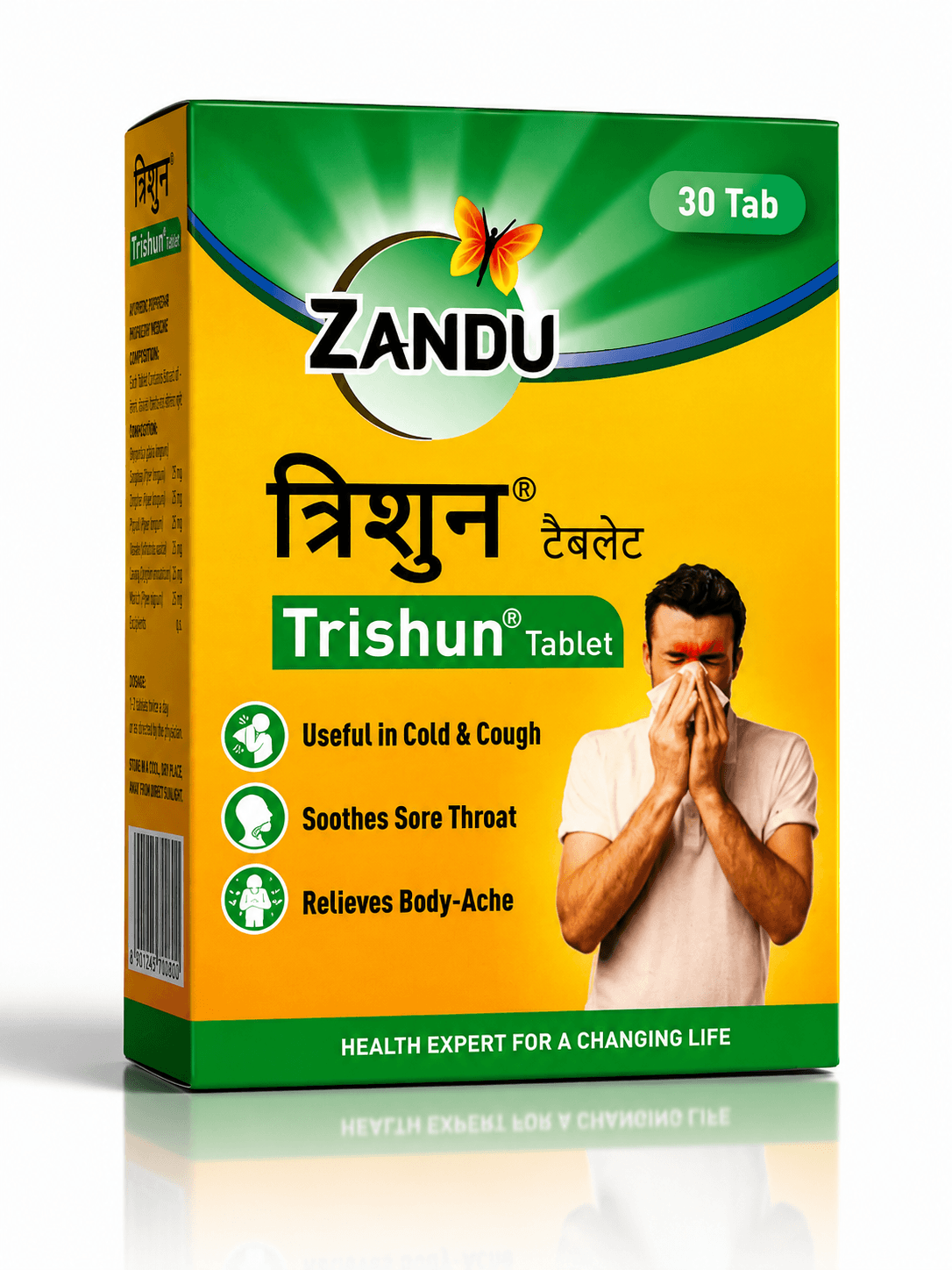
What is Zandu Trishun? An Ayurvedic Remedy for Cold, Cough and Fever
Zandu Trishun is a classical Ayurvedic formulation presented in tablet form, traditionally used as an Ayurvedic remedy for cold, cough and fever. The name Trishun (Sanskrit: त्रिशूण) combines tri meaning "three" and shun rooted in the concept of eradication — together suggesting a formula that targets three principal complaints: pratishyaya (cold), kasa (cough), and jwara (fever). It draws on the classical Trikatu backbone — the triad of dry ginger, black pepper and long pepper — referenced extensively in the Charaka Samhita and the Ayurvedic Formulary of India (AFI) for kindling digestive fire and clearing respiratory channels [AFI Part I, 2003].
- Product type: Ayurvedic proprietary tablet
- Dosha action: Primarily pacifies Kapha and Vata doshas; may mildly increase Pitta
- Common uses: Cold, running nose, cough, mild fever, nasal congestion, body ache
- Prescription status: Over-the-counter (OTC) Ayurvedic medicine; consult a doctor for chronic or severe conditions
Key Ingredients of Zandu Trishun
Zandu Trishun's efficacy as an Ayurvedic cold medicine is rooted in a synergistic blend of time-tested herbs. The table below lists its core ingredients alongside their classical roles and what current research suggests.
| Ingredient | Botanical Name | Part Used | Ayurvedic Role | What Research Suggests [Ref] |
|---|---|---|---|---|
| Shunthi (Dry Ginger) | Zingiber officinale Roscoe | Rhizome | Deepana (kindles agni), Kaphaghna (reduces Kapha), Shwasahara (relieves breathlessness) | Gingerols and shogaols show anti-inflammatory and antiviral activity in vitro [1] |
| Maricha (Black Pepper) | Piper nigrum L. | Fruit | Kaphahara, Shoolahara (relieves pain), enhances bioavailability of other herbs | Piperine demonstrates immunomodulatory and antipyretic effects in animal models [2] |
| Pippali (Long Pepper) | Piper longum L. | Fruit | Kasahara (antitussive), Shwasahara, Deepana; cornerstone of Trikatu | Piperlongumine and piperine show anti-inflammatory potential in lab studies [3] |
| Tulsi (Holy Basil) | Ocimum tenuiflorum L. | Leaf | Jwaraghna (antipyretic), Kasahara, Shwasahara, Rasayana (adaptogen) | Eugenol-rich extracts exhibit antimicrobial and immunomodulatory properties in vitro [4] |
| Guduchi (Giloy) | Tinospora cordifolia (Willd.) Miers | Stem | Jwaraghna, Rasayana, Tridoshahara (balances all three doshas) | Polysaccharides stimulate macrophage activity and show antipyretic effects in animal studies [5] |
| Haridra (Turmeric) | Curcuma longa L. | Rhizome | Shodhana (purifying), Kasahara, anti-inflammatory | Curcumin inhibits NF-κB pathway and shows antiviral activity in lab models [6] |
Note: Evidence cited above is predominantly from single-ingredient or in vitro/animal studies. Clinical trials on the complete Zandu Trishun formula are limited; consult a qualified Ayurvedic practitioner for personalised guidance.
How Does Zandu Trishun Work?
The Ayurvedic View
According to Ayurvedic physiology, cold, cough and fever arise when Kapha dosha accumulates in the pranavaha srotas (respiratory channels), impairing normal airflow and causing ama (toxic metabolic residue) to block tissue nutrition. Agni (digestive fire) weakens, and Vata dosha becomes disturbed, producing body ache and chills. Zandu Trishun's Trikatu core is ushna virya (hot potency), which rekindles agni, burns away ama, and restores free flow through the pranavaha and udakavaha srotas (water-carrying channels). Supporting herbs like Guduchi act on rasa and rakta dhatus (plasma and blood tissues) to reduce fever and build immunity.
The Modern Pharmacological View
From a biomedical perspective, the active compounds work across overlapping mechanisms. Gingerols and shogaols from Shunthi inhibit pro-inflammatory cyclooxygenase (COX) enzymes and suppress cytokine release [1]. Piperine from Maricha and Pippali modulates immune cell activity and has demonstrated antipyretic effects in rodent models [2, 3]. Eugenol from Tulsi disrupts microbial cell membranes and blocks inflammatory mediators [4], while Tinospora polysaccharides from Guduchi activate macrophages to clear pathogens faster [5]. Curcumin in Haridra suppresses the NF-κB inflammatory pathway that drives fever and mucosal inflammation [6]. It is important to note that most of this evidence comes from single-ingredient laboratory or animal research, not from controlled clinical trials on the combined Zandu Trishun formula.
Uses and Benefits of Zandu Trishun
1. May Relieve Cold and Nasal Congestion
Zandu Trishun is one of the most recognised Ayurvedic remedies for cold and running nose. The ushna (hot) properties of Trikatu help liquefy and expel thick Kapha secretions from the nasal passages. Research on Zingiber officinale confirms anti-rhinoviral activity in cell culture models [1], supporting its traditional use.
2. May Support Relief from Cough
Pippali and Tulsi have long been classical go-to herbs for kasa (cough) in texts like Charaka Samhita Chikitsa Sthana 18. Their antitussive and broncho-relaxant properties are backed by preclinical data showing smooth muscle relaxation in airway tissue [3, 4]. Zandu Trishun tablet for cold and cough combines these herbs to soothe the throat and reduce the urge to cough.
3. Traditionally Used to Manage Mild Fever
Guduchi is the classical jwaraghna herb par excellence, referenced across Ashtanga Hridayam for its fever-reducing action. Animal studies show Tinospora extracts reduce rectal temperature in experimentally induced pyrexia [5]. Maricha's piperine has also demonstrated antipyretic properties in rodent studies [2], making this combination relevant for mild, uncomplicated fever.
4. May Help Reduce Body Ache Associated with Fever
Body ache during flu-like illnesses is driven by prostaglandin-mediated inflammation. Gingerols inhibit COX-1 and COX-2 enzymes in a manner comparable to non-steroidal anti-inflammatory mechanisms, as shown in in vitro studies [1]. Curcumin from Haridra further suppresses inflammatory cytokines such as TNF-α and IL-6 in lab models [6].
5. May Support Respiratory Comfort and Breathing
Shwasahara (relieves difficulty in breathing) is a classical action attributed to all three components of Trikatu. Piper longum extracts have shown bronchodilatory effects in guinea pig tracheal preparations in preclinical research [3]. This makes Zandu Trishun traditionally relevant for breathlessness and tightness in the chest accompanying colds.
6. May Strengthen Immunity During Seasonal Changes
Seasonal transitions are prime times for immune dips in Ayurvedic understanding, linked to aggravated Vata disturbing ojas (vital immunity essence). Guduchi and Tulsi are both classified as Rasayana (rejuvenating) herbs known to enhance non-specific immune responses [4, 5]. Regular short-course use of Zandu Trishun during seasonal changes may support the body's natural defences.
7. May Aid Digestion Impaired During Illness
Illness often suppresses agni, leading to poor appetite and sluggish digestion. Trikatu is the most cited deepana-pachana (appetite-stimulating, digestive) combination in classical texts and has been studied for its ability to increase digestive enzyme secretion in animal models [PMC search: https://pmc.ncbi.nlm.nih.gov/search/?term=Trikatu+digestive+enzyme]. Restoring digestion during illness supports faster recovery.
Zandu Trishun Dosage and Directions
Always follow the label instructions or the advice of your Ayurvedic doctor. The general guidelines below are for reference only.
| Parameter | Details |
|---|---|
| Adult Dose | 2 tablets, twice or thrice daily (as directed on label or by physician) |
| When to Take | After meals or as advised; avoid on an empty stomach if Pitta is high |
| Anupana (Vehicle) | Warm water or warm honey; warm ginger tea may enhance effect |
| Duration | Short-course use: typically 5–10 days for acute cold or cough; do not self-medicate beyond 2 weeks without professional guidance |
| Children (6–12 years) | 1 tablet twice daily or as advised by a paediatric Ayurvedic doctor; not recommended below age 6 without supervision |
| Elderly | Use with caution if Pitta constitution is dominant; consult a doctor |
| Pregnancy & Lactation | Avoid unless specifically prescribed by a qualified Ayurvedic physician |
Always read the product label and consult your Ayurvedic doctor before starting or changing your dose.
Side Effects and Safety of Zandu Trishun
Zandu Trishun is generally considered safe when taken at the recommended dose and duration. However, because it contains ushna virya (hot-potency) herbs, some individuals may experience side effects.
- Possible side effects: Heartburn, acidity, gastric irritation, increased thirst, mild burning sensation in the throat or stomach, especially in individuals with high Pitta.
- Pregnancy: Pippali and high-dose ginger are traditionally cautioned against in pregnancy. Avoid unless prescribed by a qualified practitioner.
- Lactation: Limited safety data; use only under medical supervision.
- Peptic ulcer or GERD: The hot potency of Trikatu may aggravate gastric acid secretion. Use with caution or avoid.
- Bleeding disorders: Ginger has antiplatelet properties in lab studies [1]; use cautiously with anticoagulant medications.
- Drug interactions: Piperine is known to increase the bioavailability of several drugs including phenytoin, rifampicin and certain antihypertensives [2]. Inform your allopathic doctor if you are on prescription medicines.
- Allergy: If you experience skin rash, swelling or breathing difficulty, discontinue immediately and seek medical attention.
Diet and Lifestyle Tips While Using Zandu Trishun
- Stay warm and avoid cold exposure: Cold air and cold beverages aggravate Kapha and counteract the herb's ushna action. Prefer warm soups, herbal teas and light khichdi.
- Drink warm water frequently: Warm water supports ama digestion, keeps the throat moist and helps thin respiratory secretions.
- Avoid heavy, oily and processed foods: These increase Kapha and slow recovery. Favour easy-to-digest foods like moong dal, vegetable broth and steamed vegetables.
- Steam inhalation: Adding a few drops of eucalyptus or ajwain to hot water for steam inhalation complements Zandu Trishun's decongestant action.
- Rest adequately: Ayurveda emphasises that nidra (sleep) is a primary pillar of health; adequate rest allows immune restoration and speeds recovery from fever and cough.
- Avoid cold dairy and ice cream: Milk products consumed cold are considered Kapha-vardhaka (Kapha-increasing) and can worsen congestion and mucus production.
Frequently Asked Questions About Zandu Trishun
What is Zandu Trishun used for?
Zandu Trishun is traditionally used as an Ayurvedic remedy for cold, cough and mild fever. It may also help with nasal congestion, body ache during flu-like illness and sluggish digestion during sickness. It is an over-the-counter Ayurvedic tablet available on platforms like Quikdu.
How many Zandu Trishun tablets should I take per day?
The general adult dose is 2 tablets taken two to three times daily with warm water or warm honey, ideally after meals. Always follow the product label or your Ayurvedic doctor's specific instructions, as dose may vary based on age, constitution and severity of symptoms.
Can I take Zandu Trishun for fever?
Yes, Zandu Trishun contains herbs like Guduchi and Tulsi that are classically used for mild fever (jwara). Animal studies support the antipyretic potential of Tinospora cordifolia and piperine [2, 5]. However, for high, persistent or unexplained fever, please consult a medical doctor promptly.
Is Zandu Trishun safe during pregnancy?
Zandu Trishun is generally not recommended during pregnancy because it contains Pippali and high concentrations of ginger, which are cautioned against in classical texts for pregnant women. Always consult a qualified Ayurvedic or allopathic doctor before taking any supplement during pregnancy.
Can children take Zandu Trishun?
Children aged 6–12 years may take a reduced dose (typically 1 tablet twice daily) under adult supervision and ideally with the guidance of a paediatric Ayurvedic practitioner. It is not recommended for children under 6 years without a doctor's prescription.
Does Zandu Trishun cause acidity or heartburn?
Because Trikatu herbs are ushna (hot-potency), they can cause heartburn or gastric irritation in individuals with high Pitta or existing acid reflux. Taking the tablet after meals with warm water or honey helps minimise this risk. People with peptic ulcers or GERD should consult a doctor before use.
How long does it take for Zandu Trishun to work?
Most users report symptomatic relief from cold and cough within 3–5 days of consistent use. Ayurvedic formulas generally take a few days to show their full effect as they work on restoring dosha balance rather than suppressing symptoms acutely. If symptoms worsen or do not improve within 5–7 days, consult a healthcare professional.
Can I take Zandu Trishun with other medicines?
Piperine in Maricha and Pippali significantly alters the absorption of many drugs including antibiotics, anticonvulsants and antihypertensives [2]. If you are on any prescription medication, inform your doctor before starting Zandu Trishun to avoid potential interactions.
Where can I buy Zandu Trishun online?
You can buy Zandu Trishun conveniently on the Buy Now , a trusted Ayurveda platform that delivers verified Ayurvedic products to your doorstep across India. The platform ensures authentic sourcing and safe delivery.
Is Zandu Trishun the same as Trikatu churna?
No, they are different. Trikatu churna is a classical powder containing only the three peppers (dry ginger, black pepper, long pepper). Zandu Trishun is a proprietary tablet formulation that includes Trikatu as its base but adds herbs like Tulsi, Guduchi and Haridra for broader action on cold, cough and fever symptoms.
References
- Mashhadi NS, Ghiasvand R, Askari G, et al. Anti-oxidative and anti-inflammatory effects of ginger in health and physical activity: review of current evidence. Int J Prev Med. 2013;4(Suppl 1):S36–S42. PMC ID: PMC3665023
- Meghwal M, Goswami TK. Piper nigrum and piperine: an update. Phytother Res. 2013;27(8):1121–1130. PMC search: https://pmc.ncbi.nlm.nih.gov/search/?term=piperine+antipyretic+immunomodulatory
- Sharma V, Kansal L, Sharma A. Prophylactic efficacy of Piper longum against experimental models of inflammation and allergy. Pharm Biol. 2010;48(10):1131–1137. PMC search: https://pmc.ncbi.nlm.nih.gov/search/?term=Piper+longum+anti-inflammatory+bronchodilatory
- Pattanayak P, Behera P, Das D, Panda SK. Ocimum tenuiflorum Linn. (Holy Basil): A treasure for medicine. Asian Pac J Trop Biomed. 2010;1(1 Suppl):S51–S54. PMC ID: PMC3609175
- Saha S, Ghosh S. Tinospora cordifolia: one plant, many roles. Anc Sci Life. 2012;31(4):151–159. PMC ID: PMC3644751
- Hewlings SJ, Kalman DS. Curcumin: A review of its effects on human health. Foods. 2017;6(10):92. PMC ID: PMC5664031
- Classical source: Charaka Samhita, Chikitsa Sthana, Chapter 18 (Kasa Chikitsa). Translated by Sharma PV. Chaukhamba Orientalia, Varanasi, 2014.
- Classical source: Ashtanga Hridayam, Chikitsa Sthana, Chapter 1 (Jwara Chikitsa). Translated by Murthy KRS. Krishnadas Academy, Varanasi, 2012.
- Ayurvedic Formulary of India, Part I, 2nd revised ed. Ministry of Health and Family Welfare, Government of India, 2003. Trikatu formulation reference, p. 178.
Medical Disclaimer
This article is for informational and educational purposes only. It is not intended to be a substitute for professional medical advice, diagnosis or treatment. Always seek the guidance of a qualified Ayurvedic practitioner or medical doctor before starting, changing or stopping any treatment. The benefits described are based on traditional Ayurvedic use and available preclinical research; they have not all been confirmed by large-scale human clinical trials. Do not delay seeking medical help for serious symptoms such as high fever, severe breathing difficulty or persistent cough.
Download the Quikdu App today and get verified Ayurvedic products delivered safely to your doorstep.