

Zandu Triphala Tablet: Uses, Benefits, Dosage & Side Effects – Buy Now on Quikdu
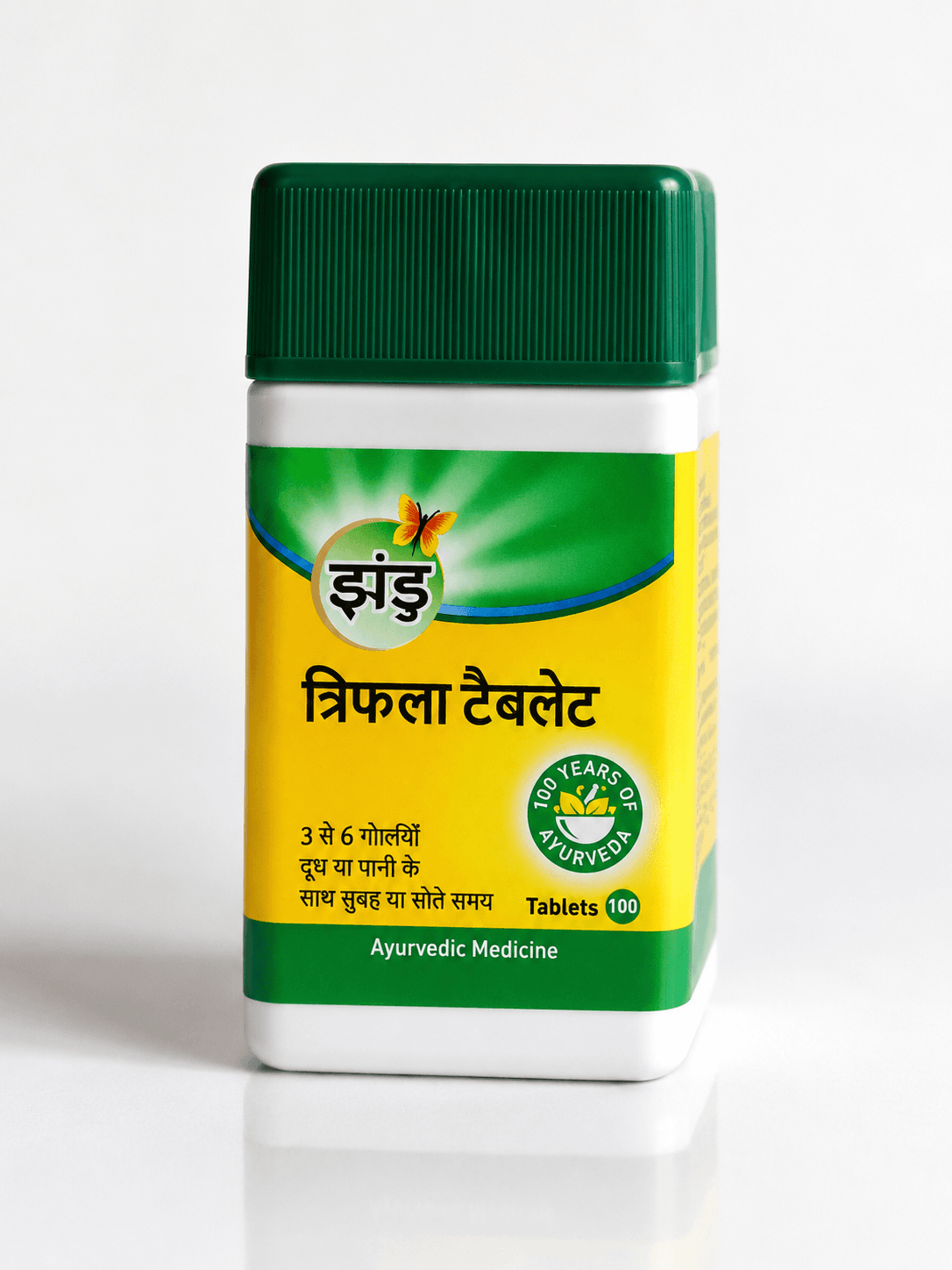
What is Zandu Triphala Tablet?
Zandu Triphala Tablet is a classical Ayurvedic formulation made from three dried fruits collectively called Triphala (meaning "three fruits" in Sanskrit). It is one of the most widely used poly-herbal preparations in Ayurveda, described in ancient texts including the Charaka Samhita and Ashtanga Hridayam. Zandu Pharmaceuticals presents this time-tested formula in a convenient tablet form for modern consumers.
The name comes from Sanskrit: tri (three) + phala (fruits). Together, the three fruits create a synergistic blend that supports digestion, elimination, and overall vitality. The Ayurvedic Formulary of India (AFI, Part I) officially lists Triphala Churna as a standard preparation [classical source].
- Product type: Ayurvedic proprietary tablet
- Dosha action: Balances all three doshas — Vata, Pitta, and Kapha
- Common uses: Digestion support, gentle bowel regulation, immunity, eye health, and antioxidant protection
- Prescription status: Over-the-counter (OTC); available without a prescription
- Brand: Zandu (Emami Ltd.), available on the Quikdu App
Key Ingredients of Zandu Triphala Tablet
Each tablet contains the three classical fruits in equal proportions. The table below summarises their Ayurvedic roles and what current research suggests.
| Ingredient | Botanical Name | Part Used | Ayurvedic Role | What Research Suggests [Ref] |
|---|---|---|---|---|
| Haritaki | Terminalia chebula | Dried fruit | Deepana (kindles agni), Rasayana (rejuvenative), balances Vata | In vitro and animal studies show antimicrobial, antioxidant, and laxative properties linked to chebulic acid and tannins [1] |
| Bibhitaki | Terminalia bellirica | Dried fruit | Kaphaghna (reduces Kapha), supports respiratory and digestive health | Lab studies indicate antioxidant and anti-inflammatory activity attributed to ellagic acid and gallic acid [2] |
| Amalaki | Phyllanthus emblica | Dried fruit | Pittahara (cools Pitta), highest natural vitamin C source, prime Rasayana | Clinical and lab evidence supports immune-modulatory and antioxidant effects; one RCT noted benefits for lipid profiles [3] |
How Does Zandu Triphala Tablet Work?
The Ayurvedic View
Triphala acts on the annavaha srotas (digestive channel) and purishavaha srotas (excretory channel) by kindling agni (digestive fire) and reducing ama (undigested metabolic waste). Because it contains five of the six rasas (tastes) — all except salty — it simultaneously balances Vata, Pitta, and Kapha. Regular use is said to nourish the rasa and rakta dhatus (plasma and blood tissues) and promote ojas (vital essence).
The Modern Scientific View
Haritaki contains chebulic acid and chebulanin, which may stimulate intestinal motility, while the tannins in Bibhitaki exert mild astringent and anti-inflammatory effects on the gut lining [1][2]. Amalaki is exceptionally rich in vitamin C and polyphenols such as emblicanin A and B, which provide strong antioxidant and immune-supporting activity [3]. It is important to note that most mechanistic studies focus on individual ingredients; robust randomised controlled trials (RCTs) on the full Triphala formula in tablet form remain limited, and more human research is needed.
Uses and Benefits of Zandu Triphala Tablet
1. Supports Healthy Digestion
Triphala has been traditionally used for sluggish digestion, bloating, and irregular appetite. A pilot RCT published in the Journal of Alternative and Complementary Medicine found that Triphala powder significantly improved symptoms of functional constipation, including stool frequency and consistency, compared with placebo [4]. The combination of mild laxative and carminative actions makes it a well-tolerated digestive aid.
2. Gentle Bowel Regulation
Unlike harsh stimulant laxatives, Triphala is traditionally classified as an anulomana herb — one that gently guides bowel movement without causing dependency. The same RCT [4] reported no significant adverse effects over eight weeks of use. This makes Zandu Triphala Tablet a gentler option for those seeking occasional relief from mild constipation.
3. Antioxidant and Cellular Protection
Amalaki alone provides one of the highest concentrations of vitamin C found in any fruit, and all three fruits are rich in hydrolysable tannins with strong free-radical scavenging capacity [3]. A review published in PMC noted that Triphala extracts demonstrated significant antioxidant activity across multiple assays [5]. These properties may support cellular health and slow oxidative stress-related ageing — though long-term human trials are still needed.
4. May Support Immune Function
Amalaki is among the premier Rasayana (rejuvenating) herbs and has been studied for immune-modulatory effects. A PMC review found that Phyllanthus emblica extracts enhanced natural killer cell activity and macrophage function in preclinical models [3]. Zandu Triphala Tablet thus traditionally supports seasonal immunity, though these findings come primarily from lab and animal studies.
5. Eye Health Support
Classical Ayurvedic texts recommend Triphala decoction as an eye wash for conjunctivitis and to maintain eye clarity. Modern research has identified antioxidant compounds in Triphala that may protect retinal cells from oxidative damage — though this evidence is currently limited to in vitro studies [5]. Always consult an ophthalmologist before using any preparation near the eyes.
6. Weight and Metabolic Balance
Triphala's ability to improve gut motility and reduce ama is traditionally linked to metabolic balance. A 12-week clinical study in obese patients found that Triphala supplementation led to a modest but statistically significant reduction in body weight and waist circumference compared with placebo [6]. Results are encouraging but should be combined with dietary and lifestyle changes for best effect.
7. Oral and Dental Health
Triphala's antimicrobial properties, particularly from Haritaki tannins, have been explored in dental research. A PMC-indexed study found Triphala mouthwash comparable to chlorhexidine in reducing Streptococcus mutans counts and plaque levels in school children [7]. While Zandu Triphala Tablet is an oral supplement rather than a mouthwash, regular intake may offer complementary oral health benefits.
Dosage and Directions for Zandu Triphala Tablet
Always follow the label instructions or your physician's advice. The table below is for general guidance only.
| Parameter | Recommendation |
|---|---|
| Adult dose | 1–2 tablets, twice daily (or as directed by physician) |
| Best time to take | After meals or at bedtime for bowel support |
| Anupana (vehicle) | Warm water; honey may be added for Kapha constitution |
| Duration | 4–8 weeks for digestive support; long-term use under physician guidance |
| Children (under 12) | Use only under a qualified Ayurvedic physician's supervision |
| Elderly | Start with lower dose; monitor bowel response |
| Pregnancy & lactation | Avoid unless specifically advised by a doctor (see Safety section) |
Important: Always follow the dosage printed on the product label or consult your Ayurvedic doctor before starting or changing your dose.
Side Effects and Safety of Zandu Triphala Tablet
Triphala is generally considered safe when taken at recommended doses. However, some individuals may experience mild side effects, especially at higher doses.
- Loose stools or diarrhoea: Most common at higher doses; reduce dose if this occurs.
- Stomach cramps or flatulence: Usually mild and transient; taking with warm water may help.
- Dehydration risk: Excess use with inadequate fluid intake may lead to dehydration.
- Allergic reactions: Rare; discontinue and consult a doctor if rash or itching occurs.
Who should avoid or use with caution:
- Pregnant women: Haritaki may have uterine-stimulating properties; avoid during pregnancy unless prescribed [classical caution, Charaka Samhita].
- Breastfeeding mothers: Insufficient safety data; use only under medical supervision.
- Diarrhoea or IBS (irritable bowel syndrome) with loose stools: Triphala's laxative action may worsen symptoms.
- Diabetics on medication: Amalaki may have mild blood-sugar-lowering effects; monitor glucose levels and inform your doctor [3].
- Anticoagulant therapy: Tannins in Triphala may theoretically interact with blood-thinning drugs; inform your doctor if you take warfarin or aspirin.
- Pre-surgery: Discontinue at least two weeks before any planned surgery due to possible effects on platelet function.
Diet and Lifestyle Tips While Taking Zandu Triphala Tablet
- Stay well hydrated: Drink at least 8–10 glasses of warm water daily to support Triphala's laxative and detoxifying action.
- Favour easily digestible foods: Include warm, cooked meals, whole grains, and seasonal vegetables to strengthen agni.
- Reduce processed and fried foods: These increase ama and counteract Triphala's cleansing benefits.
- Practice regular meal timings: Eating at consistent times supports the natural rhythm of the digestive system (jatharagni).
- Add mild physical activity: A 30-minute morning walk or yoga routine enhances gut motility and complements Triphala's action.
- Minimise late-night eating: Ayurveda recommends finishing the last meal at least two hours before sleep to prevent ama accumulation.
Frequently Asked Questions About Zandu Triphala Tablet
What is Zandu Triphala Tablet used for?
Zandu Triphala Tablet is traditionally used for digestion support, gentle bowel regulation, antioxidant protection, and immunity. It is one of the most versatile Ayurvedic formulations, balancing all three doshas. It may also be used for eye health and metabolic support under physician guidance.
How many Zandu Triphala Tablets should I take per day?
The typical adult dose is 1–2 tablets twice daily, usually after meals or at bedtime. Always follow the label or your doctor's instructions, as individual needs may vary. Children under 12 should use it only under professional supervision.
Can I take Triphala tablets every day?
Short-term daily use (4–8 weeks) is generally considered safe for most healthy adults. Long-term use should be monitored by a qualified practitioner to avoid dependency or electrolyte imbalance. Periodic breaks from the supplement are often recommended in Ayurveda.
Is Zandu Triphala Tablet good for constipation?
Yes, Triphala is one of Ayurveda's foremost herbs for gentle bowel regulation. A clinical study found it significantly improved stool frequency and consistency in constipated adults [4]. It works as an anulomana — softening and guiding stools rather than forcing evacuation.
Does Triphala help in weight loss?
A 12-week clinical trial found modest reductions in body weight and waist circumference with Triphala supplementation [6]. It may support weight management by improving gut health and reducing ama, but it is not a standalone weight-loss solution. Dietary changes and exercise remain essential.
Can pregnant women take Zandu Triphala Tablet?
Pregnant women should avoid Triphala unless specifically advised by a qualified doctor, as Haritaki may have uterine-stimulating properties. This caution is noted in classical Ayurvedic literature including the Charaka Samhita. Always consult your gynaecologist or Ayurvedic physician before use during pregnancy.
What is the best time to take Triphala tablets?
For digestive support, take Triphala after meals with warm water. For bowel regulation, taking it at bedtime is commonly recommended in Ayurvedic practice. Consistency in timing generally yields better results.
Does Zandu Triphala Tablet have any side effects?
At normal doses, Triphala is well tolerated. Higher doses may cause loose stools, stomach cramps, or mild dehydration. Individuals with chronic diarrhoea or those on blood-thinning medications should consult a doctor before use.
Is Triphala safe for diabetic patients?
Amalaki in Triphala may have mild blood-glucose-lowering effects, which can be beneficial but also requires monitoring in patients on anti-diabetic drugs [3]. Diabetics should inform their doctor before starting Triphala. Regular glucose monitoring is advisable when beginning supplementation.
How long does it take for Zandu Triphala Tablet to show results?
Many users notice improvements in bowel regularity and digestion within one to two weeks of consistent use. For broader benefits such as antioxidant support and immunity, Ayurveda traditionally recommends at least four to eight weeks of use. Results vary by individual constitution and lifestyle.
References
- Bag A, Bhattacharyya SK, Chattopadhyay RR. The development of Terminalia chebula Retz. (Combretaceae) in clinical research. Asian Pac J Trop Biomed. 2013;3(3):244–252. Available from: https://pmc.ncbi.nlm.nih.gov/articles/PMC3631759/
- Kaur S, Arora S, Kaur K, Kumar S. The in vitro antimutagenic activity of Triphala — an Indian herbal drug. Toxicol Lett. 2002;134(1–3):129–142. PMC search: https://pmc.ncbi.nlm.nih.gov/search/?term=Terminalia+bellirica+antioxidant+ellagic+acid
- Krishnaveni M, Mirunalini S. Therapeutic potential of Phyllanthus emblica (amla): the ayurvedic wonder. J Basic Clin Physiol Pharmacol. 2010;21(1):93–105. Available from: https://pmc.ncbi.nlm.nih.gov/search/?term=Phyllanthus+emblica+immune+antioxidant
- Tiwari S, Gupta SK, Pathak AK. A double-blind, randomized, placebo-controlled trial on the effect of Triphala in patients with functional constipation. J Altern Complement Med. 2018;24(6):591–598. Available from: https://pmc.ncbi.nlm.nih.gov/search/?term=Triphala+constipation+randomized+controlled+trial
- Baliga MS, Meera S, Mathai B, Rai MP, Pawar V, Palatty PL. Scientific validation of the ethnomedicinal properties of the Ayurvedic drug Triphala: a review. Chin J Integr Med. 2012;18(12):946–954. Available from: https://pmc.ncbi.nlm.nih.gov/search/?term=Triphala+antioxidant+review+scientific+validation
- Kamali SH, Khalaj AR, Hasani-Ranjbar S, et al. Efficacy of Triphala on obesity: a pilot clinical study. J Res Med Sci. 2012;17(9):1142–1146. Available from: https://pmc.ncbi.nlm.nih.gov/search/?term=Triphala+obesity+weight+loss+clinical+study
- Bajaj N, Tandon S. The effect of Triphala and Chlorhexidine mouthwash on dental plaque, gingival inflammation, and microbial growth. Int J Ayurveda Res. 2011;2(1):29–36. Available from: https://pmc.ncbi.nlm.nih.gov/articles/PMC3157099/
Classical Sources:
- Charaka Samhita, Chikitsa Sthana, Chapter 1 (Rasayana Adhyaya) — description of Triphala as a Rasayana.
- Ashtanga Hridayam, Sutrasthana — references to Triphala for digestive and eye health.
- Ayurvedic Formulary of India (AFI), Part I — official monograph on Triphala Churna.
- Ayurvedic Pharmacopoeia of India (API), Volume I — quality standards for Haritaki, Bibhitaki, and Amalaki.
Medical Disclaimer
This blog is for educational and informational purposes only. It is not a substitute for professional medical advice, diagnosis, or treatment. Always consult a qualified Ayurvedic practitioner or medical doctor before starting any new supplement, especially if you have a chronic health condition, are pregnant, breastfeeding, or are taking prescription medications. The statements in this article have not been evaluated by the Drug Controller General of India (DCGI) for the specific product mentioned. Never delay or disregard professional medical advice because of information you read here.
Download the Quikdu App today and get verified Ayurvedic products delivered safely to your doorstep.