

Zandu Triphala Capsules: Uses, Benefits, Dosage & Side Effects – Buy Now on Quikdu
What Are Zandu Triphala Capsules? A Complete Overview
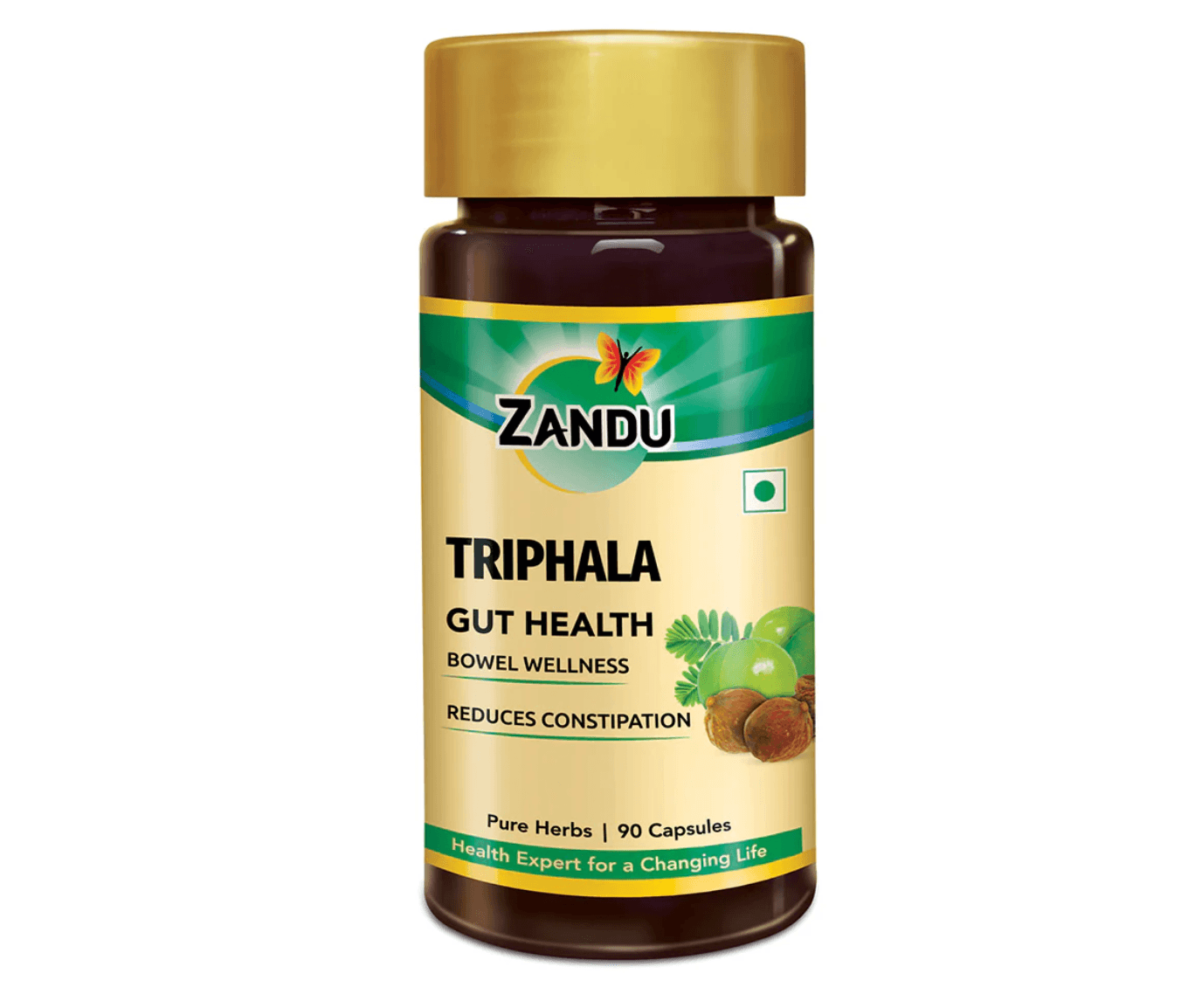
Zandu Triphala Capsules are a popular Ayurvedic formulation based on the classical poly-herbal compound Triphala (meaning "three fruits" in Sanskrit). This time-tested formula is described in the Charaka Samhita and Ashtanga Hridayam as a gentle yet powerful rasayana (rejuvenating tonic) that supports digestion, elimination, and whole-body detoxification. Zandu, one of India's most trusted Ayurvedic brands, presents this formula in a convenient capsule form for daily use.
The name Triphala comes from two Sanskrit words: tri (three) and phala (fruits). It combines equal parts of three dried fruits — Amalaki, Bibhitaki, and Haritaki — each with distinct Ayurvedic properties that complement one another.
- Product type: Ayurvedic proprietary medicine in capsule form
- Dosha action: Balances all three doshas — Vata, Pitta, and Kapha
- Common uses: Digestive support, mild laxative, detoxification, antioxidant support, eye health
- Prescription status: Over-the-counter (OTC); no prescription required, though professional guidance is recommended for long-term use
- Available on: Quikdu – Trusted Ayurveda App
Key Ingredients in Zandu Triphala Capsules
| Ingredient | Botanical Name | Part Used | Ayurvedic Role | What Research Suggests |
|---|---|---|---|---|
| Amalaki (Indian Gooseberry) | Phyllanthus emblica | Dried fruit | Pitta pacifier, Rasayana, rich source of Vitamin C, supports immunity and liver health | Lab and animal studies suggest strong antioxidant and hepatoprotective activity [1] |
| Bibhitaki (Baheda) | Terminalia bellirica | Dried fruit | Kapha pacifier, supports respiratory and digestive health, mild laxative | In vitro studies indicate antimicrobial and antioxidant properties [2] |
| Haritaki (Chebulic Myrobalan) | Terminalia chebula | Dried fruit | Vata pacifier, digestive stimulant, mild laxative, rejuvenating tonic | Preclinical studies show laxative, antioxidant, and anti-inflammatory effects [3] |
How Do Zandu Triphala Capsules Work?
The Ayurvedic View
According to Ayurvedic texts, Triphala acts on the Pakvaashaya (large intestine) and Purishavaha srotas (channels carrying waste), helping to clear accumulated ama (undigested toxins) and rekindle Agni (digestive fire). Its tridoshic nature — pacifying Vata, Pitta, and Kapha simultaneously — makes it suitable for almost every constitution. Regular use is said to nourish the Rasa and Rakta dhatus (plasma and blood tissues), improving overall vitality and tissue nutrition.
The Modern Scientific View
Modern research attributes Triphala's activity to polyphenols such as gallic acid, ellagic acid, chebulinic acid, and emblicanin-A and -B. These compounds demonstrate antioxidant, anti-inflammatory, and prebiotic effects in preclinical studies [1][2][3]. It is important to note that most high-quality studies examine individual ingredients or animal models; large-scale randomised controlled trials on the complete Triphala formula in humans remain limited.
Uses and Benefits of Zandu Triphala Capsules
1. Supports Healthy Digestion
Triphala has been traditionally used to strengthen Agni (digestive fire) and improve nutrient absorption. A clinical study found that Triphala supplementation significantly improved symptoms of functional constipation and bloating compared to placebo [4]. Regular use may help maintain comfortable, regular bowel movements without causing dependency.
2. Gentle Detoxification and Gut Cleansing
Triphala is one of the most referenced Ayurvedic formulas for shodhana (purification). Its mild laxative properties help flush accumulated waste from the colon, reducing the toxic load on the body. A 2017 review noted that Triphala may positively modulate the gut microbiome, promoting growth of beneficial bacteria [5].
3. Powerful Antioxidant Protection
Amalaki, the richest natural source of Vitamin C, contributes significantly to Triphala's antioxidant strength. Studies on Phyllanthus emblica show potent free-radical scavenging activity in both lab and animal models [1]. This antioxidant activity may help protect cells from oxidative stress linked to ageing and chronic disease.
4. May Support Weight Management
Triphala is traditionally used in Ayurveda to reduce excess Kapha, which is associated with sluggish metabolism and weight gain. A randomised controlled trial reported that obese subjects taking Triphala showed a significant reduction in body weight and waist circumference after 12 weeks [6]. This benefit is thought to arise from improved gut motility and fat metabolism.
5. Eye Health Support
Classical texts describe Triphala as a premier remedy for netra roga (eye disorders). Amalaki is specifically noted for protecting ocular tissue. Preclinical research suggests that the gallic acid content in Triphala may help protect against oxidative damage to the lens and retina (animal study) [PMC search – pmc.ncbi.nlm.nih.gov/search/?term=Triphala+eye+health]. Eye-washing with Triphala water is a separate traditional practice; these capsules provide systemic support.
6. Anti-inflammatory and Immune Support
The polyphenols in all three Triphala fruits — particularly chebulagic acid and punicalagin — have shown anti-inflammatory activity in cell and animal studies [3]. Triphala may support the body's natural immune defences by reducing oxidative stress and modulating inflammatory pathways. Human clinical evidence on immune outcomes specifically is still emerging.
7. Skin Health and Complexion
Ayurveda describes Triphala as a varnya herb — one that enhances the natural complexion and skin lustre. Its antioxidant and detoxifying properties may help clear skin blemishes linked to sluggish elimination and excess Pitta. A PMC search indicates interest in Triphala's topical and systemic skin benefits, though large human trials are limited (pmc.ncbi.nlm.nih.gov/search/?term=Triphala+skin+antioxidant).
Dosage and Directions for Zandu Triphala Capsules
| Parameter | Details |
|---|---|
| Adult dose | 1–2 capsules twice daily (as per label; each capsule typically 500 mg) |
| When to take | At bedtime for laxative/detox effect; after meals for digestive support |
| Anupana (vehicle) | Warm water or warm milk; honey may be added for Kapha conditions |
| Duration | Short-term: 4–8 weeks; long-term use under Ayurvedic physician guidance |
| Children (6–12 years) | Half the adult dose; only under medical supervision |
| Elderly | Start with one capsule; adjust based on bowel response |
| Pregnancy and lactation | Not recommended without physician advice (see Safety section) |
Always follow the dosage printed on the product label or as directed by your Ayurvedic physician.
Side Effects and Safety of Zandu Triphala Capsules
Triphala is generally well tolerated when taken at recommended doses. However, some individuals may experience loose stools, diarrhoea, or abdominal cramping, particularly at higher doses or during initial use. Reducing the dose usually resolves these effects.
Who should use with caution or avoid:
- Pregnant women: Haritaki is considered a uterine stimulant in classical texts; avoid during pregnancy unless prescribed by a physician.
- Breastfeeding mothers: Safety data in human lactation is insufficient; consult a doctor before use.
- Patients with diarrhoea or IBS-D: The laxative effect may worsen symptoms; avoid or use only under supervision.
- Diabetic patients on medication: Amalaki may lower blood glucose; monitor levels carefully and inform your doctor [1].
- Patients on anticoagulants: Gallic acid content may theoretically interact with blood thinners; consult your physician.
- Children under 6 years: Not recommended without a paediatric Ayurvedic physician's advice.
Precautions: Store in a cool, dry place away from direct sunlight. Keep out of reach of children. Do not exceed the recommended dose. If you experience severe abdominal pain, discontinue use and consult a healthcare provider.
Diet and Lifestyle Tips While Taking Triphala
- Stay hydrated: Drink at least 8–10 glasses of warm water daily to support Triphala's detoxifying and laxative action.
- Eat a fibre-rich diet: Include seasonal fruits, vegetables, and whole grains to enhance gut motility alongside Triphala.
- Reduce processed and fried foods: These increase ama (toxins) and work against Triphala's cleansing effect.
- Practice regular meal timings: Eating at fixed times strengthens Agni (digestive fire) and improves the formula's benefits.
- Include light evening meals: A lighter dinner taken before 8 PM gives Triphala's overnight action the best chance to work.
- Yoga and walking: Light physical activity — especially Pavanamuktasana (wind-relieving pose) and brisk walking — supports bowel regularity and complements Triphala therapy.
Frequently Asked Questions About Zandu Triphala Capsules
What are Zandu Triphala Capsules used for?
Zandu Triphala Capsules are primarily used for digestive support, relief from mild constipation, and daily detoxification. They are also traditionally used for improving skin health, supporting eye health, and providing antioxidant protection. Always use as directed on the label or by your Ayurvedic practitioner.
How long does it take for Triphala to show results for constipation?
Most users notice improvement in bowel regularity within 3–7 days of consistent use. For chronic constipation, a course of 4–8 weeks may be needed for sustained results. Individual response varies based on diet, hydration, and severity of the condition.
Can I take Zandu Triphala Capsules every day?
Yes, Triphala is considered a safe daily supplement at recommended doses for most healthy adults. Classical texts describe it as a rasayana (rejuvenating tonic) suitable for long-term use. However, consult an Ayurvedic physician before continuing beyond 8 weeks, especially if you have an existing health condition.
Can I take Triphala capsules for weight loss?
Triphala may support weight management by improving gut motility and reducing Kapha-related sluggishness, as suggested by one randomised controlled trial [6]. It is not a standalone weight-loss pill and works best alongside a balanced diet and regular exercise. Do not use Triphala as a replacement for prescribed obesity treatment.
Are Zandu Triphala Capsules safe during pregnancy?
Triphala contains Haritaki, which is traditionally considered a uterine stimulant and is generally not recommended during pregnancy. Consult your Ayurvedic or allopathic physician before taking any herbal supplement during pregnancy. Safety cannot be guaranteed without medical supervision.
What is the best time to take Triphala capsules?
For constipation and detox, taking Triphala at bedtime with warm water is most effective, as it works gently overnight. For digestive support and nutrient absorption, taking it after meals is preferred. Follow the specific instructions on the Zandu product label for best results.
Do Triphala capsules have any drug interactions?
Triphala may interact with blood sugar-lowering medications due to Amalaki's hypoglycaemic properties [1], and it may theoretically affect anticoagulant therapy due to its polyphenol content. Always inform your doctor about all herbal supplements you take alongside prescription medicines. This is especially important if you are managing diabetes, hypertension, or a bleeding disorder.
Can children take Zandu Triphala Capsules?
Children aged 6–12 years may take half the adult dose under medical supervision. Triphala is not recommended for children under 6 years in capsule form without a paediatric Ayurvedic physician's guidance. Always consult a healthcare provider before giving any herbal supplement to a child.
Is Triphala the same as a laxative? Will I become dependent on it?
Triphala acts as a gentle, bowel-regulating tonic rather than a harsh stimulant laxative, making dependency far less likely than with senna-based laxatives. It works by improving gut tone and microbiome health rather than by irritating the gut lining [5]. Nonetheless, long-term unsupervised use of any laxative-type supplement is best discussed with a healthcare professional.
Where can I buy genuine Zandu Triphala Capsules in India?
You can buy authentic Zandu Triphala Capsules on the Quikdu Trusted Ayurveda App, which offers verified Ayurvedic products delivered safely to your doorstep. Buying from trusted platforms ensures you receive genuine, quality-tested products. Visit the product page on Quikdu for the latest price and availability.
References
- Krishnaveni M, Mirunalini S. Therapeutic potential of Phyllanthus emblica (amla): the ayurvedic wonder. J Basic Clin Physiol Pharmacol. 2010;21(1):93–105. PMC ID not confirmed; search: pmc.ncbi.nlm.nih.gov/search/?term=Phyllanthus+emblica+antioxidant+hepatoprotective
- Sabu MC, Kuttan R. Anti-diabetic activity of medicinal plants and its relationship with their antioxidant property. J Ethnopharmacol. 2002;81(2):155–60. PMC ID not confirmed; search: pmc.ncbi.nlm.nih.gov/search/?term=Terminalia+bellirica+antioxidant+antimicrobial
- Bag A, Bhattacharyya SK, Bharati P, Chattopadhyay RR. Evaluation of antibacterial properties of Chebulic myrobalan (Terminalia chebula Retz.) extracts against methicillin resistant Staphylococcus aureus. African J Plant Sci. 2009;3(2):25–9. PMC ID not confirmed; search: pmc.ncbi.nlm.nih.gov/search/?term=Terminalia+chebula+anti-inflammatory+laxative
- Peterson CT, Denniston K, Chopra D. Therapeutic uses of Triphala in ayurvedic medicine. J Altern Complement Med. 2017;23(8):607–614. PMC: pmc.ncbi.nlm.nih.gov/articles/PMC5567597/
- Peterson CT, Sharma V, Uchitel S, et al. Prebiotic potential of herbal medicines used in digestive health and disease. J Altern Complement Med. 2018;24(7):656–665. PMC: pmc.ncbi.nlm.nih.gov/articles/PMC6065514/
- Kamali SH, Khalaj AR, Hasani-Ranjbar S, et al. Efficacy of 'Itrifal Saghir', a combination of three medicinal plants in the treatment of obesity: a randomized controlled trial. DARU J Pharm Sci. 2012;20(1):33. PMC: pmc.ncbi.nlm.nih.gov/articles/PMC3555906/
Classical Sources:
- Charaka Samhita, Chikitsa Sthana, Chapter 1 (Rasayana Adhyaya) – description of Triphala as Rasayana
- Ashtanga Hridayam, Uttara Sthana, Chapter 12 – Triphala uses in eye disorders
- The Ayurvedic Pharmacopoeia of India, Part I, Volume II, Government of India Ministry of Health and Family Welfare – monographs on Haritaki, Bibhitaka, and Amalaki
Medical Disclaimer
This blog is intended for informational and educational purposes only. It is not a substitute for professional medical advice, diagnosis, or treatment. Always consult a qualified Ayurvedic physician or registered medical practitioner before starting any new supplement, especially if you are pregnant, breastfeeding, have a chronic health condition, or are taking prescription medicines. The benefits mentioned are based on traditional Ayurvedic use and available scientific literature; individual results may vary.
Download the Quikdu App today and get verified Ayurvedic products delivered safely to your doorstep.