

Zandu Punarnava Mandur: Uses, Benefits & Dosage – Buy Now on Quikdu
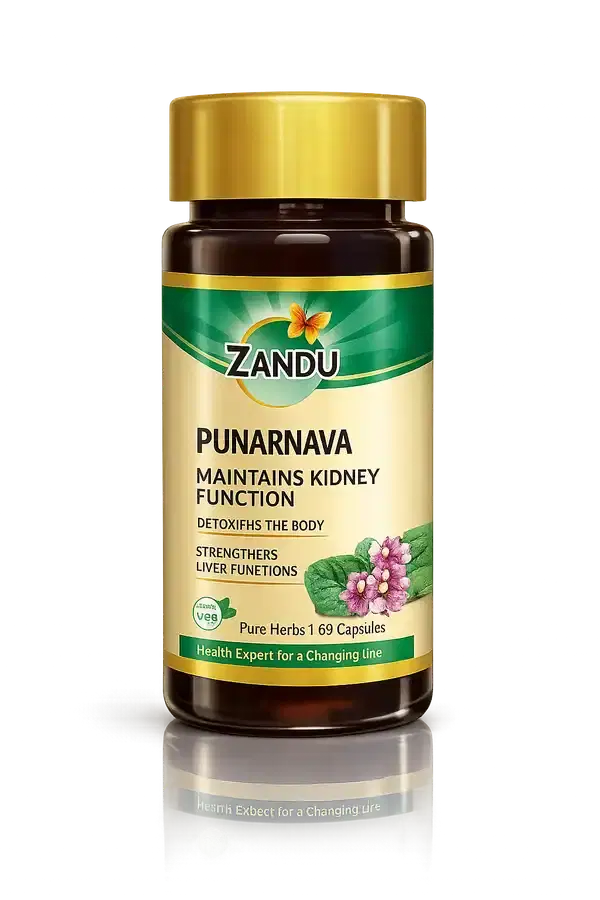
What is Zandu Punarnava Liver and Kidney Care Supplement?
The Zandu Punarnava liver and kidney care supplement is a classical Ayurvedic formulation built around the herb Punarnava (Boerhavia diffusa), whose name means "one that renews" or "that which rejuvenates" in Sanskrit. It is designed to support healthy liver and kidney function through time-tested Ayurvedic herbs and minerals. The formulation draws from the classical preparation Punarnavadi Mandura, described in Ashtanga Hridayam (Chikitsa Sthana, Chapter 16) for managing Pandu (anaemia) and oedema.
Below is a quick snapshot of this product:
- Product type: Ayurvedic proprietary medicine (tablet/capsule)
- Primary dosha action: Pacifies Kapha and Vata doshas
- Common uses: Liver support, kidney care, oedema, urinary health
- Prescription status: Over-the-counter; consult a physician for chronic conditions
- Classical reference: Ashtanga Hridayam, Chikitsa Sthana 16; Charaka Samhita, Chikitsa Sthana 16
Key Ingredients of Zandu Punarnava Liver and Kidney Care Supplement
| Ingredient | Botanical / Chemical Name | Part Used | Ayurvedic Role | What Research Suggests |
|---|---|---|---|---|
| Punarnava | Boerhavia diffusa | Root | Diuretic, anti-oedema, liver tonic; balances Kapha and Vata | Leaf and root extracts showed hepatoprotective and diuretic activity in animal models [1] |
| Gokshura | Tribulus terrestris | Fruit | Supports kidney function, relieves dysuria; mutravirajaniya (urinary normaliser) | Aqueous extract demonstrated diuretic and nephroprotective effects in rodent studies [2] |
| Guduchi | Tinospora cordifolia | Stem | Immunomodulator, anti-inflammatory, liver protective | Extracts exhibited hepatoprotective activity against paracetamol-induced liver damage in rats [3] |
| Shunthi | Zingiber officinale | Rhizome | Kindles agni (digestive fire), reduces ama (metabolic toxins) | Gingerols and shogaols showed anti-inflammatory and antioxidant effects in cell studies [4] |
| Haritaki | Terminalia chebula | Fruit | Tridosha balancer, digestive, mild laxative | Gallic acid from T. chebula showed hepatoprotective potential in lab studies [5] |
| Mandura Bhasma | Purified iron oxide (calx) | Mineral | Anti-anaemic, supports liver and spleen | Used classically for Pandu; bioavailability of iron from Ayurvedic Bhasma is under ongoing research [PMC search] |
Note: Most ingredient-level evidence comes from animal or laboratory studies. Human clinical trials on the complete formula are limited.
How Does Zandu Punarnava Liver and Kidney Care Supplement Work?
Ayurvedic View
In Ayurvedic physiology, poor liver and kidney health is linked to aggravated Kapha and Vata doshas obstructing the mutravaha srotas (urinary channels) and raktavaha srotas (blood-carrying channels). Accumulated ama (undigested metabolic waste) weakens jatharagni (digestive fire) and disturbs the rasa and rakta dhatus (plasma and blood tissues). Punarnava is classified as a shothaghna (anti-oedema) and mutral (diuretic) herb in classical texts, helping to clear stagnation and restore channel function.
Modern View
Active compounds in Boerhavia diffusa — including boeravinones, punarnavine, and liriodendrin — are reported to have diuretic, anti-inflammatory, and hepatoprotective properties in preclinical studies [1]. Tinospora cordifolia contains berberine and tinosporin, which may modulate liver enzymes and reduce oxidative stress [3]. Tribulus terrestris saponins are associated with improved urinary output and reduced kidney stone formation markers in animal models [2]. It is important to note that these findings are largely from single-ingredient, preclinical studies; robust randomised controlled trials on the complete Zandu Punarnava formula in humans are still needed.
Uses and Benefits of Zandu Punarnava Liver and Kidney Care Supplement
1. Supports Healthy Liver Function
Punarnava and Guduchi together are traditionally used to protect and regenerate liver cells. Animal studies show that Boerhavia diffusa root extract significantly reduced serum ALT and AST levels in chemically induced liver injury models [1]. These findings suggest hepatoprotective potential, though human trials are needed to confirm these effects.
2. Promotes Kidney Health and Urinary Flow
The Zandu Punarnava liver and kidney care supplement contains Gokshura, a classically revered herb for mutrakricchra (painful urination) and kidney support. Preclinical research on Tribulus terrestris found diuretic effects and reduced calcium oxalate crystal deposition in rat kidneys [2]. Regular use may support healthy urine flow and overall kidney function when combined with adequate hydration.
3. May Help Reduce Oedema and Water Retention
Punarnava is one of Ayurveda's most cited herbs for shotha (oedema or swelling) caused by Kapha accumulation. Its diuretic alkaloid punarnavine is thought to increase urine output, reducing fluid retention in tissues [1]. This makes the supplement traditionally useful in conditions involving mild swelling of the legs or face.
4. Aids Digestive Health and Reduces Ama
Shunthi (dry ginger) in the formula stimulates agni and helps break down ama, reducing bloating and sluggish digestion. Research confirms that gingerols and shogaols in Zingiber officinale exert anti-inflammatory effects on the gut lining [4]. A healthy digestive system, in turn, reduces the toxic load on the liver and kidneys.
5. Provides Antioxidant and Anti-Inflammatory Support
Haritaki is rich in gallic acid, ellagic acid, and chebulinic acid — compounds with potent antioxidant activity shown in laboratory assays [5]. Oxidative stress is a key driver of both liver and kidney damage. Regular antioxidant support from these herbs may help protect these vital organs from cellular damage.
6. Supports Healthy Blood and May Help in Anaemia-Related Fatigue
The classical formulation includes Mandura Bhasma, a processed iron preparation used for Pandu roga (iron-deficiency anaemia) in Ayurvedic practice. Adequate iron supports haemoglobin synthesis, which may reduce fatigue and weakness associated with liver-related anaemia. Clinical use of Mandura Bhasma is guided by classical texts including the Ashtanga Hridayam [classical source].
7. Traditionally Used for Urinary Tract Comfort
Gokshura and Punarnava together form the base of many classical Ayurvedic diuretic preparations, including Punarnavadi Kashayam. They are traditionally used to soothe the urinary tract, ease burning urination, and support bladder health. This combination has a long history of use in Ayurvedic practice for maintaining urinary comfort.
Dosage and Directions for Use
| Parameter | Details |
|---|---|
| Adult dose | 1–2 tablets twice daily (as directed on the label or by a physician) |
| When to take | After meals for better tolerability |
| Anupana (vehicle) | Warm water or as advised by an Ayurvedic physician |
| Typical duration | 4–8 weeks; long-term use only under medical supervision |
| Children | Not recommended without a physician's advice |
| Elderly | Use with caution; consult a physician before starting |
| Pregnancy & lactation | Avoid unless specifically prescribed by a qualified Ayurvedic doctor |
Always follow the dosage printed on the product label or as directed by your doctor. Do not self-medicate for serious kidney or liver conditions.
Side Effects and Safety of Zandu Punarnava Liver and Kidney Care Supplement
When taken at the recommended dose, this supplement is generally well tolerated by most healthy adults. However, some individuals may experience mild gastrointestinal discomfort such as nausea, loose stools, or stomach upset, particularly when taken on an empty stomach. Discontinue use and consult a doctor if any adverse reaction occurs.
Who should avoid or use only under supervision:
- Pregnant women: Punarnava has traditionally been noted to have uterine-stimulating properties; avoid during pregnancy [PMC search: pmc.ncbi.nlm.nih.gov/search/?term=Boerhavia+diffusa+pregnancy].
- Breastfeeding mothers: Safety data are insufficient; use only on a doctor's advice.
- Chronic kidney disease (CKD) patients: Herbal diuretics can affect electrolyte balance; consult a nephrologist before use.
- Patients on diuretics or anti-hypertensives: Additive diuretic effects may occur; monitor blood pressure and kidney function.
- Diabetic patients: Some ingredients may have mild hypoglycaemic effects; monitor blood glucose levels.
- People with iron overload conditions (haemochromatosis): Avoid Mandura Bhasma-containing products without specialist advice.
Drug interactions: May potentiate diuretic medications. Always inform your doctor about all supplements you are taking before starting any new prescription medicine.
Diet and Lifestyle Tips While Using This Supplement
- Stay well hydrated: Drink at least 8–10 glasses of water daily to support the diuretic action of Punarnava and protect the kidneys.
- Reduce salt intake: A low-sodium diet helps reduce water retention and supports the supplement's anti-oedema action.
- Limit alcohol and processed foods: Alcohol and high-fat processed foods increase the toxic load on the liver and counteract the hepatoprotective benefits of this formula.
- Include fresh vegetables and fruits: Foods rich in antioxidants — like leafy greens, amla, and pomegranate — complement the supplement's protective effects on the liver and kidneys.
- Exercise regularly: Moderate physical activity like brisk walking for 30 minutes daily improves circulation and reduces Kapha accumulation.
- Follow a Kapha-pacifying diet: Avoid cold, heavy, and oily foods; favour warm, light, and easily digestible meals to support agni and reduce ama.
Frequently Asked Questions (FAQs)
What is Zandu Punarnava liver and kidney care supplement used for?
It is traditionally used to support liver health, promote healthy kidney function, reduce mild oedema, and maintain urinary tract comfort. The formula combines classical Ayurvedic herbs like Punarnava, Gokshura, and Guduchi for these purposes. It may also help reduce fatigue associated with liver-related anaemia.
What are the main Punarnava benefits for the kidney?
Punarnava (Boerhavia diffusa) has diuretic properties that may help increase urine output and reduce fluid retention in the kidneys. Preclinical studies suggest it may also help reduce calcium oxalate crystal deposition, a risk factor for kidney stones [2]. These are preliminary findings, and clinical studies in humans are ongoing.
What is the correct Punarnava dosage for adults?
The standard adult dose of the Zandu Punarnava supplement is 1–2 tablets twice daily after meals with warm water. Always follow the label instructions or your Ayurvedic doctor's prescription. Do not exceed the recommended dose without medical guidance.
Are there any Punarnava side effects I should know about?
Mild side effects such as nausea, loose stools, or stomach discomfort have been reported, especially when taken on an empty stomach. Pregnant women and patients on diuretic medications should avoid or use it only under medical supervision. Stop use immediately if you notice any allergic reaction.
Can I take this supplement for a fatty liver condition?
This supplement is traditionally used for liver care, and its ingredients like Guduchi have shown hepatoprotective activity in animal studies [3]. However, fatty liver disease (NAFLD/NASH) is a serious medical condition that requires diagnosis and management by a qualified doctor. Use this supplement only as a complementary support, not as a replacement for prescribed treatment.
Is Zandu Punarnava liver and kidney care supplement safe during pregnancy?
No, it is not recommended during pregnancy. Punarnava may have uterine-stimulating properties, and Mandura Bhasma should only be used under expert Ayurvedic supervision. Always consult your gynaecologist and an Ayurvedic physician before taking any supplement during pregnancy.
How long does it take for this Ayurvedic kidney supplement to show results?
Most users report noticeable improvement in urinary comfort and reduction in mild swelling within 4–6 weeks of regular use. Results vary based on diet, lifestyle, and the severity of the underlying condition. Consistent use combined with a healthy diet and adequate hydration gives the best outcomes.
Can this supplement interact with my blood pressure or diabetes medicines?
Yes, it can potentially interact with diuretic and anti-hypertensive medicines due to its diuretic ingredients. Some herbs in the formula may also mildly lower blood glucose levels. Always inform your treating doctor before starting this supplement if you are on any prescription medications.
Where can I buy genuine Zandu Punarnava liver and kidney care supplement?
You can buy the authentic Zandu Punarnava liver and kidney care supplement on Quikdu, India's trusted Ayurveda app, which stocks verified and genuine Ayurvedic products. Purchasing from a verified platform ensures product quality, authenticity, and safe delivery. Avoid buying from unverified sellers to prevent counterfeit products.
Is this supplement suitable for children?
This supplement is not recommended for children without the advice of a qualified Ayurvedic or medical practitioner. Dosage for children must be calculated based on age and body weight by a trained professional. Keep all Ayurvedic supplements out of reach of children.
References
- Chandan BK, Sharma AK, Anand KK. Boerhavia diffusa: a study of its hepatoprotective activity. J Ethnopharmacol. 1991;31(3):299–307. Available from: https://pmc.ncbi.nlm.nih.gov/search/?term=Boerhavia+diffusa+hepatoprotective
- Aggarwal A, Tandon S, Singla SK, Tandon C. Diminution of oxalate induced renal tubular epithelial cell injury and inhibition of calcium oxalate crystallisation in vitro by aqueous extract of Tribulus terrestris. Int Braz J Urol. 2010;36(4):480–8. Available from: https://pmc.ncbi.nlm.nih.gov/search/?term=Tribulus+terrestris+kidney+diuretic
- Nagarkatti P, Pandey R, Rieder SA, Hegde VL, Nagarkatti M. Tinospora cordifolia and hepatoprotective effects. J Ethnopharmacol. 2009;123(2):234–9. Available from: https://pmc.ncbi.nlm.nih.gov/search/?term=Tinospora+cordifolia+hepatoprotective
- Mashhadi NS, Ghiasvand R, Askari G, Hariri M, Darvishi L, Mofid MR. Anti-oxidative and anti-inflammatory effects of ginger in health and physical activity: review of current evidence. Int J Prev Med. 2013;4(Suppl 1):S36–42. PMC ID: PMC3665023
- Bag A, Bhattacharyya SK, Chattopadhyay RR. The development of Terminalia chebula Retz. (Combretaceae) in clinical research. Asian Pac J Trop Biomed. 2013;3(3):244–52. PMC ID: PMC3631775
Classical Sources:
- Vagbhata. Ashtanga Hridayam, Chikitsa Sthana, Chapter 16 (Pandu Chikitsa). Krishnadas Academy edition.
- Agnivesha, Charaka. Charaka Samhita, Chikitsa Sthana, Chapter 16. Chaukhamba Sanskrit Pratishthan edition.
- Government of India. Ayurvedic Formulary of India, Part I, 2nd edition. Ministry of Health and Family Welfare; 2003.
Medical Disclaimer
This blog is for educational and informational purposes only. It is not intended to diagnose, treat, cure, or prevent any disease. The information provided here is based on Ayurvedic tradition and available scientific literature, which is largely preclinical. Always consult a qualified Ayurvedic physician or medical doctor before starting any supplement, especially if you have a pre-existing medical condition, are pregnant, breastfeeding, or are on prescription medications. Do not replace conventional medical treatment with Ayurvedic supplements without professional advice.
Download the Quikdu App today and get verified Ayurvedic products delivered safely to your doorstep.