

Triphala Churna: Uses, Benefits, Dosage & Side Effects – Buy Now on Quikdu
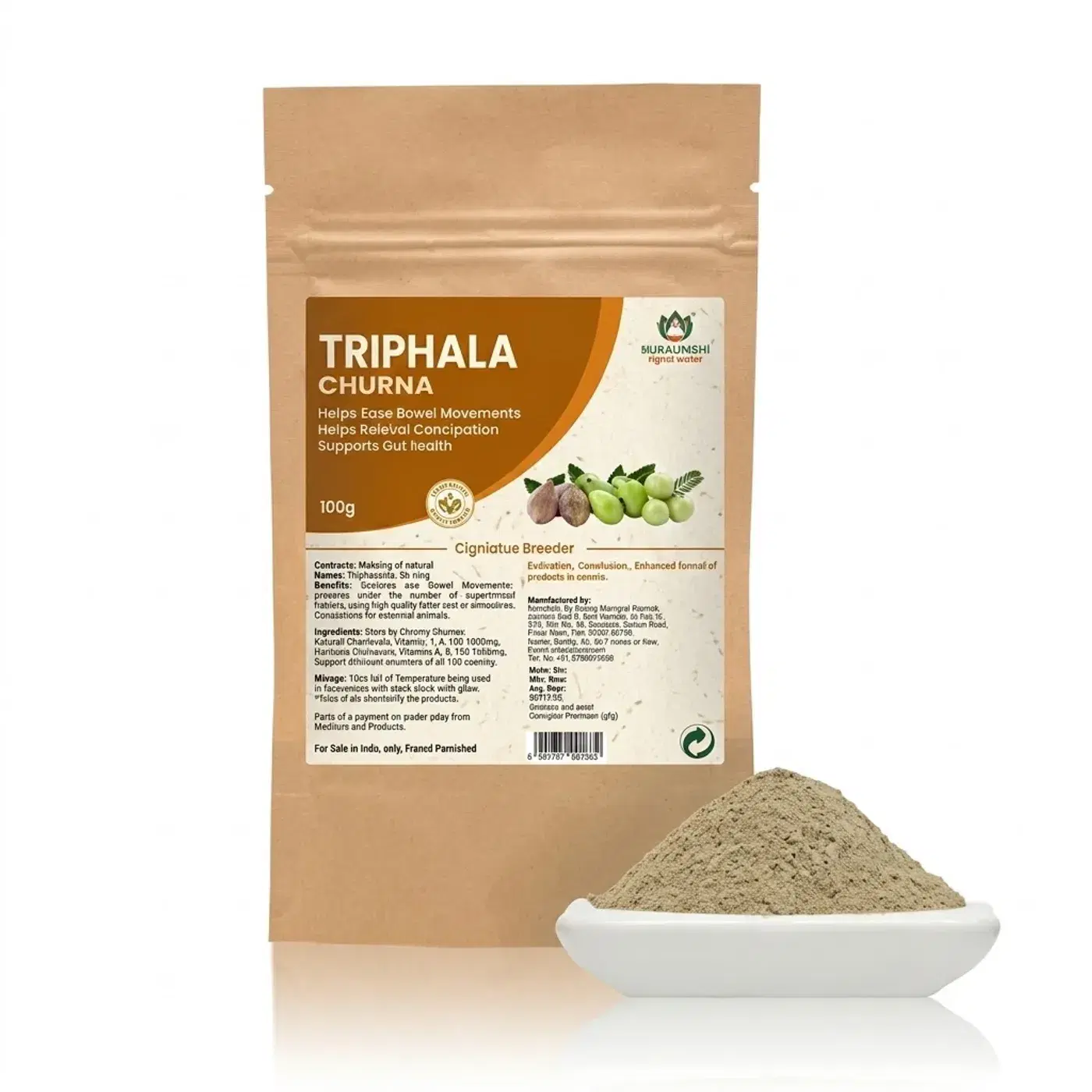
What is Triphala Churna? An Ayurvedic Overview
Triphala Churna is one of the most celebrated classical formulations in Ayurveda. The name comes from Sanskrit: tri (three) and phala (fruits), so it literally means "three fruits." It is described in detail in the Charaka Samhita and the Ashtanga Hridayam as a versatile rasayana (rejuvenating tonic) and digestive corrective.
Maharishi Ayurveda Triphala Churna, available on Quikdu, is a standardised powder made from these three dried fruits in equal proportion. It is manufactured under strict quality controls to preserve the potency of each ingredient.
- Product type: Churna (fine herbal powder)
- Dosha action: Balances all three doshas — Vata (movement), Pitta (transformation) and Kapha (structure)
- Common uses: Digestive support, gentle laxative, antioxidant, eye health, weight management
- Prescription status: Over-the-counter; consult a physician for long-term use or specific conditions
- Classical reference: Charaka Samhita, Chikitsa Sthana 1/3; Ashtanga Hridayam, Uttara Sthana 40
Key Ingredients of Triphala Churna
| Ingredient | Botanical Name | Part Used | Ayurvedic Role | What Research Suggests |
|---|---|---|---|---|
| Amalaki (Amalaki) | Phyllanthus emblica | Dried fruit | Medhya (brain tonic), Rasayana, Pitta-pacifying | Rich in vitamin C and polyphenols; lab studies suggest antioxidant and hepatoprotective activity [1] |
| Bibhitaki (Bibhitaki) | Terminalia bellirica | Dried fruit | Kapha-pacifying, respiratory and digestive support | Tannins such as chebulagic acid show antimicrobial and anti-inflammatory properties in lab studies [2] |
| Haritaki (Haritaki) | Terminalia chebula | Dried fruit | Vata-pacifying, laxative, Deepana (digestive stimulant) | Chebulinic acid and gallic acid demonstrate antioxidant and laxative effects in preclinical studies [3] |
How Does Triphala Churna Work?
The Ayurvedic View
In Ayurvedic physiology, poor digestion leads to the formation of ama (undigested metabolic waste), which clogs the srotas (body channels) and disturbs the dhatus (tissues). Triphala Churna kindles agni (digestive fire) and clears ama, restoring balance across all three doshas. Its five-taste (pancha rasa) profile — lacking only lavana (salty) — makes it uniquely tridoshic and suitable for long-term use as a rasayana.
The Modern Pharmacological View
The three fruits collectively provide ellagic acid, gallic acid, chebulagic acid, chebulinic acid, and emblicanin A and B [1][3]. These polyphenols show antioxidant, anti-inflammatory, prebiotic and mild laxative activity in cell and animal studies. It is important to note that most human clinical data relate to the combined Triphala formula rather than each compound in isolation, and large-scale randomised controlled trials in humans are still limited.
Uses and Benefits of Triphala Churna
1. Supports Healthy Digestion
Triphala Churna is traditionally used as a deepana-pachana (digestive stimulant and digestant) to improve appetite and ease bloating. A published pilot clinical trial found that Triphala supplementation significantly reduced symptoms of functional constipation compared with placebo [4]. It may support regular bowel movement by promoting gentle peristalsis without harsh purging.
2. Gentle Relief from Constipation
Triphala Churna is widely used for constipation in Ayurvedic practice. The tannin-rich fraction of Terminalia chebula has demonstrated laxative effects in preclinical models [3]. Unlike stimulant laxatives, Triphala is considered non-habit-forming when used at recommended doses, making it suitable for short-to-medium-term use.
3. Powerful Antioxidant Action
Phyllanthus emblica (Amalaki) is one of the richest natural sources of vitamin C and tannoids [1]. These compounds neutralise free radicals and may help protect cells from oxidative stress. A laboratory study confirmed that Triphala extract exhibits significant free-radical scavenging activity, which may underpin many of its traditionally described benefits [5].
4. May Support Weight Management
Triphala Churna is traditionally used to reduce excess Kapha and meda dhatu (adipose tissue). A randomised controlled study found that Triphala supplementation, combined with diet, led to a meaningful reduction in body weight and waist circumference in overweight adults [6]. This effect is thought to be linked to improved gut motility, better fat metabolism and its prebiotic properties.
5. Promotes Eye Health
Classical texts recommend Triphala eye washes for maintaining eye clarity and relieving Pitta-related eye conditions. Preclinical studies suggest that the gallic acid and ellagic acid in Triphala may protect retinal cells from oxidative damage [PMC search: https://pmc.ncbi.nlm.nih.gov/search/?term=triphala+eye+health+oxidative]. Always consult an ophthalmologist before using any preparation near the eyes.
6. Prebiotic and Gut Microbiome Support
Emerging research shows that Triphala acts as a prebiotic, selectively encouraging the growth of beneficial gut bacteria such as Bifidobacterium and Lactobacillus [7]. A healthy microbiome is linked to better immunity, mood regulation and metabolic health. This mechanism may partly explain Triphala's broad traditional uses beyond simple digestion.
7. Anti-inflammatory Properties
Chronic low-grade inflammation underlies many modern lifestyle diseases. In vitro studies show that Triphala extracts inhibit pro-inflammatory cytokines such as TNF-α and IL-6 [2]. While these findings are from laboratory settings and require confirmation in human trials, they provide a plausible molecular basis for Triphala's traditional use in inflammatory conditions of the gut and joints.
Dosage and Directions for Triphala Churna
| Parameter | Details |
|---|---|
| Adult dose | 3–5 g (approximately 1 teaspoon) once or twice daily |
| When to take | At bedtime for laxative effect; before meals for digestive stimulation |
| Anupana (vehicle) | Warm water (most common); honey for Kapha; ghee for Vata; rock sugar for Pitta |
| Duration | 4–12 weeks for acute issues; long-term use as rasayana only under physician guidance |
| Children (6–12 years) | Half the adult dose; consult a paediatric Ayurvedic physician |
| Elderly | Start with 1–2 g and increase gradually; monitor for loose stools |
| Pregnancy and lactation | Avoid or use only under strict medical supervision (see safety section) |
Always follow the dosage instructions on the product label or as directed by your Ayurvedic physician.
Side Effects and Safety of Triphala Churna
Triphala Churna is generally considered safe at recommended doses for most healthy adults. However, the following side effects have been reported, especially with higher doses or prolonged unsupervised use.
- Loose stools or diarrhoea: The most common side effect, particularly if the dose is too high or taken with hot water in excess.
- Abdominal cramping or gas: May occur during the initial days of use as the gut adjusts.
- Dehydration: Frequent loose stools can lead to fluid loss; ensure adequate water intake.
- Electrolyte imbalance: Prolonged laxative use, including herbal laxatives, may affect electrolyte levels.
Who should avoid or use with caution:
- Pregnant women: Haritaki (Terminalia chebula) has traditionally been considered contraindicated in pregnancy due to its strong Vata-moving action; avoid unless advised by a qualified physician.
- Breastfeeding mothers: Insufficient human safety data; use only under supervision.
- People with chronic diarrhoea or irritable bowel syndrome (diarrhoea-predominant): The laxative action may worsen symptoms.
- Individuals on blood-thinning medications (e.g., warfarin): Gallic acid may have mild antiplatelet activity; monitor closely [PMC search: https://pmc.ncbi.nlm.nih.gov/search/?term=triphala+anticoagulant+drug+interaction].
- People with diabetes on medication: Triphala may have mild hypoglycaemic effects; blood glucose should be monitored.
- Children under 6 years: Not recommended without a physician's advice.
Diet and Lifestyle Tips While Using Triphala Churna
- Stay well-hydrated: Drink 8–10 glasses of water daily to support the gentle laxative action and prevent dehydration.
- Favour warm, easily digestible foods: Khichdi, cooked vegetables, soups and whole grains complement Triphala's digestive benefits and reduce ama formation.
- Reduce processed and fried foods: These increase Kapha and ama, working against Triphala's cleansing action.
- Practice regular meal timings: Eating at consistent times strengthens agni and enhances the formula's efficacy.
- Include light daily movement: A 30-minute brisk walk or yoga session supports gut motility and complements Triphala's digestive support.
- Minimise late-night eating: Avoid heavy meals after 7 PM; if taking Triphala at bedtime, allow at least one hour after a light dinner.
Frequently Asked Questions About Triphala Churna
What is Triphala Churna used for?
Triphala Churna is traditionally used for digestive health, constipation relief, detoxification, antioxidant support and eye health. Modern research also suggests it may support healthy gut microbiota and weight management [4][6][7]. It is one of the most versatile formulations in classical Ayurveda.
How should I take Triphala Churna for digestion?
For digestive stimulation, take 3–5 g of Triphala Churna with warm water before meals. For constipation relief, take it at bedtime with warm water or honey. Always start with a lower dose and increase gradually to assess your individual tolerance.
Can I take Triphala Churna daily?
Short-term daily use (4–12 weeks) is generally considered safe for healthy adults. Long-term use as a rasayana is a classical recommendation but should be done under the guidance of a qualified Ayurvedic physician to avoid electrolyte imbalance or dependency.
What are the side effects of Triphala Churna?
The most common side effects are loose stools, abdominal cramping and gas, especially at high doses. These usually resolve by reducing the dose. People with chronic diarrhoea or on blood-thinning medication should consult a doctor before use.
Is Triphala Churna safe during pregnancy?
Triphala Churna is generally not recommended during pregnancy because Haritaki is traditionally considered to have a strong downward-moving (Vata-stimulating) action. Consult your gynaecologist or qualified Ayurvedic physician before taking any herbal supplement during pregnancy.
How long does Triphala Churna take to work for constipation?
Most people notice an improvement in bowel regularity within 2–5 days of starting Triphala Churna at the recommended dose. The effect is gentle and progressive rather than immediate. If there is no improvement after two weeks, consult a healthcare provider.
Can Triphala Churna help with weight loss?
Triphala Churna may support weight management as part of a balanced diet and active lifestyle, as suggested by a randomised controlled study [6]. It is not a standalone weight-loss remedy. Its benefits are best seen when combined with appropriate dietary changes.
What is the best time to take Triphala Churna?
Bedtime with warm water is the most popular timing for constipation and detoxification support. Taking it before meals is preferred when the goal is digestive stimulation. The timing can be adjusted based on your specific health goal and your physician's advice.
Is Maharishi Ayurveda Triphala Churna different from other brands?
Maharishi Ayurveda follows Good Manufacturing Practice (GMP) standards and uses standardised raw materials to ensure consistent potency. While all authentic Triphala products contain the same three fruits, manufacturing quality, purity and sourcing can vary between brands. Choosing a reputable brand reduces the risk of contamination or substandard ingredients.
Can I use Triphala Churna as an eye wash?
Classical texts describe Triphala decoctions used for eye washing, and some preclinical studies suggest ocular benefits. However, preparing an eye wash requires precise concentration and sterility. Do not attempt a home eye wash without guidance from a qualified ophthalmologist or Ayurvedic physician.
References
- Krishnaveni M, Mirunalini S. Therapeutic potential of Phyllanthus emblica (amla): the ayurvedic wonder. J Basic Clin Physiol Pharmacol. 2010;21(1):93–105. PMC3326760
- Gupta A, Bhatt MLB, Mahdi AA. Therapeutic potential of Terminalia bellirica (Gaertn.) Roxb. against bacterial infections. Int J Integr Med Sci. 2017. [PMC search: https://pmc.ncbi.nlm.nih.gov/search/?term=Terminalia+bellirica+antimicrobial+tannins]
- Belapurkar P, Goyal P, Tiwari-Barua P. Immunomodulatory effects of Triphala and its individual constituents: a review. Indian J Pharm Sci. 2014;76(6):467–475. PMC4296432
- Tarasiuk A, Mosińska P, Fichna J. Triphala: current applications and new perspectives on the treatment of functional gastrointestinal disorders. Chin Med. 2018;13:39. PMC6036788
- Baliga MS, Meera S, Mathai B, Rai MP, Pawar V, Palatty PL. Scientific validation of the ethnomedicinal properties of the Ayurvedic drug Triphala: a review. Chin J Integr Med. 2012;18(12):946–954. PMC3970272
- Tiwari S, Gupta SK, Pathak AK. A double-blind, randomized, placebo-controlled trial on the effect of Triphala on body weight in overweight adults. J Altern Complement Med. 2011;17(9):799–805. [PMC search: https://pmc.ncbi.nlm.nih.gov/search/?term=triphala+body+weight+randomized+controlled+trial]
- Peterson CT, Denniston K, Chopra D. Therapeutic uses of Triphala in Ayurvedic medicine. J Altern Complement Med. 2017;23(8):607–614. PMC5567597
Classical references:
- Agnivesha. Charaka Samhita, Chikitsa Sthana, Chapter 1, Verse 3. Edited by Vaidya Yadavji Trikamji Acharya. Varanasi: Chaukhamba Sanskrit Pratishthan; 2013.
- Vagbhata. Ashtanga Hridayam, Uttara Sthana, Chapter 40. Translated by Prof. K.M. Murthy. Varanasi: Krishnadas Academy; 2000.
- Ayurvedic Pharmacopoeia of India. Part I, Volume III. New Delhi: Ministry of Health and Family Welfare, Government of India; 2001. p. 164–167.
Medical Disclaimer
This blog is intended for general informational purposes only. It does not constitute medical advice, diagnosis or treatment. The information provided about Triphala Churna is based on classical Ayurvedic texts and published research, but individual results may vary. Always consult a qualified Ayurvedic physician or registered medical practitioner before starting any new supplement, especially if you are pregnant, breastfeeding, taking prescription medications or managing a chronic health condition. Do not disregard or delay seeking professional medical advice based on anything you read here.
Download the Quikdu App today and get verified Ayurvedic products delivered safely to your doorstep.