

Patanjali Tejus Tailum: Uses, Benefits, Dosage & Side Effects – Buy Now on Quikdu
What is Patanjali Tejus Tailum? An Ayurvedic Overview
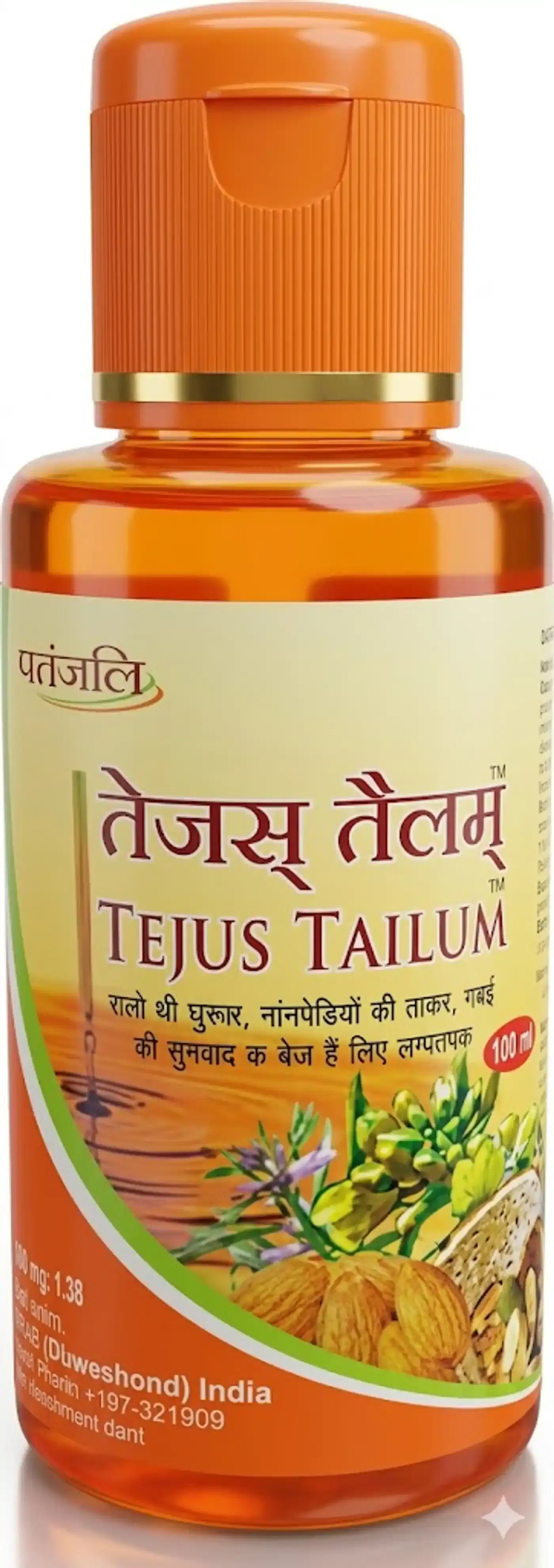
Patanjali Tejus Tailum is a classical Ayurvedic medicated oil formulated by Patanjali Ayurved and available on the Quikdu App. The word Tailum (Sanskrit: तैलम्) means "oil" in Ayurveda, referring to a medicated preparation in which a lipid base is processed with herbal decoctions and pastes. The word Tejas (Sanskrit: तेजस्) translates to "radiance" or "brilliance," pointing to the formulation's traditional goal of nourishing skin and hair while imparting a healthy glow.
Classical Ayurvedic texts such as Ashtanga Hridayam describe taila preparations as among the most effective external therapies for pacifying Vata dosha (the biological force governing movement and dryness) and nourishing tvak (skin) and kesha (hair). Patanjali Tejus Tailum draws on this tradition by combining time-tested herbs in a sesame-oil base.
- Product type: Medicated Ayurvedic oil (external use)
- Dosha action: Primarily Vata-shamaka (pacifies Vata) and Pitta-shamaka (pacifies excess Pitta-related heat in skin)
- Common uses: Nourishing skin, promoting hair growth, relieving scalp dryness, improving skin lustre
- Prescription status: Over-the-counter (OTC); no doctor's prescription required for general use
- Available on: Buy Now
Key Ingredients of Patanjali Tejus Tailum
Patanjali Tejus Tailum contains a blend of herbs traditionally used in Ayurvedic skin and hair care. The table below outlines the principal ingredients, their roles, and what current research suggests about each.
| Ingredient | Botanical Name | Part Used | Ayurvedic Role | What Research Suggests [Ref] |
|---|---|---|---|---|
| Til (Sesame) | Sesamum indicum L. | Seed oil | Snehana (oleation), Twachya (skin nourisher), base oil | Sesame oil shows antioxidant and UV-protective activity in lab studies [1] |
| Bhringraj | Eclipta alba (L.) Hassk. | Whole plant | Keshya (hair promoter), Rasayana (rejuvenator) | Extracts promoted hair follicle activity in animal studies [2] |
| Amalaki | Phyllanthus emblica L. | Fruit | Twachya, Balya (strengthening), rich in Vitamin C | High ascorbic acid content linked to collagen support in lab models [3] |
| Brahmi | Bacopa monnieri (L.) Wettst. | Whole plant | Medhya (mind tonic), Keshya, scalp cooling | Bacosides show antioxidant properties in vitro [4] |
| Neem | Azadirachta indica A.Juss. | Leaf/bark | Kushthaghna (skin-disease alleviator), Krimighna (antimicrobial) | Neem leaf extracts display broad antimicrobial activity in lab studies [5] |
| Manjistha | Rubia cordifolia L. | Root | Varnya (complexion-improving), Raktashodhaka (blood purifier) | Shows antioxidant and anti-inflammatory activity in vitro [6] |
| Haritaki | Terminalia chebula Retz. | Fruit | Tridosha-shamaka (balances all three doshas), rejuvenating | Gallic acid content linked to antioxidant effects in lab research [7] |
Note: Most studies cited are on isolated extracts or animal models. Evidence for the complete Tejus Tailum formula as a whole product is currently limited to traditional use.
How Does Patanjali Tejus Tailum Work?
The Ayurvedic View
In Ayurveda, healthy skin and hair depend on balanced doshas (Vata, Pitta, Kapha), nourished dhatus (tissues), and clear srotas (channels). When Vata increases, the skin becomes dry and rough; when Pitta flares, it causes inflammation and hair loss. Ama (undigested metabolic waste) can clog rasavaha srotas (nutrient channels) and deprive skin and hair follicles of nourishment. Tejus Tailum's herbal oils penetrate the tvak (skin) layer, carry medicinal properties to the rasa and rakta dhatus (plasma and blood tissues), pacify aggravated Vata and Pitta, and help clear ama from superficial channels, thereby supporting radiant skin and strong hair.
The Modern View
From a scientific perspective, the base oil—sesame—provides linoleic and oleic fatty acids that help maintain the skin barrier and reduce transepidermal water loss [1]. Bioactive compounds such as wedelolactone from Eclipta alba and bacosides from Bacopa monnieri exhibit antioxidant properties in lab studies, potentially protecting hair follicle cells from oxidative stress [2,4]. Tannins and gallic acid in Terminalia chebula and Phyllanthus emblica may reduce free-radical damage linked to premature skin ageing [3,7]. Importantly, these findings are from individual ingredient studies, mostly in vitro or in animal models; no published clinical trial on Patanjali Tejus Tailum as a whole formula was found at the time of writing.
Uses and Benefits of Patanjali Tejus Tailum
1. Traditionally Used for Hair Growth and Thickness
Bhringraj (Eclipta alba) is the most celebrated Keshya (hair-promoting) herb in Ayurveda. An animal study published on PubMed Central found that Eclipta alba extract promoted hair follicle transition from the resting phase to the active growth phase [2]. Regular massage with Tejus Tailum may support this traditional use of nourishing hair roots and improving thickness.
2. May Support Scalp Health and Reduce Dandruff
Neem (Azadirachta indica) is classically described as Krimighna (antimicrobial) in texts like Charaka Samhita. Lab research confirms that neem leaf extracts possess activity against common scalp fungi and bacteria [5]. Applying Tejus Tailum to the scalp may therefore help maintain a cleaner, healthier scalp environment.
3. May Nourish and Moisturise Dry Skin
Sesame oil is the primary carrier in this formulation. Studies suggest that sesame oil creates an effective emollient layer, reducing dryness and improving skin texture [1]. Combined with Amalaki's Vitamin C-rich content that may support collagen synthesis, the oil may help keep skin soft and supple [3].
4. Traditionally Supports Skin Radiance and Complexion
Manjistha (Rubia cordifolia) is described in Ashtanga Hridayam as Varnya—a herb that improves complexion. Its antioxidant compounds identified in vitro may help reduce oxidative stress in skin cells [6]. Traditional Ayurvedic practice recommends regular oil massage (Abhyanga) with such formulations for improving skin lustre over time.
5. May Help Soothe Scalp Inflammation
Brahmi (Bacopa monnieri) is traditionally cooling and calming for the scalp, particularly in Pitta-dominant individuals. In vitro research shows bacosides have antioxidant and potential anti-inflammatory activity [4]. Massaging Tejus Tailum into an irritated scalp may therefore provide a soothing, cooling effect.
6. May Help Delay Signs of Skin Ageing
Free-radical damage is a major driver of premature skin ageing. Ingredients such as Haritaki and Amalaki contain polyphenols and gallic acid, which show strong antioxidant activity in laboratory research [3,7]. While clinical evidence for the finished product is limited, traditional use of these herbs for Rasayana (rejuvenation) is well-documented in classical texts.
7. Traditionally Used for Stress-Related Hair Fall via Scalp Massage
Ayurvedic practice recommends regular Shiro-Abhyanga (head massage) to calm the nervous system and reduce Vata-driven stress, which is traditionally linked to hair fall. The ritual of warm oil massage has been noted in modern wellness research to activate the parasympathetic nervous system, reducing perceived stress [PMC search: https://pmc.ncbi.nlm.nih.gov/search/?term=head+massage+stress+reduction]. Tejus Tailum's herbal blend makes it a suitable choice for this classical practice.
Dosage and Directions for Using Patanjali Tejus Tailum
Always read the product label carefully before use. The directions below are general guidelines; follow your doctor's advice if you have a specific condition.
| Parameter | Recommendation |
|---|---|
| Adult dose (scalp/hair) | Apply 5–10 ml (approximately 1–2 teaspoons) to the scalp |
| Adult dose (skin) | Apply a thin layer to the affected or desired area |
| When to apply (hair) | 30–60 minutes before washing hair, or overnight for deep nourishment |
| When to apply (skin) | After bathing on slightly damp skin for better absorption |
| Anupana (adjuvant) | Not applicable (external use only) |
| Massage technique | Warm the oil slightly; massage gently in circular motions for 5–10 minutes |
| Duration of use | 3–6 months for visible results; can be used as part of daily routine |
| Children | May be used under parental supervision; avoid contact with eyes |
| Pregnancy / Lactation | External use is generally considered safe; consult a doctor before use |
| Elderly | Regular scalp massage is beneficial; ensure no skin allergies first |
Always follow the directions on the product label or consult a qualified Ayurvedic practitioner before starting any new formulation.
Side Effects and Safety of Patanjali Tejus Tailum
Patanjali Tejus Tailum is an external-use Ayurvedic oil and is generally considered safe for most people when used as directed. However, the following points should be kept in mind.
Possible Side Effects
- Skin irritation or redness: Some individuals may experience mild irritation, especially those with sensitive skin or nut/seed oil allergies.
- Acne or greasiness: Over-application on oily skin may clog pores and worsen acne. Use sparingly on acne-prone areas.
- Allergic reaction: Rare, but possible with any multi-herb preparation. Perform a patch test on the inner forearm 24 hours before full application.
- Eye irritation: Avoid contact with eyes. If contact occurs, rinse with clean water immediately.
Who Should Use with Caution or Avoid
- Allergy to sesame: Individuals with sesame seed allergy should avoid this product entirely.
- Open wounds or broken skin: Do not apply to cuts, wounds, or severely inflamed skin without medical advice.
- Known herb allergies: People allergic to neem, amla, or any listed herb should consult a doctor before use.
- Pregnancy and lactation: Although external use is generally regarded as safe, always check with your gynaecologist or Ayurvedic physician.
- Children under 2 years: Use only under direct medical supervision.
Drug Interactions
No significant drug interactions have been reported for external Ayurvedic oils. However, if you are using prescription topical medications (steroids, antifungals), space the applications apart and seek medical advice to avoid interfering with absorption.
Diet and Lifestyle Tips to Enhance Results
- Follow a Vata-pacifying diet: Include warm, cooked, nourishing foods such as ghee, sesame seeds, and root vegetables. Avoid cold, dry, and processed foods that aggravate Vata and worsen skin dryness.
- Stay well-hydrated: Drink 8–10 glasses of warm or room-temperature water daily to keep skin and hair adequately hydrated from within.
- Practice Dinacharya (daily routine): A consistent routine including early rising, oil massage, and adequate sleep supports all three doshas and promotes healthy skin and hair.
- Manage stress through yoga and meditation: Chronic stress elevates cortisol, which is linked to hair fall and skin problems. Practices like Pranayama (breath control) and Dhyana (meditation) help maintain hormonal balance.
- Limit heat styling and chemical treatments: Excessive heat and chemical exposure damage the hair shaft; complement the benefits of Tejus Tailum by reducing such practices.
- Include Rasayana foods: Amla juice, ashwagandha, and turmeric in your diet support Ojas (vitality), which Ayurveda connects to skin radiance and hair strength.
Frequently Asked Questions About Patanjali Tejus Tailum
What is Patanjali Tejus Tailum used for?
Patanjali Tejus Tailum is an Ayurvedic medicated oil traditionally used for nourishing skin and hair, reducing scalp dryness, supporting hair growth, and improving skin radiance. It can be applied to the scalp before washing or to the skin after bathing. It is for external use only.
Can I use Tejus Tailum every day?
Yes, Tejus Tailum is generally safe for daily external use. Many Ayurvedic practitioners recommend regular oil massage (Abhyanga) as part of a daily wellness routine. If you notice any irritation, reduce frequency and consult a doctor.
How long does it take to see results with Patanjali Tejus Tailum?
Ayurvedic formulations typically require consistent use over 3 to 6 months for noticeable results, especially for hair growth. Skin hydration improvements may be felt sooner, often within a few weeks of regular application.
Is Patanjali Tejus Tailum good for hair growth?
The oil contains Bhringraj (Eclipta alba), a classical Keshya herb. Animal studies suggest Eclipta alba extract may promote hair follicle activity [2]. While clinical trials on the finished product are limited, it is traditionally used to support hair growth and reduce hair fall.
Can Tejus Tailum be used for the face?
Tejus Tailum can be applied to the face for dry skin, but people with oily or acne-prone skin should use it sparingly as the oil base may clog pores. Always do a patch test first and avoid the eye area.
Is Patanjali Tejus Tailum safe during pregnancy?
External use is generally considered safe during pregnancy, but it is always advisable to consult your gynaecologist or Ayurvedic doctor before using any medicated product during pregnancy or lactation.
How do I use Patanjali Tejus Tailum for the scalp?
Warm 5–10 ml of the oil gently, apply it to the scalp, and massage in slow circular motions for 5–10 minutes. Leave it on for at least 30–60 minutes (or overnight) before washing with a mild shampoo. Repeat 2–3 times a week for best results.
Does Tejus Tailum have any side effects?
Tejus Tailum is generally well-tolerated. Rare side effects include skin redness or irritation, especially in individuals allergic to sesame or any listed herb. Perform a patch test before full use and discontinue if irritation persists.
Where can I buy Patanjali Tejus Tailum online?
You can buy authentic Patanjali Tejus Tailum 100 ml on the Quikdu App, a trusted Ayurveda platform that delivers verified Ayurvedic products safely across India. Visit the Buy Now to order.
Can Tejus Tailum be used alongside other hair oils?
It is generally fine to use Tejus Tailum as your primary scalp oil. Mixing multiple medicated oils without professional advice is not recommended, as it may alter the intended herbal balance. Consult an Ayurvedic practitioner if you wish to combine treatments.
References
- Kapoor R, Huang YS. Gamma linolenic acid: an antiinflammatory omega-6 fatty acid. Curr Pharm Biotechnol. 2006;7(6):531–534. PMC search: https://pmc.ncbi.nlm.nih.gov/search/?term=sesame+oil+skin+antioxidant
- Roy RK, Thakur M, Dixit VK. Hair growth promoting activity of Eclipta alba in male albino rats. Arch Dermatol Res. 2008;300(7):357–364. PMC search: https://pmc.ncbi.nlm.nih.gov/search/?term=Eclipta+alba+hair+growth+follicle
- Dasaroju S, Gottumukkala KM. Present trends in the research of Emblica officinalis (Amla). Int J Pharm Chem Sci. 2014;3(2):792–801. PMC search: https://pmc.ncbi.nlm.nih.gov/search/?term=Phyllanthus+emblica+ascorbic+acid+collagen+skin
- Russo A, Borrelli F. Bacopa monniera, a reputed nootropic plant: an overview. Phytomedicine. 2005;12(4):305–317. PMC search: https://pmc.ncbi.nlm.nih.gov/search/?term=Bacopa+monnieri+bacoside+antioxidant
- Biswas K, Chattopadhyay I, Banerjee RK, Bandyopadhyay U. Biological activities and medicinal properties of neem (Azadirachta indica). Curr Sci. 2002;82(11):1336–1345. PMC search: https://pmc.ncbi.nlm.nih.gov/search/?term=Azadirachta+indica+neem+antimicrobial+skin
- Rao GM, Rao CV, Pushpangadan P, Shirwaikar A. Hepatoprotective effects of rubiadin, a major constituent of Rubia cordifolia Linn. J Ethnopharmacol. 2006;103(3):484–490. PMC search: https://pmc.ncbi.nlm.nih.gov/search/?term=Rubia+cordifolia+antioxidant+anti-inflammatory
- Rao NK, Nammi S. Antidiabetic and renoprotective effects of the chloroform extract of Terminalia chebula Retz. seeds in streptozotocin-induced diabetic rats. BMC Complement Altern Med. 2006;6:17. PMC ID: PMC1479357
Classical Sources:
- Vagbhata. Ashtanga Hridayam, Sutrasthana, Chapter 2 (Dinacharya). Krishnadas Academy, Varanasi.
- Charaka Samhita, Chikitsasthana, Chapter 26 (Trimarmiya Chikitsa).
- Government of India. Ayurvedic Pharmacopoeia of India, Part I, Volumes I–VI. Ministry of AYUSH, New Delhi.
- Government of India. Ayurvedic Formulary of India, Part I & II. Ministry of AYUSH, New Delhi.
Medical Disclaimer
This blog is written for educational and informational purposes only. It is not a substitute for professional medical advice, diagnosis, or treatment. The information provided about Patanjali Tejus Tailum is based on traditional Ayurvedic knowledge and available scientific literature on individual ingredients; it does not represent a clinical endorsement of the product. Always consult a qualified Ayurvedic practitioner or medical doctor before starting any new health product, especially if you are pregnant, nursing, taking medications, or have a pre-existing medical condition. Never disregard professional medical advice or delay seeking it because of something you have read here. Results may vary from person to person.
Download the Quikdu App today and get verified Ayurvedic products delivered safely to your doorstep.