

Patanjali Saundarya Face Wash: Ayurvedic Benefits, Ingredients & How to Use It – Shop Now on Quikdu
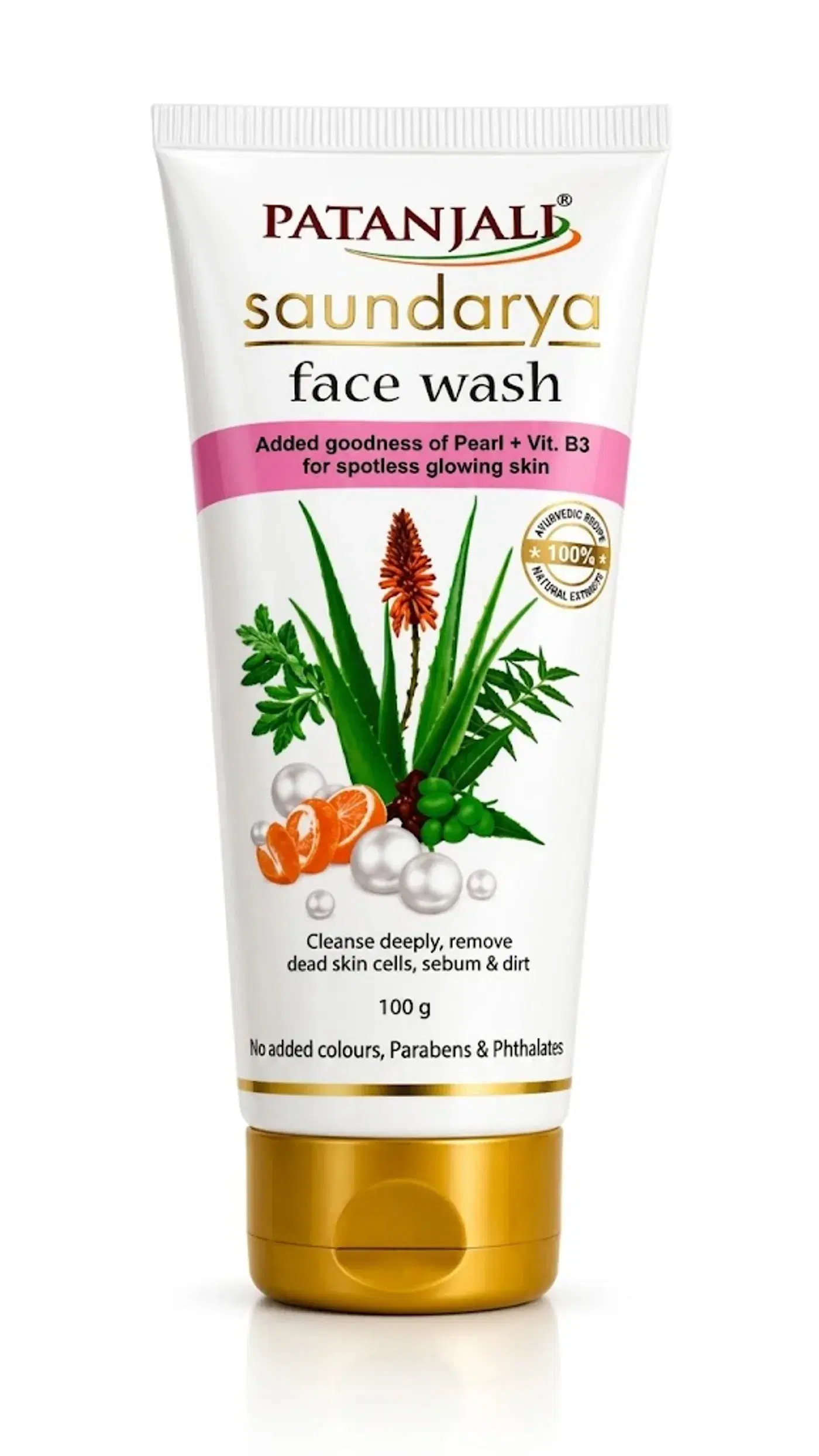
What is Patanjali Saundarya Face Wash? An Ayurvedic Overview
Patanjali Saundarya Face Wash is an Ayurvedic herbal face cleanser formulated by Patanjali Ayurved Limited, one of India's most recognised Ayurvedic brands. The word Saundarya (Sanskrit: सौंदर्य) means beauty or radiance, reflecting the product's goal of cleansing and brightening the skin using time-tested botanical ingredients. It draws on principles first recorded in classical texts such as the Ashtanga Hridayam and the Charaka Samhita, which describe herbal preparations for twak prasadana (skin purification and radiance).
The formulation combines plant-based actives that Ayurveda classifies as varnya (complexion-enhancing), kandughna (anti-itch), and shothahara (anti-inflammatory). It is designed for everyday external use and is available over the counter without a prescription.
- Product type: Herbal face wash (topical cleanser)
- Dosha action: Primarily pacifies Pitta (heat, inflammation) and Kapha (excess sebum, congestion)
- Common uses: Daily facial cleansing, managing acne-prone skin, brightening dull skin, reducing excess oil
- Prescription status: Over-the-counter (OTC); no prescription required
- Suitable for: Normal, oily, combination, and acne-prone skin types
Key Ingredients of Patanjali Saundarya Face Wash
The face wash blends several classical Ayurvedic herbs known for their skin-supporting properties. The table below summarises each ingredient, its Ayurvedic role, and what current research suggests.
| Ingredient | Botanical Name | Part Used | Ayurvedic Role | What Research Suggests [Ref] |
|---|---|---|---|---|
| Haldi (Turmeric) | Curcuma longa | Rhizome | Varnya (brightening), anti-inflammatory, antioxidant | Curcumin, the active polyphenol, shows antimicrobial and anti-inflammatory activity in lab models; may reduce UV-induced skin damage [1] |
| Neem | Azadirachta indica | Leaf/bark extract | Kandughna (anti-itch), kushtaghna (skin disease-relieving), antibacterial | Neem leaf extracts demonstrate significant antibacterial activity against acne-causing Cutibacterium acnes in lab studies [2] |
| Chandan (Sandalwood) | Santalum album | Heartwood/oil | Sheetala (cooling), twak prasadana (skin-soothing), reduces Pitta | Alpha-santalol, the primary active compound, shows anti-inflammatory and skin-soothing properties in laboratory studies [3] |
| Aloe Vera | Aloe barbadensis | Leaf gel | Snigdha (moisturising), wound-healing, cooling | Clinical reviews report aloe vera gel improves skin hydration and supports barrier repair; evidence from human studies is encouraging [4] |
| Haridra (Indian Saffron / Turmeric variant) | Curcuma longa | Rhizome powder | Twakdoshahara (skin blemish-reducing), antiseptic | See turmeric entry above [1] |
| Rose (Gulab) | Rosa damascena | Petal extract | Varnya, astringent, tones pores, cools Pitta | Rose extract shows antioxidant and mild antimicrobial activity in vitro; human skin studies are limited [PMC search] |
Note: "PMC search" entries indicate that a specific PMC-indexed clinical trial on this exact ingredient-skin combination was not confirmed at the time of writing. The linked search will show the latest available evidence.
How Does Patanjali Saundarya Face Wash Work?
The Ayurvedic View
In Ayurveda, healthy skin (twak) depends on balanced Pitta dosha, strong rasa and rakta dhatu (plasma and blood tissues), and clear rasavaha srotas (channels that nourish the skin). When Pitta and Kapha are aggravated, ama (metabolic toxins) accumulate in the skin channels, causing acne, dullness, and excess oiliness. The herbs in this face wash act as lepa (topical application) to cleanse these channels, reduce local ama, and restore agni (metabolic fire) at the tissue level, promoting a clear and radiant complexion.
The Modern Scientific View
From a modern perspective, the key active compounds include curcumin (from turmeric), nimbin and azadirachtin (from neem), alpha-santalol (from sandalwood), and polysaccharides (from aloe vera). These compounds collectively offer antimicrobial, anti-inflammatory, and antioxidant mechanisms that may help reduce acne-causing bacteria, calm skin redness, and protect skin cells from oxidative stress [1][2][3][4]. It is important to note that most available evidence comes from studies on individual plant extracts, often in lab or animal models; clinical trials on this specific face wash formulation as a whole are not yet published in indexed literature.
Uses and Benefits of Patanjali Saundarya Face Wash
1. Supports Deep Cleansing of the Skin
The combination of neem and aloe vera helps remove dirt, excess sebum, and environmental pollutants from the skin surface. Neem's antibacterial properties may prevent the build-up of acne-causing bacteria in pores [2]. Regular cleansing with this formulation is traditionally used to keep the skin clear and refreshed.
2. May Help Manage Acne and Pimples
Patanjali Saundarya Face Wash is one of the popular choices as an Ayurvedic face wash for acne. Neem leaf extracts have demonstrated activity against Cutibacterium acnes (formerly Propionibacterium acnes) in laboratory research [2]. Turmeric's curcumin may further reduce the inflammation associated with active breakouts [1].
3. Promotes a Brighter, More Radiant Complexion
Turmeric and sandalwood are classical varnya herbs, traditionally used for centuries to enhance skin brightness. Curcumin has been studied for its ability to inhibit melanin synthesis enzymes in lab models, which may contribute to an even skin tone [1]. Consistent use is traditionally linked to a naturally glowing appearance.
4. Soothes Irritated and Inflamed Skin
Sandalwood's alpha-santalol and aloe vera's polysaccharides both show anti-inflammatory properties in laboratory studies [3][4]. Aloe vera has been reviewed for its ability to reduce skin redness and support the skin's natural barrier function [4]. This makes the face wash suitable for those with mildly sensitive or Pitta-dominant skin types.
5. Helps Control Excess Oil and Sebum
Neem and rose extract have traditionally been used as natural astringents to tighten pores and reduce excess oiliness. Kapha-aggravated skin tends to produce more sebum, and the Kapha-pacifying herbs in this formulation may help regulate this [2]. People with combination or oily skin types may find this benefit particularly useful.
6. Provides Gentle Moisturisation Without Stripping the Skin
Aloe vera gel is well-documented for its skin-hydrating properties, with clinical evidence supporting its role in improving skin moisture content [4]. Unlike harsh synthetic surfactants, the herbal base of this face wash aims to cleanse gently without disrupting the skin's natural moisture barrier. This supports the Ayurvedic principle of snehana (nourishing the skin even while cleansing).
7. Acts as a Natural Antioxidant Shield
Curcumin and rose extract are rich sources of polyphenolic antioxidants that may help neutralise free radicals generated by UV exposure and pollution [1]. Oxidative stress is a key driver of premature skin ageing, and regular use of antioxidant-rich cleansers is increasingly recognised in dermatological research. This positions Patanjali Saundarya Face Wash as a supportive option for daily skin protection alongside sunscreen.
Dosage and Directions for Patanjali Saundarya Face Wash
| Parameter | Guidance |
|---|---|
| Amount per use | A small coin-sized amount (approximately 2–3 ml) is sufficient for one wash |
| Frequency | Twice daily — once in the morning and once at night before bed |
| How to use | Wet the face with water; apply the face wash; massage gently in circular motions for 30–60 seconds; rinse thoroughly with clean water |
| Water temperature | Lukewarm or cool water; avoid very hot water as it can strip natural oils |
| Duration of use | Can be used as part of a daily routine; results for acne and brightening are traditionally observed within 4–8 weeks of consistent use |
| Children (under 12) | Consult a paediatrician or Ayurvedic practitioner before use |
| Pregnancy and breastfeeding | Topical use is generally considered low-risk, but consult your doctor before use |
| Special skin conditions | Those with eczema, psoriasis, or open wounds should consult a dermatologist first |
Always follow the directions on the product label or as advised by your healthcare provider.
Side Effects and Safety of Patanjali Saundarya Face Wash
Patanjali Saundarya Face Wash is generally considered safe for external use when used as directed. However, as with any topical product, some individuals may experience reactions, particularly those with sensitive skin.
Possible side effects include:
- Mild skin irritation, redness, or a tingling sensation, especially during the first few uses
- Allergic contact dermatitis in individuals sensitive to neem, turmeric, or sandalwood — perform a patch test before full use
- Temporary yellow tint on the skin from turmeric, which washes off easily
- Dryness if used more frequently than recommended
Who should use with caution or avoid:
- Known allergies: Anyone allergic to any listed ingredient should avoid this product entirely
- Open wounds or broken skin: Do not apply on cuts, active eczema, or severely inflamed skin without medical advice
- Children under 5 years: Not recommended without paediatric guidance
- Concurrent prescription topical treatments: If you are using retinoids, benzoyl peroxide, or prescription antibiotics for acne, consult your dermatologist before adding this face wash to your routine, as interactions may affect skin tolerance
Precautions: Keep away from eyes. If contact occurs, rinse immediately with plenty of water. Store in a cool, dry place away from direct sunlight. Discontinue use if irritation persists beyond two days.
Diet and Lifestyle Tips to Complement Patanjali Saundarya Face Wash
- Follow a Pitta-pacifying diet: Reduce spicy, fried, and acidic foods, which aggravate Pitta and can worsen acne and skin inflammation. Include cooling foods such as cucumber, coconut water, and leafy greens.
- Stay well-hydrated: Drink at least 8–10 glasses of water daily to support rasa dhatu nourishment and flush toxins (ama) through the kidneys, which reflects directly on skin clarity.
- Cleanse your pillowcases and towels regularly: Bacteria and oil transfer from fabric to skin overnight; changing pillowcases twice a week can significantly reduce breakouts.
- Apply sunscreen after cleansing in the morning: Herbal face washes do not provide UV protection; use a broad-spectrum SPF 30 or higher to protect the skin barrier that the face wash helps to maintain.
- Manage stress through Pranayama and Yoga: Stress elevates cortisol, which worsens Pitta aggravation and acne. A daily 10-minute practice of Nadi Shodhana (alternate nostril breathing) can support hormonal balance and skin health.
- Avoid over-cleansing: Washing the face more than twice daily strips natural oils and can trigger rebound sebum production, worsening oiliness; twice a day is the Ayurvedic and dermatological consensus.
Frequently Asked Questions About Patanjali Saundarya Face Wash
Is Patanjali Saundarya Face Wash good for acne?
Yes, it is traditionally used for acne-prone skin because it contains neem, which has demonstrated antibacterial activity against acne-causing bacteria in laboratory studies [2]. Turmeric may also help reduce the inflammation associated with pimples [1]. However, it is not a replacement for prescription acne treatments in severe cases.
Can I use Patanjali Saundarya Face Wash daily?
Yes, it is formulated for daily use, ideally twice a day — morning and night. The herbal ingredients are gentle enough for regular cleansing without harsh stripping. If your skin feels dry after use, reduce to once daily and follow with a light moisturiser.
Is this face wash suitable for oily skin?
Patanjali Saundarya Face Wash is particularly well-suited for oily and combination skin types. Neem and rose extract act as natural astringents that may help control excess sebum. The Kapha-pacifying action of these herbs aligns well with the Ayurvedic description of oily, congested skin.
Can women use Patanjali Saundarya Face Wash during pregnancy?
Topical application of this face wash is generally considered low-risk during pregnancy since systemic absorption through intact skin is minimal. However, it is always safest to consult your gynaecologist or Ayurvedic practitioner before starting any new skincare product during pregnancy or breastfeeding.
How long does it take to see results with Patanjali Saundarya Face Wash?
Most users report noticing cleaner, fresher skin within the first week of consistent use. Visible improvements in acne, brightness, or oiliness are traditionally observed after 4 to 8 weeks of regular twice-daily use. Individual results vary depending on skin type, diet, and lifestyle factors.
Does Patanjali Saundarya Face Wash contain chemicals or parabens?
Patanjali markets this product as a herbal, natural face wash free from harsh synthetic chemicals and parabens. The formulation relies on plant-based extracts. Always read the ingredient list on the current product packaging, as formulations can be updated by the manufacturer.
Can men use Patanjali Saundarya Face Wash?
Absolutely. This face wash is suitable for all genders. Men with oily, acne-prone, or dull skin can benefit from the neem and turmeric combination just as women do. The gentle formulation works well after shaving to soothe irritated skin.
Is Patanjali Saundarya Face Wash safe for sensitive skin?
It is generally gentle, but those with sensitive skin should perform a patch test before first use — apply a small amount to the inner wrist, wait 24 hours, and check for any reaction. Sandalwood and aloe vera in the formulation are classically used for their soothing properties. Discontinue use if redness or irritation develops.
Where can I buy Patanjali Saundarya Face Wash online?
You can buy Patanjali Saundarya Face Wash safely and conveniently through the Quikdu app, which stocks verified Ayurvedic products and offers doorstep delivery across India. Buying through a trusted platform ensures you receive an authentic, properly stored product.
Can I use Patanjali Saundarya Face Wash with other skincare products?
Yes, it fits easily into a broader skincare routine. Use it as the first step — cleanser — followed by a toner, moisturiser, and sunscreen (in the morning). If you use prescription topical treatments, ask your dermatologist whether any timing adjustments are needed to avoid potential interactions.
References
- Hewlings SJ, Kalman DS. Curcumin: a review of its effects on human health. Foods. 2017;6(10):92. PMC ID: PMC5664031
- Alzohairy MA. Therapeutics role of Azadirachta indica (Neem) and their active constituents in diseases prevention and treatment. Evid Based Complement Alternat Med. 2016;2016:7382506. PMC ID: PMC4791507
- Moy RL, Levenson C. Sandalwood album oil as a botanical therapeutic in dermatology. J Clin Aesthet Dermatol. 2017;10(10):34–39. PMC ID: PMC5749697
- Surjushe A, Vasani R, Saple DG. Aloe vera: a short review. Indian J Dermatol. 2008;53(4):163–166. PMC ID: PMC2763764
Classical sources:
- Vagbhata. Ashtanga Hridayam, Uttarasthana, Chapter 32 (Kshudrarogavijnaniya) — references to varnya and twak prasadana herbs.
- Charaka. Charaka Samhita, Chikitsasthana, Chapter 7 — description of kushtha chikitsa (skin disease management) using herbal lepa formulations.
- Government of India. Ayurvedic Pharmacopoeia of India, Part I, Volumes I–VI. New Delhi: Ministry of AYUSH; monographs on Curcuma longa, Azadirachta indica, and Santalum album.
PMC keyword searches (where a specific indexed trial on this formulation was not confirmed):
- Rose extract skin antioxidant: PMC search
Medical Disclaimer
This blog is intended for general informational and educational purposes only. It does not constitute medical advice, diagnosis, or treatment. The information provided about Patanjali Saundarya Face Wash is not a substitute for professional medical or dermatological advice. Always consult a qualified healthcare provider or licensed Ayurvedic practitioner before starting, changing, or stopping any skincare regimen, especially if you have a pre-existing skin condition, are pregnant, or are taking prescription medications. Individual results may vary. Claims about traditional use are based on classical Ayurvedic literature and do not imply that the product cures, treats, or prevents any disease.
Download the Quikdu App today and get verified Ayurvedic products delivered safely to your doorstep.