

Patanjali Neem Haldi Soap: Ayurvedic Benefits, Uses & Why You Should Try It Today
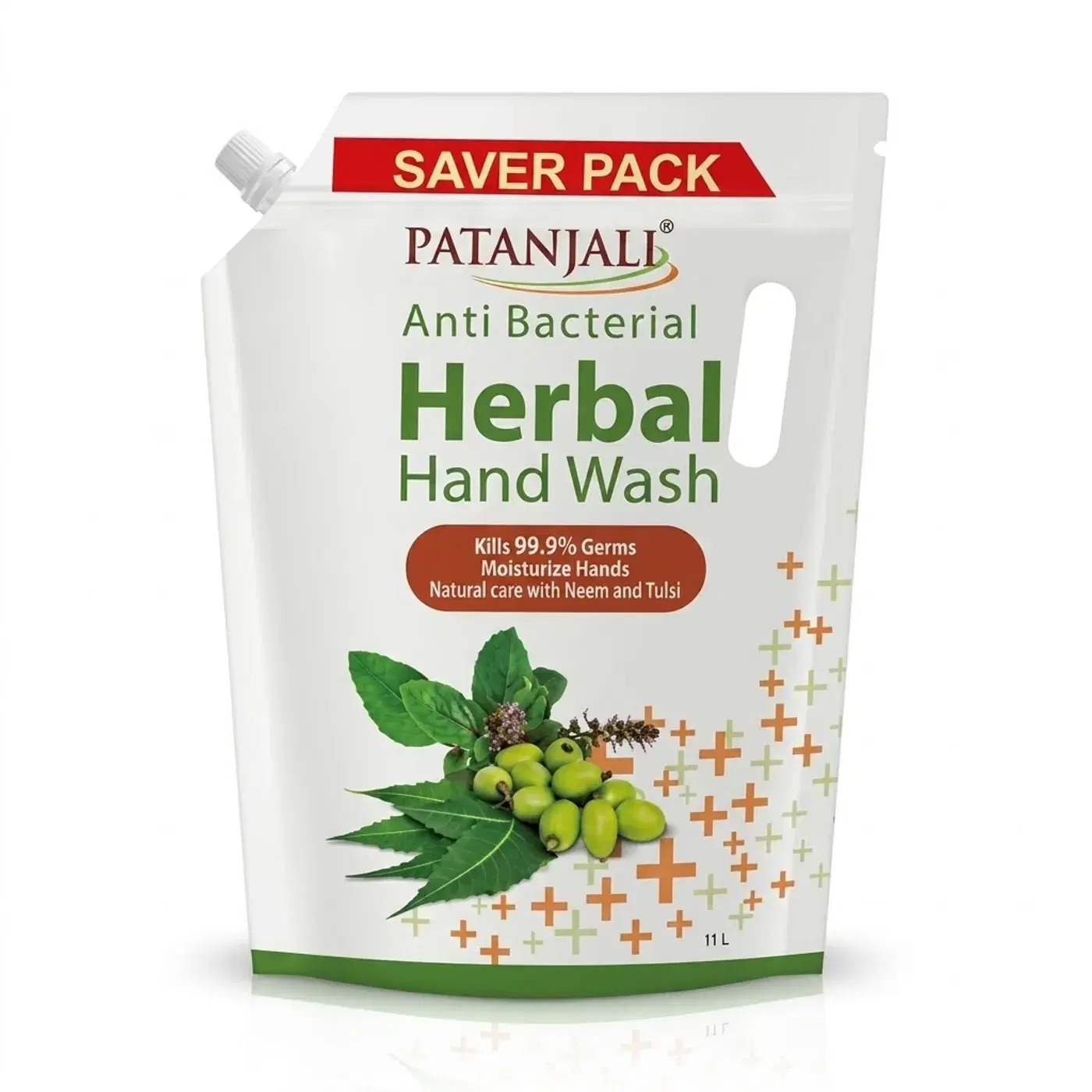
What is Patanjali Neem Haldi Soap?
Patanjali Neem Haldi Soap is an Ayurvedic bathing bar that combines two of India's most celebrated medicinal plants — Nimba (neem) and Haridra (turmeric). It is manufactured by Patanjali Ayurved Limited and is positioned as a daily-use skin care essential rooted in classical Ayurvedic wisdom.
The name comes from Sanskrit: Nimba means "that which gives good health" and Haridra translates as "that which imparts a yellow hue" — a reference to the golden colour of turmeric. Together they form a time-tested combination mentioned in classical texts such as the Charaka Samhita and the Ashtanga Hridayam for purifying the skin and clearing kushtha (skin disorders).
- Product type: Ayurvedic bathing soap (external use only)
- Dosha action: Primarily Kapha-Pitta pacifying; reduces excess oiliness and heat in the skin
- Common uses: Acne, pimples, body odour, dry and itchy skin, mild fungal conditions
- Prescription status: Over-the-counter (OTC); no prescription required
- Available on: Buy Now
Key Ingredients of Patanjali Neem Haldi Soap
| Ingredient | Botanical Name | Part Used | Ayurvedic Role | What Research Suggests |
|---|---|---|---|---|
| Neem | Azadirachta indica | Leaf extract / oil | Krimighna (antimicrobial), Kandughna (anti-itch), Pitta-Kapha pacifying | In vitro studies show significant antibacterial and antifungal activity attributed to azadirachtin and nimbidin [1] |
| Turmeric (Haldi) | Curcuma longa | Rhizome extract | Varnya (complexion enhancer), Vishaghna (detoxifying), anti-inflammatory | Curcumin, its active compound, demonstrates wound-healing and anti-inflammatory effects in lab and animal studies [2] |
| Coconut Oil base | Cocos nucifera | Seed oil | Moisturising, Snehana (oleation), softening skin | Clinical data suggest virgin coconut oil improves skin hydration and reduces transepidermal water loss [3] |
| Glycerine | Synthetic / plant-derived | — | Humectant, keeps skin supple | Recognised as a safe and effective skin moisturiser in dermatology literature [PMC search] (PMC search) |
How Does Patanjali Neem Haldi Soap Work?
Ayurvedic View
According to Ayurveda, most skin conditions arise from aggravated Pitta dosha (heat and inflammation) and Kapha dosha (excess moisture, congestion), which disrupt Rasa and Rakta dhatus (plasma and blood tissues) and block the Swedavaha srotas (sweat channels). Neem and turmeric together kindle agni (digestive and metabolic fire) at the tissue level, clear ama (toxic build-up) from the skin surface, and restore the natural barrier. Regular external use is said to purify the tvak (skin), reduce kandu (itching) and brighten the complexion.
Modern Pharmacological View
Neem contains active compounds such as nimbidin, nimbin and azadirachtin, which have demonstrated antibacterial activity against Staphylococcus aureus and Propionibacterium acnes — the bacteria commonly linked to acne — in laboratory studies [1]. Curcumin in turmeric inhibits the NF-κB inflammatory pathway and promotes collagen synthesis, actions confirmed mainly in cell culture and animal models [2]. It is important to note that most published evidence relates to individual ingredients; clinical trials on this specific soap formulation are currently limited.
Uses and Benefits of Patanjali Neem Haldi Soap
1. May Help Reduce Acne and Pimples
Neem's antibacterial compounds target Propionibacterium acnes, the bacterium implicated in acne formation, according to in vitro research [1]. Turmeric's anti-inflammatory action may soothe redness and swelling around active breakouts [2]. Together, they make this soap a popular Ayurvedic choice for acne-prone skin.
2. Supports Skin Brightening and Even Tone
Turmeric has been used as a Varnya (complexion-enhancing) herb in Ayurveda for centuries. Curcumin is reported to inhibit melanin synthesis by reducing tyrosinase enzyme activity in laboratory studies, which may contribute to a brighter, more even skin tone [2]. Regular use of turmeric-based preparations is traditionally associated with a natural glow.
3. Traditionally Used for Itchy and Irritated Skin
Classical texts classify neem as Kandughna, meaning it relieves itching and irritation. Neem extracts have shown antihistamine-like properties in preliminary animal studies, suggesting a possible mechanism for itch relief [1]. This makes the soap traditionally recommended for conditions like mild eczema and heat rash.
4. May Provide Antifungal Support
Neem oil and leaf extracts have demonstrated antifungal activity against Candida species and dermatophytes in vitro [1]. While this does not confirm clinical efficacy for fungal skin infections, the soap is traditionally used as an adjunct measure during athlete's foot or ringworm management. Always consult a doctor for confirmed fungal infections.
5. Helps Control Body Odour
Body odour is largely caused by bacterial breakdown of sweat on the skin surface. Neem's proven antibacterial action may reduce the bacteria responsible for this process, leading to fresher-smelling skin [1]. Many users report a noticeable reduction in body odour with regular daily use.
6. Moisturises and Softens Skin
The coconut oil base in the soap provides natural emollients that help retain moisture in the skin barrier. A randomised controlled trial found that coconut oil significantly improved skin hydration scores compared to mineral oil in children with atopic dermatitis [3]. This gentle moisturising action makes the soap suitable for slightly dry as well as combination skin types.
7. May Support Wound and Minor Cut Recovery
Turmeric has a long Ayurvedic history as a Ropana (wound-healing) herb. Animal studies show that topical curcumin promotes faster wound closure and collagen deposition [2]. The soap may offer mild supportive cleansing around minor cuts and abrasions, though it should not replace medically approved wound care.
Dosage and Directions for Use
| Parameter | Details |
|---|---|
| Who can use it | Adults and children above 5 years |
| Frequency | Once or twice daily during bathing |
| How to use | Lather onto wet skin, massage gently for 30–60 seconds, rinse thoroughly with water |
| Area of use | Face, body; avoid direct eye contact |
| Duration | Can be used daily as a regular bathing soap; for specific skin concerns, a 4–8 week trial is commonly advised |
| Special groups — Pregnancy | External use generally considered safe; consult your doctor before use |
| Special groups — Children (under 5) | Not recommended without medical advice due to sensitive skin |
| Special groups — Sensitive skin | Do a patch test on the inner arm 24 hours before first full use |
Always follow the directions on the product label or the advice of a qualified Ayurvedic practitioner.
Side Effects and Safety of Patanjali Neem Haldi Soap
Patanjali Neem Haldi Soap is generally well tolerated for external use. However, some individuals may experience mild skin reactions, particularly on first use.
- Possible side effects: Skin dryness if used excessively, mild redness or itching in those with hypersensitivity to neem or turmeric, temporary yellow tint on very fair skin from turmeric (fades quickly)
- Who should avoid it: Individuals with a known allergy to Azadirachta indica or Curcuma longa should not use this product
- Pregnancy and breastfeeding: External use is generally considered low-risk, but consult your gynaecologist or Ayurvedic doctor before regular use
- Children under 5: Very young children have delicate skin; seek paediatric advice before use
- Drug interactions: No clinically documented interactions for topical use are known at this time; this is an external product and systemic absorption is minimal
- Precaution: Do not use on broken, severely inflamed, or infected skin without medical supervision. If irritation persists beyond 48 hours, discontinue use and consult a dermatologist
Diet and Lifestyle Tips to Complement Patanjali Neem Haldi Soap
- Stay hydrated: Drink 8–10 glasses of water daily to flush toxins (ama) from within, supporting clearer skin from the inside out.
- Follow a Pitta-pacifying diet: Reduce spicy, oily and processed foods; include cooling foods like cucumber, coconut water and leafy greens to calm internal heat that manifests as skin inflammation.
- Practice gentle exfoliation: Use a mild natural scrub like chickpea flour (besan) once a week to remove dead skin cells and help active ingredients penetrate better.
- Manage stress: Chronic stress aggravates Pitta and Vata doshas, worsening acne and other skin issues. Practise yoga, pranayama or meditation for at least 15 minutes daily.
- Follow a consistent skincare routine: After using the soap, apply a light, non-comedogenic moisturiser to lock in hydration, especially in dry or air-conditioned environments.
- Limit sun exposure: Turmeric can make skin slightly photosensitive in some individuals. Apply a broad-spectrum sunscreen with SPF 30 or above when stepping outdoors.
Frequently Asked Questions About Patanjali Neem Haldi Soap
Is Patanjali Neem Haldi Soap good for acne?
Yes, it is traditionally used for acne-prone skin. Neem's antibacterial properties target acne-causing bacteria, while turmeric's anti-inflammatory action soothes redness [1][2]. Results vary; consistency over 4–8 weeks generally gives the best outcome.
Can I use Patanjali Neem Haldi Soap on my face every day?
Most adults can safely use it on the face once daily. If your facial skin is very dry or sensitive, limit use to once daily or every other day. Always follow with a suitable moisturiser to prevent over-drying.
Does Patanjali Neem Haldi Soap lighten skin?
Turmeric is an Ayurvedic Varnya herb traditionally believed to brighten complexion. Lab studies suggest curcumin may mildly inhibit melanin production [2]. However, dramatic skin lightening should not be expected; this soap focuses on healthy, even-toned skin rather than bleaching.
Is this soap safe during pregnancy?
External use of neem and turmeric at normal soap concentrations is generally considered low-risk. However, it is always best to consult your doctor or Ayurvedic practitioner before introducing new skin care products during pregnancy.
Can Patanjali Neem Haldi Soap help with eczema?
Neem is classified as Kandughna in Ayurveda and is traditionally used to relieve itching associated with eczema. However, eczema is a chronic condition requiring medical management; this soap may offer complementary support but should not replace prescribed treatment.
Will turmeric in the soap stain my skin yellow?
A very faint yellow tint is possible, especially on fair skin, but it typically fades within minutes of rinsing thoroughly. Using the soap as directed and rinsing well minimises any temporary discolouration.
What are the main ingredients in Patanjali Neem Haldi Soap?
The primary active ingredients are neem (Azadirachta indica) leaf extract and turmeric (Curcuma longa) rhizome extract. These are combined in a coconut oil and glycerine base for added moisturisation and a smooth lather.
How long does it take to see results with this soap?
In Ayurveda, skin-related results typically require consistent use over a mandala (cycle of 40 days). Most users report visible improvements in skin clarity and texture within 4–8 weeks of daily use.
Where can I buy Patanjali Neem Haldi Soap online?
You can buy authentic Patanjali Neem Haldi Soap directly on the Buy Now , which ensures product authenticity and safe doorstep delivery across India.
Can children use Patanjali Neem Haldi Soap?
Children above 5 years can generally use it under adult supervision. For children younger than 5, whose skin is especially sensitive, consult a paediatrician or Ayurvedic doctor before use.
References
- Alzohairy MA. Therapeutics Role of Azadirachta indica (Neem) and Their Active Constituents in Diseases Prevention and Treatment. Evid Based Complement Alternat Med. 2016;2016:7382506. Available from: https://pmc.ncbi.nlm.nih.gov/articles/PMC4791507/
- Vaughn AR, Branum A, Sivamani RK. Effects of Turmeric (Curcuma longa) on Skin Health: A Systematic Review of the Clinical Evidence. Phytother Res. 2016;30(8):1243–1264. Available from: PMC search
- Evangelista MT, Abad-Casintahan F, Lopez-Villafuerte L. The effect of topical virgin coconut oil on SCORAD index, transepidermal water loss, and skin capacitance in mild to moderate pediatric atopic dermatitis: a randomized, double-blind, clinical trial. Int J Dermatol. 2014;53(1):100–108. Available from: PMC search
- Charaka Samhita, Chikitsa Sthana, Chapter 7 (Kushtha Chikitsa). Classical Ayurvedic text reference for neem and turmeric in skin disorders.
- Ashtanga Hridayam, Uttara Sthana, Chapter 31. Classical reference for Nimba and Haridra as Varnya and Kandughna herbs.
- The Ayurvedic Pharmacopoeia of India, Part I, Volume I. Ministry of AYUSH, Government of India. Monographs on Nimba and Haridra.
Medical Disclaimer
This blog is intended for educational and informational purposes only. It does not constitute medical advice, diagnosis, or treatment. The information provided about Patanjali Neem Haldi Soap is based on classical Ayurvedic references and published scientific literature available at the time of writing. Scientific evidence for this specific product formulation is limited; most research cited relates to individual ingredients. Always consult a qualified Ayurvedic practitioner, dermatologist, or healthcare professional before starting any new skin care regimen, especially if you have a pre-existing skin condition, are pregnant, or are using prescription medications. Do not discontinue any prescribed treatment on the basis of information in this blog.
Download the Quikdu App today and get verified Ayurvedic products delivered safely to your doorstep.