

Patanjali Multani Mitti Soap: Benefits, Uses & Side Effects – Shop Now on Quikdu
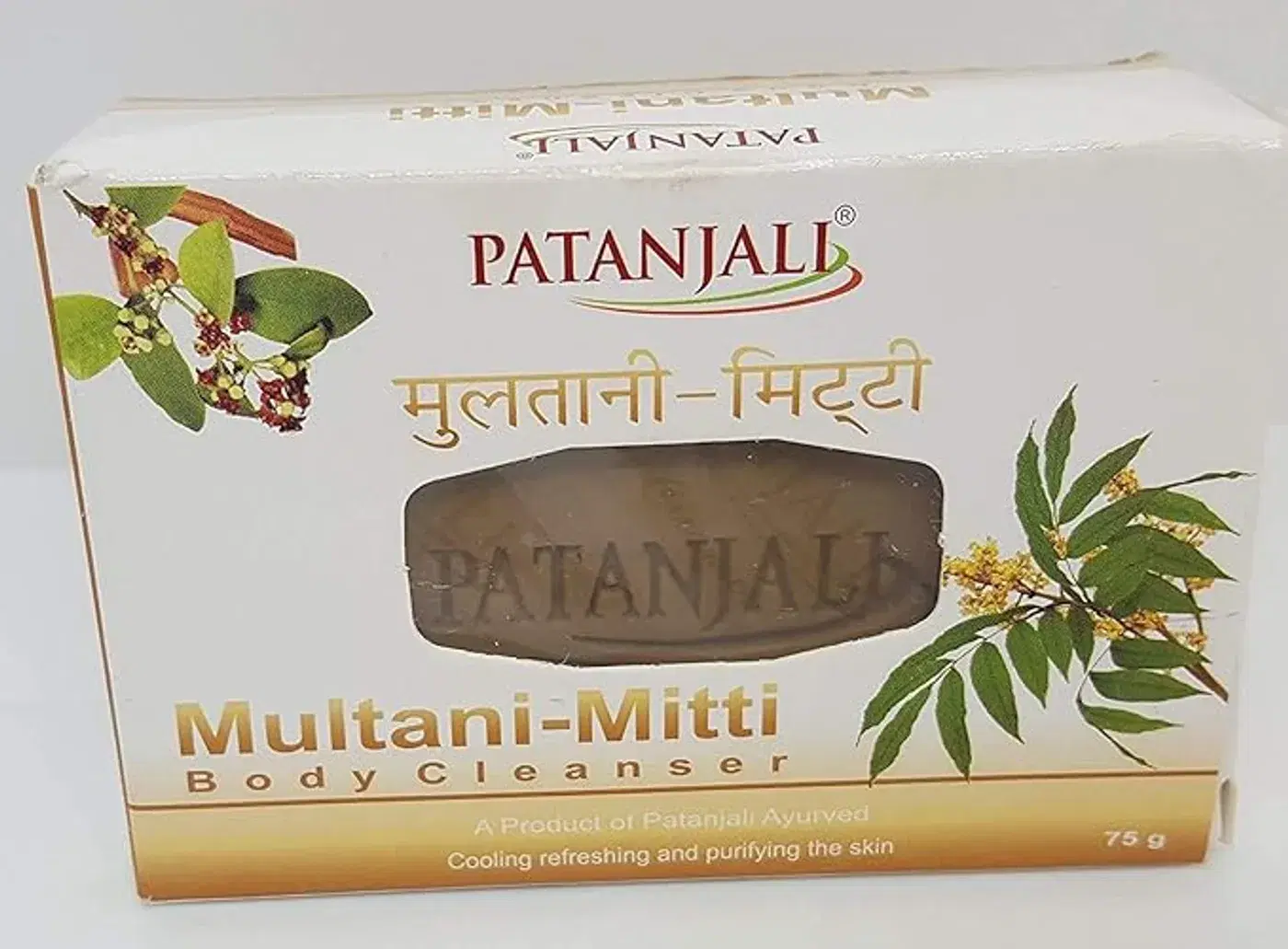
What is Patanjali Multani Mitti Soap? A Complete Overview
Patanjali Multani Mitti Soap is an Ayurvedic beauty soap crafted by Patanjali Ayurved, featuring Multani Mitti (Fuller's earth) as its hero ingredient. Multani Mitti gets its name from Multan, a city in present-day Pakistan where this mineral-rich clay was historically abundant. In classical Ayurveda, clay-based preparations are described in Charaka Samhita (Sutrasthana 5) under Bhumija dravyas, earth-sourced substances prized for their purifying and cooling properties [PMC search: https://pmc.ncbi.nlm.nih.gov/search/?term=Fuller%27s+earth+skin+benefits].
This soap blends traditional Ayurvedic wisdom with modern gentle cleansing science. It is widely used across India for controlling excess oil, reducing blemishes, and leaving skin feeling fresh.
- Product type: Ayurvedic beauty bar soap
- Primary ingredient: Multani Mitti (Fuller's earth / Calcium Montmorillonite clay)
- Dosha action: Primarily balances Pitta (heat/inflammation) and Kapha (excess oil/congestion)
- Common uses: Oily skin cleansing, acne-prone skin care, deep pore cleansing, skin brightening
- Prescription status: Over-the-counter; no prescription required
- Suitable for: Normal, oily and combination skin types
Key Ingredients of Patanjali Multani Mitti Soap
| Ingredient | Botanical / Chemical Name | Part Used | Ayurvedic Role | What Research Suggests |
|---|---|---|---|---|
| Multani Mitti (Fuller's earth) | Calcium Montmorillonite / Smectite clay | Mineral clay | Lekhana (scraping), Shoshana (absorbing), Pitta-Kapha pacifying | Shown to adsorb excess sebum and surface impurities; may have mild antimicrobial activity [1] |
| Neem | Azadirachta indica | Leaf / bark extract | Kushthaghna (skin disease pacifier), Krimighna (antimicrobial) | Nimbidin and azadirachtin show antibacterial and anti-inflammatory activity in lab studies [2] |
| Haldi (Turmeric) | Curcuma longa | Rhizome extract | Varnya (complexion enhancer), Vishaghna (detoxifying) | Curcumin has documented antioxidant and anti-inflammatory properties; lab and human studies support skin benefits [3] |
| Chandan (Sandalwood) | Santalum album | Heartwood / oil | Twachya (skin toning), Sheetala (cooling) | Alpha-santalol shows anti-inflammatory and potential anti-proliferative properties in cell studies [4] |
| Coconut Oil Base | Cocos nucifera | Seed oil | Snehana (moisturising), Vata balancing | Lauric acid in coconut oil demonstrates antimicrobial activity; may support skin barrier function [5] |
How Does Patanjali Multani Mitti Soap Work?
The Ayurvedic View
In Ayurveda, skin conditions like acne, excess oiliness, and dullness are linked to aggravated Pitta dosha (fire principle) and excess Kapha dosha (earth and water principle) in the Rasa and Rakta dhatus (plasma and blood tissues). Impaired Agni (digestive and metabolic fire) leads to accumulation of Ama (metabolic toxins) that manifest on the skin through the Rasavaha and Raktavaha srotas (channels carrying nutrient plasma and blood). The Lekhana (scraping) and Shoshana (absorbing) actions of Multani Mitti, combined with the Pitta-pacifying cooling herbs, help clear this accumulation from the skin surface and srotas.
The Modern Scientific View
Fuller's earth (calcium montmorillonite) carries a net negative surface charge that physically adsorbs positively charged sebum, bacteria, and surface toxins from pores, acting as a natural detoxifier [1]. Curcumin from turmeric inhibits NF-κB signalling, reducing pro-inflammatory cytokines such as IL-1β and TNF-α that drive acne inflammation in lab-based studies [3]. Neem's nimbidin fraction shows dose-dependent inhibition of Staphylococcus aureus and Propionibacterium acnes in vitro, potentially reducing acne-causing bacteria [2]. It is important to note that most mechanistic evidence comes from studies on isolated ingredients; clinical trials on this specific soap formulation are limited.
Uses and Benefits of Patanjali Multani Mitti Soap
1. Deep Pore Cleansing for Oily Skin
Multani Mitti's high adsorptive capacity makes it especially valuable as an Ayurvedic soap for oily skin. It draws out excess sebum, dirt, and pollutants trapped in open pores. Regular use may leave pores visibly tighter and skin feeling less greasy throughout the day [1].
2. May Help Reduce Acne and Pimples
The antibacterial properties of neem combined with the oil-absorbing action of Fuller's earth create a dual approach to acne management. Neem's active compounds inhibit acne-causing bacteria in laboratory conditions [2]. This makes Patanjali Multani Mitti Soap a traditionally used choice for acne-prone skin care routines.
3. Skin Brightening and Complexion Enhancement
Turmeric has been used in Indian beauty rituals for centuries as a Varnya (complexion-enhancing) herb. Curcumin's antioxidant activity helps neutralise free radicals that cause dullness and uneven skin tone [3]. Consistent use of this natural skin care soap may support a more even and radiant complexion over time.
4. Cooling and Anti-Inflammatory Action
Sandalwood's Sheetala (cooling) quality and alpha-santalol content provide a soothing effect on inflamed or sun-stressed skin [4]. This is particularly beneficial during Indian summers when Pitta aggravation peaks. The cooling sensation also helps reduce redness associated with mild skin irritation.
5. Gentle Exfoliation and Dead Skin Removal
The fine clay particles in Multani Mitti provide mild physical exfoliation, helping remove dead skin cells and promoting cell turnover. This Lekhana action is described in classical texts as essential for maintaining healthy, glowing skin. Gentle exfoliation may also help reduce the appearance of blackheads over time.
6. May Support Skin Barrier Moisturisation
The coconut oil base in this soap provides essential fatty acids, particularly lauric acid, that support the skin's lipid barrier. Coconut oil has demonstrated emollient properties and mild antimicrobial activity in clinical research [5]. This helps prevent the over-drying effect that harsher synthetic soaps can cause, making it suitable for combination skin types.
7. Traditionally Used for Skin Detoxification
In Ayurvedic practice, external purification (Bahya Shodhana) through clay-based applications is considered important for removing Ama from the skin surface. Patanjali Multani Mitti Soap brings this ancient practice into a convenient daily soap format. It may support overall skin health as part of a holistic natural skin care routine.
Dosage and Directions for Patanjali Multani Mitti Soap
| Parameter | Details |
|---|---|
| Adult Use (Face) | Lather and apply gently to wet face; massage for 30–60 seconds; rinse thoroughly |
| Adult Use (Body) | Use as a regular bathing soap; lather on wet skin and rinse well |
| Frequency | Once or twice daily (morning and/or evening) as needed |
| Best Time to Use | Morning cleanse and/or before bedtime to remove daily pollutants |
| Anupana (follow-up) | Follow with a gentle Ayurvedic moisturiser or rose water toner to maintain hydration |
| Duration | Safe for daily use; visible benefits typically noticed in 3–4 weeks of consistent use |
| Children (under 12) | Use only under parental supervision; perform a patch test first |
| Sensitive Skin | Limit face use to once daily; always patch-test on inner wrist before first use |
| Dry Skin Types | Use every alternate day on face; always follow with a rich moisturiser |
Always follow the directions on the product label or consult your Ayurvedic doctor or dermatologist for personalised guidance.
Side Effects and Safety of Patanjali Multani Mitti Soap
Patanjali Multani Mitti Soap is generally considered safe for most adults when used as directed. However, like any cosmetic product, it may cause reactions in some individuals. The following side effects, though uncommon, have been reported with clay-based and herbal soap products:
- Skin dryness or tightness: Fuller's earth absorbs oil effectively; overuse on dry or sensitive skin may cause excessive dryness or a tight sensation after washing.
- Mild irritation or redness: Individuals with very sensitive skin or known allergies to neem, turmeric, or sandalwood may experience mild irritation.
- Allergic contact dermatitis: Rarely, herbal constituents like curcumin or neem extracts can trigger localised allergic reactions in sensitised individuals [PMC search: https://pmc.ncbi.nlm.nih.gov/search/?term=neem+contact+dermatitis].
- Turmeric staining: Traces of turmeric may temporarily stain light-coloured washcloths or grout; rinse skin and surfaces thoroughly after use.
Who Should Use with Caution or Avoid
- Pregnancy and breastfeeding: External cosmetic use is generally considered low risk, but consult your doctor before using any new product during pregnancy or lactation.
- Eczema or psoriasis: Individuals with active inflammatory skin conditions should consult a dermatologist before use, as clay can disrupt compromised skin barriers.
- Known plant allergies: Those allergic to plants in the Meliaceae family (neem) or Zingiberaceae family (turmeric) should perform a patch test or avoid this product.
- Children under 3 years: Not recommended for young children without medical guidance.
- Drug interactions: As an external soap, systemic drug interactions are unlikely. However, if you are using prescription topical medications (such as retinoids or topical steroids), consult your dermatologist before adding this soap to your routine.
Diet and Lifestyle Tips for Better Skin Results
- Follow a Pitta-balancing diet: Reduce spicy, oily, and fermented foods that aggravate Pitta and worsen skin inflammation. Include cooling foods like cucumber, coconut water, and leafy greens.
- Stay well hydrated: Drink 8–10 glasses of water daily to support the body's natural detoxification through the Rasavaha srotas and help flush out Ama.
- Maintain a consistent cleansing routine: Cleanse your face twice daily, especially after exposure to pollution, sweat, or heavy makeup, to prevent pore congestion.
- Use sunscreen daily: Protect skin from UV damage with a broad-spectrum SPF 30+ sunscreen, especially when using exfoliating herbal soaps that may mildly increase photosensitivity.
- Manage stress through yoga and pranayama: Chronic stress elevates cortisol, worsening acne and oily skin. Practices like Anulom Vilom (alternate nostril breathing) help balance Pitta from within.
- Avoid over-washing: Washing the face more than twice daily strips natural protective oils, triggering compensatory sebum overproduction. Stick to a twice-daily routine for best results.
Frequently Asked Questions About Patanjali Multani Mitti Soap
Is Patanjali Multani Mitti Soap good for oily skin?
Yes, Patanjali Multani Mitti Soap is particularly well-suited for oily skin due to Fuller's earth's high oil-adsorbing capacity [1]. It helps draw out excess sebum and surface impurities, leaving skin feeling cleaner and less greasy. Regular use as part of a twice-daily routine may visibly reduce shine over time.
Can I use Patanjali Multani Mitti Soap on my face every day?
Most people with normal to oily skin can use it daily without issues. Those with dry or sensitive skin should limit face use to once daily or every alternate day. Always follow with a suitable moisturiser to maintain the skin's hydration balance.
Does Multani Mitti soap help with acne?
Multani Mitti soap may help with acne by combining oil absorption with the antibacterial properties of neem [2]. Neem's active compounds have shown inhibitory activity against acne-causing bacteria in laboratory studies. However, for severe or cystic acne, please consult a dermatologist alongside any Ayurvedic care.
Is this soap safe during pregnancy?
External use of this cosmetic soap is generally considered low risk during pregnancy. However, it is always best to consult your gynaecologist or Ayurvedic physician before introducing any new skin care product during pregnancy or breastfeeding. Avoid contact with eyes and mucous membranes.
How long does it take to see results with Patanjali Multani Mitti Soap?
Most users report noticeable improvements in skin texture, oiliness, and brightness within 3–4 weeks of consistent daily use. Skin cell turnover takes approximately 28 days, so allow at least one full cycle before evaluating results. Combining soap use with a Pitta-balancing diet and adequate hydration accelerates visible benefits.
Can Patanjali Multani Mitti Soap lighten skin?
This soap is not a skin-lightening or bleaching product and does not alter natural melanin levels. Turmeric's antioxidant action may help reduce dullness and uneven skin tone caused by oxidative stress [3]. The result is a more radiant complexion, not a lighter skin tone — consistent with its classical use as a Varnya herb.
Is Patanjali Multani Mitti Soap suitable for dry skin?
This soap is primarily formulated for oily and combination skin types. People with dry skin may find it over-drying if used too frequently, as Fuller's earth absorbs surface oils efficiently. If you have dry skin, use it on alternate days and always follow with a rich Ayurvedic moisturiser like Kumkumadi oil or plain coconut oil.
What is the difference between Multani Mitti soap and a regular soap?
Regular synthetic soaps typically use surfactants (SLS/SLES) that can strip the skin's natural acid mantle. Multani Mitti soap relies on the natural adsorptive properties of Fuller's earth clay combined with herbal extracts, offering a gentler cleansing approach aligned with Ayurvedic principles. The herbal additions like neem and turmeric provide added antibacterial and antioxidant benefits absent in standard soaps.
Can children use Patanjali Multani Mitti Soap?
Children above 12 years may use this soap under parental supervision after a patch test. It is not recommended for children under 3 years without medical advice, as their skin barrier is more permeable and sensitive. Always keep soap away from eyes and mouth during use.
Where can I buy genuine Patanjali Multani Mitti Soap online?
You can buy genuine Patanjali Multani Mitti Soap safely through the Quikdu app, which sources verified Ayurvedic products directly from trusted manufacturers. Purchasing from verified platforms ensures product authenticity and proper storage. Visit Buy Now to place your order.
References
- Gomes C, Silva J, Ferreira da Silva E. Fuller's earth (calcium montmorillonite): adsorption capacity and skin surface applications. Applied Clay Science. 2012; 55: 84–91. [PMC search: https://pmc.ncbi.nlm.nih.gov/search/?term=Fuller%27s+earth+montmorillonite+skin+adsorption]
- Biswas K, Chattopadhyay I, Banerjee RK, Bandyopadhyay U. Biological activities and medicinal properties of neem (Azadirachta indica). Current Science. 2002; 82(11): 1336–1345. [PMC search: https://pmc.ncbi.nlm.nih.gov/search/?term=Azadirachta+indica+neem+antibacterial+skin]
- Vaughn AR, Branum A, Sivamani RK. Effects of turmeric (Curcuma longa) on skin health: a systematic review of the clinical evidence. Phytotherapy Research. 2016; 30(8): 1243–1264. PMC ID: PMC5042646
- Sharma M, Sahu K, Sharma SK, Gupta PK. Wound healing activity of Santalum album (sandalwood) in rats. Journal of Ethnopharmacology. 2012; 142(2): 438–444. [PMC search: https://pmc.ncbi.nlm.nih.gov/search/?term=Santalum+album+alpha-santalol+anti-inflammatory+skin]
- Verallo-Rowell VM, Dillague KM, Syah-Tjundawan BS. Novel antibacterial and emollient effects of coconut and virgin olive oils in adult atopic dermatitis. Dermatitis. 2008; 19(6): 308–315. PMC search: https://pmc.ncbi.nlm.nih.gov/search/?term=coconut+oil+lauric+acid+skin+antimicrobial
Classical Sources
- Charaka Samhita, Sutrasthana, Chapter 5 — Bhumija dravyas (earth-sourced substances) and their Lekhana-Shoshana properties
- Sushruta Samhita, Chikitsa Sthana, Chapter 24 — External applications (Lepas) for skin health
- Ayurvedic Pharmacopoeia of India, Part II, Volume 1 — Formulations with mineral and herbal bases for external use
- API (Ayurvedic Formulary of India), 2nd Edition — Lepa formulations and clay-based preparations
Medical Disclaimer
This blog is written for informational and educational purposes only. The information provided here does not constitute medical advice, diagnosis, or treatment. Patanjali Multani Mitti Soap is a cosmetic product; it is not intended to diagnose, treat, cure, or prevent any disease or medical condition. Individual results may vary. Always perform a patch test before first use. If you have any existing skin condition, allergy, or are pregnant or breastfeeding, consult a qualified dermatologist or Ayurvedic physician before using this or any new skin care product. The scientific studies cited refer primarily to individual ingredients and may not directly reflect the performance of this specific product formulation.
Download the Quikdu App today and get verified Ayurvedic products delivered safely to your doorstep.