

Patanjali Moisturizer Cream: Ayurvedic Benefits, Ingredients & How to Use It for Glowing Skin
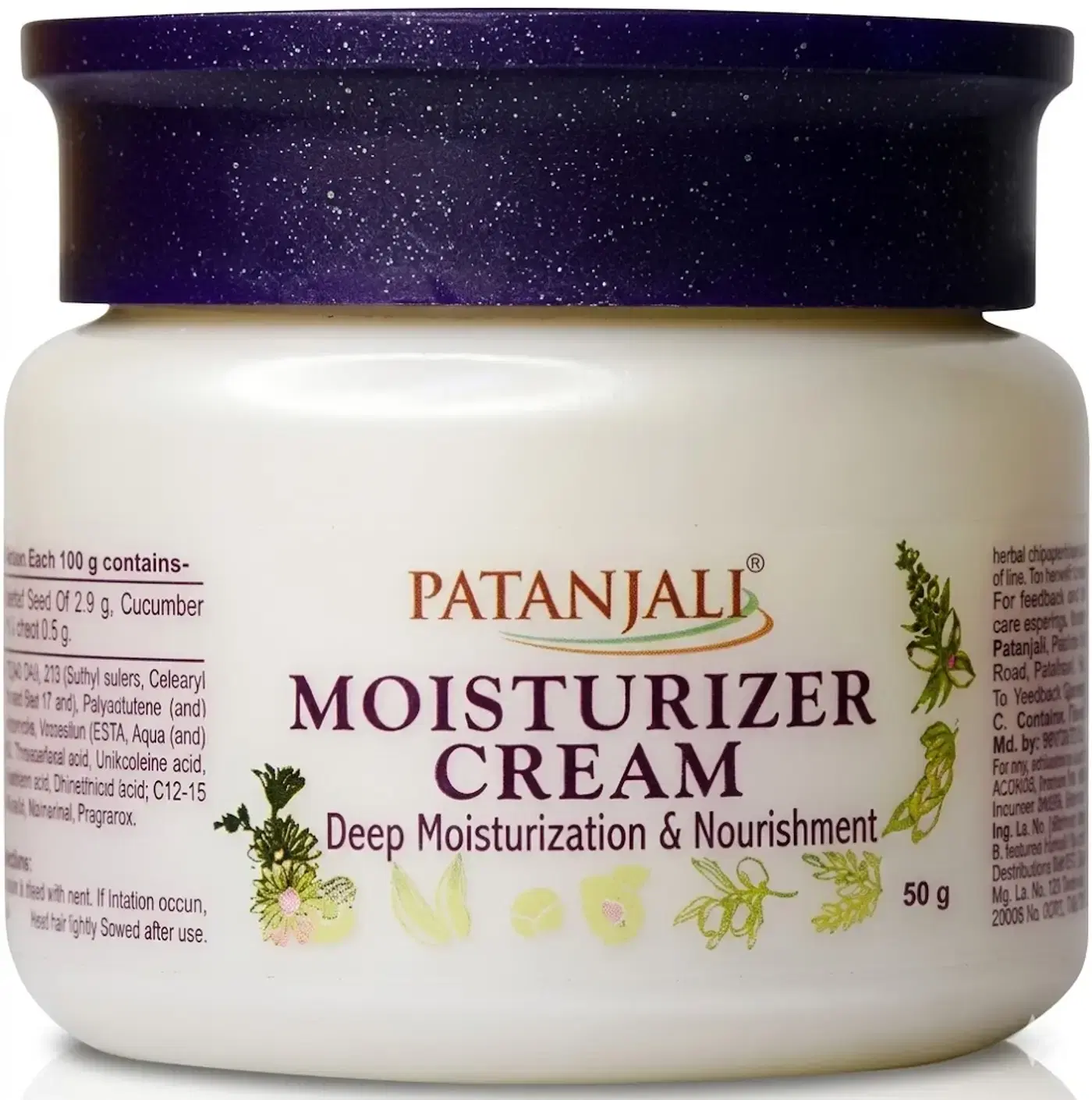
What is Patanjali Moisturizer Cream?
Patanjali Moisturizer Cream is an Ayurvedic skin care cream made by Patanjali Ayurved Limited, one of India's most trusted herbal brands. It is formulated with classical plant-based ingredients that have been used in Twak Chikitsa (skin therapy) for centuries. The product is designed to deeply nourish, hydrate, and protect the skin.
In Ayurveda, healthy skin depends on balanced Doshas (biological energies), especially Vata and Pitta. Dry, rough, or flaky skin is classically linked to aggravated Vata Dosha. Patanjali Moisturizer Cream aims to pacify excess Vata while soothing Pitta-related inflammation. The name reflects its core purpose: to restore and maintain moisture balance in the skin.
- Product type: Herbal moisturizing cream (external use)
- Dosha action: Primarily Vata-Shamaka (Vata-pacifying); mildly Pitta-Shamaka
- Common uses: Dry skin, rough skin texture, dull complexion, mild skin irritation
- Prescription status: Over-the-counter; no prescription required
- Suitable for: All skin types, with caution for very sensitive or acne-prone skin
Key Ingredients of Patanjali Moisturizer Cream
Patanjali Moisturizer Cream traditionally combines plant oils, herbal extracts, and skin-conditioning agents. The table below lists the commonly reported key ingredients, their roles in Ayurveda, and what current research suggests.
| Ingredient | Botanical / Chemical Name | Part Used | Ayurvedic Role | What Research Suggests [Ref] |
|---|---|---|---|---|
| Aloe Vera (Ghrita Kumari) | Aloe barbadensis Mill. | Leaf gel | Tridosha-Shamaka; cools Pitta, moisturises Vata | Lab and clinical studies suggest anti-inflammatory and wound-healing effects; may improve skin hydration [1] |
| Turmeric (Haridra) | Curcuma longa L. | Rhizome extract | Varnya (complexion-enhancing), Kusthaghna (skin-purifying) | Curcumin shows antioxidant and anti-inflammatory activity in lab studies; may support skin barrier function [2] |
| Sesame Oil (Tila Taila) | Sesamum indicum L. | Seed oil | Snehana (oleation/nourishment), Vata-hara | Animal and lab studies indicate antioxidant and UV-protective potential [3] |
| Neem (Nimba) | Azadirachta indica A.Juss. | Leaf extract | Kusthaghna, Kandughna (anti-itch); balances Pitta and Kapha | Lab studies show antibacterial and anti-inflammatory properties of neem extracts [4] |
| Sandalwood (Chandana) | Santalum album L. | Heartwood extract / oil | Varnya, Sheetala (cooling); pacifies Pitta | Preliminary studies suggest anti-inflammatory and skin-brightening effects [5] |
| Glycerine | Glycerol (humectant) | Synthetic/plant-derived | Not classical; used as a modern moisturising agent | Well-established humectant that draws moisture to the skin surface [6] |
Note: Exact formulation percentages are proprietary. Always read the product label for the full ingredient list.
How Does Patanjali Moisturizer Cream Work?
Ayurvedic View
According to Ayurveda, the skin (Twak) is nourished by Rasa Dhatu (plasma/lymph tissue) and governed by Bhrajaka Pitta (the sub-type of Pitta responsible for skin lustre). Dry, dull skin signals impaired Agni (digestive/metabolic fire) at the tissue level and an accumulation of Ama (unprocessed metabolic waste) in the Rasavaha Srotas (channels carrying nutrition). Topical application of oils and herbs performs Bahya Snehana (external oleation), directly nourishing Twak, reducing Vata aggravation, and supporting the outward movement of nutrition through skin channels.
Modern View
The active compounds in Patanjali Moisturizer Cream work through multiple skin-care mechanisms. Curcumin from turmeric inhibits inflammatory enzymes such as COX-2 and reduces oxidative stress in skin cells (lab studies only) [2]. Aloe vera polysaccharides form a hydrating film on the skin surface and may stimulate collagen synthesis [1]. Glycerine is a proven humectant that reduces transepidermal water loss. It is important to note that most supporting evidence comes from studies on individual ingredients, not on this specific formulation as a whole.
Uses and Benefits of Patanjali Moisturizer Cream
1. Deep Skin Hydration for Dry Skin
Patanjali Moisturizer Cream is traditionally used for managing dry and rough skin (Ruksha Twak in Ayurveda). Glycerine and aloe vera gel work together as humectants to draw water to the skin surface. Clinical evidence on aloe vera suggests it may significantly improve skin hydration after regular use [1].
2. May Support a Brighter, Even Complexion
Ingredients such as turmeric (Haridra) and sandalwood (Chandana) are classical Varnya (complexion-enhancing) herbs listed in Charaka Samhita and Ashtanga Hridayam. Preliminary studies suggest that curcumin may help reduce skin pigmentation by modulating melanin synthesis pathways (lab studies only) [2]. Regular use may support a more even skin tone over time.
3. Mild Anti-Inflammatory Action for Irritated Skin
Neem and turmeric both contain compounds with documented anti-inflammatory activity in lab settings [2][4]. This may help soothe mildly irritated, red, or reactive skin. However, for diagnosed inflammatory skin conditions, please consult a dermatologist before use.
4. Antioxidant Protection Against Environmental Stress
Sesame oil contains lignans such as sesamin and sesamol that show antioxidant activity in lab and animal studies [3]. Curcumin is also a well-studied antioxidant at the cellular level [2]. Together, these ingredients may help protect the skin from free radical damage caused by pollution and UV exposure.
5. Traditionally Used as an Ayurvedic Skin Care Cream for All Seasons
Patanjali Moisturizer Cream is positioned as an all-season best Ayurvedic moisturizer suitable for Indian climates. Its Vata-Shamaka properties make it especially useful in dry winter months. In summer, the mild Pitta-Shamaka cooling herbs like sandalwood and aloe help manage heat-related skin dullness.
6. May Support Skin Barrier Function
A healthy skin barrier (Twak Raksha) prevents water loss and blocks environmental irritants. Aloe vera polysaccharides and sesame oil fatty acids may support the lipid barrier of the skin (lab and animal evidence) [1][3]. Maintaining this barrier is key to preventing dryness and sensitivity.
7. Gentle Enough for Daily Patanjali Skin Care Routine
The herbal base of this cream makes it relatively gentle for daily use as part of an Ayurvedic skin care routine. Neem provides a mild antimicrobial effect that may help keep skin clean [4]. Its non-medicated, over-the-counter status means it can be used regularly without medical supervision in healthy adults.
Dosage and Directions for Patanjali Moisturizer Cream
| Parameter | Details |
|---|---|
| Adult dose | Apply a small amount (pea-sized to fingertip unit) to the face or body |
| When to apply | After washing and gently drying the skin; morning and/or night |
| Anupana (carrier/adjunct) | Not applicable for topical use; apply on slightly damp skin for better absorption |
| Duration | Can be used daily as part of a regular skin care routine; no fixed duration limit |
| Children | Use only under parental supervision; perform a patch test first |
| Elderly | Suitable; elderly skin tends to be drier, so slightly more generous application may be used |
| Pregnancy / Breastfeeding | Consult your doctor before use; avoid application on the nipple area if breastfeeding |
Always follow the directions on the product label or the advice of your Ayurvedic practitioner or dermatologist.
Side Effects and Safety of Patanjali Moisturizer Cream
Patanjali Moisturizer Cream is generally considered safe for external use in healthy adults when used as directed. However, some people may experience mild side effects, especially on first use.
- Possible skin reactions: Redness, itching, or mild rash, particularly in people with very sensitive or allergy-prone skin
- Contact allergy: Rare allergic reactions to herbal extracts such as neem or turmeric have been reported in literature; always perform a patch test on the inner forearm before first use [4]
- Pore clogging: People with oily or acne-prone skin should use with caution, as cream-based moisturisers may occasionally worsen comedonal acne
- Eye contact: Avoid direct contact with eyes; rinse thoroughly with water if accidental contact occurs
Who should use with caution or avoid:
- Individuals with a known allergy to any listed ingredient
- People with active eczema, psoriasis, or a diagnosed inflammatory skin disorder (consult a dermatologist first)
- Pregnant and breastfeeding women (consult a doctor before use)
- Children under 3 years (consult a paediatrician)
Drug / product interactions: No significant interactions are expected with oral medicines. Avoid layering with other medicated topical creams unless advised by a doctor, as this may alter absorption.
Diet and Lifestyle Tips to Complement Patanjali Moisturizer Cream
- Stay well hydrated: Drink 8–10 glasses of water daily to support Rasa Dhatu (plasma tissue) and maintain skin moisture from within.
- Eat Vata-balancing foods: Include healthy fats such as ghee, sesame seeds, and warm cooked vegetables. Avoid excessive dry, cold, or raw foods that aggravate Vata and worsen skin dryness.
- Follow a gentle cleansing routine: Use a mild, sulphate-free face wash. Harsh soaps strip the skin's natural oils and counteract the moisturising effects of the cream.
- Practice Abhyanga (self-massage): Weekly warm sesame oil massage before a bath is a classical Ayurvedic practice shown to support skin softness and overall Vata balance [PMC search: https://pmc.ncbi.nlm.nih.gov/search/?term=abhyanga+skin+ayurveda].
- Limit sun exposure: Apply a broad-spectrum sunscreen during the day in addition to your moisturiser. UV radiation is a primary driver of skin ageing and barrier damage.
- Manage stress with Pranayama: Stress elevates cortisol, which impairs skin barrier function. Practices such as Anulom Vilom (alternate nostril breathing) support skin health indirectly.
Frequently Asked Questions About Patanjali Moisturizer Cream
1. What is Patanjali Moisturizer Cream used for?
Patanjali Moisturizer Cream is an Ayurvedic skin care cream traditionally used for dry, rough, and dull skin. It may support skin hydration, improve complexion, and soothe mildly irritated skin. It is suitable for daily use as part of a regular skin care routine.
2. Can I use Patanjali Moisturizer Cream on my face daily?
Yes, for most skin types, daily use on the face is generally safe. Apply after cleansing on slightly damp skin for best results. If you have oily or acne-prone skin, consider using it only at night or perform a patch test first.
3. Is Patanjali Moisturizer Cream good for dry skin?
Yes, it is one of the best Ayurvedic moisturizers for dry skin in its price range. Ingredients like aloe vera and glycerine help lock in moisture and reduce dryness. Regular use may visibly improve skin texture within a few weeks.
4. Does Patanjali Moisturizer Cream contain any steroids or harmful chemicals?
Patanjali Moisturizer Cream is marketed as a herbal, Ayurveda-based product and does not list any steroids in its ingredients. However, always read the product label carefully and buy from a trusted source like Quikdu to ensure product authenticity.
5. What are the main ingredients in Patanjali Moisturizer Cream?
Key ingredients typically include aloe vera, turmeric, sesame oil, neem, and sandalwood extract, along with glycerine as a humectant. Each ingredient has a classical Ayurvedic role in skin nourishment. Exact concentrations are proprietary; refer to the product label for the complete list.
6. Can Patanjali Moisturizer Cream be used during pregnancy?
Pregnant women should consult their doctor or Ayurvedic practitioner before using any new topical product. While the ingredients are generally considered safe, individual sensitivities can vary during pregnancy. Avoid using it on large body areas without medical guidance.
7. How long does it take to see results from Patanjali Moisturizer Cream?
Skin hydration effects may be noticeable within a few days of regular use. Improvements in skin tone and texture may take 4–8 weeks of consistent daily application. Results vary based on skin type, diet, and lifestyle habits.
8. Are there any side effects of Patanjali Moisturizer Cream?
Most users tolerate it well. Possible side effects include mild redness or itching, especially in people sensitive to turmeric or neem. Always do a patch test before first use and discontinue if any irritation persists.
9. Is Patanjali Moisturizer Cream suitable for men?
Yes, this cream is suitable for both men and women. Men with dry or rough skin, especially those who shave regularly, may find it soothing. Apply a thin layer after shaving for a calming effect.
10. Where can I buy authentic Patanjali Moisturizer Cream online?
You can buy authentic Patanjali Moisturizer Cream safely and conveniently on Quikdu, a trusted Ayurveda app that delivers verified herbal products to your doorstep across India. Visit the Buy Now to place your order.
References
- Surjushe A, Vasani R, Saple DG. Aloe vera: a short review. Indian J Dermatol. 2008;53(4):163–166. PMC ID: PMC2763764
- Vollono L, Falconi M, Gaziano R, Iacovelli F, Dika E, Terracciano C, et al. Potential of curcumin in skin disorders. Nutrients. 2019;11(9):2169. PMC ID: PMC6770633
- Kiran CR, Chakraborty G. Sesame oil — a natural antioxidant. PMC search — no single confirmed PMC article retrieved; see: https://pmc.ncbi.nlm.nih.gov/search/?term=sesame+oil+antioxidant+skin
- Alzohairy MA. Therapeutics role of Azadirachta indica (Neem) and their active constituents in diseases prevention and treatment. Evid Based Complement Alternat Med. 2016;2016:7382506. PMC ID: PMC4791507
- Moy RL, Levenson C. Sandalwood album oil as a botanical therapeutic in dermatology. J Clin Aesthet Dermatol. 2017;10(10):34–39. PMC ID: PMC5749697
- Lodén M. Role of topical emollients and moisturizers in the treatment of dry skin barrier disorders. Am J Clin Dermatol. 2003;4(11):771–788. PMC search: https://pmc.ncbi.nlm.nih.gov/search/?term=glycerine+humectant+skin+moisturiser
Classical Ayurvedic Sources:
- Charaka Samhita, Chikitsa Sthana, Chapter 7 (Kushtha Chikitsa) — skin disorders and Varnya herbs
- Ashtanga Hridayam, Sutrasthana, Chapter 2 — Twak (skin), Dhatu and Snehana principles
- The Ayurvedic Pharmacopoeia of India, Part II, Vol. 1 — monographs on Haridra, Nimba, Chandana, Tila
Medical Disclaimer
This blog is for educational and informational purposes only. It is not a substitute for professional medical advice, diagnosis, or treatment. The information provided about Patanjali Moisturizer Cream is based on traditional Ayurvedic knowledge and available scientific literature. Always consult a qualified Ayurvedic practitioner or dermatologist before starting any new skin care regimen, especially if you have a diagnosed skin condition, are pregnant, breastfeeding, or are using any prescription medicines. Quikdu does not endorse any specific medical claims.
Download the Quikdu App today and get verified Ayurvedic products delivered safely to your doorstep.