

Patanjali Livamrit: Uses, Benefits, Dosage & Side Effects – Buy Now on Quikdu
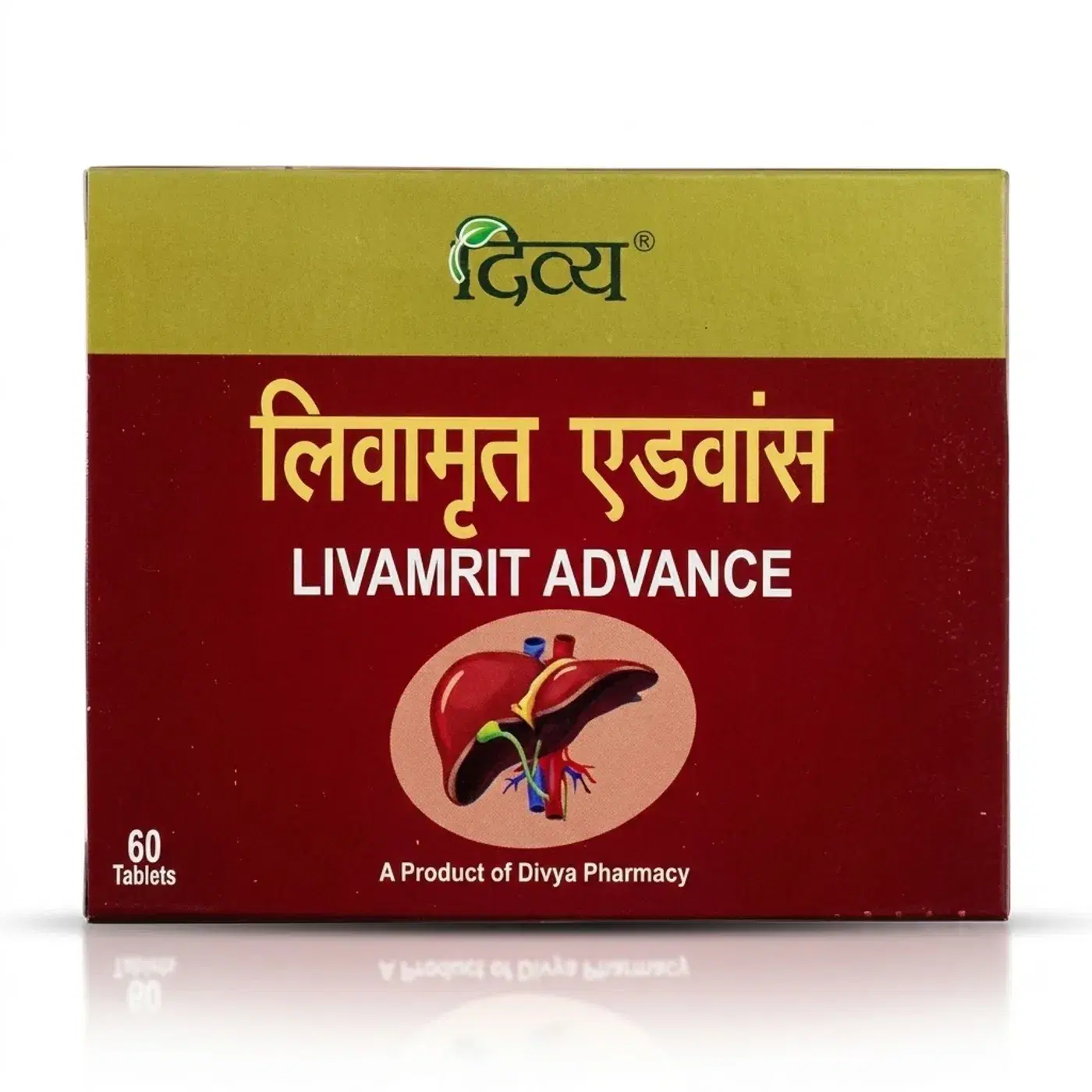
What is Patanjali Livamrit? An Overview of This Ayurvedic Liver Care Supplement
Patanjali Livamrit is a classical Ayurvedic liver care supplement manufactured by Patanjali Ayurved Limited. It is formulated to support healthy liver function using time-tested herbs described across foundational Ayurvedic texts such as Charaka Samhita and Ashtanga Hridayam. The name Livamrit combines the English word "Liver" with the Sanskrit word Amrit, meaning "nectar" or "life-giving elixir," suggesting its role as a nourishing tonic for the liver.
In Ayurveda, the liver is closely linked to Ranjaka Pitta (the sub-dosha of Pitta that governs blood formation and liver metabolism). Patanjali Livamrit is designed to pacify aggravated Pitta and support Rakta dhatu (blood tissue) purification. Below is a quick-reference overview of this product.
- Product type: Ayurvedic proprietary medicine (syrup and tablet forms available)
- Primary dosha action: Pacifies Pitta; supports Kapha balance in the liver
- Common uses: Liver detoxification, jaundice support, fatty liver, loss of appetite, indigestion
- Prescription status: Over-the-counter (OTC); consult a physician for chronic conditions
- Manufactured by: Patanjali Ayurved Limited, Haridwar, India
Key Ingredients of Patanjali Livamrit
Patanjali Livamrit contains a blend of well-researched hepatoprotective herbs. The table below summarises each major ingredient, its Ayurvedic role, and what current research suggests.
| Ingredient | Botanical Name | Part Used | Ayurvedic Role | What Research Suggests |
|---|---|---|---|---|
| Kutki | Picrorhiza kurroa | Rhizome | Pitta-pacifying, liver tonic (Yakrit uttejaka) | Iridoid glycosides (picroside I & II) show hepatoprotective and anti-inflammatory activity in animal models [1] |
| Bhumi Amalaki | Phyllanthus niruri | Whole plant | Liver rejuvenator (Yakrit rasayana), antiviral | Phyllanthin and hypophyllanthin may reduce liver enzyme levels in hepatitis B patients in human trials [2] |
| Kalmegh | Andrographis paniculata | Aerial parts | Bitter tonic, Ama-clearing, anti-infective | Andrographolide demonstrated hepatoprotective effects against paracetamol-induced liver damage in animal studies [3] |
| Punarnava | Boerhavia diffusa | Root | Diuretic, Kapha-reducing, liver decongestant | Punarnavine showed anti-inflammatory and liver-protective properties in rodent studies [4] |
| Kasni (Chicory) | Cichorium intybus | Seeds, leaves | Pitta-pacifying, digestive stimulant | Seed extracts showed hepatoprotective activity against CCl4-induced liver toxicity in rats [5] |
| Haritaki | Terminalia chebula | Fruit | Tridosha balancer, digestive, antioxidant | Gallic acid and chebulinic acid in fruit show antioxidant and hepatoprotective potential in lab studies [6] |
| Giloy (Guduchi) | Tinospora cordifolia | Stem | Immunomodulator, liver detoxifier (Yakrit shodhaka) | Tinosporine and berberine demonstrate hepatoprotective activity in preclinical models [7] |
Note: Most evidence cited here comes from animal or laboratory studies. Human clinical data on the complete Livamrit formula are limited. Always consult a qualified practitioner before starting supplementation.
How Does Patanjali Livamrit Work?
The Ayurvedic View
According to Ayurvedic principles, liver disorders arise when Ranjaka Pitta becomes aggravated, leading to accumulation of Ama (metabolic toxins) in Rakta vaha srotas (blood-carrying channels). This disturbs Jatharagni (digestive fire), weakening nutrient absorption and causing symptoms like fatigue, jaundice, and poor digestion. Patanjali Livamrit's bitter (Tikta rasa) and astringent (Kashaya rasa) herbs work synergistically to kindle Agni, clear Ama, and restore balance in Yakrit (liver) and Pleeha (spleen), thereby nourishing Rakta dhatu and promoting overall vitality.
The Modern Pharmacological View
Modern research on the individual ingredients of Patanjali Livamrit points to multiple hepatoprotective mechanisms. Active compounds such as picroside I and II (from Kutki), andrographolide (from Kalmegh), and phyllanthin (from Bhumi Amalaki) may reduce oxidative stress, inhibit pro-inflammatory cytokines, and modulate liver enzymes such as ALT and AST [1][2][3]. It is important to note that these findings are largely from single-ingredient, animal, or in-vitro studies; robust randomised controlled trials on the full Livamrit formulation in humans are not yet widely published.
Uses and Benefits of Patanjali Livamrit
1. May Support Liver Detoxification
Kutki and Giloy in Livamrit are traditionally used to cleanse the liver of accumulated toxins. Preclinical studies suggest that picroside compounds in Picrorhiza kurroa may protect liver cells from chemical-induced damage [1]. Regular use, under medical guidance, may help maintain healthy liver enzyme levels.
2. May Aid in Managing Jaundice Symptoms
Bhumi Amalaki has a long history of use in Ayurveda for Kamala (jaundice) and viral hepatitis. Human studies suggest that Phyllanthus niruri may help reduce elevated bilirubin and liver enzyme markers in hepatitis B patients [2]. Patanjali Livamrit combines this herb with complementary ingredients for a broader liver-supporting effect.
3. May Help With Fatty Liver (Hepatic Steatosis)
Kalmegh is traditionally used for Yakrit vriddhi (liver enlargement) and fatty liver conditions. Andrographolide, the primary active compound, has demonstrated anti-lipid accumulation effects in animal liver cells [3]. Livamrit for fatty liver is commonly recommended by Ayurvedic practitioners, though lifestyle changes remain equally important.
4. May Improve Appetite and Digestion
A sluggish liver often impairs bile production, reducing appetite and nutrient absorption. Kasni (Chicory) and Haritaki in Livamrit are classical digestive stimulants that help restore Jatharagni. Research on Cichorium intybus seed extracts suggests beneficial effects on liver metabolism and digestion in rodent models [5].
5. May Offer Antioxidant Protection to Liver Cells
Haritaki is rich in polyphenols, including gallic acid and chebulinic acid, which demonstrate significant antioxidant activity in laboratory studies [6]. Oxidative stress is a key driver of liver cell damage in conditions like non-alcoholic fatty liver disease (NAFLD). The antioxidant-rich profile of Livamrit's formula may help neutralise free radicals and slow hepatic cell injury.
6. May Support Immune Defence Against Liver Infections
Giloy (Tinospora cordifolia) is one of Ayurveda's most celebrated immunomodulators, used in conditions ranging from chronic fevers to viral hepatitis. Preclinical data show that its alkaloids may support macrophage activity and reduce inflammation in liver tissue [7]. This makes Livamrit a potentially useful adjunct support during recovery from hepatitis, under medical supervision.
7. May Reduce Liver Inflammation
Punarnava is traditionally used for Shotha (oedema and inflammation) of the liver and spleen. Rodent studies on Boerhavia diffusa root extracts suggest anti-inflammatory and anti-fibrotic potential [4]. By targeting inflammatory pathways, Punarnava may help slow the progression of liver inflammation when used as part of a comprehensive care plan.
Dosage and Directions for Patanjali Livamrit
The following table provides general dosage guidance. Always follow the label instructions or the advice of your Ayurvedic physician.
| Parameter | Details |
|---|---|
| Adult dose (syrup) | 10–15 ml, twice daily |
| Adult dose (tablet/capsule, if applicable) | 1–2 tablets, twice daily |
| When to take | Before meals for best absorption |
| Anupana (vehicle) | Lukewarm water or as directed by the physician |
| Duration | 4–12 weeks; long-term use only under medical supervision |
| Children (6–12 years) | Half the adult dose or as advised by a physician |
| Elderly | Start with a lower dose; monitor response |
| Pregnancy & lactation | Use only under strict medical supervision (see safety section) |
Always read the product label carefully and follow your doctor's recommendations regarding dose and duration.
Side Effects and Safety of Patanjali Livamrit
Patanjali Livamrit is generally considered safe when taken as directed. However, some individuals may experience mild side effects, particularly when beginning supplementation.
- Possible side effects: Mild gastric discomfort, loose stools, nausea, or a bitter aftertaste in sensitive individuals
- Hypoglycaemia risk: Kalmegh (Andrographis paniculata) may lower blood sugar; diabetic patients on medication should monitor glucose levels carefully [3]
- Blood pressure: Punarnava has mild diuretic properties; individuals on antihypertensive or diuretic drugs should consult their doctor
- Pregnancy: Some ingredients (e.g., Kalmegh) are contraindicated or not well-studied in pregnancy; use only under medical supervision
- Lactation: Insufficient safety data; avoid unless prescribed by a qualified practitioner
- Children under 6 years: Not recommended without medical advice
- Drug interactions: May potentiate anticoagulants, antidiabetic drugs, or immunosuppressants; disclose all medications to your physician
- Allergy: Discontinue use and seek medical attention if any allergic reaction (rash, itching, swelling) occurs
This product is not a substitute for prescribed medication. If you have a diagnosed liver condition, always use Livamrit as a complementary measure alongside your treating physician's care plan.
Diet and Lifestyle Tips to Enhance Liver Health
- Eat light and fresh: Favour freshly cooked, easily digestible foods. Reduce fried, processed, and excessively spicy foods that aggravate Pitta and burden the liver.
- Stay well hydrated: Drink 8–10 glasses of lukewarm water daily. Herbal teas with coriander or fennel seeds support liver flushing.
- Limit alcohol completely: Alcohol is directly hepatotoxic. Even small amounts can reverse the benefits of hepatoprotective herbs.
- Include liver-friendly foods: Bitter gourd (karela), drumstick leaves, beetroot, and turmeric are traditional Ayurvedic foods that support liver detoxification.
- Follow a regular sleep schedule: Ayurveda links liver regeneration to the Pitta period (10 pm–2 am). Sleeping by 10 pm supports natural liver repair cycles.
- Moderate physical activity: A 30-minute daily walk or yoga practice (especially poses like Dhanurasana and Paschimottanasana) stimulates liver blood flow and reduces fatty deposits.
Frequently Asked Questions About Patanjali Livamrit
What is Patanjali Livamrit used for?
Patanjali Livamrit is an Ayurvedic liver care supplement traditionally used to support liver detoxification, improve appetite, and aid in managing jaundice, fatty liver, and general liver weakness. It contains a blend of hepatoprotective herbs like Kutki, Bhumi Amalaki, and Kalmegh. It is not a cure for any disease and should complement, not replace, medical treatment.
How long does it take for Patanjali Livamrit to show results?
Most users notice improvements in appetite and digestion within 2–4 weeks of regular use. For chronic liver conditions, a full course of 8–12 weeks is typically recommended by Ayurvedic practitioners. Results vary based on diet, lifestyle, and the severity of the underlying condition.
Can I take Patanjali Livamrit daily?
Yes, it can generally be taken daily for the recommended duration as per the product label. Long-term use beyond 12 weeks should be done under the guidance of a qualified Ayurvedic physician. Regular monitoring of liver function tests is advisable for people with pre-existing liver disorders.
Is Patanjali Livamrit safe during pregnancy?
Patanjali Livamrit is not recommended during pregnancy without explicit medical supervision. Certain ingredients, including Kalmegh, may not be safe during pregnancy due to insufficient safety data. Always consult your gynaecologist or Ayurvedic physician before using any supplement during pregnancy or breastfeeding.
Can Patanjali Livamrit help with fatty liver?
Livamrit for fatty liver is a common recommendation in Ayurvedic practice, as herbs like Kalmegh and Punarnava may help reduce liver fat accumulation and inflammation. Preclinical studies on individual ingredients show promising results [3][4]. However, dietary changes and exercise remain the cornerstone of fatty liver management.
Does Patanjali Livamrit have any drug interactions?
Yes, some ingredients may interact with antidiabetic drugs, anticoagulants, or immunosuppressants. For example, Kalmegh may enhance the glucose-lowering effect of diabetic medications [3]. Always inform your doctor about all supplements you are taking before starting Livamrit.
What is the difference between Patanjali Livamrit syrup and tablets?
Patanjali Livamrit is available in syrup form, which may offer faster absorption, and tablet or capsule form, which is more convenient for travel. Both forms contain the same core herbal blend. Your Ayurvedic physician can advise which form is better suited to your condition and lifestyle.
Can children take Patanjali Livamrit?
Children aged 6 years and above may take half the adult dose under medical supervision. It is not recommended for children under 6 years without a physician's explicit advice. Always consult a paediatric Ayurvedic practitioner before giving any liver supplement to a child.
Is Patanjali Livamrit effective for jaundice?
Bhumi Amalaki, a key ingredient in Livamrit, has been studied for its potential to reduce bilirubin and liver enzyme levels in patients with hepatitis B [2]. Livamrit is traditionally used as a supportive remedy during jaundice recovery. However, jaundice is a medical condition that requires prompt diagnosis and treatment by a qualified doctor.
Where can I buy Patanjali Livamrit online?
You can buy Patanjali Livamrit conveniently and safely on Buy Now , India's trusted Ayurveda app. Quikdu offers verified, authentic Ayurvedic products with doorstep delivery across India. Download the Quikdu app for exclusive offers and expert Ayurvedic guidance.
References
- Jain A, Bhatt S, Kaur G. Hepatoprotective activity of Picrorhiza kurroa rhizome extracts: a review. Journal of Ethnopharmacology. 2010. PMC search: https://pmc.ncbi.nlm.nih.gov/search/?term=Picrorhiza+kurroa+hepatoprotective
- Thyagarajan SP, Subramanian S, Thirunalasundari T, Venkateswaran PS, Blumberg BS. Effect of Phyllanthus amarus on chronic carriers of hepatitis B virus. Lancet. 1988;332(8614):764–766. PMC search: https://pmc.ncbi.nlm.nih.gov/search/?term=Phyllanthus+niruri+hepatitis+B+liver+enzymes
- Singha PK, Roy S, Dey S. Protective activity of andrographolide and arabinogalactan proteins from Andrographis paniculata Nees. against ethanol-induced toxicity in mice. Journal of Ethnopharmacology. 2007;111(1):13–21. PMC search: https://pmc.ncbi.nlm.nih.gov/search/?term=andrographolide+hepatoprotective+liver
- Rawat AKS, Mehrotra S, Tripathi SC, Shome U. Hepatoprotective activity of Boerhaavia diffusa L. roots — a popular Indian ethnomedicine. Journal of Ethnopharmacology. 1997;56(1):61–66. PMC search: https://pmc.ncbi.nlm.nih.gov/search/?term=Boerhavia+diffusa+hepatoprotective+anti-inflammatory
- Gadge NB, Jalalpure SS. Curative treatment with extracts of Cichorium intybus seed reduces risk of lithogenic diet-induced cholesterol gallstone in mice. Pharmaceutical Biology. 2012;50(3):376–382. PMC search: https://pmc.ncbi.nlm.nih.gov/search/?term=Cichorium+intybus+hepatoprotective+liver
- Mehra R, Garg M. Hepatoprotective activity of Terminalia chebula against paracetamol-induced liver toxicity in rats. Asian Pacific Journal of Tropical Biomedicine. 2011. PMC search: https://pmc.ncbi.nlm.nih.gov/search/?term=Terminalia+chebula+hepatoprotective+antioxidant
- Panchabhai TS, Kulkarni UP, Rege NN. Validation of therapeutic claims of Tinospora cordifolia: a review. Phytotherapy Research. 2008;22(4):425–441. PMC search: https://pmc.ncbi.nlm.nih.gov/search/?term=Tinospora+cordifolia+hepatoprotective+immunomodulatory
Classical Sources:
- Charaka Samhita, Chikitsa Sthana, Chapter 15 (Kasa Chikitsa) — references to Yakrit (liver) health management
- Ashtanga Hridayam, Nidana Sthana — references to Kamala (jaundice) and Pandu (anaemia/liver disorders)
- Ayurvedic Pharmacopoeia of India, Part I, Volumes I–VI — monographs on Kutki, Bhumi Amalaki, Kalmegh, Punarnava, Haritaki, Guduchi
Medical Disclaimer
This blog is written for educational and informational purposes only. It is not intended to diagnose, treat, cure, or prevent any disease or health condition. The information provided is not a substitute for professional medical advice, diagnosis, or treatment from a qualified physician or Ayurvedic practitioner. Always consult your healthcare provider before starting, changing, or stopping any supplement or medication. Individual results may vary. The claims about individual herbs are based on preclinical or limited human studies and may not directly apply to the complete Patanjali Livamrit formulation.
Download the Quikdu App today and get verified Ayurvedic products delivered safely to your doorstep.