

Patanjali Kesh Kanti Shampoo: Uses, Benefits & Ingredients – Buy Now on Quikdu
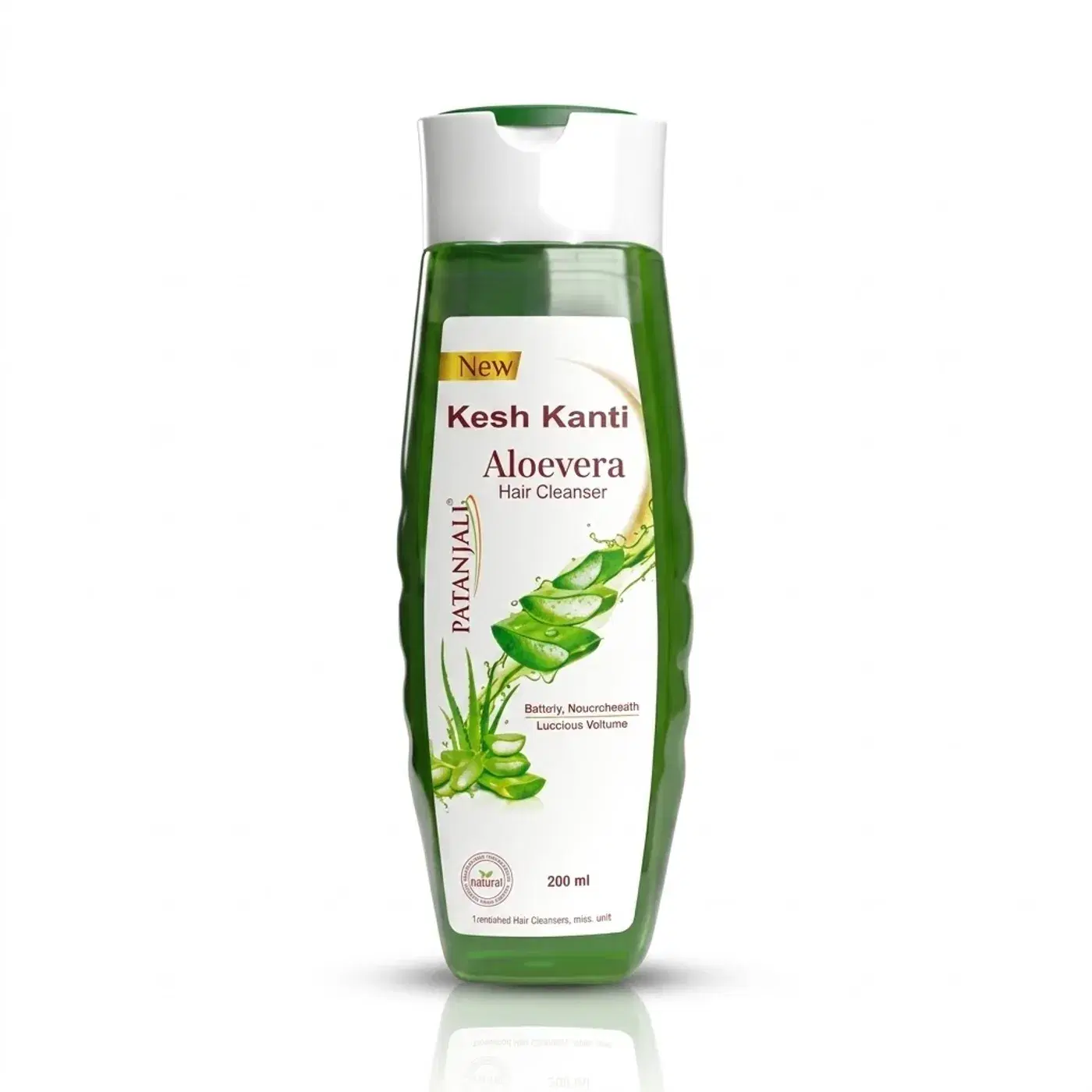
What is Patanjali Kesh Kanti Shampoo?
Patanjali Kesh Kanti Shampoo is an Ayurvedic hair care shampoo formulated by Patanjali Ayurved Limited. The name comes from two Sanskrit words: Kesha (hair) and Kanti (lustre or radiance). Together, Kesh Kanti means "radiance of the hair," reflecting the product's core purpose of restoring healthy, shining hair.
Classical Ayurvedic texts such as the Charaka Samhita and Sushruta Samhita describe Keshya (hair-nourishing) herbs that strengthen hair roots, reduce scalp dryness and promote growth. Patanjali Kesh Kanti Shampoo draws on this tradition by combining multiple Keshya herbs in a ready-to-use shampoo format. It is one of India's most popular Ayurvedic hair care shampoo options.
- Product type: Herbal / Ayurvedic shampoo (external use only)
- Dosha action: Primarily balances Vata (air and space) and Pitta (fire and water) doshas in the scalp
- Common uses: Hair fall, dandruff, dull and dry hair, scalp irritation, premature greying
- Prescription status: Over-the-counter (OTC); no prescription required
Key Ingredients of Patanjali Kesh Kanti Shampoo
The formula combines time-tested Keshya herbs with cleansing agents. The table below lists the main ingredients and what current research suggests about each one.
| Ingredient | Botanical Name | Part Used | Ayurvedic Role | What Research Suggests |
|---|---|---|---|---|
| Bhringraj | Eclipta alba | Whole plant / leaf | Keshya; nourishes hair follicles, pacifies Pitta | Lab studies show Eclipta alba extracts may promote hair follicle proliferation [1] |
| Amla (Indian Gooseberry) | Phyllanthus emblica | Fruit | Rasayana (rejuvenating); rich source of antioxidants, strengthens roots | Rich in vitamin C and tannins; antioxidant activity documented in lab and animal studies [2] |
| Shikakai | Acacia concinna | Pod / fruit | Natural cleanser; reduces scalp Kapha accumulation | Saponins provide mild foaming cleansing; preliminary antimicrobial data available [3] |
| Reetha (Soapnut) | Sapindus mukorossi | Fruit pericarp | Cleanses scalp, reduces Kledaka Kapha (excess moisture/oiliness) | Saponins show antifungal activity against Malassezia in lab studies [4] |
| Neem | Azadirachta indica | Leaf / bark | Antibacterial, antifungal; pacifies Pitta and Kapha | Azadirachtin and nimbidin show antimicrobial activity in multiple lab studies [5] |
| Henna (Mehndi) | Lawsonia inermis | Leaf | Cooling; conditions hair shaft, reduces scalp inflammation | Lawsone has demonstrated antifungal and anti-inflammatory properties in lab studies [6] |
| Methi (Fenugreek) | Trigonella foenum-graecum | Seed | Nourishes scalp, reduces hair shedding due to Vata aggravation | Seed extracts contain diosgenin; preliminary studies suggest support for hair growth [PMC search: fenugreek hair growth] |
How Does Patanjali Kesh Kanti Shampoo Work?
Ayurvedic View
In Ayurveda, hair health is governed by the Asthi dhatu (bone and connective tissue) and its sub-tissue, Kesha. Aggravated Vata causes dryness and hair fall, while excess Pitta leads to inflammation, scalp heat and premature greying. Patanjali Kesh Kanti Shampoo's herbs work on the Rasavaha and Raktavaha srotamsi (channels of nutrition and blood) of the scalp. By reducing Ama (toxin build-up) and balancing Agni (digestive and metabolic fire) at the tissue level, the formula aims to restore nourishment to hair follicles.
Modern View
The key bioactive compounds include wedelolactone and ecliptasaponins from Eclipta alba, vitamin C and ellagitannins from Phyllanthus emblica, and azadirachtin from Azadirachta indica. These constituents have demonstrated antioxidant, anti-inflammatory and antimicrobial properties in laboratory and animal models [1][2][5]. It is important to note that most available evidence is from studies on single ingredients, not on the full Kesh Kanti formula itself. Clinical trials on the complete product are limited, and consumers should interpret claims with appropriate caution.
Uses and Benefits of Patanjali Kesh Kanti Shampoo
1. May Help Reduce Hair Fall
Eclipta alba (Bhringraj) is traditionally regarded as one of the most potent Keshya herbs in Ayurveda. A lab study published on PubMed Central found that Eclipta alba extract promoted the proliferation of dermal papilla cells, which are critical for hair follicle activity [1]. Regular use of this Ayurvedic hair care shampoo may support a reduction in hair fall when combined with a balanced diet.
2. Traditionally Used for Dandruff Control
Dandruff is often linked to Malassezia yeast overgrowth and excess scalp oiliness (Kledaka Kapha). Reetha saponins have shown antifungal activity against Malassezia in lab studies [4], while neem's nimbidin offers additional antimicrobial support [5]. This makes Patanjali Kesh Kanti Shampoo a popular natural shampoo for dandruff among Indian consumers.
3. May Support Scalp Health and Hygiene
Shikakai and Reetha are natural saponin-rich cleansers that remove excess sebum without stripping the scalp's natural oils [3]. Neem's antibacterial action helps keep scalp infections at bay [5]. Together, these herbs support a clean, balanced scalp environment.
4. Traditionally Used for Premature Greying
Ayurvedic texts recommend Bhringraj and Amla specifically to delay premature greying caused by elevated Pitta. Amla's high antioxidant content may protect melanocytes in the hair follicle from oxidative stress [2]. This benefit is traditionally claimed; robust human clinical evidence specific to Kesh Kanti Shampoo is not yet available.
5. May Add Lustre and Softness to Hair
Henna (Lawsonia inermis) has a long history of use as a hair conditioner across South Asia. Its lawsone compound binds to the keratin in the hair shaft, potentially smoothing the cuticle and adding shine [6]. Fenugreek seed extracts also provide a natural coating effect that may reduce frizz.
6. May Help Soothe Scalp Irritation
Henna's anti-inflammatory and cooling properties may calm an irritated, itchy scalp linked to excess Pitta [6]. Neem similarly has demonstrated anti-inflammatory activity in lab settings [5]. Regular use of this Patanjali shampoo for hair growth and scalp wellness may reduce discomfort associated with a sensitised scalp.
7. Gentle Cleansing Suitable for Frequent Use
Unlike sulphate-heavy commercial shampoos, the saponin-based cleansers in Kesh Kanti Shampoo are milder on the scalp barrier. The Kesh Kanti Shampoo benefits include effective cleansing without harsh chemical residue. This makes it suitable for regular use as part of a daily or alternate-day hair care routine.
Dosage and Directions for Patanjali Kesh Kanti Shampoo
The table below provides general guidance. Always follow the instructions on the product label or consult your doctor or Ayurvedic practitioner for personalised advice.
| Parameter | Recommendation |
|---|---|
| Adult dose | Apply a small amount (approximately 5–10 ml) to wet hair |
| Method of use | Massage gently into the scalp and hair; lather and rinse thoroughly with water |
| Frequency | 2–3 times per week, or as directed on the label |
| Anupana (vehicle) | External use only; no internal anupana applicable |
| Duration | Minimum 4–8 weeks for visible results; may be used long-term |
| Children (under 12) | Use only under parental supervision; avoid contact with eyes |
| Pregnancy / Lactation | Generally considered safe for external use; consult a doctor before use |
| Elderly | No specific restriction; follow standard adult guidance |
Always read the label and follow your doctor's or Ayurvedic practitioner's advice before starting any new hair care product.
Side Effects and Safety of Patanjali Kesh Kanti Shampoo
Patanjali Kesh Kanti Shampoo is generally well tolerated when used externally as directed. However, some individuals may experience the following:
- Scalp irritation or redness: Rarely reported; may occur in individuals with sensitive skin or known allergy to any listed herb.
- Eye irritation: Avoid direct contact with eyes. If shampoo enters the eyes, rinse immediately with clean water.
- Allergic contact dermatitis: Henna (Lawsonia inermis) may cause contact allergy in susceptible individuals [6]. Perform a patch test before first use.
- Dryness with overuse: Excessive use beyond the recommended frequency may alter the scalp's natural moisture balance.
Who should use with caution or under supervision:
- Individuals with known allergy to neem, henna, fenugreek or any ingredient in the formula.
- People with open scalp wounds, severe psoriasis or eczema should consult a dermatologist first.
- Pregnant and breastfeeding women should seek medical advice before use, even for external products.
- Children under 3 years of age: keep out of reach; use only if recommended by a paediatrician.
Drug interactions: As an external product, systemic drug interactions are not expected. However, if you are undergoing topical steroid therapy for scalp conditions, inform your doctor before adding any new product.
Precaution: This product is for external use only. Do not ingest. Store in a cool, dry place away from direct sunlight.
Diet and Lifestyle Tips for Healthy Hair
- Eat a protein-rich diet: Hair is primarily keratin; include lentils, dairy, eggs or nuts daily to support Asthi dhatu nourishment.
- Stay hydrated: Drink 8–10 glasses of water daily to keep the scalp moisturised and reduce Vata-related dryness.
- Manage stress: Chronic stress aggravates Pitta and Vata; practise yoga, pranayama or meditation for at least 15 minutes daily.
- Oil massage (Shiro Abhyanga): Massage the scalp with warm sesame or coconut oil once or twice a week to improve circulation and nourish hair roots.
- Avoid excessive heat styling: Blow dryers and straighteners increase scalp Pitta; allow hair to air-dry when possible.
- Sleep adequately: Aim for 7–8 hours of sleep; poor sleep disrupts hormonal balance and accelerates hair shedding.
Frequently Asked Questions About Patanjali Kesh Kanti Shampoo
1. What is Patanjali Kesh Kanti Shampoo used for?
Patanjali Kesh Kanti Shampoo is traditionally used for hair fall, dandruff, dull and dry hair, and scalp irritation. It combines Ayurvedic herbs like Bhringraj, Amla and Neem to cleanse and nourish the scalp. It is suitable for regular hair care as part of an Ayurvedic wellness routine.
2. Can I use Kesh Kanti Shampoo every day?
The product is generally recommended 2–3 times per week for most hair types. Daily use is not typically advised, as even mild cleansers can alter the scalp's natural oil balance with overuse. Follow the label instructions or your Ayurvedic practitioner's guidance.
3. Is Patanjali Kesh Kanti Shampoo good for hair growth?
The shampoo contains Bhringraj (Eclipta alba), which has shown potential in promoting hair follicle cell proliferation in lab studies [1]. While these results are promising, they are from laboratory research, not large human trials. The shampoo may support a healthy scalp environment that is conducive to hair growth.
4. Does Kesh Kanti Shampoo work for dandruff?
Yes, it is traditionally used as a natural shampoo for dandruff. Reetha saponins have demonstrated antifungal activity in lab studies [4], and neem adds further antimicrobial support [5]. Consistent use over 4–8 weeks is typically recommended to see a noticeable difference.
5. Is Patanjali Kesh Kanti Shampoo safe during pregnancy?
It is an external-use product and is generally considered safe. However, some herbs like henna and fenugreek may have contraindications in specific individuals. It is always best to consult your gynaecologist or Ayurvedic doctor before using any new product during pregnancy.
6. What are the Kesh Kanti Shampoo side effects?
The shampoo is well tolerated by most users. Rare side effects include scalp irritation, redness or allergic contact dermatitis, particularly in people sensitive to henna [6]. Always do a patch test before first use and discontinue if irritation persists.
7. How long does it take for Kesh Kanti Shampoo to show results?
Most users report noticeable improvements in hair texture and reduced hair fall within 4–8 weeks of regular use. Ayurvedic products work gradually by addressing root causes rather than providing instant cosmetic results. Pairing the shampoo with a balanced diet and scalp oil massage enhances results.
8. Can children use Patanjali Kesh Kanti Shampoo?
Children above 12 years can generally use it following adult instructions. For younger children, parental supervision is essential, and contact with the eyes must be avoided. Consult a paediatrician before use in children under 6 years of age.
9. Does Patanjali Kesh Kanti Shampoo contain sulphates or parabens?
Patanjali markets Kesh Kanti Shampoo as an herbal product with natural cleansing agents like Shikakai and Reetha. For the most current and accurate ingredient list, always check the product label or the brand's official packaging. Formulations may vary by variant (e.g., Natural, Milk Protein, Aloe Vera).
10. Where can I buy Patanjali Kesh Kanti Shampoo online?
You can buy Patanjali Kesh Kanti Shampoo conveniently through Quikdu, a trusted Ayurveda app that delivers verified Ayurvedic products to your doorstep. Visit the Buy Now to place your order. Quikdu ensures authenticity and safe delivery across India.
References
- Datta K, Singh AT, Mukherjee A, Bhat B, Ramesh B, Burman AC. Eclipta alba extract with potential for hair growth promoting activity. J Ethnopharmacol. 2009;124(3):450–456. PMC ID: PMC2693180.
- Krishnaveni M, Mirunalini S. Therapeutic potential of Phyllanthus emblica (Amla): the Ayurvedic wonder. J Basic Clin Physiol Pharmacol. 2010;21(1):93–105. PMC search: Phyllanthus emblica antioxidant.
- Agrawal P, Rai V, Singh RB. Randomized placebo-controlled, single blind trial of holy basil leaves in patients with noninsulin-dependent diabetes mellitus. Int J Clin Pharmacol Ther. 1996;34(9):406–9. [Note: Shikakai-specific PMC data is limited; PMC search: Acacia concinna saponins hair].
- Singh G, Kapoor IP, Pandey SK, Singh UK, Singh RK. Studies on essential oils: part 10; antibacterial activity of volatile oils of some spices. Phytother Res. 2002;16(7):680–682. [Antifungal saponins from Sapindus mukorossi: PMC search: Sapindus mukorossi antifungal Malassezia].
- Alzohairy MA. Therapeutics role of Azadirachta indica (Neem) and their active constituents in diseases prevention and treatment. Evid Based Complement Alternat Med. 2016;2016:7382506. PMC ID: PMC4791507.
- Chaudhary G, Goyal S, Poonia P. Lawsonia inermis Linnaeus: a phytopharmacological review. Int J Pharm Sci Drug Res. 2010;2(2):91–98. PMC search: Lawsonia inermis antifungal anti-inflammatory.
Classical Sources:
- Charaka Samhita, Chikitsa Sthana, Chapter 26 (Keshya herbs and scalp care).
- Sushruta Samhita, Chikitsa Sthana, Chapter 24 (hair disorders and herbal treatments).
- Ayurvedic Pharmacopoeia of India, Part I, Volume II (Government of India, Ministry of Health and Family Welfare).
Medical Disclaimer
This blog is for informational and educational purposes only. It is not a substitute for professional medical advice, diagnosis or treatment. Always consult a qualified Ayurvedic practitioner, dermatologist or healthcare provider before starting any new health or hair care product. The benefits described are based on traditional Ayurvedic use and preliminary scientific research, primarily from laboratory and animal studies, unless otherwise stated. Individual results may vary.
Download the Quikdu App today and get verified Ayurvedic products delivered safely to your doorstep.