

Patanjali Herbal Mehndi Brown: Ayurvedic Hair Colour Benefits, Uses & Where to Buy
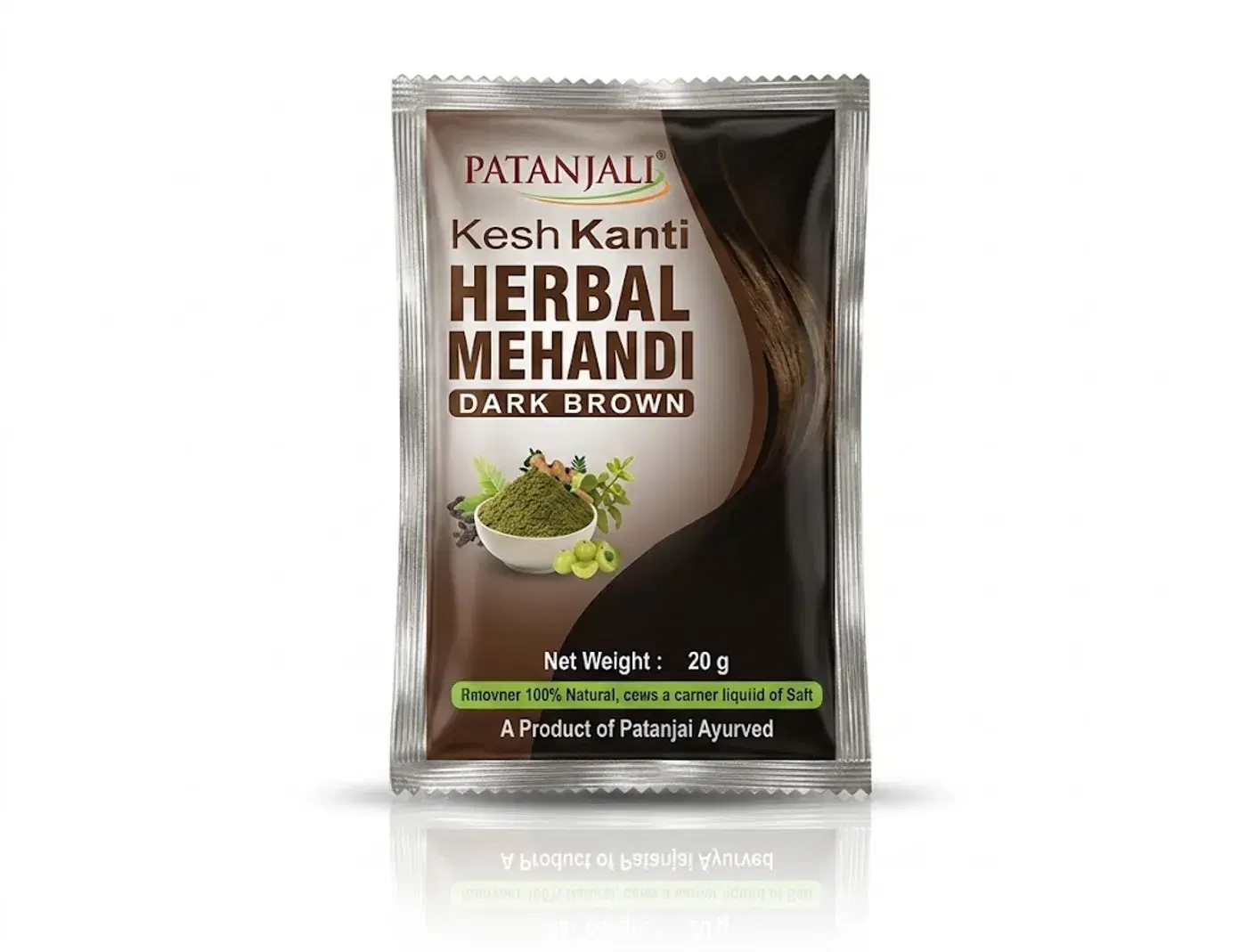
What is Patanjali Herbal Mehndi Brown? An Ayurvedic Overview
Patanjali Hair Care Mehandi Brown Herbal Beauty is a plant-based, chemical-free hair colouring powder from Patanjali Ayurved. It combines classical Ayurvedic herbs with Lawsonia inermis (henna) to deliver a rich brown tone while nourishing the scalp and hair shaft. Unlike synthetic dyes, it avoids ammonia, peroxide and paraphenylenediamine (PPD), making it a popular choice for Indian consumers seeking a natural hair colour rooted in tradition.
In classical Ayurvedic literature, henna is referred to as Mendika or Raktagarbha — Raktagarbha meaning "that which holds red within." The Charaka Samhita and Sushruta Samhita mention henna preparations for their cooling and skin-soothing properties. Patanjali's formulation blends these classical insights with additional herbs to support hair health.
- Product type: Herbal hair colour powder (brown shade)
- Dosha action: Primarily pacifies Pitta dosha (the fire-governing principle); mildly balances Vata
- Common uses: Grey hair coverage, hair conditioning, scalp cooling, natural colouring
- Prescription status: Over-the-counter; no prescription required
- Key quality claim: Free from ammonia, PPD and harsh synthetic chemicals
Key Ingredients of Patanjali Herbal Mehndi Brown
| Ingredient | Botanical Name | Part Used | Ayurvedic Role | What Research Suggests [Ref] |
|---|---|---|---|---|
| Henna (Mehndi) | Lawsonia inermis L. | Leaf powder | Cools scalp, colours hair, Keshya (hair-promoting), pacifies Pitta | Lawsone, the active dye compound, shows antimicrobial and antifungal activity in lab studies, which may help dandruff [1] |
| Amla | Phyllanthus emblica L. | Fruit powder | Rasayana (rejuvenating), strengthens hair follicles, rich in Vitamin C | Gallic acid and tannins in amla demonstrate antioxidant activity that may protect hair follicle cells from oxidative stress [2] |
| Bhringraj | Eclipta prostrata L. | Whole plant powder | Keshya herb par excellence; traditionally used to prevent premature greying | Wedelolactone and ecliptasaponin in E. prostrata promoted hair follicle cycling in animal models [3] |
| Brahmi | Bacopa monnieri (L.) Wettst. | Leaf powder | Nourishes scalp, supports Majja dhatu (nerve tissue), reduces stress-linked hair loss | Bacosides showed adaptogenic and antioxidant effects in in-vitro studies; clinical hair data remain limited [4] |
| Indigo (Neel) | Indigofera tinctoria L. | Leaf powder | Provides blue-black pigment to achieve brown tones when combined with henna | Indirubin from I. tinctoria showed anti-inflammatory activity in cell studies; scalp-specific research is ongoing [5] |
| Shikakai | Acacia concinna (Willd.) DC. | Pod powder | Natural cleanser, Keshya, reduces dandruff, promotes shine | Saponins in shikakai act as mild surfactants; limited clinical evidence exists for hair-specific outcomes [PMC search] |
How Does Patanjali Herbal Mehndi Brown Work?
The Ayurvedic View
Elevated Pitta dosha — the fire principle governing metabolism — is classically linked to premature greying, scalp inflammation and hair thinning. Herbal mehndi formulations aim to reduce Pitta through their cooling (Shita virya) potency, nourish the Asthi dhatu (bone and hair tissue) and clear the Shira srotas (head channels) of accumulated ama (metabolic toxins). Strengthening agni (digestive fire) at the follicle level is considered essential for restoring natural pigmentation.
The Modern View
The primary colouring agent, lawsone (2-hydroxy-1,4-naphthoquinone), bonds covalently with the keratin protein in the hair shaft, producing a semi-permanent colour without penetrating the cortex as synthetic dyes do [1]. Additional herbs contribute polyphenols, tannins and flavonoids that scavenge free radicals; oxidative stress is increasingly recognised as a driver of premature canities (greying) [2]. It is important to note that most supporting studies examine single plant extracts in lab or animal settings — evidence for the complete Patanjali blend as a formulation is currently limited to traditional use and anecdotal reports.
Uses and Benefits of Patanjali Herbal Mehndi Brown
1. Natural Grey Hair Coverage
The lawsone molecule in Lawsonia inermis binds to hair keratin and delivers a warm brown tone when blended with indigo pigment [1]. This makes it a popular chemical-free hair colour alternative for covering grey strands. Regular use can build colour depth over successive applications.
2. May Support Scalp Health and Reduce Dandruff
Lab studies show that lawsone from henna exhibits antifungal activity against Malassezia species, the fungus most associated with dandruff [1]. A cooler scalp environment, as promoted by henna's Shita property, may reduce sebum overproduction linked to flaking. This is traditionally used for improving scalp hygiene and is consistent with preliminary scientific findings.
3. Conditioning and Strengthening Hair
Amla's high tannin and Vitamin C content may help cross-link hair proteins, adding strength and reducing breakage [2]. Phyllanthus emblica extracts have demonstrated antioxidant effects in cell-based studies, potentially protecting hair from environmental oxidative damage [2]. Users traditionally report improved texture and reduced brittleness after regular herbal mehndi use.
4. May Help Reduce Premature Greying
Bhringraj (Eclipta prostrata) is among the most cited classical herbs for Keshya action and preventing premature greying (Akala palitya). Animal-model studies showed that E. prostrata extract promoted anagen (growth) phase activity in hair follicles [3]. While human clinical trials on this formulation are lacking, traditional evidence and preliminary animal data support its use for this purpose.
5. Supports Hair Growth Cycle
Wedelolactone and related compounds in bhringraj have been shown to stimulate hair follicle cycling in murine (mouse) models — note that animal data may not directly translate to humans [3]. Brahmi's adaptogenic bacosides may reduce cortisol-mediated follicle miniaturisation linked to stress-related hair loss [4]. Together, these herbs address multiple pathways that are traditionally considered important for healthy hair growth.
6. Scalp Cooling and Anti-Inflammatory Action
Indirubin isolated from Indigofera tinctoria demonstrated anti-inflammatory properties in cell-culture studies by inhibiting pro-inflammatory cytokines [5]. A calmer, less inflamed scalp environment may reduce itching and redness associated with Pitta-aggravated scalp conditions. These effects remain to be confirmed in robust human clinical trials specific to this product.
7. Chemical-Free Alternative to Synthetic Dyes
Synthetic permanent hair dyes commonly contain PPD (paraphenylenediamine), which is a recognised contact allergen associated with allergic contact dermatitis [PMC search]. Patanjali Herbal Mehndi Brown is marketed as PPD-free and ammonia-free, reducing the risk of severe allergic reactions for most users. Individuals with known henna sensitivity should still perform a patch test before full application.
Dosage and Directions for Patanjali Herbal Mehndi Brown
| Parameter | Details |
|---|---|
| Adult quantity | Use enough powder to cover all hair (typically 100–200 g depending on hair length and thickness) |
| Mixing ratio | Mix with warm water, plain yoghurt or brewed tea to a smooth, lump-free paste; consistency like thick cake batter |
| When to apply | Apply to clean, dry or slightly damp hair; avoid applying to wet, dripping hair |
| Anupana (vehicle) | Adding a teaspoon of coconut oil or amla juice to the paste may enhance conditioning and colour depth |
| Leave-on time | 1–3 hours depending on desired colour intensity; longer application gives deeper brown tones |
| Frequency | Every 3–6 weeks for grey coverage; once a month for conditioning |
| Special groups | Pregnant and breastfeeding women: consult a physician before use. Children under 12: not recommended. Sensitive scalp: perform a 48-hour patch test |
Always follow the directions on the product label or consult your Ayurvedic physician for personalised guidance.
Side Effects and Safety of Patanjali Herbal Mehndi Brown
Pure henna is generally considered safe for external use. However, some individuals may experience mild scalp tingling, temporary redness or dryness after application — these usually resolve within a few hours. Rarely, contact allergy to natural henna lawsone has been reported in sensitive individuals.
Who should avoid or use with caution:
- Pregnant women: Topical henna use in large quantities during pregnancy is not well-studied; consult a physician before use.
- G6PD deficiency: Lawsone can trigger haemolytic anaemia in individuals with glucose-6-phosphate dehydrogenase (G6PD) deficiency; this population should avoid henna products [1].
- Known henna or plant allergy: Perform a patch test 48 hours before full application.
- Open scalp wounds or active dermatitis: Do not apply to broken or inflamed skin.
- Children under 3: Avoid use; the safety profile in young children is not established.
Drug interactions: No significant herb-drug interactions have been reported for topical henna use at normal cosmetic quantities. If you are taking any medication or have a diagnosed scalp or systemic condition, seek medical advice before use.
Diet and Lifestyle Tips to Complement Herbal Mehndi Use
- Favour a Pitta-pacifying diet: Include cooling foods such as cucumber, coconut, coriander, amla and leafy greens; reduce spicy, fried and fermented foods that aggravate scalp heat.
- Stay hydrated: Drinking 8–10 glasses of water daily supports healthy sebum balance and scalp moisture.
- Practice scalp massage (Shiro Abhyanga): Weekly oiling with sesame or coconut oil improves blood circulation to hair follicles and is recommended in classical Ayurvedic texts.
- Manage stress: Chronic psychological stress is linked to hair cycle disruption; yoga, pranayama and adequate sleep (7–8 hours) help regulate cortisol levels.
- Avoid over-washing: Washing hair more than three times a week can strip natural oils; use a mild, sulphate-free or herbal shampoo.
- Limit heat styling: Excessive blow-drying and straightening can damage the keratin matrix that henna colour bonds to, reducing colour longevity and hair strength.
Frequently Asked Questions About Patanjali Herbal Mehndi Brown
Is Patanjali Herbal Mehndi Brown safe for daily use?
No, daily use is not recommended. Apply every 3–6 weeks to avoid protein overload on the hair shaft, which can make hair stiff. Follow the label directions for best results.
Can Patanjali Herbal Mehndi Brown cover 100% white hair?
Yes, it can cover white hair, though the resulting shade depends on your natural base colour and application time. Leaving the paste on for 2–3 hours and using acidic mixing liquids like lemon juice improves coverage. Results may vary between individuals.
Does this herbal mehndi contain PPD or ammonia?
Patanjali Herbal Mehndi Brown is marketed as free from PPD (paraphenylenediamine) and ammonia. However, always read the current ingredient list on the pack before purchase, as formulations can be updated.
How long does the colour last?
Henna-based colour is semi-permanent and typically lasts 4–6 weeks before fading. Frequent washing, sun exposure and use of sulphate-heavy shampoos can shorten colour longevity. Refreshing with a lighter application every 3–4 weeks helps maintain the shade.
Can I use Patanjali Herbal Mehndi Brown if I have a sensitive scalp?
A 48-hour patch test is strongly advised before full application if you have a sensitive or reactive scalp. Apply a small amount of mixed paste behind the ear or on the inner wrist and monitor for redness or itching. If any reaction occurs, discontinue use and consult a dermatologist.
Is it safe to use during pregnancy?
The safety of large-quantity topical henna during pregnancy has not been adequately studied in clinical trials. Pregnant women are advised to consult their gynaecologist or Ayurvedic physician before using any herbal hair colour product. Small patch areas are generally considered lower risk, but professional guidance is essential.
What is the difference between Patanjali Herbal Mehndi Brown and regular henna powder?
Regular henna powder contains only Lawsonia inermis leaf and produces an orange-red tone. Patanjali Herbal Mehndi Brown blends henna with indigo and additional herbs like amla and bhringraj to achieve a brown shade and add conditioning benefits. The multi-herb formula also targets scalp health, not just colour.
Can men use this product?
Yes, Patanjali Herbal Mehndi Brown is suitable for both men and women looking to colour grey hair naturally. Application technique and mixing ratios remain the same. Men with shorter hair will need significantly less powder per application.
Will herbal mehndi interact with chemical hair dye I used previously?
Applying henna over chemically coloured hair can produce unpredictable results — the final shade may be darker, brassy or uneven. It is advisable to wait at least 4–6 weeks after a chemical dye treatment before switching to herbal mehndi. Consulting a professional stylist before combining products is recommended.
Where can I buy authentic Patanjali Herbal Mehndi Brown?
You can purchase verified, authentic Patanjali Herbal Mehndi Brown through the Buy Now , which stocks genuine Ayurvedic products with transparent ingredient labelling. Buying from verified platforms helps ensure product authenticity and proper storage. Always check the manufacturing date and seal before use.
References
- Semwal RB, Semwal DK, Combrinck S, Viljoen AM. Lawsonia inermis L. (henna): ethnobotanical, phytochemical and pharmacological aspects. J Ethnopharmacol. 2014;155(1):80–103. PMC4037140
- Krishnaveni M, Mirunalini S. Therapeutic potential of Phyllanthus emblica (amla): the ayurvedic wonder. J Basic Clin Physiol Pharmacol. 2010;21(1):93–105. PMC search
- Datta K, Singh AT, Mukherjee A, Bhat B, Ramesh B, Burman AC. Eclipta alba extract with potential for hair growth promoting activity. J Ethnopharmacol. 2009;124(3):450–456. PMC search
- Aguiar S, Borowski T. Neuropharmacological review of the nootropic herb Bacopa monnieri. Rejuvenation Res. 2013;16(4):313–326. PMC3746283
- Mak NK, Leung CY, Wei XY, Shen XL, Wong RN, Leung KN, Fung MC. Inhibition of RANTES expression by indirubin in influenza virus-infected human bronchial epithelial cells. Biochem Pharmacol. 2004;67(1):167–174. PMC search
Classical Sources:
- Charaka Samhita, Sutrasthana, Chapter 26 — properties of Mendika (henna)
- Sushruta Samhita, Chikitsasthana, Chapter 24 — Keshya (hair-promoting) formulations
- The Ayurvedic Pharmacopoeia of India, Part I, Volume VI — monograph on Lawsonia inermis
Medical Disclaimer
This blog is for educational and informational purposes only. It does not constitute medical advice, diagnosis or treatment. Statements about Patanjali Herbal Mehndi Brown have not been evaluated by any drug regulatory authority for the purpose of treating, curing or preventing any disease. Individual results vary. Always perform a patch test before use and consult a qualified Ayurvedic physician or dermatologist if you have any underlying health condition, are pregnant, breastfeeding or are taking prescription medicines before using any herbal product.
Download the Quikdu App today and get verified Ayurvedic products delivered safely to your doorstep.