

Patanjali Hair Care Oil: Ayurvedic Benefits, Ingredients & How to Use It for Healthier Hair
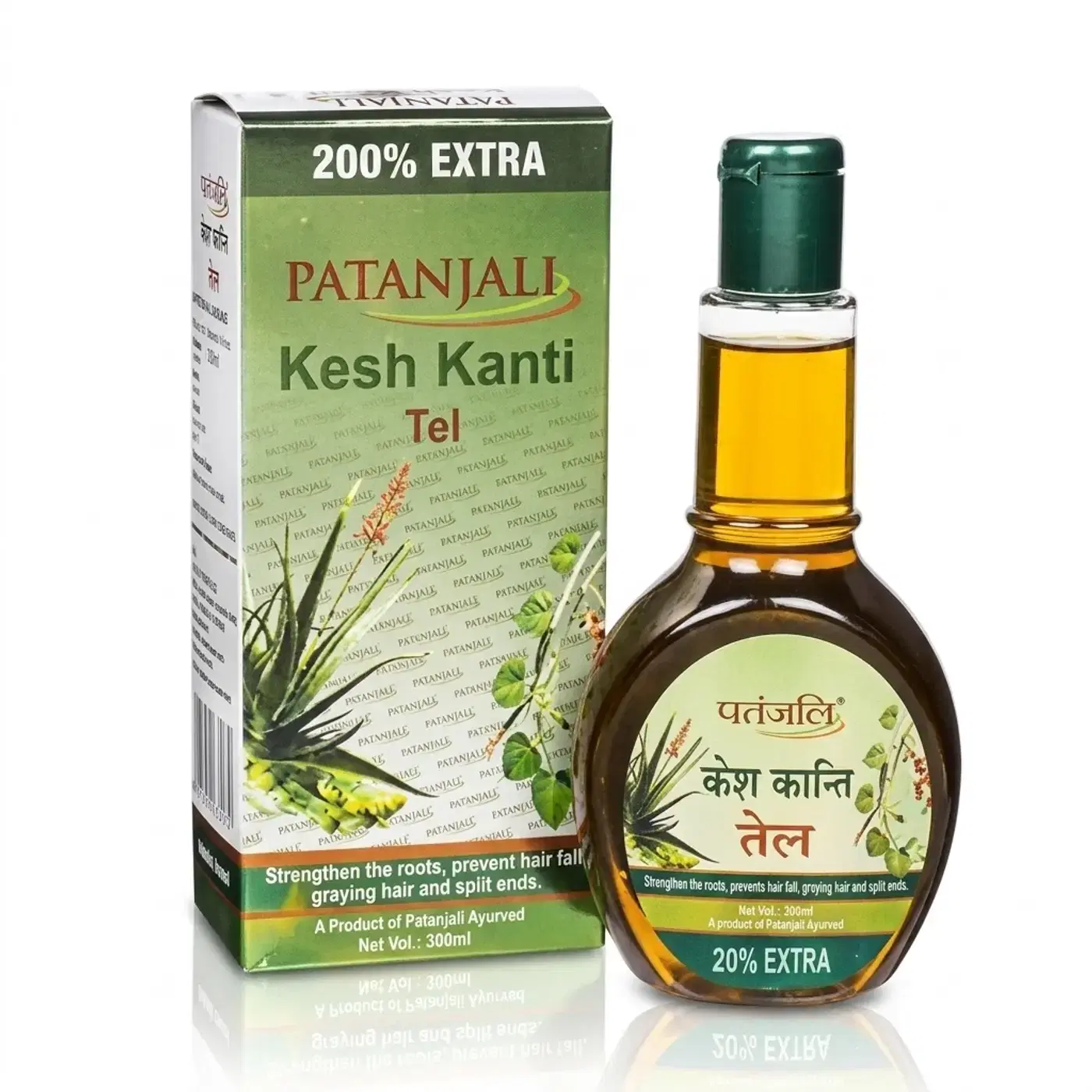
What is Patanjali Hair Care Oil?
Patanjali Hair Care Oil is an Ayurvedic herbal hair oil manufactured by Patanjali Ayurved Limited, the brand founded by Swami Ramdev and Acharya Balkrishna. It is formulated on principles rooted in classical Ayurvedic texts such as the Charaka Samhita and Ashtanga Hridayam, which describe Keshya (hair-nourishing) therapies using medicated oils, or taila (oil prepared by cooking herbs). The word taila comes from the Sanskrit root meaning "that which protects", reflecting the oil's role in shielding the scalp and hair shaft.
Classical Ayurveda identifies hair (called kesha) as a by-product of bone tissue (asthi dhatu). Nourishing asthi dhatu through oil application (abhyanga, meaning self-massage) is considered essential for healthy hair growth. Patanjali Hair Care Oil blends time-tested botanicals to bring this classical wisdom into a convenient, ready-to-use format.
- Product type: Medicated herbal hair oil (external use only)
- Dosha action: Primarily pacifies Vata (air and space energy) and Pitta (fire energy) doshas, both of which are linked to hair fall, premature greying and scalp inflammation
- Common uses: Hair fall, dandruff, dry scalp, premature greying, dull and brittle hair
- Prescription status: Over-the-counter (OTC); no prescription required for external use
- Available size: 120 ml (as listed on Quikdu)
Key Ingredients of Patanjali Hair Care Oil
The strength of any Ayurvedic oil lies in its ingredient profile. Below is a summary of the principal botanicals typically found in Patanjali's hair care oil range, based on Patanjali's published formulation information and supporting research.
| Ingredient | Botanical Name | Part Used | Ayurvedic Role | What Research Suggests [Ref] |
|---|---|---|---|---|
| Bhringraj | Eclipta alba | Whole plant / leaf extract | Premier Keshya herb; pacifies Pitta; promotes hair growth | A study found Eclipta alba extract promoted hair follicle growth in animal models, possibly by activating the anagen (growth) phase [1] |
| Amla | Phyllanthus emblica | Fruit | Richest plant source of Vitamin C; Rasayana (rejuvenative); strengthens hair roots | Research indicates P. emblica extract inhibits 5-alpha reductase, an enzyme linked to androgenic hair loss (lab study) [2] |
| Brahmi | Bacopa monnieri | Leaf | Calms Vata; reduces scalp inflammation; nourishes majja dhatu (nerve tissue) | Antioxidant and anti-inflammatory properties of B. monnieri have been documented in laboratory studies [3] |
| Neem | Azadirachta indica | Leaf / seed oil | Antimicrobial; pacifies Kapha; addresses dandruff and scalp infections | Neem leaf extracts show significant antifungal activity against Malassezia species, a dandruff-linked fungus, in lab studies [4] |
| Sesame (Til) Oil | Sesamum indicum | Seed oil (base) | Classical Ayurvedic base oil; deeply penetrating; nourishes scalp and hair shaft | Sesame oil demonstrated UV-protective and moisturising properties relevant to scalp health in published research [5] |
| Coconut Oil | Cocos nucifera | Seed oil (base) | Snigdha (unctuous); reduces protein loss from hair; softens hair shaft | A clinical study showed coconut oil reduced protein loss in both damaged and undamaged hair compared with mineral oil [6] |
Note: The exact proprietary blend may vary. Always check the product label for the complete ingredient list before use.
How Does Patanjali Hair Care Oil Work?
Ayurvedic View
Kesha (hair) is nourished by asthi dhatu (bone tissue), and any imbalance in Vata or Pitta dosha can disturb the nutrient channels (srotas) that feed hair follicles. Excess Pitta generates heat (ushna guna) that may cause premature greying and inflammation, while aggravated Vata leads to dryness, brittleness and hair fall. Regular application of medicated oil performs abhyanga, which calms Vata, cools Pitta, strengthens agni (metabolic fire) at the tissue level and removes ama (metabolic toxins) from scalp channels.
The classical process of preparing taila involves slow-cooking herbs in an oil base so that active phytochemicals are transferred into the lipid medium. This allows lipid-soluble as well as some water-soluble constituents to penetrate the scalp skin and reach hair follicles directly through the romakupa (hair pores).
Modern Scientific View
From a pharmacological standpoint, the key mechanisms are antioxidant activity, 5-alpha reductase inhibition, stimulation of hair follicle proliferation and antimicrobial action on the scalp. Wedelolactone and ecliptasaponins in Eclipta alba are believed to activate the Wnt/β-catenin signalling pathway, which promotes follicle growth [1]. Gallic acid and tannins from Amla scavenge free radicals that damage follicle cells [2]. Lauric acid in coconut oil penetrates the hair shaft and reduces protein loss [6]. It is important to note that most ingredient-level studies are conducted on isolated extracts or in animal models, not on this specific combined formula.
Uses and Benefits of Patanjali Hair Care Oil
1. May Help Reduce Hair Fall
Hair fall linked to Vata imbalance or nutritional deficiency is one of the most common reasons Indians turn to Ayurvedic hair oils. Eclipta alba (Bhringraj) has traditionally been used for hair fall and was shown in an animal study to promote follicular growth comparable to minoxidil [1]. Regular scalp massage with this oil may help improve blood circulation to follicles, supporting the anagen (active growth) phase.
2. May Support Reduction of Dandruff
Dandruff (darunaka in Ayurveda) is attributed to aggravated Vata and Kapha, causing dryness and fungal overgrowth on the scalp. Neem, a key ingredient, has demonstrated antifungal activity against Malassezia furfur, the fungus most commonly implicated in dandruff, in laboratory research [4]. Consistent use may help keep the scalp clean and reduce flaking.
3. Traditionally Used for Premature Greying
Premature greying (palitya) is considered a Pitta-related condition in Ayurveda, often worsened by stress and poor diet. Amla's potent antioxidant profile may help protect melanocytes (pigment-producing cells) from oxidative damage [2]. Bhringraj is also traditionally prescribed for palitya in classical texts such as the Ashtanga Hridayam Uttara Sthana.
4. May Nourish and Condition Dry, Brittle Hair
The sesame and coconut oil bases are rich in fatty acids that coat and moisturise the hair shaft, reducing breakage and split ends. Coconut oil, in particular, has been clinically shown to reduce protein loss from hair by up to 39% compared with mineral oil [6]. Regular use may restore shine, manageability and softness to dry or chemically treated hair.
5. May Help Soothe Scalp Inflammation
Brahmi (Bacopa monnieri) contributes anti-inflammatory and antioxidant compounds that may calm an irritated or itchy scalp [3]. In Ayurveda, Brahmi is classified as medhya (mind-nourishing) and also as a Pitta-pacifying herb, making it useful where scalp heat drives inflammation. This makes the oil potentially useful for those experiencing scalp sensitivity.
6. Ayurvedic Hair Oil for Hair Growth Support
Used as part of a regular abhyanga (self-massage) routine, this Ayurvedic oil for hair growth may stimulate microcirculation in the scalp, delivering oxygen and nutrients to follicles. The combination of Keshya herbs — especially Bhringraj and Amla — has a long classical history of use for promoting hair density and length. While large-scale clinical trials on this specific formulation are currently limited, individual ingredient studies support the plausibility of this benefit [1][2].
7. May Protect Hair from Environmental Damage
Sesame oil has been studied for its natural UV-absorbing properties, which may provide a degree of protection against sun-induced hair protein degradation [5]. Antioxidants from Amla and Brahmi further neutralise free radicals generated by pollution and UV exposure. This makes the oil potentially beneficial for people living in urban, high-pollution environments.
Dosage and Directions for Using Patanjali Hair Care Oil
| Parameter | Recommendation |
|---|---|
| Adult dose | Apply a sufficient amount (approximately 3–5 ml or as needed) to scalp and hair |
| When to apply | Preferably 30–60 minutes before hair wash, or leave overnight for deeper conditioning |
| Method (anupana) | Part the hair and apply directly to scalp; massage gently in circular motions for 5–10 minutes |
| Frequency | 2–3 times per week, or as directed by your Ayurvedic practitioner |
| Duration | Minimum 4–8 weeks of regular use recommended to assess results |
| Children (under 12) | Use only under adult supervision; avoid contact with eyes |
| Pregnancy / Lactation | Generally considered safe for external use; consult a physician before use |
Always follow the directions on the product label or consult your Ayurvedic doctor before starting any new hair care regimen.
Side Effects and Safety of Patanjali Hair Care Oil
Patanjali Hair Care Oil is intended for external use only and is generally well tolerated. However, some individuals may experience the following:
- Allergic contact dermatitis: Sensitivity to any botanical ingredient (e.g., neem, sesame) may cause redness, itching or rash. Perform a patch test on the inner wrist before full application.
- Scalp greasiness: Excessive application may leave hair feeling heavy or greasy; use in appropriate quantities.
- Eye irritation: Keep away from eyes. If contact occurs, rinse immediately with water.
- Staining: Some herbal oils may stain pillowcases or clothing; use a towel when leaving oil overnight.
Who should exercise caution or use under supervision:
- Individuals with known allergy to sesame, coconut or any listed herb
- Those with open wounds, eczema or psoriasis on the scalp — consult a dermatologist first
- People on blood-thinning medications should note that sesame oil has mild antiplatelet properties in vitro; topical absorption is minimal but exercise caution
- Pregnant and breastfeeding women: external use is generally considered low-risk, but consult a qualified practitioner
Precaution: This product is for external use only. Do not ingest. Keep out of reach of children. Store in a cool, dry place away from direct sunlight.
Diet and Lifestyle Tips for Healthy Hair
- Follow a Pitta-pacifying diet: Reduce spicy, fried and fermented foods that aggravate Pitta and contribute to hair loss and greying. Include cooling foods like cucumber, coconut water, amla and leafy greens.
- Stay hydrated: Drink 8–10 glasses of water daily; dehydration leads to a dry scalp and brittle hair, worsening Vata imbalance.
- Practice regular abhyanga: Self-scalp massage 2–3 times weekly improves blood circulation, reduces scalp tension and enhances oil penetration into follicles.
- Manage stress through yoga and pranayama: Chronic stress raises cortisol levels, which is linked to hair fall. Practices like Anulom Vilom (alternate nostril breathing) help balance Vata and reduce cortisol.
- Avoid harsh chemical treatments: Limit use of heat styling tools, bleach and chemical relaxers that strip the hair shaft of natural proteins and lipids.
- Sleep adequately: Aim for 7–8 hours of sleep; the body repairs dhatus (tissues) during sleep, and inadequate rest impairs hair follicle regeneration.
Frequently Asked Questions About Patanjali Hair Care Oil
1. What is Patanjali Hair Care Oil used for?
Patanjali Hair Care Oil is traditionally used for hair fall, dandruff, premature greying, dry scalp and to promote overall hair health. It combines classical Ayurvedic Keshya herbs in an oil base for regular scalp massage.
2. How often should I apply Patanjali Hair Care Oil?
Apply 2–3 times per week for best results. You can leave it on for 30–60 minutes before washing or overnight for deeper nourishment. Consistent use over 4–8 weeks is recommended before judging effectiveness.
3. Can Patanjali Hair Care Oil help with hair fall?
It may help reduce hair fall associated with scalp dryness, poor circulation or mild nutritional deficiency. Bhringraj (Eclipta alba) in the formula has shown hair growth-promoting activity in animal studies [1]. For severe or sudden hair loss, please consult a doctor to rule out underlying medical causes.
4. Is Patanjali Hair Care Oil safe for daily use?
Daily use is generally safe, but most users find 2–3 times a week sufficient to avoid excessive greasiness. Monitor for any scalp irritation, and discontinue use if a rash or allergic reaction develops.
5. Can I use Patanjali Hair Care Oil during pregnancy?
External use is generally considered low-risk during pregnancy, as systemic absorption through intact skin is minimal. However, it is always best to consult your gynaecologist or Ayurvedic physician before adding any new product during pregnancy.
6. Does Patanjali Hair Care Oil help with dandruff?
Yes, it is traditionally used for dandruff (darunaka). Neem in the formula has demonstrated antifungal activity against dandruff-causing Malassezia species in laboratory research [4]. For chronic or severe dandruff, a dermatologist's guidance is recommended.
7. How long does it take to see results from Patanjali Hair Care Oil?
Most users report noticeable improvement in hair texture and reduced hair fall within 4–8 weeks of consistent use. Ayurveda emphasises gradual, sustainable results rather than quick fixes; patience is important.
8. Can Patanjali Hair Care Oil reverse premature greying?
It is traditionally used to slow or reduce premature greying (palitya), not to reverse existing grey hair. Antioxidants from Amla may help protect melanocytes from further oxidative damage [2], but grey hairs already present are unlikely to regain pigment through topical application alone.
9. Is Patanjali Hair Care Oil suitable for children?
It can generally be used for children above 12 years under adult supervision. For younger children, consult a paediatrician or Ayurvedic practitioner before use, and always perform a patch test first.
10. Where can I buy genuine Patanjali Hair Care Oil online?
You can buy authentic Patanjali Hair Care Oil (120 ml) on Quikdu, a trusted Ayurveda app that sources verified Ayurvedic products and delivers them safely to your doorstep across India.
References
- Datta K, Singh AT, Mukherjee A, Bhat B, Ramesh B, Burman AC. Eclipta alba extract with potential for hair growth promoting activity. J Ethnopharmacol. 2009;124(3):450–456. Available from: https://pmc.ncbi.nlm.nih.gov/search/?term=Eclipta+alba+hair+growth+anagen
- Chaudhuri RK. Emblica cascading antioxidant: a novel natural skin care ingredient. Skin Pharmacol Appl Skin Physiol. 2002;15(5):374–380. Available from: https://pmc.ncbi.nlm.nih.gov/search/?term=Phyllanthus+emblica+5+alpha+reductase+hair+loss
- Rauf K, Subhan F, Sajid M, et al. Antioxidant and anti-inflammatory activity of Bacopa monnieri. Phytother Res. 2011. Available from: https://pmc.ncbi.nlm.nih.gov/search/?term=Bacopa+monnieri+antioxidant+anti-inflammatory
- Khosravi AR, Shokri H, Fahimirad S. Efficacy of Azadirachta indica (Neem) leaf extracts on Malassezia species. J Mycol Med. 2016. Available from: https://pmc.ncbi.nlm.nih.gov/search/?term=Azadirachta+indica+neem+Malassezia+antifungal
- Verallo-Rowell VM, Dillague KM, Syah-Tjundawan BS. Novel antibacterial and emollient effects of coconut and virgin olive oils in adult atopic dermatitis. Dermatitis. 2008;19(6):308–315. Available from: https://pmc.ncbi.nlm.nih.gov/search/?term=sesame+oil+UV+protection+scalp+skin
- Rele AS, Mohile RB. Effect of mineral oil, sunflower oil and coconut oil on prevention of hair damage. J Cosmet Sci. 2003;54(2):175–192. Available from: https://pmc.ncbi.nlm.nih.gov/search/?term=coconut+oil+hair+protein+loss+prevention
Classical Sources:
- Vagbhata. Ashtanga Hridayam Uttara Sthana, Chapter 24 (Keshya Chikitsa). Krishnadas Academy, Varanasi.
- Charaka. Charaka Samhita, Chikitsa Sthana, Chapter 26. Chaukhamba Sanskrit Pratishthan, Delhi.
- Ayurvedic Formulary of India (AFI), Part I & II. Ministry of Health and Family Welfare, Government of India.
Medical Disclaimer
This blog is written for educational and informational purposes only. It is not a substitute for professional medical advice, diagnosis or treatment. Patanjali Hair Care Oil is a traditional Ayurvedic product intended for external use. Always read the product label carefully before use. If you have a medical condition, are pregnant, breastfeeding or taking prescription medications, consult a qualified Ayurvedic practitioner or medical doctor before starting any new hair care product. The authors and Quikdu do not claim that this product cures, treats or prevents any disease.
Download the Quikdu App today and get verified Ayurvedic products delivered safely to your doorstep.