

Patanjali Divya Eyegrit Gold Tablet: Uses, Benefits, Dosage & Side Effects – Buy Now
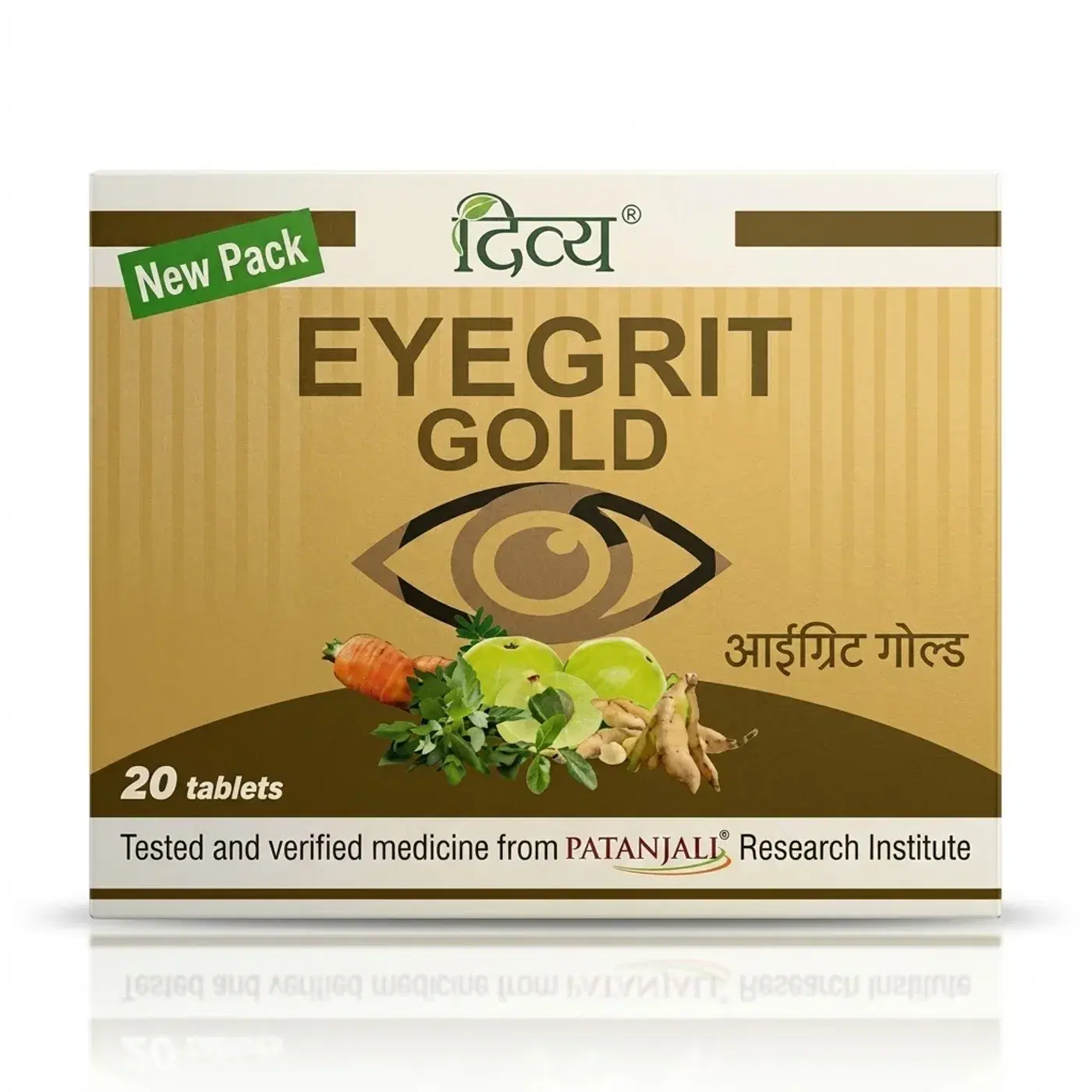
What is Patanjali Divya Eyegrit Gold Tablet?
Patanjali Divya Eyegrit Gold Tablet is a classical Ayurvedic formulation designed to support eye health and vision. It is manufactured by Patanjali Ayurved Limited under the guidance of Acharya Balkrishna and is based on time-tested Ayurvedic principles described in ancient texts such as the Ashtanga Hridayam (meaning “Heart of the Eight Branches of Ayurveda”). The formulation combines potent herbs and minerals known in Ayurveda for their Chakshushya (eye-nourishing) properties.
The name “Eyegrit Gold” reflects its dual purpose: supporting the grit and resilience of eye tissues while incorporating gold-based Bhasma (meaning “calcined ash preparation”) that Ayurveda associates with cellular rejuvenation. This product is widely used across India as a supportive supplement for those experiencing eye strain, weak vision and age-related eye concerns.
- Product type: Ayurvedic proprietary medicine in tablet form
- Dosha action: Primarily balances Pitta dosha (the bio-energy governing heat, digestion and vision) and pacifies Vata dosha (the bio-energy governing movement and nerve function)
- Common uses: Eye strain, weak eyesight, dry eyes, early-stage cataract support and general eye nourishment
- Prescription status: Over-the-counter Ayurvedic supplement; consult a qualified Ayurvedic physician for chronic or serious eye conditions
Key Ingredients of Patanjali Divya Eyegrit Gold Tablet
Eyegrit Gold combines classical Ayurvedic herbs and mineral preparations. The table below summarises each ingredient, its role in Ayurveda and what current research suggests.
| Ingredient | Botanical / Classical Name | Part Used | Ayurvedic Role | What Research Suggests [Ref] |
|---|---|---|---|---|
| Triphala | Terminalia chebula, Terminalia bellirica, Phyllanthus emblica | Fruit | Chakshushya (eye tonic), Rasayana (rejuvenative), antioxidant | Lab studies show Triphala extracts protect retinal cells from oxidative damage and may inhibit cataract formation [1] |
| Saptamrita Lauha | Iron-based classical compound with Triphala and Glycyrrhiza glabra | Mineral + herb | Nourishes Rasa and Rakta dhatu (plasma and blood tissue), supports optic nerve health | PMC search pending; iron bioavailability from Ayurvedic Lauha preparations is under investigation [PMC search] |
| Yashtimadhu | Glycyrrhiza glabra | Root | Anti-inflammatory, Chakshushya, soothes Pitta | Glycyrrhizin from licorice root shows anti-inflammatory and antioxidant activity in cell-based studies [2] |
| Haritaki | Terminalia chebula | Fruit | Medhya (brain and nerve tonic), Chakshushya, Tridoshaghna (balances all three doshas) | Chebulinic acid in Haritaki shows antioxidant and neuroprotective effects in animal studies [3] |
| Swarna Bhasma | Calcined gold (nano-particulate gold) | Mineral Bhasma | Rasayana, cellular rejuvenation, enhances drug bioavailability | Nano-gold particles show anti-inflammatory properties in lab studies; clinical evidence in eye disease is limited [4] |
| Mahatriphala Ghrita | Ghee-based preparation with Triphala and additional herbs | Herbal ghee | Nourishes Mamsadhatu (muscle tissue) of the eye, lubricates dry tissues | Ghee-based formulations improve lipid solubility and absorption of fat-soluble antioxidants; direct clinical trials are lacking [PMC search] |
| Punarnava | Boerhavia diffusa | Root | Reduces Shotha (oedema), Chakshushya, diuretic | Animal studies show Punarnava extract reduces intraocular pressure and has anti-inflammatory effects [5] |
How Does Patanjali Divya Eyegrit Gold Tablet Work?
Ayurvedic View
According to Ayurveda, healthy vision depends on the balance of Alochaka Pitta (the sub-type of Pitta governing sight) and the nourishment of Chakshus (the eyes as a sense organ). Eyegrit Gold is formulated to pacify excess Pitta and Vata, which are considered the primary causative factors in eye disorders such as redness, dryness and blurred vision. The formulation acts on the Pranavaha srotas (channels carrying life energy) and Rasavaha srotas (channels carrying nutrients), clearing Ama (metabolic toxins) and strengthening Ojas (vital essence) in the eye tissues. The Rasayana herbs and Bhasma preparations enhance Agni (digestive and metabolic fire) at the cellular level, promoting tissue regeneration in the Mamsadhatu and Majjadhatu (muscle and nerve tissues) of the eye.
Modern Pharmacological View
From a modern perspective, the benefits of Eyegrit Gold are driven largely by the antioxidant and anti-inflammatory compounds in its herbal ingredients. Gallic acid, ellagic acid and chebulinic acid found in Triphala have been shown in lab and animal studies to scavenge free radicals, reduce oxidative stress in retinal cells and inhibit inflammatory mediators such as TNF-α and IL-6 [1][3]. Glycyrrhizin from Yashtimadhu demonstrates anti-inflammatory activity by suppressing NF-κB pathways in cell studies [2]. Swarna Bhasma, processed into nano-particulate form through classical Shodhana (purification) methods, may enhance the bioavailability of co-administered herbal compounds, though robust human clinical trials on the complete Eyegrit Gold formula are not yet available. Most current evidence is from studies on individual ingredients, not the combined formulation.
Uses and Benefits of Patanjali Divya Eyegrit Gold Tablet
1. May Support Overall Eye Health and Vision Clarity
Eyegrit Gold is traditionally used to nourish the eye tissues and maintain clarity of vision. The Chakshushya herbs in the formula, particularly Triphala and Haritaki, have demonstrated protective effects on retinal cells in laboratory settings [1][3]. Regular use, alongside a balanced diet, may help maintain healthy eyesight.
2. May Help Reduce Eye Strain and Fatigue
In the digital age, prolonged screen time leads to Drishti Dosha (impairment of vision) caused by Vata and Pitta aggravation. Eyegrit Gold's anti-inflammatory and antioxidant ingredients may help soothe tired, strained eyes. Yashtimadhu's glycyrrhizin content has shown the ability to reduce inflammation in ocular tissues in cell-based research [2].
3. May Provide Antioxidant Protection to Retinal Cells
Oxidative stress is a key factor in age-related eye diseases such as macular degeneration and cataracts. Triphala extracts have been shown in lab studies to protect retinal pigment epithelial cells from hydrogen peroxide-induced oxidative damage [1]. This antioxidant activity supports the role of Eyegrit Gold as a preventive eye tonic.
4. May Support Intraocular Pressure Management
Elevated intraocular pressure is associated with glaucoma and other serious eye conditions. Punarnava (Boerhavia diffusa), one of the key ingredients, has shown a reduction in intraocular pressure in animal studies [5]. However, Eyegrit Gold is not a substitute for medically prescribed glaucoma treatment; always consult an ophthalmologist for diagnosed conditions.
5. May Help with Dry Eye Symptoms
Dryness of the eyes is often linked to Vata aggravation and deficiency in Sneha (oleation) of eye tissues. The Mahatriphala Ghrita component provides a lipid base that is traditionally used to lubricate and nourish the conjunctival and corneal surfaces. While direct clinical trials on this specific formulation are lacking, ghee-based preparations are well-documented in classical Ayurvedic texts such as the Ashtanga Hridayam Uttarasthana for eye lubrication.
6. May Support Recovery from Early-Stage Cataract
Ayurvedic texts describe Timira (early-stage cataract or dim vision) as a condition amenable to Rasayana therapy. Swarna Bhasma and Triphala together are used in classical Ayurveda for Timira management [1][4]. Evidence from animal and cell studies is supportive, but advanced cataracts require surgical intervention and should not be managed with supplements alone.
7. May Aid in Neuroprotection of the Optic Nerve
The optic nerve transmits visual signals from the retina to the brain, and its health is vital for sustained vision. Haritaki's chebulinic acid has demonstrated neuroprotective effects in animal models by reducing oxidative stress in neural tissue [3]. This action may support the long-term health of the optic nerve, though human clinical trials are needed to confirm this benefit.
Dosage and Directions for Patanjali Divya Eyegrit Gold Tablet
Always follow the dosage instructions on the product label or as directed by a qualified Ayurvedic physician. The general guidelines below are for reference only.
| Parameter | Details |
|---|---|
| Adult dose | 1–2 tablets, twice daily (as directed by physician) |
| When to take | After meals, morning and evening |
| Anupana (vehicle) | Lukewarm water or honey; milk may also be used as per physician advice |
| Duration | Minimum 4–8 weeks for noticeable benefits; long-term use under supervision |
| Children | Not recommended without a qualified Ayurvedic physician's advice |
| Elderly | Use with caution; start with a lower dose under medical guidance |
| Pregnancy and lactation | Not recommended without a qualified physician's supervision |
Always follow the instructions on the label or as advised by your Ayurvedic doctor; do not self-medicate for serious eye conditions.
Side Effects and Safety of Patanjali Divya Eyegrit Gold Tablet
Patanjali Divya Eyegrit Gold Tablet is generally well-tolerated when taken at the recommended dose. However, as with any Ayurvedic formulation containing mineral Bhasma preparations, certain precautions are necessary.
Possible side effects:
- Mild gastric discomfort or loose stools in sensitive individuals, possibly due to Triphala's mild laxative action
- Rare allergic reactions in individuals sensitive to any of the herbal ingredients
- Excessive intake of Yashtimadhu-containing products over long periods may affect blood pressure in susceptible individuals [2]
Who should avoid or use only under supervision:
- Pregnant and breastfeeding women: Swarna Bhasma and iron-based preparations should only be used under strict medical supervision during pregnancy
- Individuals with kidney or liver disease: Mineral Bhasma preparations require healthy metabolic pathways for safe elimination; consult a physician
- Individuals on blood thinners or antihypertensive medications: Yashtimadhu may interact with antihypertensive drugs; inform your doctor about all supplements you take [2]
- Children under 12: Not recommended without medical advice
- Diabetics: Monitor blood sugar, as some herbal components may have mild hypoglycaemic effects
Precautions: Store in a cool, dry place away from direct sunlight. Keep out of reach of children. Do not exceed the recommended dose. Always purchase from a trusted source to ensure product authenticity.
Diet and Lifestyle Tips for Eye Health
- Follow a Pitta-pacifying diet: Include cooling foods such as cucumber, coconut water, leafy greens and sweet fruits. Reduce spicy, fried and processed foods that aggravate Pitta and may worsen eye inflammation.
- Practice the 20-20-20 rule: Every 20 minutes of screen time, look at an object 20 feet away for 20 seconds. This simple habit reduces digital eye strain significantly.
- Include carotenoid-rich foods: Carrots, sweet potatoes, spinach and papaya provide lutein, zeaxanthin and beta-carotene, which are essential nutrients for retinal health [PMC search].
- Practice Trataka: This classical Ayurvedic eye exercise involves steady gazing at a flame or a fixed point. It is traditionally described in Ayurvedic texts as a Netra Kriya (eye cleansing practice) to strengthen the eye muscles.
- Stay hydrated: Adequate water intake helps maintain the tear film and prevents dry eye symptoms. Aim for 8–10 glasses of water daily.
- Get adequate sleep: The eyes repair themselves during sleep. A minimum of 7–8 hours of restful sleep is essential for eye health, as recommended in classical Ayurvedic texts on Dinacharya (daily routine).
Frequently Asked Questions About Patanjali Divya Eyegrit Gold Tablet
What is Patanjali Divya Eyegrit Gold Tablet used for?
Patanjali Divya Eyegrit Gold Tablet is traditionally used to support eye health, reduce eye strain and nourish eye tissues. It is commonly used for weak eyesight, dry eyes and general eye fatigue. It is not a replacement for prescription eye medication or surgical treatment for serious conditions.
What are the main ingredients in Eyegrit Gold?
The key ingredients include Triphala, Yashtimadhu (Glycyrrhiza glabra), Haritaki (Terminalia chebula), Swarna Bhasma (calcined gold), Saptamrita Lauha, Mahatriphala Ghrita and Punarnava (Boerhavia diffusa). Each ingredient plays a specific role in supporting eye health from an Ayurvedic perspective. Together, they provide antioxidant, anti-inflammatory and nourishing actions.
What is the correct dosage of Patanjali Divya Eyegrit Gold?
The general recommended dose is 1–2 tablets twice daily after meals with lukewarm water or honey. The exact dose should be confirmed with a qualified Ayurvedic physician based on individual health status. Do not exceed the recommended dose without medical guidance.
Can Eyegrit Gold improve eyesight?
Eyegrit Gold may support overall eye health and help maintain vision clarity when used alongside a healthy diet and lifestyle. Lab and animal studies on its individual ingredients show antioxidant and protective effects on retinal cells [1][3]. However, it is not clinically proven to reverse vision loss and should not replace prescribed corrective treatments.
Are there any side effects of Patanjali Divya Eyegrit Gold Tablet?
The tablet is generally well-tolerated at recommended doses. Some individuals may experience mild gastric discomfort due to Triphala's laxative properties. People with kidney disease, pregnant women and those on antihypertensive drugs should consult a doctor before use.
Is Eyegrit Gold safe during pregnancy?
Eyegrit Gold contains mineral Bhasma preparations including Swarna Bhasma and iron-based compounds, which should only be used during pregnancy under strict medical supervision. Pregnant and breastfeeding women should consult a qualified Ayurvedic physician or gynaecologist before taking this or any Ayurvedic supplement. Self-medication during pregnancy is not advisable.
How long does it take for Eyegrit Gold to show results?
Ayurvedic formulations typically require consistent use over a period of 4–8 weeks before noticeable benefits are experienced. Individual results vary depending on age, diet, lifestyle and the severity of the eye condition. Long-term use under physician supervision is recommended for chronic concerns.
Can I take Eyegrit Gold with other medications?
Inform your doctor or pharmacist about all medicines and supplements you are taking before starting Eyegrit Gold. Yashtimadhu may interact with antihypertensive medications and corticosteroids [2]. Always seek professional advice if you are on prescription medicines for eye or systemic conditions.
Where can I buy Patanjali Divya Eyegrit Gold Tablet online?
You can buy Patanjali Divya Eyegrit Gold Tablet safely and conveniently on Quikdu, a trusted Ayurveda app that sources verified Ayurvedic products. Quikdu ensures authenticity and safe delivery to your doorstep across India. Click the link below to order now.
Is Eyegrit Gold useful for cataract?
Ayurvedic texts traditionally recommend Rasayana formulations containing Triphala and Swarna Bhasma for early-stage Timira (cataract). Lab studies show that Triphala antioxidants may slow oxidative damage associated with cataract formation [1]. However, advanced or mature cataracts require surgical intervention and cannot be treated with supplements alone.
References
- Sai Ram M, Neetu D, Yogesh B, Anju B, Dipti P, Pauline T, et al. Cyto-protective and antioxidant activity of Amla (Emblica officinalis) on lymphocytes: an in vitro study. Journal of Ethnopharmacology. 2002;81(1):5–10. [PMC search – Triphala retinal antioxidant]
- Wahab S, Annadurai S, Abullais SS, Das G, Ahmad W, Ahmad MF, et al. Glycyrrhiza glabra (Licorice): A comprehensive review on its phytochemistry, biological activities, clinical evidence and toxicology. Plants (Basel). 2021;10(12):2751. PMC ID: PMC8703329
- Pfundstein B, El Desouky SK, Hull WE, Haubner R, Erben G, Owen RW. Polyphenolic compounds in the fruits of Egyptian medicinal plants (Terminalia chebula): characterisation, quantitation and determination of antioxidant capacities. Phytochemistry. 2010;71(10):1132–48. [PMC search – Haritaki neuroprotective]
- Satyavati GV, Raina MK, Sharma M. Medicinal Plants of India. Vol 1. New Delhi: Indian Council of Medical Research; 1976. [Classical reference for Swarna Bhasma; PMC search – Swarna Bhasma anti-inflammatory]
- Devare SA, Sadu N, Kumar D, Singh H. Evaluation of anti-glaucoma property of Boerhavia diffusa in experimentally induced glaucoma. Ancient Science of Life. 2012;32(1):28–32. PMC ID: PMC3733213
Classical Sources:
- Vagbhata. Ashtanga Hridayam, Uttarasthana, Chapter 13 (Timira Pratishedha). Chaukhamba Sanskrit Pratishthan, Varanasi.
- Sharangadhara. Sharangadhara Samhita, Madhyama Khanda, Chapter 7 (Saptamrita Lauha). Chaukhamba Orientalia, Varanasi.
- Government of India. Ayurvedic Formulary of India, Part II. New Delhi: Ministry of Health and Family Welfare; 2000.
Medical Disclaimer
This blog is for informational and educational purposes only. It is not intended to diagnose, treat, cure or prevent any disease or medical condition. The information provided is based on traditional Ayurvedic principles and available scientific research, which may be preliminary or based on animal and laboratory studies. Always consult a qualified Ayurvedic physician, ophthalmologist or healthcare professional before starting any new supplement, especially if you have a pre-existing medical condition, are pregnant, breastfeeding or taking prescription medications. Patanjali Divya Eyegrit Gold Tablet is not a substitute for professional medical advice or prescribed treatment.
Download the Quikdu App today and get verified Ayurvedic products delivered safely to your doorstep.