

Patanjali Arjunarishta: Uses, Benefits, Dosage & Side Effects – Buy Now on Quikdu
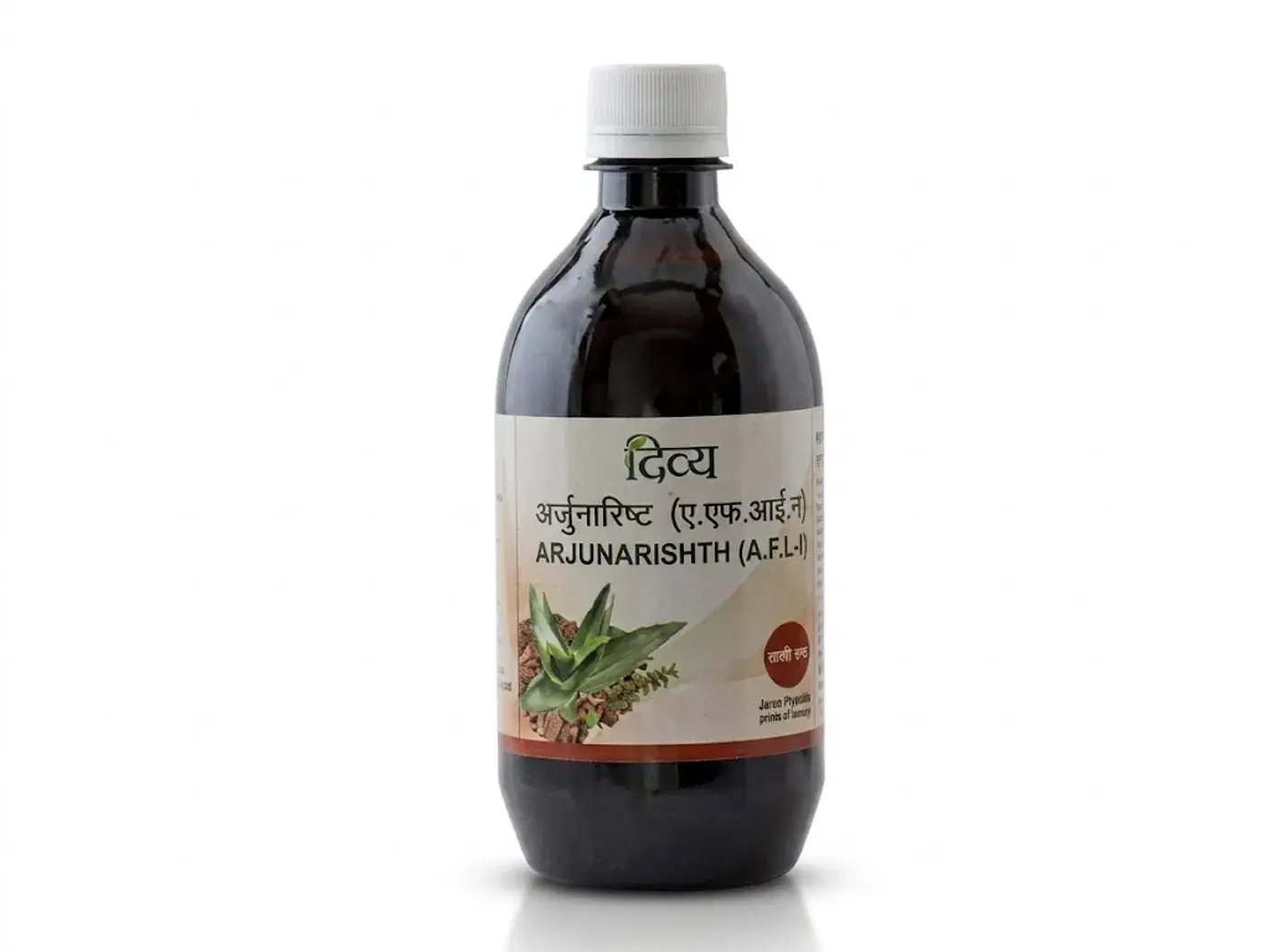
What is Patanjali Arjunarishta? A Classical Ayurvedic Cardiac Care Tonic
Patanjali Arjunarishta is a time-honoured Ayurvedic liquid tonic formulated primarily around Arjuna (meaning “white” or “bright” in Sanskrit), the bark of Terminalia arjuna. It belongs to the Arishta category of Ayurvedic preparations — self-generated fermented herbal decoctions that enhance bioavailability and shelf life. This formulation is described in classical texts including the Ashtanga Hridayam and the Sharangadhara Samhita, where it is recommended chiefly for strengthening Hridaya (the heart) and supporting healthy circulation.
The name Arjunarishta combines “Arjuna” (the chief herb) and “Arishta” (a fermented herbal wine preparation). Patanjali Divya Pharmacy manufactures this product under strict quality guidelines, making it one of the most widely used cardiac care tonics in India today.
- Product type: Fermented herbal liquid (Arishta)
- Dosha action: Primarily balances Vata and Pitta doshas
- Common uses: Heart health, chest pain, breathlessness, hypertension support, general weakness
- Prescription status: Over-the-counter (OTC); however, consult a qualified Ayurvedic physician for chronic cardiac conditions
- Self-generated alcohol content: Approximately 5–10% (from natural fermentation)
Key Ingredients of Patanjali Arjunarishta
| Ingredient | Botanical / Common Name | Part Used | Ayurvedic Role | What Research Suggests [Ref] |
|---|---|---|---|---|
| Arjuna | Terminalia arjuna | Bark | Hridaya (cardiac) tonic; balances Vata-Pitta | Bark extracts show cardioprotective, antioxidant and lipid-lowering activity in preclinical studies [1] |
| Draksha | Vitis vinifera (Dry grape / Raisin) | Fruit | Nutritive, Brimhana (nourishing); improves Ojas | Polyphenols in grape have demonstrated antioxidant and cardioprotective effects in animal models [2] |
| Madhuka | Madhuca longifolia (Mahua) | Flower | Fermentation substrate; Balya (strength-giving) | PMC search for phytochemical activity: PMC search |
| Guda | Jaggery (Saccharum officinarum) | Processed juice | Fermentation base; Snigdha (unctuous), energy-giving | Used traditionally as fermentation substrate; no specific cardiac PMC study confirmed |
| Ashwagandha | Withania somnifera | Root | Rasayana (rejuvenative); reduces Vata | Clinical studies suggest adaptogenic and cardioprotective potential [3] |
| Arjuna Tvak (secondary) | Terminalia arjuna | Bark (additional) | Reinforces cardiac action | Same as Arjuna above [1] |
| Shatavari | Asparagus racemosus | Root | Brimhana, nourishes heart tissue (Hridaya dhatu) | Antioxidant and cardioprotective properties noted in preclinical research [4] |
Note: The exact proprietary formula of Patanjali Arjunarishta may include additional minor herbs. The above reflects the classical Arjunarishta base as per the Ayurvedic Formulary of India.
How Does Patanjali Arjunarishta Work?
Ayurvedic Perspective
According to Ayurveda, heart disease (Hridroga) arises from aggravated Vata and Pitta doshas affecting the Hridaya (heart), the seat of Ojas (vital life force). Arjunarishta acts on the Raktavaha srotas (channels carrying blood) and the Rasavaha srotas (nutrient channels), improving the quality of Rasa and Rakta dhatus (plasma and blood tissues). Its fermented nature enhances Agni (digestive fire), helping clear Ama (metabolic toxins) that block the cardiac channels and weaken the heart muscle.
Modern Scientific Perspective
Terminalia arjuna bark — the chief ingredient — contains active compounds including arjunolic acid, arjunetin, arjunin, and flavonoids such as luteolin and quercetin. These compounds have demonstrated antioxidant, anti-inflammatory, inotropic (heart-strengthening) and lipid-lowering effects in preclinical and some clinical studies [1]. The fermentation process in Arishta preparations increases the extraction and bioavailability of water-insoluble active constituents compared with simple decoctions [5]. It is important to note that most robust evidence comes from studies on individual ingredients, particularly T. arjuna bark extract, rather than the complete Arjunarishta formula itself.
Uses and Benefits of Patanjali Arjunarishta
1. Supports Heart Muscle Strength and Function
Terminalia arjuna bark has been studied for its positive inotropic action — it may help strengthen the contraction of the heart muscle. A clinical study noted significant improvements in exercise tolerance and left ventricular function in patients with stable angina who received T. arjuna bark extract [1]. Patanjali Arjunarishta traditionally uses this herb as its primary cardiac tonic ingredient.
2. May Help Manage High Blood Pressure
Flavonoids and glycosides in Arjuna bark have shown vasodilatory effects in animal models, which may contribute to modest reductions in blood pressure [1]. Ayurveda describes Arjunarishta as a Shothahara (anti-inflammatory) and Hridya (cardiac) herb that normalises excessive Vata pressure in the blood vessels. It is traditionally used for hypertension support, but it should never replace prescribed antihypertensive medicines without a doctor's guidance.
3. Antioxidant Protection for the Heart
Oxidative stress is a key factor in cardiovascular disease. Polyphenols in T. arjuna and Draksha (raisins) have demonstrated significant free-radical scavenging activity in laboratory studies [2]. This antioxidant action may help protect cardiac cells from oxidative damage over time.
4. May Support Healthy Cholesterol Levels
Preclinical studies on T. arjuna bark extract showed a reduction in total cholesterol, LDL cholesterol and triglycerides in animal models [1]. Some small human studies have also noted lipid-lowering trends, though larger randomised controlled trials are still needed. Arjunarishta is traditionally used for Medodushti (fat tissue imbalance), which aligns with this lipid-managing role.
5. Relieves Chest Discomfort and Breathlessness
Classical Ayurvedic texts describe Arjunarishta for Shwasa (breathlessness) and Hridayashoola (chest pain) associated with cardiac weakness. The herb's reported cardiotonic and vasodilatory properties may ease effort-related breathlessness in individuals with mild cardiac insufficiency [1]. It is traditionally used alongside medical care and is not a substitute for emergency cardiac treatment.
6. Reduces Stress and Supports Recovery
Ashwagandha (Withania somnifera), included in this formula, is a well-known Rasayana (rejuvenative adaptogen). Clinical research suggests it significantly reduces serum cortisol levels and perceived stress scores [3]. This adaptogenic action complements the direct cardiac support of Arjuna by addressing stress — a major driver of cardiovascular risk.
7. General Tonic for Heart Health and Vitality
Shatavari and Draksha in the formula provide nourishing, Brimhana (tissue-building) effects that help restore overall vitality in conditions of debility. Asparagus racemosus has demonstrated antioxidant properties that may benefit cardiac tissue health in preclinical models [4]. Together, these ingredients make Patanjali Arjunarishta a holistic cardiac care tonic suited for long-term heart wellness support.
Dosage and Directions for Patanjali Arjunarishta
| Parameter | Recommendation |
|---|---|
| Adult dose | 15–30 ml (approximately 2–4 teaspoons) |
| Frequency | Twice daily (morning and evening) |
| When to take | After meals |
| Anupana (vehicle) | Equal quantity of warm water (15–30 ml) |
| Duration | 4–12 weeks or as directed by an Ayurvedic physician; long-term use under supervision |
| Children | Not recommended without paediatric Ayurvedic consultation |
| Elderly | Start with the lower dose (15 ml); monitor for tolerance |
| Pregnancy / Lactation | Avoid unless specifically prescribed by a qualified physician |
Always follow the dosage printed on the product label or the specific instructions given by your Ayurvedic doctor.
Side Effects and Safety of Patanjali Arjunarishta
Patanjali Arjunarishta is generally well tolerated when taken at the recommended dose. Being a fermented preparation, it contains a small amount of self-generated alcohol (roughly 5–10%), which individuals with alcohol sensitivity, liver disease or those who are strict teetotallers should consider carefully.
Possible side effects (especially with higher doses) may include:
- Mild stomach discomfort, acidity or nausea
- Loose stools or diarrhoea in sensitive individuals
- Headache if taken on an empty stomach
- Allergic reactions in rare cases (rash, itching)
Who should use it only under medical supervision or avoid it:
- Pregnant women: Fermented preparations and certain herbs may not be safe in pregnancy; avoid unless advised otherwise.
- Breastfeeding mothers: Insufficient safety data; consult a doctor.
- People with liver disease: Alcohol content, even if low, may be harmful.
- Diabetics: Contains jaggery (Guda); monitor blood sugar levels carefully.
- Patients on antihypertensive or cardiac drugs: May have additive blood-pressure-lowering or blood-thinning effects; always inform your cardiologist.
- Patients on anticoagulants (blood thinners): T. arjuna may have mild platelet-inhibiting properties; use with caution [1].
Precaution: Do not self-medicate for diagnosed heart disease, arrhythmia or heart failure. Always use this tonic as a complementary support alongside, not instead of, prescribed medical treatment.
Diet and Lifestyle Tips to Complement Patanjali Arjunarishta
- Follow a heart-friendly diet: Favour fresh fruits, vegetables, whole grains, and legumes. Reduce salt, saturated fats, processed foods and refined sugar.
- Stay physically active: Gentle daily exercise — a 30-minute brisk walk or yoga — supports circulation and complements the tonic's cardiac benefits.
- Manage stress: Practice Pranayama (yogic breathing), especially Anulom Vilom and Bhramari, which are classically recommended for Hridroga.
- Avoid smoking and excess alcohol: Both are major independent risk factors for heart disease and will counteract the benefits of this formulation.
- Sleep adequately: Aim for 7–8 hours of quality sleep. Poor sleep raises Vata and Pitta, directly aggravating cardiac channels.
- Regular health monitoring: Get your blood pressure, lipid profile and ECG checked periodically, especially if you have existing cardiac risk factors.
Frequently Asked Questions About Patanjali Arjunarishta
What is Patanjali Arjunarishta used for?
Patanjali Arjunarishta is primarily used as an Ayurvedic cardiac care tonic. It is traditionally used for heart weakness, chest discomfort, breathlessness, high blood pressure support and general cardiovascular health. It may also help improve stamina and reduce stress-related cardiac symptoms.
How should I take Patanjali Arjunarishta?
The standard adult dose is 15–30 ml taken twice a day after meals, diluted with an equal quantity of warm water. Always follow the label instructions or your Ayurvedic doctor's prescription for the exact dose and duration.
Can I take Patanjali Arjunarishta with my heart medicines?
You should always inform your cardiologist or doctor before combining Arjunarishta with prescribed heart medications. It may have additive effects with antihypertensives or anticoagulants, and your doctor may need to adjust your medication dose accordingly.
Is Patanjali Arjunarishta safe during pregnancy?
No, it is generally not recommended during pregnancy. The fermented alcohol content and certain herbs in the formula may not be safe for the developing foetus. Consult a qualified Ayurvedic physician before using any herbal medicine during pregnancy.
Does Patanjali Arjunarishta contain alcohol?
Yes, as a fermented Arishta preparation, it naturally contains approximately 5–10% self-generated alcohol produced during the fermentation process. People with alcohol sensitivity, liver disease or religious restrictions on alcohol should consult a doctor before taking it.
How long does it take to see results with Arjunarishta?
Most Ayurvedic practitioners recommend a minimum course of 4–8 weeks to notice improvements in energy, breathing comfort and general heart wellness. For chronic conditions, a longer course of 3–6 months under supervision may be advised.
Can diabetics take Patanjali Arjunarishta?
Arjunarishta contains jaggery as a fermentation base, which contributes some sugar content. Diabetics should use it with caution and monitor their blood glucose levels regularly. It is best to consult an Ayurvedic physician or diabetologist before starting this tonic.
What are the main Arjunarishta benefits for heart health?
The main Arjunarishta benefits for heart health include supporting heart muscle strength, maintaining healthy blood pressure, providing antioxidant protection, and helping manage cholesterol levels. These benefits are primarily attributed to the cardioprotective compounds in Terminalia arjuna bark [1].
Is Arjunarishta the same as Arjuna syrup or Arjuna capsules?
No, Arjunarishta is a specific fermented liquid preparation (Arishta) with a unique phytochemical profile due to fermentation, which differs from simple Arjuna syrup, capsules or powder. The fermentation process may enhance the bioavailability of certain active compounds [5].
Where can I buy Patanjali Arjunarishta online?
You can buy authentic Patanjali Arjunarishta conveniently through the Quikdu app, which delivers verified Ayurvedic products safely to your doorstep across India. Visit the product page on Quikdu for current pricing and availability.
References
- Dwivedi S, Chopra D. Revisiting Terminalia arjuna — An Ancient Cardiovascular Drug. J Tradit Complement Med. 2014;4(4):224–231. PMC ID: PMC4220500
- Xia EQ, Deng GF, Guo YJ, Li HB. Biological Activities of Polyphenols from Grapes. Int J Mol Sci. 2010;11(2):622–646. PMC ID: PMC2852857
- Pratte MA, Nanavati KB, Young V, Morley CP. An Alternative Treatment for Anxiety: A Systematic Review of Human Trial Results Reported for the Ayurvedic Herb Ashwagandha (Withania somnifera). J Altern Complement Med. 2014;20(12):901–908. PMC ID: PMC4270108
- Bopana N, Saxena S. Asparagus racemosus — Ethnopharmacological Evaluation and Conservation Needs. J Ethnopharmacol. 2007;110(1):1–15. PMC search
- Savrikar SS, Ravishankar B. Introduction to ‘Rasashastra’ — The Iatrochemistry of Ayurveda. Afr J Tradit Complement Altern Med. 2011;8(5 Suppl):66–82. PMC ID: PMC3252714
Classical Sources:
- Vagbhata. Ashtanga Hridayam, Chikitsa Sthana, Chapter 6 (Hridroga Chikitsa). Krishnadas Academy, Varanasi.
- Sharangadhara. Sharangadhara Samhita, Madhyama Khanda, Chapter 10 (Sandhana Kalpana). Chaukhamba Surbharati Prakashan, Varanasi.
- Government of India. Ayurvedic Formulary of India, Part I, 2nd Ed. Ministry of AYUSH, New Delhi, 2003.
Medical Disclaimer
This blog is intended for educational and informational purposes only. It is not a substitute for professional medical advice, diagnosis or treatment. Patanjali Arjunarishta is a traditional Ayurvedic formulation and is not intended to diagnose, treat, cure or prevent any disease. Always consult a qualified Ayurvedic practitioner or medical doctor before starting any new supplement, especially if you have a pre-existing medical condition, are pregnant or breastfeeding, or are taking prescription medications. In a cardiac emergency, call your local emergency services immediately.
Download the Quikdu App today and get verified Ayurvedic products delivered safely to your doorstep.