

Maharishi Ayurveda Gum Care Oil: Uses, Benefits & Dosage – Buy Now on Quikdu
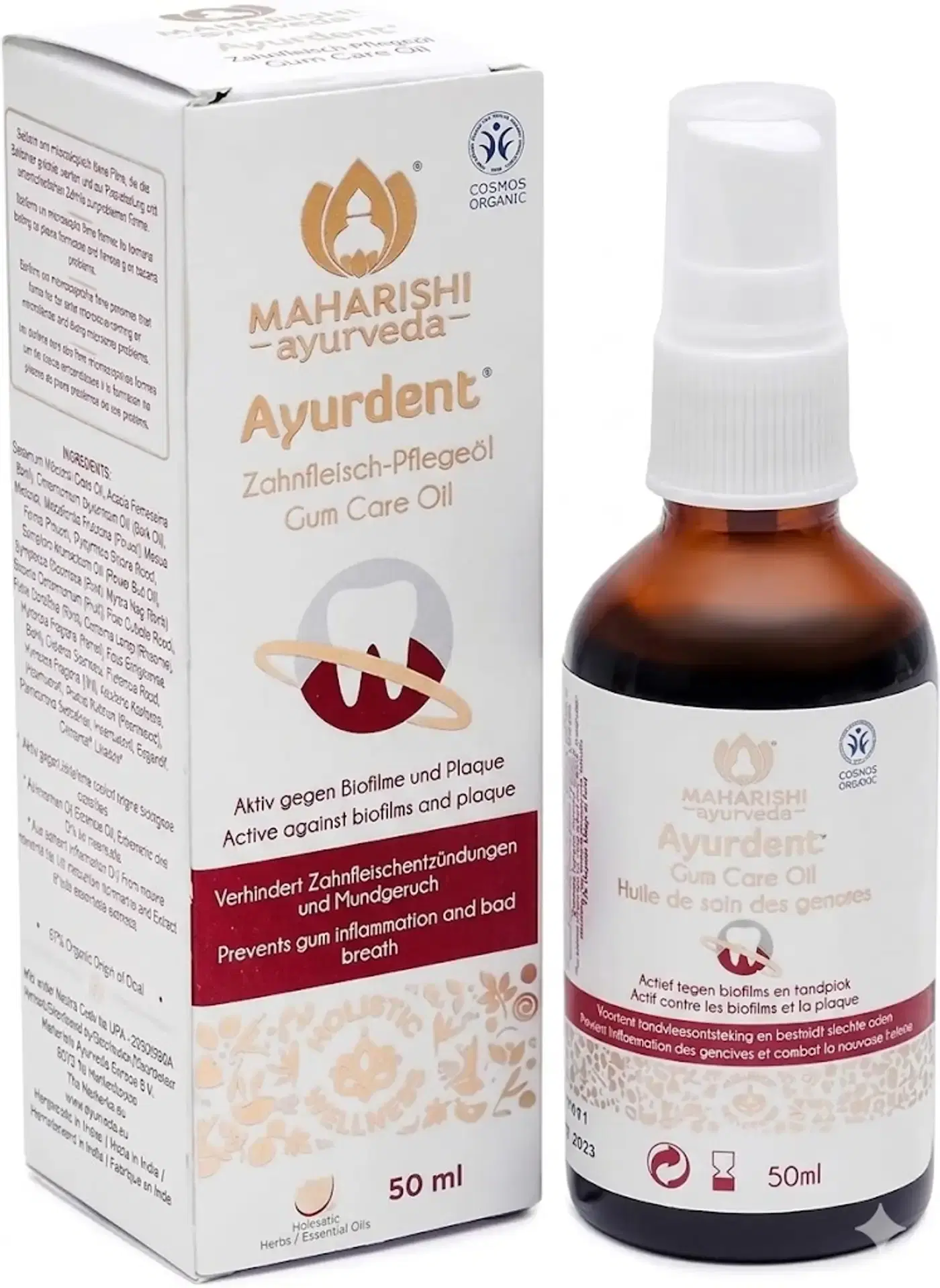
What is Maharishi Ayurveda Gum Care Oil?
Maharishi Ayurveda Gum Care Oil is a classical Ayurvedic medicated oil formulated to support the health of the gums and teeth. It draws from the ancient practice of Gandusha (medicated mouth rinsing) and Kavala (oil pulling), described in the foundational text Ashtanga Hridayam (Sutrasthana 22). These techniques have been used in Ayurveda for thousands of years to maintain oral hygiene, strengthen gum tissue, and reduce oral discomfort.
The name reflects its purpose: a carefully blended herbal oil intended for daily gum and tooth care. It is prepared by infusing therapeutic plant extracts into a base oil, following classical Taila kalpana (medicated oil preparation) principles. Maharishi Ayurveda, one of India's most trusted Ayurvedic brands, manufactures this product using quality-controlled, time-tested methods.
- Product type: Herbal medicated oil for external oral use
- Dosha action: Primarily balances Vata and Pitta doshas in the oral cavity
- Common uses: Gum massage, oil pulling, reducing oral inflammation, strengthening teeth
- Prescription status: Over-the-counter (OTC); no prescription needed for general oral care use
Key Ingredients in Maharishi Ayurveda Gum Care Oil
This formulation combines several potent Ayurvedic herbs known for their oral-health benefits. Below is a summary of the main ingredients, their botanical names, parts used, Ayurvedic roles, and what current research suggests.
| Ingredient | Botanical Name | Part Used | Ayurvedic Role | What Research Suggests |
|---|---|---|---|---|
| Clove (Lavanga) | Syzygium aromaticum | Dried flower bud | Shoolahara (pain-relieving), Krimighna (antimicrobial) | Eugenol, the active compound, shows significant antibacterial and analgesic activity in lab studies [1] |
| Neem (Nimba) | Azadirachta indica | Leaf / bark extract | Krimighna (antimicrobial), Shothahara (anti-inflammatory) | Studies suggest neem extracts inhibit oral pathogens including Streptococcus mutans [2] |
| Sesame oil (Tila taila) | Sesamum indicum | Seed oil | Vatahara (Vata-balancing), nourishing base (Sneha) | Sesame oil pulling may reduce plaque and gingivitis scores in clinical settings [3] |
| Triphala | Terminalia chebula, T. bellirica, Phyllanthus emblica | Dried fruit | Rasayana (rejuvenating), astringent, antioxidant | Triphala mouthwash shows comparable efficacy to chlorhexidine in reducing plaque in clinical trials [4] |
| Peppermint (Pudina) | Mentha piperita | Leaf essential oil | Sheetala (cooling), freshens breath, mild analgesic | Menthol exhibits antimicrobial properties against oral bacteria in lab studies [5] |
| Turmeric (Haridra) | Curcuma longa | Rhizome | Shothahara (anti-inflammatory), Varnya (tissue-brightening) | Curcumin demonstrates anti-inflammatory and antioxidant effects relevant to periodontal health [6] |
Note: Research on individual ingredients is largely from lab or small clinical studies. Evidence for this exact formulation as a whole is limited; consult your dentist or Ayurvedic physician for personalised guidance.
How Does Maharishi Ayurveda Gum Care Oil Work?
The Ayurvedic View
According to Ayurveda, poor oral health results from aggravated Vata and Pitta doshas in the Mukha (oral cavity), a vital srotas (channel) connected to Rasa dhatu (plasma tissue). Aggravated doshas impair Agni (digestive fire) locally, allow accumulation of Ama (metabolic toxins) and weaken Majja dhatu (bone marrow tissue supporting teeth). Regular Gandusha with medicated oil is said to lubricate, nourish and cleanse these channels, restore doshic balance and remove Ama from the gums.
The Modern View
Scientifically, the oil's antibacterial ingredients such as eugenol from clove and nimbidin from neem may reduce the load of pathogenic bacteria like Streptococcus mutans and Porphyromonas gingivalis in the mouth [1][2]. The mechanical action of swishing oil (oil pulling) is thought to emulsify and draw out bacteria and toxins embedded in the gum line, an effect supported by small clinical trials on sesame oil [3]. Curcumin and tannins from Triphala contribute anti-inflammatory and antioxidant effects that may help reduce gingival inflammation [4][6]. Most available evidence is from studies on individual ingredients or small clinical trials; large randomised controlled trials on this specific product formulation are currently lacking.
Uses and Benefits of Maharishi Ayurveda Gum Care Oil
1. May Support Healthy Gums and Reduce Gum Inflammation
Traditionally used in Gandusha to soothe inflamed, swollen gum tissue. Ingredients such as turmeric (curcumin) have demonstrated anti-inflammatory activity in periodontal tissue in cell and animal studies [6]. Regular use may support a reduction in gingival redness and swelling when combined with good oral hygiene.
2. May Help Reduce Plaque Build-Up
The Triphala component of this oil has been studied as a mouthwash ingredient. A controlled clinical trial found that Triphala mouthwash significantly reduced plaque index scores, comparable to chlorhexidine [4]. Oil pulling with sesame oil has also shown a statistically significant reduction in plaque scores in a randomised clinical study [3].
3. Traditionally Used for Oral Antimicrobial Action
Clove oil's eugenol content is well-documented for its antibacterial effect against common oral pathogens in lab settings [1]. Neem extracts have shown inhibitory activity against Streptococcus mutans, a key bacterium in dental caries, in in-vitro studies [2]. These properties make this oil traditionally popular for maintaining a clean oral environment.
4. May Help Freshen Breath Naturally
Peppermint essential oil (Pudina) provides a natural cooling sensation and freshness to the mouth. Its menthol content exhibits antimicrobial effects against odour-causing oral bacteria in laboratory studies [5]. Ayurveda describes this as correcting Durgandha mukha (foul-smelling mouth) through its Deepana (stimulating) and cleansing properties.
5. May Support Stronger Teeth and Enamel
Classical Ayurvedic texts describe Kavala (oil pulling) as making teeth firm and strong (Dantabalyakara). Sesame oil, the primary base of many such formulations, is rich in sesamin and sesamol, which may provide a mild protective coating on the tooth surface. This use is traditional; direct enamel-hardening studies on this specific product are not available.
6. May Help Relieve Tooth Sensitivity and Minor Toothache
Clove oil's eugenol is widely used in dentistry as a natural analgesic and has been studied for its pain-relieving mechanisms [1]. Massaging this oil gently onto sensitive areas of the gum is traditionally used in Ayurveda to reduce Dantasula (toothache). This is a supportive measure and is not a substitute for professional dental evaluation.
7. Supports Daily Ayurvedic Oral Hygiene Routine
Incorporating this oil into a daily Dinacharya (daily regimen) supports the Ayurvedic principle of preventive oral care. Classical texts recommend Gandusha every morning to prevent diseases of the head, neck, eyes and teeth (Ashtanga Hridayam, Sutrasthana 22). This product makes it easy to follow that practice with a ready-made, balanced formulation.
Dosage and Directions for Maharishi Ayurveda Gum Care Oil
| Parameter | Guidance |
|---|---|
| Adult dose (oil pulling) | 1–2 teaspoons (5–10 ml) swished in the mouth for 5–10 minutes |
| Adult dose (gum massage) | 2–4 drops applied directly to gums with a clean finger or cotton |
| When to take | Preferably in the morning on an empty stomach, before brushing |
| Anupana (adjuvant) | Rinse with warm water after use; do not swallow the oil |
| Duration | 4–8 weeks for noticeable results; may be used long-term as a daily routine |
| Children (under 12) | Not recommended without guidance from a qualified Ayurvedic physician |
| Pregnancy / breastfeeding | Consult your doctor before use |
| Elderly | Safe for general use; reduce massage pressure on sensitive gums |
Always follow the directions on the product label or as advised by your Ayurvedic physician or dentist.
Side Effects and Safety of Maharishi Ayurveda Gum Care Oil
Maharishi Ayurveda Gum Care Oil is generally considered safe for external oral use when used as directed. However, some individuals may experience mild reactions.
- Possible side effects: Temporary tingling or burning sensation from clove oil; mild allergic reactions in those sensitive to any botanical ingredient; slight nausea if accidentally swallowed in large amounts
- Clove oil sensitivity: Eugenol can cause contact sensitisation in rare cases; discontinue use if irritation or swelling occurs [1]
- Avoid swallowing: The oil is for oral rinsing and massage only; spitting it out after use is essential
- Pregnancy and breastfeeding: Some herbal ingredients may not be suitable; consult a healthcare provider before use
- Children under 12: Use only under adult supervision and after professional advice, as children may accidentally swallow the oil
- Known allergies: Those allergic to sesame, neem, clove, or any listed ingredient should avoid use
- Drug interactions: No major drug interactions are documented for topical oral use; however, inform your dentist if you are undergoing dental treatment
- Not a replacement for dental care: This product supports oral hygiene but does not treat or cure dental infections, cavities or periodontal disease; see a dentist for clinical conditions
Diet and Lifestyle Tips for Better Oral Health
- Follow a Kapha-reducing diet: Limit sugary, sticky and processed foods that promote plaque formation and aggravate Kapha in the oral cavity
- Practise tongue scraping (Jihwa Nirlekhana): Use a copper or stainless-steel tongue scraper each morning to remove accumulated Ama before oil pulling
- Stay well hydrated: Drink warm water throughout the day to keep oral mucosa moist and support Rasa dhatu nourishment
- Eat calcium-rich foods: Include sesame seeds, dairy, leafy greens and ragi in your diet to support Asthi dhatu (bone tissue) and tooth strength
- Avoid smoking and tobacco: These directly aggravate Pitta and Vata in the mouth, causing gum recession and discolouration
- Maintain a consistent Dinacharya: Pair this oil with twice-daily brushing with an Ayurvedic herbal toothpowder for comprehensive oral hygiene as recommended in classical texts
Frequently Asked Questions About Maharishi Ayurveda Gum Care Oil
1. What is Maharishi Ayurveda Gum Care Oil used for?
It is traditionally used for gum massage and oil pulling to support healthy gums, reduce oral bacteria, freshen breath, and maintain overall oral hygiene. It follows the classical Ayurvedic practice of Gandusha and Kavala. It is a supportive product and not a treatment for diagnosed dental disease.
2. How do I use this gum care oil correctly?
Take 1–2 teaspoons in the mouth, swish gently for 5–10 minutes, then spit out completely and rinse with warm water. Alternatively, place 2–4 drops on a clean fingertip and massage gently into the gum line. Use it in the morning on an empty stomach before brushing for best results.
3. Can I swallow Maharishi Ayurveda Gum Care Oil?
No, you should never swallow this oil. After swishing or massaging, the oil may contain bacteria and debris drawn from the gum line. Always spit it out and rinse your mouth thoroughly with warm water afterwards.
4. How long does it take to see results?
Most users report noticeable improvement in gum sensitivity and freshness within 2–4 weeks of regular use. For more significant benefits like reduced gum bleeding or inflammation, consistent use over 4–8 weeks is generally recommended. Individual results may vary depending on your overall oral health.
5. Is this oil safe during pregnancy?
Pregnant and breastfeeding women should consult their gynaecologist or a qualified Ayurvedic physician before using any medicated herbal oil. Some botanical ingredients may not be suitable during pregnancy. It is always better to seek professional guidance during this period.
6. Can children use Maharishi Ayurveda Gum Care Oil?
This product is not recommended for children under 12 without medical supervision, mainly because young children may accidentally swallow the oil. For older children, consult a paediatric dentist or Ayurvedic practitioner before starting use.
7. Does oil pulling with this product really work for plaque?
Small clinical trials on sesame oil pulling have shown a reduction in plaque and gingivitis scores [3]. Triphala, another ingredient, has also shown plaque-reducing effects in controlled clinical studies [4]. However, it should be used alongside regular brushing and flossing, not as a replacement.
8. Are there any side effects of Maharishi Ayurveda Gum Care Oil?
Most users tolerate it well. Some people may feel mild tingling from clove oil, and rare allergic reactions to any plant ingredient are possible. If you experience persistent burning, swelling or irritation, stop using it and consult a healthcare professional.
9. Where can I buy Maharishi Ayurveda Gum Care Oil?
You can purchase it conveniently and safely through the Quikdu app, which offers verified Ayurvedic products with doorstep delivery across India. Visit the product page on Quikdu to check availability and pricing. Always buy from trusted sources to ensure product authenticity.
10. Can I use this oil alongside my regular toothpaste?
Yes, this oil is best used as part of a complete oral care routine. Use it before brushing in the morning; then brush as usual with your regular toothpaste or herbal toothpowder. Combining both approaches supports a more thorough Ayurvedic Dinacharya for oral health.
References
- Bhatt D, Bhatt M, Bhatt S. Biological activities and medicinal properties of clove (Syzygium aromaticum): a review. J Pharmacogn Phytochem. 2013;2(2):102–6. PMC search: https://pmc.ncbi.nlm.nih.gov/search/?term=eugenol+antimicrobial+oral+analgesic
- Prashant GM, Chandu GN, Murulikrishna KS, Shafiulla MD. The effect of mango and neem extract on four organisms causing dental caries: Streptococcus mutans, Streptococcus salivarius, Streptococcus mitis, and Streptococcus sanguis: an in vitro study. Indian J Dent Res. 2007;18(4):148–51. PMC search: https://pmc.ncbi.nlm.nih.gov/search/?term=neem+Streptococcus+mutans+oral+antimicrobial
- Asokan S, Emmadi P, Chamundeswari R. Effect of oil pulling on plaque induced gingivitis: a randomized, controlled, triple-blind study. Indian J Dent Res. 2009;20(1):47–51. PMC search: https://pmc.ncbi.nlm.nih.gov/search/?term=sesame+oil+pulling+plaque+gingivitis+randomized
- Bajaj N, Tandon S. The effect of Triphala and Chlorhexidine mouthwash on dental plaque, gingival inflammation, and microbial growth. Int J Ayurveda Res. 2011;2(1):29–36. PMC ID: PMC3157118
- Iscan G, Kirimer N, Kurkcuoglu M, Baser KH, Demirci F. Antimicrobial screening of Mentha piperita essential oils. J Agric Food Chem. 2002;50(14):3943–6. PMC search: https://pmc.ncbi.nlm.nih.gov/search/?term=menthol+peppermint+antimicrobial+oral+bacteria
- Nagpal M, Sood S. Role of curcumin in systemic and oral health: an overview. J Nat Sci Biol Med. 2013;4(1):3–7. PMC ID: PMC3633300
Classical sources:
- Vagbhata. Ashtanga Hridayam, Sutrasthana, Chapter 22 (Gandusha Kavala Dharana). Krishnadas Academy, Varanasi.
- Government of India. Ayurvedic Formulary of India, Part I & II. Ministry of Health and Family Welfare, New Delhi.
- Government of India. Pharmacopoeia of India (Ayurvedic). Ministry of AYUSH, New Delhi.
Medical Disclaimer
This blog is for informational and educational purposes only. It is not intended to diagnose, treat, cure or prevent any disease or dental condition. The information provided is based on traditional Ayurvedic principles and available scientific literature on individual ingredients. Always consult a qualified Ayurvedic physician, dentist or healthcare professional before starting any new health product, especially if you are pregnant, breastfeeding, have a medical condition, or are taking medications. Do not discontinue prescribed dental treatment in favour of Ayurvedic products without professional advice.
Download the Quikdu App today and get verified Ayurvedic products delivered safely to your doorstep.