

Kapiva Skincare Capsules: Ayurvedic Benefits, Ingredients & How to Use – Buy Now on Quikdu
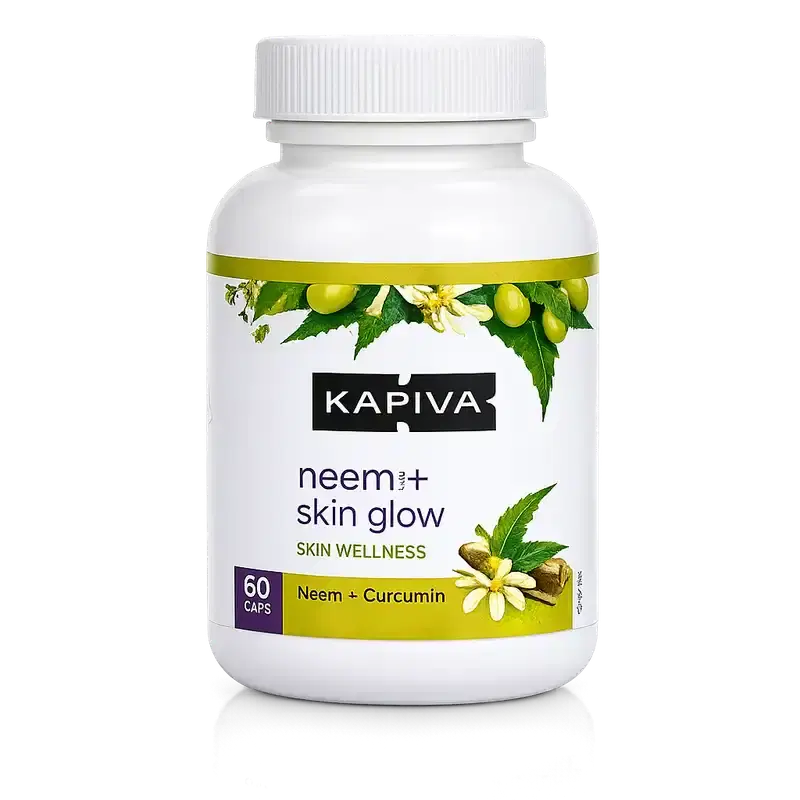
What Are Kapiva Skincare Capsules? An Ayurvedic Overview
Kapiva Skincare Capsules are a proprietary Ayurvedic formulation designed to support healthy, glowing skin from within. These capsules blend classical herb wisdom with modern encapsulation technology, making it easier for everyday users to follow an Ayurvedic beauty routine. As an Ayurvedic skincare capsules supplement, they are positioned for people seeking a natural approach to skin wellness.
The product draws on the ancient Indian healing system described in texts such as the Charaka Samhita (the foundational Ayurvedic medical compendium, roughly dated to 600 BCE). Classical Ayurveda categorises skin disorders under Kushtha (skin diseases) and attributes their origin to imbalances in Pitta (fire and water energy governing metabolism and inflammation) and Kapha (earth and water energy linked to congestion and dullness) doshas, compounded by impaired Rakta dhatu (blood tissue) [Classical ref: Charaka Samhita, Chikitsa Sthana 7].
- Product type: Proprietary Ayurvedic capsules
- Primary dosha action: Pitta-pacifying and Kapha-balancing
- Common uses: Supporting skin clarity, reducing blemishes, promoting a healthy glow, and supporting blood purification
- Prescription status: Over-the-counter; no prescription required, though professional guidance is recommended for long-term use
- Suitable for: Adults of all skin types; not recommended for children under 12 or during pregnancy without physician advice
Key Ingredients in Kapiva Skincare Capsules
The following table lists the principal herbs commonly found in Kapiva's skincare formulations, their Ayurvedic roles, and what current research suggests. Note that most evidence comes from studies on individual ingredients; clinical trials on this exact combined formula are limited.
| Ingredient | Botanical Name | Part Used | Ayurvedic Role | What Research Suggests [Ref] |
|---|---|---|---|---|
| Manjistha | Rubia cordifolia L. | Root | Varnya (complexion-enhancing), Rakta-shodhaka (blood purifier), Pitta-pacifying | Lab studies suggest antioxidant and anti-inflammatory activity; may inhibit melanin synthesis in vitro [1] |
| Neem | Azadirachta indica A.Juss. | Leaf | Kushthaghna (anti-skin-disease), Kapha-Pitta pacifying, detoxifying | In vitro and animal studies report antibacterial and anti-inflammatory properties relevant to acne pathogenesis [2] |
| Haritaki | Terminalia chebula Retz. | Fruit | Tridosha-hara (balances all three doshas), supports Agni (digestive fire) and detoxification | Animal and cell studies indicate antioxidant and hepatoprotective effects, which may indirectly support skin health [3] |
| Amla (Amalaki) | Phyllanthus emblica L. | Fruit | Richest natural source of Vitamin C in Ayurveda; Rasayana (rejuvenating), Pitta-pacifying | Human and lab studies support its role in collagen synthesis promotion and antioxidant activity [4] |
| Turmeric (Haridra) | Curcuma longa L. | Rhizome | Varnya, Krimighna (antimicrobial), Pitta and Kapha pacifying | Curcumin shows anti-inflammatory and antioxidant activity in numerous studies; skin benefits partially supported in clinical trials [5] |
| Sariva (Anantamul) | Hemidesmus indicus R.Br. | Root | Rakta-shodhaka, Varnya, cooling, supports skin microbiome balance | Preliminary lab data suggests anti-inflammatory and blood-purifying potential; large human trials are lacking [PMC search] |
PMC search link for Sariva: https://pmc.ncbi.nlm.nih.gov/search/?term=Hemidesmus+indicus+skin
How Do Kapiva Skincare Capsules Work?
The Ayurvedic View
In Ayurveda, healthy skin (tvak, the outermost tissue) depends on balanced Rakta dhatu (blood tissue) and a well-functioning Rasavaha srotas (plasma-carrying channel). When Pitta is aggravated—often by spicy food, stress, or excess sun exposure—it accumulates ama (undigested metabolic waste) in Rakta dhatu, manifesting as blemishes, redness, and uneven tone. The herbs in these Ayurvedic skincare capsules collectively aim to kindle Agni (digestive fire), clear ama, cool excess Pitta, and nourish Rakta and Mamsa dhatu (muscle tissue) to restore skin's natural luminosity.
The Modern Pharmacological View
Active compounds like curcumin (from turmeric), emblicanin A and B (from amla), and anthraquinones (from manjistha) exert antioxidant, anti-inflammatory, and melanin-modulating effects at a cellular level [1][4][5]. Neem's nimbidin and nimbidol fractions show antibacterial activity against Cutibacterium acnes, a key acne-causing bacterium, in laboratory settings [2]. It is important to note that most mechanistic evidence comes from single-ingredient studies; clinical evidence for this specific combined capsule formula is currently limited, and consumers should interpret benefits accordingly.
Uses and Benefits of Kapiva Skincare Capsules
1. May Support a Clearer, Brighter Complexion
Manjistha is traditionally used for its Varnya property, meaning it promotes a healthy skin tone. Lab studies have found that Rubia cordifolia extracts may inhibit tyrosinase, the enzyme responsible for melanin production, which could support an even complexion [1]. This makes Kapiva Skincare Capsules a popular Ayurvedic capsules for glowing skin choice among Indian consumers.
2. Traditionally Used to Manage Acne and Blemishes
Neem leaf contains bioactive compounds with documented antibacterial activity against acne-causing bacteria in vitro [2]. Turmeric's curcumin may further reduce the inflammatory response associated with acne lesions [5]. Together, these herbs may help reduce the frequency and severity of breakouts when used consistently alongside a balanced diet.
3. May Provide Antioxidant Protection to Skin Cells
Amla is one of the richest natural sources of Vitamin C and polyphenols, which neutralise free radicals that accelerate skin ageing [4]. A study published in PMC showed that Phyllanthus emblica extracts significantly boosted antioxidant enzyme activity in human cell models [4]. Regular intake of herbal capsules for skin health containing amla may help reduce oxidative stress-related skin damage.
4. Supports Blood Purification (Rakta Shodhana)
Classical Ayurvedic texts associate impure blood (dushta rakta) with chronic skin conditions including acne, eczema, and pigmentation [Classical ref: Charaka Samhita, Chikitsa Sthana 7]. Herbs like manjistha, sariva, and haritaki are traditionally used as Rakta-shodhaka (blood purifiers) to address the root cause. This internal cleansing approach differentiates Ayurvedic skincare capsules from topical-only treatments.
5. May Support Gut–Skin Axis Health
Haritaki is a well-known Anulomana herb (one that promotes healthy bowel movements) and supports Agni (digestive fire). Emerging research suggests a strong connection between gut microbiome health and skin conditions such as acne and rosacea [3]. By supporting healthy digestion, haritaki may indirectly contribute to clearer skin, aligning both the Ayurvedic and modern scientific frameworks.
6. Traditionally Used as a Rasayana (Rejuvenating Tonic)
Amla is classified as a Rasayana in the Ashtanga Hridayam (another classical Ayurvedic text, approximately 7th century CE), meaning it promotes longevity, vitality, and tissue renewal. Human clinical studies on amla supplementation report improvements in skin elasticity and hydration, though sample sizes are often small [4]. As part of a Kapiva Skincare Capsules regimen, this rejuvenating action may support long-term skin resilience.
7. May Help Reduce Skin Inflammation
Curcumin from turmeric has been extensively studied for its ability to inhibit NF-κB, a key inflammatory signalling pathway involved in many skin conditions [5]. A randomised controlled pilot study found that oral curcumin supplementation reduced inflammatory markers in subjects with mild-to-moderate plaque psoriasis [5]. While promising, readers should note these were studies on isolated curcumin, not the complete Kapiva formula, and results may vary.
Dosage and Directions for Kapiva Skincare Capsules
Always follow the dosage instructions printed on the product label or as directed by your Ayurvedic physician. The information below is for general guidance only.
| Parameter | Recommendation |
|---|---|
| Adult dose | 1–2 capsules twice daily (or as directed on label) |
| When to take | After meals, preferably morning and evening |
| Anupana (vehicle) | Warm water or warm milk; warm water is preferred for Pitta conditions |
| Duration | Minimum 8–12 weeks for visible skin results; long-term use under guidance |
| Children (under 12) | Not recommended without paediatric Ayurvedic physician's advice |
| Pregnancy & lactation | Avoid unless specifically approved by a qualified healthcare provider |
| Elderly | Start with lower dose; consult a physician if on multiple medications |
Important: Always read the product label carefully and consult your doctor or registered Ayurvedic practitioner before starting any new supplement.
Side Effects and Safety of Kapiva Skincare Capsules
Kapiva Skincare Capsules are generally considered safe when taken at recommended doses by healthy adults. However, like any herbal supplement, they may cause mild side effects in some individuals.
- Possible side effects: Mild digestive discomfort, loose stools (due to haritaki's laxative action), or skin rashes in individuals with herbal allergies; these usually resolve on reducing the dose
- Pregnancy and lactation: Several ingredients, including neem and haritaki, have not been fully evaluated for safety during pregnancy; avoid use unless advised by a qualified physician
- Autoimmune conditions: Turmeric (curcumin) may modulate immune function; people with autoimmune disorders should consult their doctor before use
- Drug interactions: Amla's high Vitamin C content may interact with anticoagulants and certain chemotherapy drugs; haritaki may affect absorption of some medications—always inform your doctor about all supplements you are taking
- Hypersensitivity: Discontinue immediately and seek medical advice if you develop hives, swelling, or breathing difficulty
- Iron deficiency: Tannin-rich herbs like haritaki and amla may reduce iron absorption if taken simultaneously with iron supplements; take them at least two hours apart
Precaution: Do not exceed the recommended dose. Store in a cool, dry place away from direct sunlight and out of reach of children.
Diet and Lifestyle Tips to Enhance Results
- Follow a Pitta-pacifying diet: Favour cooling foods like cucumber, coconut water, leafy greens, and sweet fruits; reduce spicy, fried, and fermented foods that aggravate Pitta and worsen skin inflammation
- Stay well hydrated: Drink 8–10 glasses of water daily to support Rakta shodhana (blood purification) and flush out ama (metabolic toxins) through the kidneys and skin
- Maintain a consistent sleep routine: Ayurveda emphasises that quality sleep during the Kapha phase (10 PM–2 AM) is essential for tissue repair and skin regeneration; aim for 7–8 hours each night
- Practise daily Abhyanga (self-massage): Apply warm sesame or coconut oil to the body before bathing to nourish the skin, calm the nervous system, and support lymphatic circulation
- Manage stress with Pranayama: Practices like Sheetali (cooling breath) and Anulom Vilom (alternate nostril breathing) help pacify Pitta, which is a common driver of stress-related skin flare-ups
- Avoid excessive sun exposure: Use a natural sunscreen and protective clothing between 10 AM and 4 PM; UV radiation is a major external Pitta aggravator that worsens pigmentation and skin damage
Frequently Asked Questions About Kapiva Skincare Capsules
What are Kapiva Skincare Capsules used for?
Kapiva Skincare Capsules are traditionally used to support skin clarity, reduce blemishes, and promote a healthy glow from within. They are also used as Ayurvedic capsules for blood purification and overall skin rejuvenation. They are not intended to diagnose, treat, or cure any specific medical condition.
How long does it take for Kapiva Skincare Capsules to show results?
Most users report noticeable improvements after 8–12 weeks of consistent use, combined with a balanced diet and healthy lifestyle. Ayurvedic formulations work gradually by addressing the root cause rather than providing quick surface fixes. Individual results will vary depending on skin type, diet, and severity of the concern.
Can I take Kapiva Skincare Capsules for acne?
These capsules are traditionally used for managing blemishes and acne, as several key ingredients such as neem and turmeric have demonstrated antibacterial and anti-inflammatory properties in laboratory studies [2][5]. However, severe or cystic acne should be evaluated and treated by a qualified dermatologist. These capsules may be used as a complementary, supportive measure alongside standard care.
Are Kapiva Skincare Capsules safe during pregnancy?
Pregnant and breastfeeding women should avoid these capsules unless specifically recommended by their healthcare provider. Some ingredients have not been adequately studied for safety in pregnancy. Always disclose all supplements to your obstetrician before use.
What is the correct dosage of Kapiva Skincare Capsules?
The generally recommended adult dose is 1–2 capsules twice daily after meals with warm water, or as directed on the product label. Always consult an Ayurvedic practitioner for a personalised dosage. Do not self-medicate beyond the label recommendation.
Do Kapiva Skincare Capsules have any side effects?
When taken at recommended doses, side effects are generally mild and may include loose stools or mild digestive discomfort. People with herb allergies or those on prescription medications should consult a doctor before starting. Discontinue use and seek medical advice if any allergic reaction occurs.
Can I take Kapiva Skincare Capsules with other medicines?
Certain ingredients may interact with anticoagulants, iron supplements, or chemotherapy drugs. Always inform your doctor about all supplements and medications you are currently taking. It is best to take herbal capsules at least two hours apart from prescription medicines.
Are Kapiva Skincare Capsules vegetarian or vegan?
Kapiva products are generally formulated as vegetarian capsules, but you should verify the specific batch details by checking the product label or contacting Kapiva's customer care. The capsule shell material (plant-based HPMC vs. gelatin) determines vegan suitability. Look for a green vegetarian mark on the packaging.
Where can I buy authentic Kapiva Skincare Capsules?
You can buy authentic Kapiva Skincare Capsules on Quikdu, a trusted Ayurveda app that sources and delivers verified Ayurvedic products. Purchasing from authorised platforms ensures product authenticity and proper storage conditions. Avoid buying from unverified sellers to prevent counterfeit products.
Can men use Kapiva Skincare Capsules for skin health?
Yes, Kapiva Skincare Capsules are suitable for adults of all genders seeking to support skin health through Ayurvedic means. Skin issues like acne, pigmentation, and dullness affect men and women equally. The herbal blend addresses underlying imbalances that are not gender-specific.
References
- Patel K, Patel M. The importance of Rubia cordifolia (Manjistha) in Ayurveda: a review. J Pharmacogn Phytochem. 2017;6(5):2023–2026. Available from: https://pmc.ncbi.nlm.nih.gov/search/?term=Rubia+cordifolia+skin+tyrosinase+melanin
- Alzohairy MA. Therapeutics role of Azadirachta indica (Neem) and their active constituents in diseases prevention and treatment. Evid Based Complement Alternat Med. 2016;2016:7382506. PMC: https://pmc.ncbi.nlm.nih.gov/articles/PMC4791507/
- Bag A, Bhattacharyya SK, Chattopadhyay RR. The development of Terminalia chebula Retz. (Combretaceae) in clinical research. Asian Pac J Trop Biomed. 2013;3(3):244–252. PMC: https://pmc.ncbi.nlm.nih.gov/articles/PMC3634921/
- Gopi S, Jacob J, Varma K, et al. Comparative absorption of a standardized elderberry fruit extract versus Phyllanthus emblica extract: a randomised, double-blind, crossover study. Contemp Clin Trials Commun. 2017;6:10–15. PMC: https://pmc.ncbi.nlm.nih.gov/search/?term=Phyllanthus+emblica+skin+collagen+antioxidant
- Hewlings SJ, Kalman DS. Curcumin: a review of its effects on human health. Foods. 2017;6(10):92. PMC: https://pmc.ncbi.nlm.nih.gov/articles/PMC5664031/
Classical Ayurvedic Sources:
- Charaka Samhita, Chikitsa Sthana, Chapter 7 (Kushtha Chikitsa – Management of Skin Diseases). Chaukhamba Sanskrit Pratishthan, New Delhi.
- Ashtanga Hridayam, Uttara Sthana, Chapter 31 (Kshudra Roga Pratishedha). Krishnadas Academy, Varanasi.
- Ayurvedic Pharmacopoeia of India, Part I, Volume I–VI. Government of India, Ministry of AYUSH, New Delhi.
Medical Disclaimer
This blog is intended for general informational and educational purposes only. It is not a substitute for professional medical advice, diagnosis, or treatment. Always seek the advice of your physician, dermatologist, or a qualified Ayurvedic practitioner with any questions you may have regarding a medical condition or before starting any new supplement. Never disregard professional medical advice or delay in seeking it because of something you have read in this blog. The statements about Kapiva Skincare Capsules have not been evaluated by the Drug Controller General of India (DCGI) for the specific claims made here. Individual results may vary.
Download the Quikdu App today and get verified Ayurvedic products delivered safely to your doorstep.