

Kapiva Cholest Care Juice: Ayurvedic Benefits, Uses & Dosage – Try It Today
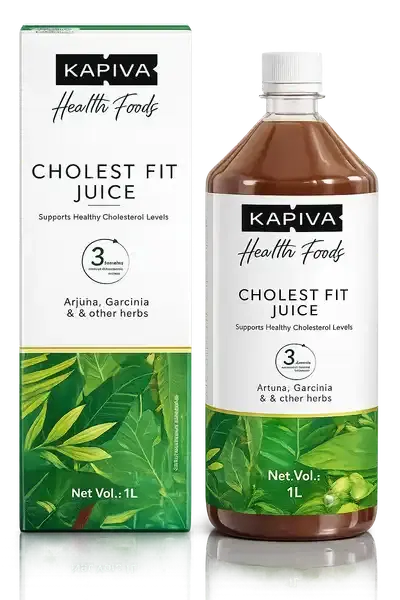
What is Kapiva Cholest Care Juice?
Kapiva Cholest Care Juice is a ready-to-drink Ayurvedic herbal juice formulated to support cardiac health and healthy cholesterol levels. It blends time-tested herbs mentioned in classical Ayurvedic texts such as the Charaka Samhita and the Ashtanga Hridayam. The product is manufactured by Kapiva, a modern Ayurvedic brand, and is available on Quikdu, India's trusted Ayurveda app.
The name "Cholest Care" combines the English word "cholesterol" with the Sanskrit concept of roga-prasamana (disease pacification), reflecting the formula's goal of calming imbalanced lipid metabolism. In Ayurvedic terms, elevated cholesterol is linked to vitiated Kapha dosha (the earth-and-water humour governing structure and lubrication) and an accumulation of ama (undigested metabolic waste) in the rasavaha and medovaha srotas (channels of plasma and fat tissue).
- Product type: Herbal juice (liquid formulation)
- Dosha action: Primarily Kapha-hara (Kapha-reducing) and Vata-anulomana (Vata-normalising)
- Common uses: Supporting healthy cholesterol, cardiac wellness, improving lipid metabolism
- Prescription status: Over-the-counter (OTC); however, individuals with diagnosed heart disease should consult a physician before use
Key Ingredients of Kapiva Cholest Care Juice
The formula combines several classical Ayurvedic herbs. Each ingredient has a distinct role in managing meda dhatu (fat tissue) and supporting cardiovascular function.
| Ingredient | Botanical Name | Part Used | Ayurvedic Role | What Research Suggests |
|---|---|---|---|---|
| Arjuna | Terminalia arjuna | Bark | Hridya (cardiac tonic); strengthens rasa and rakta dhatu | Bark extract may improve lipid profile and cardiac function [1] |
| Garlic (Lahsun) | Allium sativum | Bulb | Kapha-Vata hara; lekhaniya (scraping of fat channels) | Allicin shown to reduce LDL and total cholesterol in clinical studies [2] |
| Guggulu | Commiphora wightii | Resin | Medohara (reduces fat); srotoshodhaka (channel cleansing) | Guggulsterones may modulate bile-acid receptors and lower LDL [3] |
| Amla (Amalaki) | Phyllanthus emblica | Fruit | Rasayana (rejuvenative); antioxidant; Tridosha-hara | Amla extract associated with reduced oxidative stress and lipid peroxidation [4] |
| Methi (Methika) | Trigonella foenum-graecum | Seed | Kapha-Vata nashaka; improves jatharagni (digestive fire) | Fenugreek seeds linked to reduced total cholesterol and triglycerides [5] |
| Dalchini (Twak) | Cinnamomum zeylanicum | Bark | Deepana-pachana (digestive stimulant); ama-reducing | Cinnamon supplementation associated with modest lipid improvements in metabolic syndrome [PMC search] |
How Does Kapiva Cholest Care Juice Work?
Ayurvedic Perspective
According to Ayurveda, imbalanced cholesterol reflects aggravated Kapha dosha and weakened jatharagni (digestive fire), causing ama to accumulate in the medovaha srotas (fat-carrying channels). The herbs in this juice are predominantly lekhaniya (fat-scraping), deepana (agni-kindling), and srotoshodhaka (channel-clearing), working together to restore metabolic balance. By pacifying excess Kapha and clearing ama, the formula aims to support healthy meda dhatu (fat tissue) and, in turn, nourish the heart.
Modern Scientific Perspective
The key active compounds include arjunolic acid and arjunetin from Arjuna bark, allicin from garlic, guggulsterones from Guggulu resin, and tannins plus vitamin C from Amla. These compounds have been studied, mostly as single ingredients, for their roles in inhibiting HMG-CoA activity, reducing oxidative LDL modification, and modulating bile-acid pathways [1][2][3][4]. It is important to note that most published research examines individual herbs; clinical evidence for this specific multi-herb juice formulation as a whole is limited, and further human trials are needed.
Uses and Benefits of Kapiva Cholest Care Juice
1. May Support Healthy Cholesterol Levels
Garlic's allicin and Guggulu's guggulsterones have both been studied for their lipid-lowering properties in human trials [2][3]. Arjuna bark has also shown a positive association with improved lipid profiles in small clinical studies [1]. Together, these ingredients may help maintain cholesterol within a healthy range when combined with diet and lifestyle changes.
2. Traditionally Used for Cardiac Strength
Terminalia arjuna has been described as a hridya dravya (heart-strengthening substance) in the Charaka Samhita (Chikitsa Sthana, Chapter 24). Research suggests that Arjuna bark extract may support myocardial function and reduce exercise-induced cardiac stress [1]. Kapiva Cholest Care Juice leverages this classical herb as its primary cardiac-support ingredient.
3. May Reduce Oxidative Stress
Amla (Phyllanthus emblica) is one of the richest natural sources of vitamin C and polyphenols. Studies indicate that Amla extract can significantly reduce markers of oxidative stress and lipid peroxidation, which are key drivers of arterial damage [4]. Reducing oxidative burden may indirectly support long-term cardiovascular health.
4. May Aid Healthy Triglyceride Management
Fenugreek seeds (Trigonella foenum-graecum) contain soluble fibre (galactomannan) that may slow intestinal absorption of cholesterol and triglycerides [5]. A randomised trial found that fenugreek seed supplementation was associated with meaningful reductions in total cholesterol and triglyceride levels in type 2 diabetes patients [5]. This makes Methi a valuable addition to a cholesterol-care formula.
5. Traditionally Used to Improve Digestion and Fat Metabolism
Dalchini (Cinnamomum zeylanicum) and Methi are both deepana-pachana herbs that stimulate digestive fire and help digest ama. A well-functioning digestive system is central to Ayurvedic lipid management, as poor digestion is considered the root cause of meda imbalance. These herbs may support better fat metabolism by addressing the digestive root of the issue.
6. May Support Healthy Blood Pressure
Arjuna bark has been traditionally used as a hridya (cardiac) tonic that may help maintain healthy blood pressure alongside cholesterol management [1]. Garlic has also been the subject of systematic reviews suggesting a modest antihypertensive effect, possibly through endothelial nitric oxide pathways [2]. This dual action may make Cholest Care Juice a useful adjunct in a comprehensive cardiovascular wellness plan.
7. Rich in Antioxidants for Overall Wellness
Amla and garlic together provide a broad spectrum of antioxidants, including vitamin C, quercetin, and organosulfur compounds. These antioxidants help neutralise free radicals that contribute to chronic inflammation, a well-documented risk factor for cardiovascular disease [4]. Regular consumption may support overall vitality alongside specific cardiac benefits.
Dosage and Directions for Kapiva Cholest Care Juice
Always follow the label instructions or your doctor's advice. The table below is a general reference guide only.
| Parameter | Details |
|---|---|
| Adult dose | 30 ml (2 tablespoons) per serving |
| Frequency | Twice daily (morning and evening) |
| When to take | On an empty stomach, 30 minutes before meals |
| Anupana (vehicle) | Equal quantity of lukewarm water (30 ml) |
| Duration | Minimum 2–3 months for best results; review with a physician thereafter |
| Children (under 12) | Not recommended without medical supervision |
| Elderly | Start with half the dose; increase gradually under guidance |
| Pregnancy & lactation | Avoid; consult a doctor before use |
Always follow the label directions or consult your Ayurvedic physician for personalised dosage advice.
Side Effects and Safety of Kapiva Cholest Care Juice
Kapiva Cholest Care Juice is generally well tolerated when taken at the recommended dose. However, some individuals may experience mild digestive discomfort, nausea, or a garlic-like aftertaste due to the allicin content in garlic. If any adverse reaction occurs, discontinue use and consult a healthcare provider.
Who should avoid or use with caution:
- Pregnant and breastfeeding women: Guggulu and high-dose garlic extracts are traditionally contraindicated in pregnancy; avoid unless prescribed by a physician.
- Individuals on blood thinners (e.g., warfarin, aspirin): Garlic has mild antiplatelet effects; concurrent use may increase bleeding risk [2].
- People on statin therapy: Guggulsterones may interact with cytochrome P450 enzymes; consult your cardiologist before combining [3].
- Individuals with hypothyroidism: Guggulu can stimulate thyroid function; those on thyroid medication should seek medical advice first.
- Children under 12: Safety not established; do not administer without medical supervision.
- Patients with active liver disease: High-dose herbal formulas may stress hepatic metabolism; use only under medical guidance.
This product is a dietary supplement and is not a substitute for prescribed cardiac medication. Never stop prescribed medicine without your doctor's advice.
Diet and Lifestyle Tips to Complement Kapiva Cholest Care Juice
- Follow a Kapha-pacifying diet: Reduce fried, oily, and processed foods. Choose light, warm, easily digestible meals with bitter greens, barley, and millet.
- Exercise daily for at least 30 minutes: Brisk walking, yoga, or swimming helps activate agni, reduce meda, and improve cardiovascular fitness.
- Practise Pranayama (breathing exercises): Techniques like Anulom Vilom and Kapalbhati are traditionally recommended to strengthen the heart and clear respiratory channels.
- Limit refined sugar and trans fats: These aggravate ama and raise triglycerides, counteracting the benefits of the juice.
- Stay well hydrated: Drink 8–10 glasses of warm or room-temperature water daily to support srotas cleansing and fat metabolism.
- Manage stress: Chronic stress elevates cortisol, which can worsen lipid profiles. Meditation and adequate sleep (7–8 hours) are essential companions to herbal therapy.
Frequently Asked Questions About Kapiva Cholest Care Juice
1. What is Kapiva Cholest Care Juice used for?
Kapiva Cholest Care Juice is traditionally used to support healthy cholesterol levels and overall cardiac health. It contains Ayurvedic herbs like Arjuna, Garlic, and Guggulu that have been studied for lipid management. It works best as part of a holistic wellness routine that includes diet and exercise.
2. How long does it take for Kapiva Cholest Care Juice to show results?
Ayurvedic formulas typically require consistent use for at least 2–3 months before noticeable benefits are observed. Individual results vary based on diet, lifestyle, and the degree of cholesterol imbalance. Monitor your lipid profile with a blood test after 3 months to assess progress.
3. Can I take Kapiva Cholest Care Juice with my cholesterol medication?
You should consult your cardiologist or physician before combining this juice with any prescribed cholesterol-lowering drug. Some herbs, especially Guggulu, may interact with statin medications through liver enzyme pathways [3]. Never stop or reduce prescribed medicines on your own.
4. Is Kapiva Cholest Care Juice safe for diabetics?
Fenugreek seeds in the formula may help support blood sugar management, and some ingredients have been studied in diabetic populations [5]. However, if you are on antidiabetic medication, monitor your blood sugar closely, as herbal ingredients may have an additive effect. Always inform your doctor about all supplements you are taking.
5. What is the correct Kapiva Cholest Care Juice dosage?
The standard recommended dose is 30 ml twice daily, diluted in equal parts of lukewarm water, taken 30 minutes before meals. Always follow the label instructions, as the manufacturer's directions take precedence. Your Ayurvedic physician may adjust the dose based on your constitution and health condition.
6. Does Kapiva Cholest Care Juice have any side effects?
Most users tolerate it well, but some may notice mild nausea, gastric discomfort, or a garlic aftertaste. People on blood thinners or thyroid medication should use it with caution due to the antiplatelet and thyroid-stimulating properties of its ingredients. Discontinue use and seek medical advice if any adverse effects develop.
7. Can pregnant women take Kapiva Cholest Care Juice?
Pregnant and breastfeeding women should avoid this product without explicit medical advice, as Guggulu and concentrated garlic extracts are traditionally contraindicated during pregnancy. Safety data for the complete formula in pregnant women is not available. Always consult your gynaecologist or Ayurvedic physician first.
8. Where can I buy Kapiva Cholest Care Juice?
You can buy Kapiva Cholest Care Juice directly on Quikdu, India's trusted Ayurveda app, with assured authenticity and safe doorstep delivery. Purchasing through verified platforms ensures you receive a genuine product with proper storage conditions. Click the link at the end of this article to order today.
9. Is Kapiva Cholest Care Juice 100% natural?
Kapiva positions itself as a brand committed to natural, minimally processed Ayurvedic ingredients. The juice contains herbal extracts and does not claim to contain synthetic cholesterol-lowering drugs. However, always read the product label for the full ingredient list and any added preservatives.
10. Can I take Kapiva Cholest Care Juice on an empty stomach?
Yes, it is traditionally recommended to take Ayurvedic herbal juices on an empty stomach for better absorption of active compounds. Taking it 30 minutes before meals allows the herbs to interact with the digestive system optimally. If you experience stomach sensitivity, you may take it with a small amount of warm water.
References
- Dwivedi S, Chopra D. Revisiting Terminalia arjuna – an ancient cardiovascular drug. J Tradit Complement Med. 2014;4(4):224–231. Available from: https://pmc.ncbi.nlm.nih.gov/articles/PMC4220492/
- Ried K, Toben C, Fakler P. Effect of garlic on serum lipids: an updated meta-analysis. Nutr Rev. 2013;71(5):282–299. Available from: https://pmc.ncbi.nlm.nih.gov/search/?term=garlic+cholesterol+meta-analysis+Ried
- Urizar NL, Moore DD. GUGULIPID: a natural cholesterol-lowering agent. Annu Rev Nutr. 2003;23:303–313. Available from: https://pmc.ncbi.nlm.nih.gov/search/?term=gugulipid+guggulsterone+cholesterol+Moore
- Krishnaveni M, Mirunalini S. Therapeutic potential of Phyllanthus emblica (amla): the ayurvedic wonder. J Basic Clin Physiol Pharmacol. 2010;21(1):93–105. Available from: https://pmc.ncbi.nlm.nih.gov/search/?term=Phyllanthus+emblica+amla+oxidative+stress+cholesterol
- Neelakantan N, Narayanan M, de Souza RJ, van Dam RM. Effect of fenugreek (Trigonella foenum-graecum L.) intake on glycemia: a meta-analysis of clinical trials. Nutr J. 2014;13:7. Available from: https://pmc.ncbi.nlm.nih.gov/articles/PMC3901758/
Classical Sources:
- Charaka Samhita, Chikitsa Sthana, Chapter 24 (Hridroga Chikitsa) – on Terminalia arjuna as a hridya dravya.
- Ashtanga Hridayam, Sutrasthana, Chapter 15 – on lekhaniya (fat-scraping) and deepana (digestive-stimulating) dravyas.
- The Ayurvedic Pharmacopoeia of India, Part I, Volume I – monographs on Terminalia arjuna, Commiphora wightii, and Phyllanthus emblica.
Medical Disclaimer
This article is for informational and educational purposes only. It is not a substitute for professional medical advice, diagnosis, or treatment. Kapiva Cholest Care Juice is a dietary supplement and is not intended to diagnose, treat, cure, or prevent any disease. Always consult a qualified Ayurvedic physician or medical doctor before starting any new supplement, especially if you have a pre-existing health condition or are on prescription medication. Individual results may vary.
Download the Quikdu App today and get verified Ayurvedic products delivered safely to your doorstep.