

Himalaya Turmeric & Niacinamide Face Wash: Uses, Benefits & Why You Should Try It Today
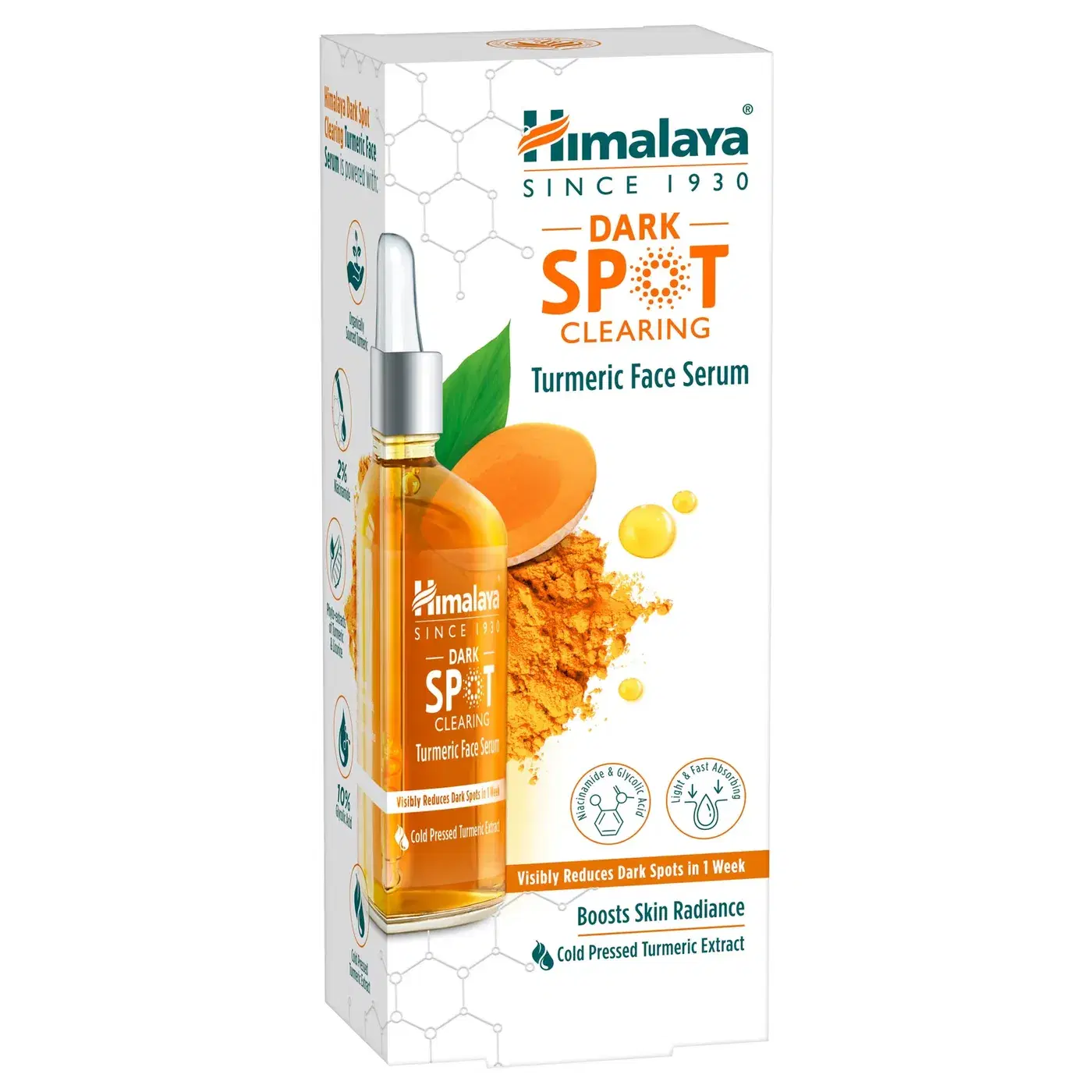
What is Himalaya Turmeric Niacinamide Face Wash?
The Himalaya Turmeric Niacinamide Face Wash is a skin-brightening, daily-use cleanser that blends classical Ayurvedic wisdom with modern cosmetic science. It combines the time-honoured power of Haridra (turmeric, meaning "the one that enhances complexion") with niacinamide, a well-researched form of vitamin B3. Together, they target uneven skin tone, dullness, and excess sebum while gently cleansing pores.
In Ayurveda, Haridra has been documented in the Charaka Samhita under Kushtha (skin disease) management and is praised for its Varnya (complexion-enhancing) and Krimighna (anti-microbial) properties [1]. This face wash brings that heritage into a convenient, everyday format.
- Product type: Skin-care face wash (cosmetic + Ayurvedic-inspired)
- Dosha action: Primarily pacifies Pitta dosha (heat, inflammation) and Kapha dosha (excess oil, congestion)
- Common uses: Brightening, reducing dark spots, controlling oiliness, gentle daily cleansing
- Prescription status: Over-the-counter cosmetic; no prescription required
- Suitable for: Most skin types; best for oily, combination, and dull skin
Key Ingredients of Himalaya Turmeric Niacinamide Face Wash
| Ingredient | Botanical / Chemical Name | Part Used | Ayurvedic Role | What Research Suggests [Ref] |
|---|---|---|---|---|
| Turmeric (Haridra) | Curcuma longa | Rhizome extract | Varnya (brightening), Krimighna (antimicrobial), Shothahara (anti-inflammatory) | Curcumin, its active compound, inhibits melanin synthesis and shows anti-inflammatory activity in lab models [2] |
| Niacinamide | Nicotinamide (Vitamin B3) | Synthetic active | No direct classical reference; supports Twak (skin tissue) health in modern integration | Clinically shown to reduce hyperpigmentation by inhibiting melanosome transfer; also strengthens the skin barrier [3] |
| Aloe Vera (Kumari) | Aloe barbadensis | Leaf gel | Snigdha (moisturising), Pittahara (cooling), Shothahara (soothing) | Polysaccharides in aloe vera support skin hydration and may reduce UV-induced inflammation [4] |
| Liquorice (Yashtimadhu) | Glycyrrhiza glabra | Root extract | Varnya (brightening), Madhura (sweet, soothing to Pitta) | Glabridin, a key flavonoid, inhibits tyrosinase activity and may reduce pigmentation in skin models [5] |
How Does Himalaya Turmeric Niacinamide Face Wash Work?
The Ayurvedic View
From an Ayurvedic perspective, dull skin and dark spots arise from aggravated Pitta dosha and accumulated ama (undigested toxins) affecting Rasa and Rakta dhatu (plasma and blood tissues) along with Twak srotas (skin channels). Excess Kapha leads to blocked pores and a congested complexion. Turmeric's Tikta (bitter) and Katu (pungent) tastes help digest ama, open srotas, and restore radiance, while its Laghu (light) quality prevents further Kapha accumulation. Regular use is believed to kindle Bhrajaka Pitta, the sub-dosha governing skin lustre.
The Modern Scientific View
Curcumin in turmeric inhibits NF-κB, a key inflammatory pathway, and suppresses tyrosinase, the enzyme responsible for melanin production [2]. Niacinamide works at a different step — it blocks the transfer of melanosomes (pigment packets) from melanocytes to skin cells, reducing visible dark spots [3]. It also boosts ceramide synthesis, strengthening the skin barrier and reducing transepidermal water loss. Note that most detailed mechanistic evidence is from individual ingredient studies; robust clinical trials on this specific combined formula are limited, and current evidence should be interpreted with that caveat in mind.
Uses and Benefits of Himalaya Turmeric Niacinamide Face Wash
1. May Brighten Skin and Reduce Dark Spots
Turmeric's curcumin and liquorice's glabridin both target the melanin-production pathway from different angles. Niacinamide complements them by reducing melanosome transfer, a mechanism demonstrated in clinical studies [3]. Together, they may visibly reduce dark spots and post-acne marks with consistent use.
2. Supports Cleansing of Oily and Congested Skin
Excess sebum is linked to Kapha imbalance in Ayurveda. Turmeric's Katu and Tikta qualities traditionally help reduce oiliness and clear blocked srotas. A cleaner pore environment may lower the risk of comedone formation and breakouts.
3. Traditionally Used for Antimicrobial Protection
Classical texts describe Haridra as Krimighna — capable of destroying harmful microorganisms on the skin. Lab studies confirm that curcumin has broad-spectrum antimicrobial properties against common skin pathogens [2]. This makes the face wash a potentially useful daily cleanser for acne-prone skin.
4. May Soothe Redness and Irritation
Curcumin's anti-inflammatory action via NF-κB suppression may help calm redness and irritation [2]. Aloe vera gel further supports this by providing a cooling, Pittahara effect. Individuals with sensitive or reactive skin may find this combination gentler than harsh chemical cleansers.
5. Helps Maintain Skin Hydration
Niacinamide is shown to increase ceramide levels in the stratum corneum, the outermost skin layer, helping retain moisture [3]. Aloe vera's polysaccharides also act as a humectant, attracting water to the skin surface [4]. This dual action makes the face wash suitable even for combination skin that needs oil control without dryness.
6. May Help Even Skin Tone for a Glowing Complexion
Regular use of Ayurvedic face wash for glowing skin often centres on Varnya herbs. Both turmeric and liquorice are categorised as Varnya in classical literature, supporting an even, radiant tone [1]. Niacinamide's proven role in pigmentation reduction adds a modern, evidence-based layer to this traditional claim [3].
7. Gentle Enough for Daily Use
The face wash is formulated as a mild daily cleanser rather than an exfoliating treatment. Its surfactant system is designed to remove impurities without stripping natural oils, making it suitable for twice-daily use. This aligns with the Ayurvedic principle of Dinacharya (daily routine) for sustained skin health.
Dosage and Directions for Himalaya Turmeric Niacinamide Face Wash
| Parameter | Details |
|---|---|
| Adult dose | A small coin-sized amount (approximately 3–5 ml) per wash |
| Frequency | Twice daily — morning and evening |
| When to use | On wet face; lather with water for 30–60 seconds, then rinse thoroughly |
| Anupana (follow-up) | Follow with a light, non-comedogenic moisturiser; in Ayurveda, a thin layer of Kumkumadi Tailam can be used as a nourishing after-care |
| Duration | Visible brightening results typically noted in 4–8 weeks of consistent use |
| Special groups | Pregnant or breastfeeding women should consult a dermatologist before use; not recommended for children under 12 without guidance |
Always follow the directions on the product label or the advice of your dermatologist or Ayurvedic physician.
Side Effects and Safety of Himalaya Turmeric Niacinamide Face Wash
The Himalaya Turmeric Niacinamide Face Wash is generally considered safe for most adults when used as directed. However, like any cosmetic product, it is not entirely free of potential concerns.
Possible side effects include:
- Mild skin tingling or flushing on first use — this is typically transient and settles within a few days
- Turmeric can temporarily stain skin yellow if left on for too long; rinse thoroughly to avoid this
- In rare cases, niacinamide may cause mild redness or a flushing sensation in sensitive individuals [3]
- Allergic contact dermatitis to any ingredient is possible, though uncommon
Who should use with caution or avoid:
- Known allergy to turmeric or ginger family (Zingiberaceae): Avoid use; perform a patch test on the inner wrist 24 hours before full use
- Pregnancy and breastfeeding: Cosmetic face washes are generally low-risk, but consult your doctor before starting any new skincare product
- Children under 12: Use only under adult supervision and dermatological advice
- Very dry or eczema-prone skin: Daily use of any cleanser may worsen dryness; limit to once daily and follow with a rich moisturiser
Drug and product interactions: No significant systemic drug interactions are expected for a rinse-off cosmetic. Avoid using simultaneously with other high-strength actives (e.g., retinoids, AHAs) in the same step without dermatological guidance, as this may cause irritation.
Diet and Lifestyle Tips for Healthy, Glowing Skin
- Follow a Pitta-pacifying diet: Reduce spicy, fried, and fermented foods that aggravate Pitta and worsen skin inflammation; favour cooling foods like cucumber, coconut, and leafy greens.
- Stay hydrated: Aim for 8–10 glasses of water daily; in Ayurveda, warm water infused with Dhaniya (coriander seeds) is recommended to flush ama from the skin channels.
- Protect from UV exposure: Apply a broad-spectrum SPF 30+ sunscreen every morning after cleansing; UV exposure is the primary driver of hyperpigmentation and accelerates skin ageing.
- Practice Abhyanga (self-massage): A weekly gentle face massage with Kumkumadi Tailam or plain cold-pressed coconut oil stimulates Bhrajaka Pitta and promotes natural glow.
- Prioritise sleep and stress management: Chronic stress elevates cortisol, which worsens Pitta and triggers breakouts; aim for 7–8 hours of sleep and practise Pranayama (breathing exercises) daily.
- Avoid harsh scrubbing: Over-exfoliating or using rough towels damages the skin barrier; pat dry gently and let the active ingredients in your face wash do the work.
Frequently Asked Questions About Himalaya Turmeric Niacinamide Face Wash
1. Can I use Himalaya Turmeric Niacinamide Face Wash every day?
Yes, this face wash is formulated for daily use, up to twice a day. Its gentle surfactant base is designed not to strip the skin's natural moisture barrier. If you experience dryness, reduce to once daily and follow with a good moisturiser.
2. How long does it take for turmeric face wash to show results?
Most users notice improved skin brightness within 4–8 weeks of consistent twice-daily use. Significant reduction in dark spots may take 8–12 weeks, as skin cell turnover takes about a month. Results vary based on skin type, sun exposure, and overall skincare routine.
3. Is niacinamide safe for Indian skin tones?
Yes, niacinamide is well-studied across diverse skin tones, including South Asian skin, and is widely recommended by dermatologists for hyperpigmentation common in Indian skin [3]. It is not a bleaching agent and does not alter your natural skin tone — it simply reduces excess pigmentation and evens tone.
4. Will turmeric stain my face or towels?
Rinse-off formulations like face washes contain turmeric in controlled concentrations that minimise staining. Rinse your face thoroughly for 30–60 seconds. Yellow staining on towels is possible; use a darker washcloth or rinse the towel promptly.
5. Can this face wash be used for acne-prone skin?
Turmeric's antimicrobial and anti-inflammatory properties make it traditionally used for acne-prone skin in Ayurveda [1]. Niacinamide has also been shown to reduce sebum production, a key acne trigger. However, it is a cleanser, not an acne treatment — severe acne requires medical consultation.
6. Is this face wash suitable for dry skin?
It is best suited for oily, combination, or normal skin types. Those with very dry or dehydrated skin may find it slightly drying with twice-daily use. Limit use to once daily at night and always follow with a nourishing, hydrating moisturiser.
7. Can I use this face wash with vitamin C serum or retinol?
Using a gentle turmeric niacinamide face wash before applying vitamin C serum is generally fine and may even complement each other's brightening actions. Avoid combining niacinamide-containing products with very high-dose vitamin C in the same step, as some evidence suggests possible interaction at high concentrations. Consult a dermatologist for a personalised layering routine.
8. Is Himalaya Turmeric Niacinamide Face Wash cruelty-free and safe for vegans?
Himalaya has a strong commitment to ethical sourcing and does not test finished products on animals. For specific vegan certification of this product batch, check the packaging or the brand's official website, as formulations can change.
9. What is the Ayurvedic basis for using turmeric in skincare?
Turmeric (Haridra) is listed in the Charaka Samhita as a premier Varnya (complexion-brightening) herb and is used in classical formulations for Kushtha (skin disorders) [1]. It is also an ingredient in traditional Ubtan (herbal scrubs) applied before auspicious ceremonies in India for centuries. Its continued use in modern Ayurvedic skincare reflects this deep-rooted classical endorsement.
10. Where can I buy Himalaya Turmeric Niacinamide Face Wash online in India?
You can buy the Himalaya Turmeric Niacinamide Face Wash safely and conveniently on Quikdu, a trusted Ayurveda app that stocks verified products. Quikdu offers doorstep delivery across India with assurance of product authenticity. Download the Quikdu app or visit the product page to place your order today.
References
- Charaka Samhita, Chikitsa Sthana, Chapter 7 (Kushtha Chikitsa). Haridra listed under Varnya and Krimighna herbs. Classical Ayurvedic text; available in translated editions by Sharma PV, Chaukhamba Sanskrit Pratishthan, Varanasi.
- Hewlings SJ, Kalman DS. Curcumin: A review of its effects on human health. Foods. 2017;6(10):92. PMC ID: PMC5664031.
- Boo YC. Mechanistic basis and clinical evidence for the applications of nicotinamide (niacinamide) to control skin aging and pigmentation. Antioxidants (Basel). 2021;10(8):1315. PMC ID: PMC8389214.
- Surjushe A, Vasani R, Saple DG. Aloe vera: A short review. Indian J Dermatol. 2008;53(4):163–166. PMC ID: PMC2763764.
- Holloway K, Laosam P, Sirirak J, Rattanachaikunsopon P, Laochai T. Glabridin and its role in skin brightening — PMC search: glabridin tyrosinase skin pigmentation. Note: clinical evidence on glabridin is primarily from in vitro models; human trial data are limited.
Medical Disclaimer
This blog is intended for general informational and educational purposes only. It is not a substitute for professional medical or dermatological advice, diagnosis, or treatment. Always consult a qualified Ayurvedic physician, dermatologist, or healthcare provider before starting any new skincare regimen, especially if you have a pre-existing skin condition, are pregnant, breastfeeding, or are on medication. The author and Quikdu do not endorse any specific treatment or make any therapeutic claims regarding the product described.
Download the Quikdu App today and get verified Ayurvedic products delivered safely to your doorstep.