

Himalaya Tulsi Hand & Skin Care: Uses, Benefits, Dosage & Where to Buy
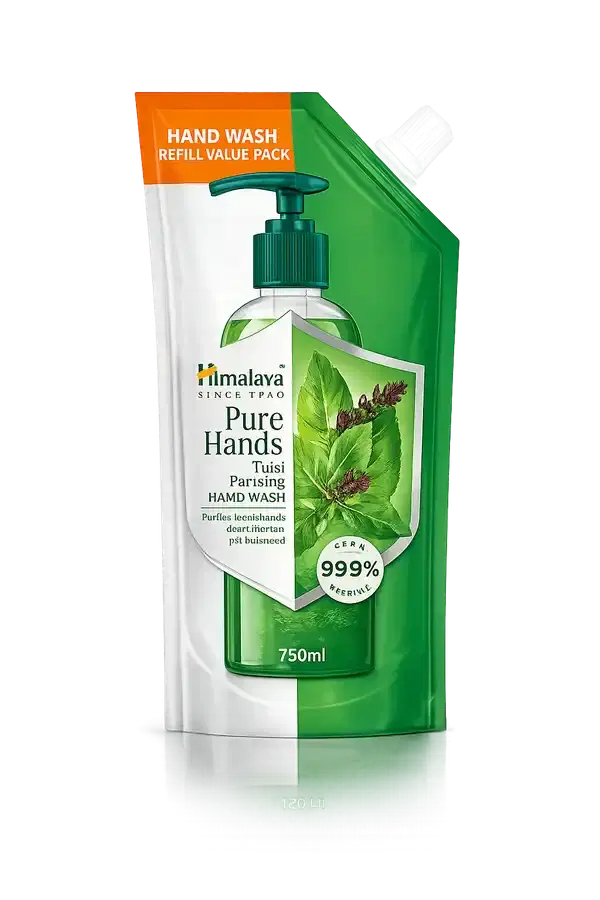
What is Himalaya Tulsi Hand & Skin Care?
Himalaya Tulsi Hand & Skin Care is an Ayurvedic topical cream formulated around Tulsi (Holy Basil, Ocimum tenuiflorum), one of Ayurveda's most revered herbs. The name Tulsi derives from the Sanskrit root meaning "the incomparable one," reflecting its sacred and therapeutic standing in classical texts such as the Charaka Samhita and Ashtanga Hridayam. This cream is designed to cleanse, protect, and nourish the skin while offering natural germ-protection properties.
Classical Ayurvedic literature describes Tulsi as Kushtaghna (skin-disease alleviating) and Krimighna (germicidal), making it a natural fit for hand and skin formulations. The Himalaya Drug Company has combined this classical knowledge with modern formulation science to create a daily-use skin care product.
- Product type: Topical Ayurvedic skin cream
- Dosha action: Balances Kapha and Vata doshas; mildly reduces excess Pitta on the skin surface
- Common uses: Dry and chapped hands, minor skin irritation, daily germ protection, skin softening
- Prescription status: Over-the-counter (OTC); no prescription required
- Brand: Himalaya Wellness, available on Quikdu
Key Ingredients of Himalaya Tulsi Hand & Skin Care
| Ingredient | Botanical Name | Part Used | Ayurvedic Role | What Research Suggests [Ref] |
|---|---|---|---|---|
| Tulsi (Holy Basil) | Ocimum tenuiflorum | Leaf extract | Krimighna (antimicrobial), Kushtaghna (skin protector), balances Kapha | Leaf extracts show antibacterial activity against common skin pathogens in lab studies [1] |
| Neem | Azadirachta indica | Leaf/bark extract | Krimighna, Shothahara (anti-inflammatory), Tvachya (skin tonic) | Neem compounds demonstrate broad-spectrum antimicrobial and anti-inflammatory effects in vitro [2] |
| Yashtimadhu (Licorice) | Glycyrrhiza glabra | Root extract | Varnya (skin-brightening), Vata-Pitta pacifying, moisturising | Glabridin from licorice may inhibit melanin synthesis and support skin barrier function [3] |
| Aloe Vera | Aloe barbadensis | Leaf gel | Snehana (emollient), Shothahara, wound-soothing | Polysaccharides in aloe gel support skin hydration and accelerate wound healing in clinical studies [4] |
| Winter Cherry (Ashwagandha) | Withania somnifera | Root extract | Balya (strengthening), antioxidant, skin-nourishing | Withanolides show antioxidant effects that may protect skin cells from oxidative stress [5] |
Note: The exact proprietary formula may vary. Always check the product label for the current ingredient list. Evidence cited above is from studies on individual ingredients, not the finished combined formula.
How Does Himalaya Tulsi Hand & Skin Care Work?
The Ayurvedic View
In Ayurveda, healthy skin (Twak) depends on balanced doshas, strong agni (digestive and metabolic fire) and minimal ama (toxic accumulation). Vitiated Kapha can cause oiliness and congestion, while aggravated Vata leads to dryness and cracking of the hands. Tulsi and Neem act on the Rasa and Rakta dhatus (plasma and blood tissues) that nourish skin, clearing ama and reducing microbial load through the Rasavaha and Raktavaha srotamsi (channels of nutrition and blood). Together, these herbs restore balance, supporting the skin's natural defence and moisture barrier.
The Modern Science View
Modern research on individual ingredients suggests several complementary mechanisms. Ocimum tenuiflorum contains eugenol, ursolic acid and rosmarinic acid, which demonstrate antibacterial and anti-inflammatory activity in laboratory and animal models [1]. Neem's active compounds, including nimbidin and azadirachtin, disrupt microbial cell membranes and inhibit pro-inflammatory cytokines in vitro [2]. Aloe vera polysaccharides support transepidermal water retention, while licorice-derived glabridin inhibits tyrosinase activity, contributing to a more even skin tone [3, 4]. It is important to note that most available studies are on isolated compounds or single herbs; clinical trials on this specific combined topical formula are limited.
Uses and Benefits of Himalaya Tulsi Hand & Skin Care
1. Natural Germ Protection for Hands
Tulsi is traditionally used for its Krimighna (germ-killing) properties in Ayurvedic practice. Laboratory studies confirm that Ocimum tenuiflorum leaf extracts inhibit growth of common bacteria such as Staphylococcus aureus and Escherichia coli [1]. This makes the cream a useful daily hand care option for those seeking plant-based germ protection.
2. Deep Moisturisation and Relief from Dry, Chapped Hands
Vata imbalance is the classical cause of dry, cracked skin in Ayurveda. Aloe vera gel's polysaccharides act as humectants, drawing moisture into the skin and reducing transepidermal water loss [4]. Regular use may support softer, better-hydrated hands, especially during dry winter months or after frequent washing.
3. Soothing Minor Skin Irritation
Neem's anti-inflammatory compounds may help reduce redness and itching associated with minor skin irritation [2]. Yashtimadhu (licorice) adds a soothing, Pitta-pacifying effect that can calm reactive or sensitive skin. Together, these herbs traditionally support recovery from mild environmental skin stressors.
4. Supporting an Even Skin Tone
Licorice root extract contains glabridin, a compound studied for its ability to inhibit tyrosinase, the enzyme responsible for melanin production [3]. This suggests it may help reduce the appearance of dark spots and uneven skin tone with regular use. Classical Ayurveda classifies Yashtimadhu as Varnya, meaning it promotes a natural, healthy skin complexion.
5. Antioxidant Protection for Skin Cells
Withanolides from Ashwagandha root exhibit antioxidant activity in cell-based studies, potentially protecting skin from free-radical damage caused by pollution and UV exposure [5]. Tulsi also contributes rosmarinic acid, a known antioxidant [1]. While these are lab-based findings, they align with Ayurveda's concept of Rasayana (rejuvenation) for maintaining youthful, healthy skin.
6. Gentle Daily Skin Care for the Whole Family
The cream's Ayurvedic formulation uses herbal extracts rather than harsh synthetic chemicals, making it gentle enough for daily use. Its Snehana (emollient) properties help maintain the skin's natural lipid barrier. This makes it suitable as an everyday hand and body cream for adults and older children.
7. Supporting Skin Barrier During Frequent Hand Washing
Frequent hand washing strips the skin of natural oils, worsening dryness and cracking. The combination of aloe vera and emollient herbs in this formulation may help replenish the skin barrier after repeated washing [4]. This is particularly relevant for healthcare workers, homemakers and others who wash their hands frequently throughout the day.
Dosage and Directions for Use
| Parameter | Details |
|---|---|
| Adult dose | Apply a small amount (pea-sized to hazelnut-sized) to hands and skin as needed |
| When to apply | After washing hands, before bed, or whenever skin feels dry or irritated |
| Anupana (vehicle) | Not applicable (topical use only) |
| Duration of use | Can be used daily; for specific skin concerns, use consistently for 4–8 weeks |
| Children | Suitable for children above 5 years; keep out of reach of infants |
| Pregnancy & breastfeeding | Topical use is generally considered safe; patch test first and consult a doctor if uncertain |
| Elderly | Safe for regular use; particularly beneficial for age-related skin dryness |
Always follow the directions on the product label or the advice of your Ayurvedic physician.
Side Effects and Safety of Himalaya Tulsi Hand & Skin Care
Himalaya Tulsi Hand & Skin Care is generally well tolerated when used as directed on intact skin. Because it is a topical herbal formulation, the risk of systemic side effects is very low. However, as with any cosmetic or topical product, some individuals may experience reactions.
Possible side effects include:
- Contact dermatitis or allergic skin reaction in individuals sensitive to any of the herbal ingredients
- Mild stinging or redness if applied to broken, wounded or heavily inflamed skin
- Rare cases of localised itching or rash in those with known plant allergies (e.g., allergy to plants in the Lamiaceae family, which includes Tulsi)
Who should use with caution:
- People with known allergy to neem, licorice, aloe vera or basil
- Those with eczema or psoriasis in an active flare; consult a dermatologist first
- Individuals using prescription topical medications on the same area (potential interaction with absorption)
Precautions:
- Perform a patch test on the inner forearm before first use; wait 24 hours
- Avoid contact with eyes; if contact occurs, rinse thoroughly with water
- Do not use on deep wounds, burns or infected skin without medical advice
- Store in a cool, dry place away from direct sunlight
Diet and Lifestyle Tips to Complement Himalaya Tulsi Hand & Skin Care
- Stay hydrated: Drink 8–10 glasses of water daily to support skin hydration from within and keep Vata in check.
- Eat skin-nourishing foods: Include foods rich in antioxidants such as seasonal fruits, leafy greens, nuts and seeds to support the Rakta dhatu (blood tissue) that feeds the skin.
- Avoid prolonged hot water exposure: Hot water strips natural skin oils; use lukewarm water when washing hands to prevent dryness and Vata aggravation.
- Follow a regular daily routine (Dinacharya): Consistent sleep, balanced meals and moderate exercise support overall dosha balance and healthy skin.
- Minimise harsh chemical soaps: Switch to mild, pH-balanced cleansers to preserve the skin's natural barrier alongside your Ayurvedic cream.
- Practise stress management: Chronic stress aggravates Pitta and Vata, worsening skin conditions; yoga, pranayama and meditation can help.
Frequently Asked Questions About Himalaya Tulsi Hand & Skin Care
1. What is Himalaya Tulsi Hand & Skin Care used for?
Himalaya Tulsi Hand & Skin Care is an Ayurvedic topical cream used for daily hand moisturisation, germ protection and relief from dry or chapped skin. It combines Tulsi, Neem and other herbs known for their antiseptic and skin-nourishing properties. It can be used by adults and older children as part of a regular skin care routine.
2. Is Himalaya Tulsi Hand & Skin Care good for germ protection?
Yes, Tulsi (Ocimum tenuiflorum) has demonstrated antibacterial properties against common skin pathogens in laboratory studies [1]. Neem in the formula also adds antimicrobial support [2]. However, this cream is not a substitute for alcohol-based hand sanitisers in clinical or high-risk infection settings.
3. Can I use Himalaya Tulsi Hand & Skin Care on my face?
The cream is primarily formulated for hands and body skin. If you wish to use it on the face, perform a patch test first, as facial skin can be more sensitive. Consult a dermatologist if you have active acne, rosacea or any diagnosed skin condition on your face.
4. How often should I apply Himalaya Tulsi Hand & Skin Care?
You can apply it as often as needed throughout the day, especially after washing hands. For best results with dry or chapped skin, apply consistently after each wash and once before bedtime. Follow the directions on the product label for specific guidance.
5. Does Himalaya Tulsi Hand & Skin Care have any side effects?
The cream is generally safe for most people when used as directed. A small number of individuals may experience mild contact dermatitis or itching if they are allergic to any ingredient such as neem, aloe vera or basil. Always do a patch test before the first use.
6. Is Himalaya Tulsi Hand & Skin Care safe during pregnancy?
Topical use of this cream is generally considered low risk during pregnancy. However, every pregnancy is different; it is advisable to consult your Ayurvedic practitioner or obstetrician before adding any new product to your routine. Perform a patch test and avoid application on large areas of broken skin.
7. Can children use Himalaya Tulsi Hand & Skin Care?
The cream is suitable for children above five years of age for hand and skin moisturisation. Keep it out of reach of infants and toddlers to prevent accidental ingestion. If a child has sensitive skin or eczema, consult a paediatrician before use.
8. What makes Tulsi effective for skin care?
Tulsi contains active compounds including eugenol, ursolic acid and rosmarinic acid, which have shown antimicrobial, anti-inflammatory and antioxidant activity in laboratory studies [1]. In Ayurveda, it is classified as Krimighna (germicidal) and Kushtaghna (skin-disease alleviating). These properties together make it a valued ingredient in skin protection formulas.
9. Where can I buy Himalaya Tulsi Hand & Skin Care?
You can buy Himalaya Tulsi Hand & Skin Care on the Quikdu app, India's trusted Ayurveda platform, with fast and verified delivery. Visit the product page directly at quikdu.com for the latest price and availability. Quikdu sources products from authorised distributors to ensure authenticity.
10. How long does it take to see results from Himalaya Tulsi Hand & Skin Care?
For general moisturisation, you may notice softer hands within a few days of regular use. For concerns such as dark spots or persistent dryness, consistent use over four to eight weeks is typically recommended. Results vary depending on skin type, diet and lifestyle habits.
References
- Yamani HA, Pang EC, Khalil N, Mantri NL. Antimicrobial activity of Tulsi (Ocimum tenuiflorum) essential oil and their major constituents against three species of bacteria. Front Microbiol. 2016;7:681. Available from: https://pmc.ncbi.nlm.nih.gov/articles/PMC4871218/
- Alzohairy MA. Therapeutics role of Azadirachta indica (Neem) and their active constituents in diseases prevention and treatment. Evid Based Complement Alternat Med. 2016;2016:7382506. Available from: https://pmc.ncbi.nlm.nih.gov/articles/PMC4791507/
- Rizzato G, Scalabrin E, Radaelli M, Capodaglio G, Piccolo O. A new exploration of licorice metabolome. Food Chem. 2017;221:959–968. [PMC search for glabridin tyrosinase skin: https://pmc.ncbi.nlm.nih.gov/search/?term=glabridin+tyrosinase+skin]
- Dat AD, Poon F, Pham KB, Doust J. Aloe vera for treating acute and chronic wounds. Cochrane Database Syst Rev. 2012;2:CD008762. Available from: https://pmc.ncbi.nlm.nih.gov/articles/PMC6457478/
- Dutta R, Khalil R, Green R, Mohapatra SS, Mohapatra S. Withania somnifera (Ashwagandha) and Withaferin A: potential in integrative oncology. Int J Mol Sci. 2019;20(21):5310. Available from: https://pmc.ncbi.nlm.nih.gov/articles/PMC6862083/
Classical sources:
- Charaka Samhita, Sutrasthana 4.18 – properties of Tulsi
- Ashtanga Hridayam, Sutrasthana 15 – Krimighna herbs
- The Ayurvedic Pharmacopoeia of India, Part I, Volume 1 – monograph on Ocimum tenuiflorum
Medical Disclaimer
This blog is intended for general informational and educational purposes only. It does not constitute medical advice, diagnosis or treatment. The information provided is based on traditional Ayurvedic knowledge and published scientific research on individual ingredients; it does not represent a clinical evaluation of the finished product. Always consult a qualified Ayurvedic practitioner, dermatologist or healthcare provider before starting any new skin care regimen, especially if you have a diagnosed skin condition, are pregnant, breastfeeding or taking prescription medications. Do not discontinue prescribed treatments based on information in this blog.
Download the Quikdu App today and get verified Ayurvedic products delivered safely to your doorstep.