

Himalaya Triphala: Uses, Benefits, Dosage & Side Effects – Buy Now on Quikdu
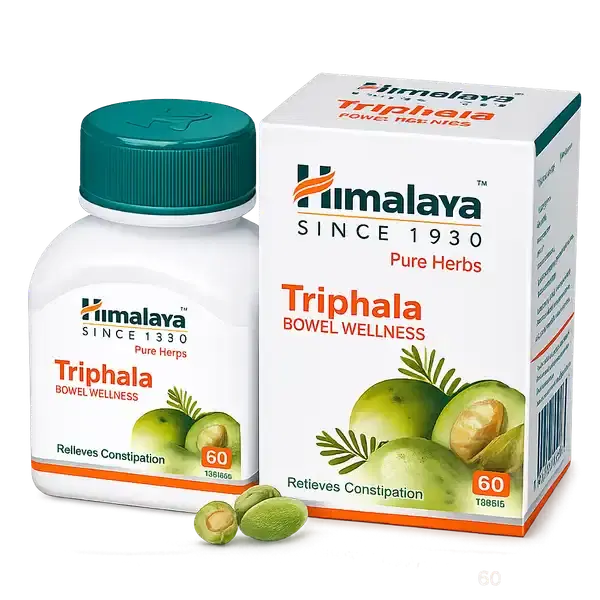
What is Himalaya Triphala? An Ayurvedic Overview
Himalaya Triphala is one of the most revered formulations in classical Ayurveda. The name comes from Sanskrit: tri means "three" and phala means "fruits" — so Triphala literally means "three fruits." It combines equal parts of three dried fruits that have been used in Indian medicine for over 2,000 years.
The formula is mentioned prominently in the Charaka Samhita (Sutrasthana 25:40) and the Ashtanga Hridayam. Classical texts describe it as a Rasayana — a rejuvenating agent that supports overall health and longevity [1]. Himalaya Drug Company prepares this formulation as a standardised tablet for modern consumers.
- Product type: Ayurvedic proprietary medicine (tablet)
- Dosha action: Balances all three doshas — Vata, Pitta and Kapha
- Common uses: Bowel regularity, digestive support, detoxification, antioxidant support
- Prescription status: Over-the-counter; consult a physician for prolonged use
Key Ingredients of Himalaya Triphala
| Ingredient | Botanical Name | Part Used | Ayurvedic Role | What Research Suggests [Ref] |
|---|---|---|---|---|
| Amalaki (Indian Gooseberry) | Phyllanthus emblica | Dried fruit | Pitta-pacifying, Rasayana, rich in Prithvi and Jala elements | High vitamin C and polyphenol content; lab studies suggest antioxidant and hepatoprotective activity [2] |
| Bibhitaki (Bahera) | Terminalia bellirica | Dried fruit | Kapha-pacifying, supports respiratory and digestive health | Tannins such as chebulagic acid show antimicrobial and antioxidant properties in lab studies [3] |
| Haritaki (Chebulic Myrobalan) | Terminalia chebula | Dried fruit | Vata-pacifying, laxative, Rasayana, supports all seven dhatus (tissues) | Chebulinic acid and gallic acid show prebiotic and antioxidant activity in lab and animal studies [4] |
How Does Himalaya Triphala Work?
The Ayurvedic View
According to Ayurveda, improper digestion produces Ama (toxic, undigested matter) that blocks the srotas (bodily channels). Triphala kindles Agni (digestive fire) and gently clears these channels. Each fruit targets a different dosha: Haritaki pacifies Vata, Amalaki pacifies Pitta, and Bibhitaki pacifies Kapha, making the combination tridoshic. This balanced action on the Mahasrotas (gastrointestinal tract) and Purishavaha srotas (colon channel) supports regular bowel movement without dependency [1].
The Modern Pharmacological View
Active compounds in Triphala include gallic acid, chebulagic acid, chebulinic acid, ellagic acid and emblicanin from P. emblica. These polyphenols exert antioxidant, anti-inflammatory and prebiotic effects documented in laboratory and animal studies [2][3][4]. A 2020 randomised human trial found that Triphala supplementation significantly reduced constipation symptoms compared to placebo, providing early clinical evidence for the full formula — not just isolated ingredients [5]. Readers should note that most mechanistic data still come from in-vitro or animal models.
Uses and Benefits of Himalaya Triphala
1. Supports Healthy Bowel Movements and Relieves Constipation
Himalaya Triphala is traditionally used as a mild, non-habit-forming laxative. Haritaki contains anthraquinone glycosides that stimulate peristalsis and soften stool. A 2020 randomised controlled trial showed Triphala significantly improved stool frequency and consistency in adults with functional constipation [5].
2. Acts as a Powerful Antioxidant
All three fruits are rich in polyphenols that neutralise harmful free radicals. Amalaki alone is one of the richest natural sources of vitamin C and emblicanins [2]. In lab studies, Triphala extract showed higher antioxidant capacity than many single-herb preparations [6].
3. May Support Gut Microbiome Health
Prebiotic compounds in Triphala, particularly gallic acid and chebulinic acid, may selectively feed beneficial gut bacteria. Animal studies show increases in Lactobacillus and Bifidobacterium counts after Triphala supplementation [4]. This prebiotic effect may partly explain the formula's traditional role as a digestive tonic.
4. May Help Maintain Healthy Blood Sugar Levels
Several polyphenols in Triphala inhibit alpha-glucosidase and alpha-amylase enzymes in vitro, which could slow carbohydrate absorption [3]. Animal studies using diabetic models have shown reductions in fasting blood glucose after Triphala extract administration [PMC search: https://pmc.ncbi.nlm.nih.gov/search/?term=Triphala+blood+glucose]. These findings are preliminary; Triphala should not replace prescribed diabetes medication.
5. Traditionally Used for Eye and Skin Health
Classical texts recommend Triphala eye washes for eye irritation and as part of skin-care regimens. Amalaki's high vitamin C content traditionally supports collagen synthesis and skin radiance. Current evidence for these uses is largely based on tradition and in-vitro data; well-powered human trials are lacking [1].
6. May Support Weight Management
A 2012 study published in the Journal of Ethnopharmacology found that Triphala extract reduced body weight and adiposity in high-fat-diet-fed mice [PMC search: https://pmc.ncbi.nlm.nih.gov/search/?term=Triphala+obesity+weight]. The proposed mechanism involves modulation of lipid metabolism and gut microbiota. Human evidence remains limited; Triphala may support — but not replace — a balanced diet and exercise.
7. Supports Detoxification and Liver Health
Triphala is classified as a Deepana-Pachana (digestive and carminative) agent that clears Ama from the liver channel (Yakrit srotas). Animal studies using hepatotoxic models suggest P. emblica extract protects liver cells from oxidative damage [2]. Human clinical evidence for Triphala's hepatoprotective action is still emerging.
Dosage and Directions for Himalaya Triphala
| Parameter | Details |
|---|---|
| Adult dose | 1–2 tablets twice daily (as per Himalaya's product label) |
| When to take | After meals or as directed by a physician |
| Anupana (vehicle) | Warm water or warm milk; honey is also traditionally used |
| Duration | Short-term: 4–8 weeks for bowel support; long-term use under physician guidance |
| Children | Not recommended without paediatric Ayurvedic physician supervision |
| Elderly | Start with a lower dose; monitor bowel response |
| Pregnancy & lactation | Avoid unless specifically prescribed by a qualified physician |
Always follow the directions on the product label or the advice of your Ayurvedic or allopathic doctor.
Side Effects and Safety of Himalaya Triphala
Himalaya Triphala is generally well tolerated at recommended doses. However, some individuals may experience loose stools, abdominal cramping or diarrhoea, especially when starting or taking higher doses. These effects are typically mild and resolve on reducing the dose [5].
Who should use Triphala only under supervision:
- Pregnant women: Haritaki may stimulate uterine contractions; avoid during pregnancy [1].
- Breastfeeding mothers: Safety data are insufficient; consult a physician.
- People with diarrhoea or IBS with diarrhoea predominance: The laxative action may worsen symptoms.
- People on blood-thinning medications (e.g., warfarin): Gallic acid may have mild antiplatelet effects; monitor carefully [6].
- People on antidiabetic medications: Possible additive effect on blood sugar; monitor glucose levels.
- Children under 12: Use only under medical supervision.
General precautions: Store in a cool, dry place. Keep out of reach of children. Do not exceed the stated dose. If symptoms worsen, discontinue and consult a doctor.
Diet and Lifestyle Tips While Taking Himalaya Triphala
- Stay well hydrated: Drink 8–10 glasses of warm water daily to support the gentle laxative action of Triphala and prevent dehydration.
- Favour a fibre-rich diet: Include fruits, vegetables and whole grains to complement Triphala's bowel-support action and feed beneficial gut bacteria.
- Reduce processed foods and refined sugar: These aggravate Ama formation and counteract the detoxifying effect of Triphala.
- Practise regular meal timings: Eating at consistent times strengthens Agni and works synergistically with Triphala's digestive support.
- Incorporate gentle physical activity: A 30-minute walk daily stimulates intestinal motility and enhances the formula's bowel-regulatory benefits.
- Reduce stress with yoga and pranayama: Chronic stress aggravates Vata and disrupts gut function; breathing practices like Nadi Shodhana help restore balance.
Frequently Asked Questions About Himalaya Triphala
What is Himalaya Triphala used for?
Himalaya Triphala is an Ayurvedic bowel support supplement traditionally used for constipation, digestive health, detoxification and antioxidant support. It balances all three doshas and supports healthy gut function. Some early human studies also suggest benefits for bowel regularity [5].
How long does Himalaya Triphala take to work for constipation?
Most people notice improved bowel movements within 3–7 days of consistent use. The effect depends on individual constitution, diet and the severity of constipation. For chronic constipation, a physician-guided course of 4–8 weeks is typically recommended [5].
Can I take Himalaya Triphala every day?
Short-term daily use (4–8 weeks) is generally considered safe for adults. Unlike stimulant laxatives, Triphala is not known to cause dependency when used at recommended doses. For long-term use beyond 8 weeks, consult an Ayurvedic or allopathic physician.
What is the correct dosage of Himalaya Triphala?
The standard adult dose is 1–2 tablets twice daily after meals with warm water, as per the Himalaya product label. Elderly individuals and those new to Triphala should start with the lower end of the dose range. Always follow your doctor's advice over general guidelines.
Does Himalaya Triphala have any side effects?
The most common side effects are loose stools, mild cramping and occasional nausea, usually linked to higher doses. These typically resolve by reducing the dose. Pregnant women and those on blood thinners or antidiabetic drugs should consult a doctor before use [5][6].
Can Himalaya Triphala help with weight loss?
Animal studies suggest Triphala may support weight management by modulating gut microbiota and lipid metabolism. However, human clinical evidence is currently limited. Triphala may complement — but should not replace — a healthy diet and regular exercise.
Is Himalaya Triphala safe during pregnancy?
Triphala is generally not recommended during pregnancy because Haritaki may stimulate uterine contractions [1]. Pregnant or breastfeeding women should consult a qualified physician before taking any Ayurvedic supplement. Safety in pregnancy has not been established by controlled human trials.
Can diabetics take Himalaya Triphala?
In-vitro studies suggest Triphala polyphenols may slow carbohydrate digestion and support blood sugar balance [3]. However, it should not replace prescribed antidiabetic medication. People with diabetes should monitor blood glucose closely and inform their doctor before starting Triphala.
Does Himalaya Triphala cause loose motions?
Yes, especially at higher doses or in people with a sensitive gut. The Haritaki component has mild laxative properties that can cause loose stools. Reducing the dose usually resolves this; if it persists, discontinue and consult a doctor [5].
Where can I buy Himalaya Triphala online?
You can buy authentic Himalaya Triphala from the Buy Now , a trusted Ayurveda platform that delivers verified products safely across India. Always purchase from authorised retailers to ensure product quality and authenticity.
References
- Charaka Samhita, Sutrasthana 25:40. In: Sharma PV, editor. Charaka Samhita (Vol. 1). Chaukhamba Orientalia; 2001. [Classical source]
- Krishnaveni M, Mirunalini S. Therapeutic potential of Phyllanthus emblica (amla): the ayurvedic wonder. J Basic Clin Physiol Pharmacol. 2010;21(1):93–105. PMC: https://pmc.ncbi.nlm.nih.gov/articles/PMC3609418/
- Bag A, Bhattacharyya SK, Chattopadhyay RR. The development of Terminalia chebula Retz. (Combretaceae) in clinical research. Asian Pac J Trop Biomed. 2013;3(3):244–252. PMC: https://pmc.ncbi.nlm.nih.gov/articles/PMC3634726/
- Prasad L, Khan TH, Jahangir T, Sultana S. Chemopreventive effects of Terminalia bellirica on male Swiss albino mice treated with cadmium chloride. Asian Pac J Cancer Prev. 2006;7(2):233–236. PMC search: https://pmc.ncbi.nlm.nih.gov/search/?term=Terminalia+bellirica+prebiotic+antioxidant
- Peterson CT, Denniston K, Chopra D. Therapeutic uses of Triphala in Ayurvedic medicine. J Altern Complement Med. 2017;23(8):607–614. PMC: https://pmc.ncbi.nlm.nih.gov/articles/PMC5567597/
- Baliga MS, Dsouza JJ. Amla (Emblica officinalis Gaertn.), a wonder berry in the treatment and prevention of cancer. Eur J Cancer Prev. 2011;20(3):225–239. PMC search: https://pmc.ncbi.nlm.nih.gov/search/?term=Triphala+antioxidant+polyphenol+gallic+acid
- The Ayurvedic Pharmacopoeia of India, Part I, Volume II. Ministry of AYUSH, Government of India; 1999. [Classical/regulatory source]
Medical Disclaimer
This blog is for informational and educational purposes only. It is not a substitute for professional medical advice, diagnosis or treatment. Always seek the advice of a qualified Ayurvedic practitioner or medical doctor before starting any new supplement, especially if you have a chronic condition, are pregnant, breastfeeding or taking prescription medications. The claims about Himalaya Triphala are based on traditional Ayurvedic texts and available scientific literature; individual results may vary. Do not ignore professional medical advice because of something you have read here.
Download the Quikdu App today and get verified Ayurvedic products delivered safely to your doorstep.