

Himalaya Tagara Tablets: Uses, Benefits, Dosage & Side Effects – Buy Now on Quikdu
What are Himalaya Tagara Tablets? A Complete Overview
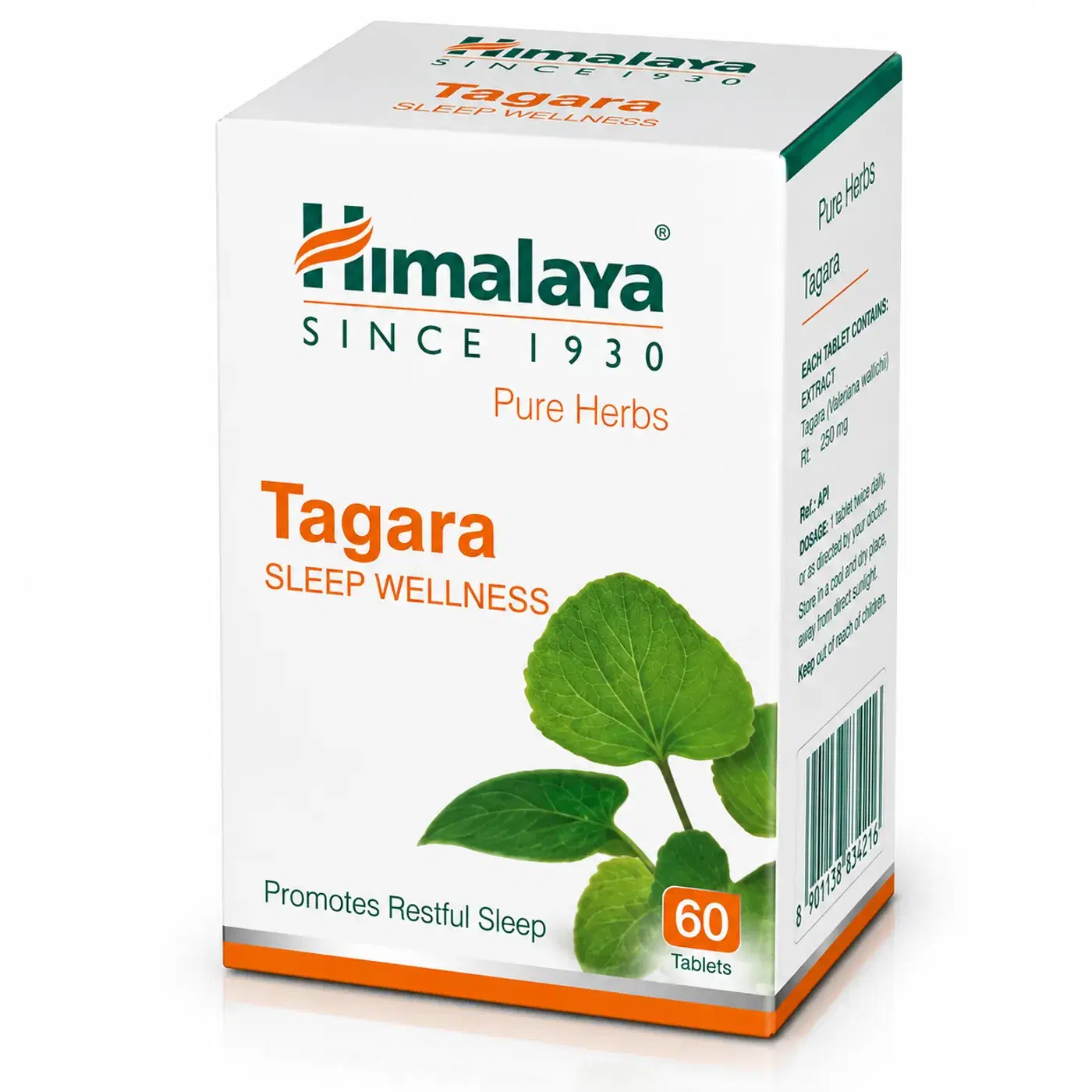
Himalaya Tagara Tablets are a single-herb Ayurvedic formulation made from Tagara (meaning "that which purifies" in Sanskrit), the Indian valerian root (Valeriana wallichii DC.). Mentioned prominently in classical texts such as the Charaka Samhita (Sutra Sthana 4.19) and the Ashtanga Hridayam, Tagara has been used for centuries to calm the mind, ease anxiety and support restful sleep. Himalaya Drug Company standardises this root extract to deliver consistent potency in every tablet.
The word Tagara is derived from Sanskrit, loosely translated as "a purifying or clarifying agent." Classical Ayurvedic texts classify it as a Medhya Rasayana (mind-nourishing tonic) and a Nidrajanana (sleep-inducing herb). It is freely available over the counter and does not require a prescription for general wellness use, although medical guidance is always advised.
- Product type: Single-herb Ayurvedic tablet (proprietary formulation)
- Dosha action: Primarily pacifies Vata and Pitta doshas
- Common uses: Stress, anxiety, insomnia, nervous system support, mild pain relief
- Prescription status: Over-the-counter (OTC); consult a doctor for long-term use
- Manufacturer: Himalaya Wellness Company, India
Key Ingredients in Himalaya Tagara Tablets
| Ingredient | Botanical Name | Part Used | Ayurvedic Role | What Research Suggests [Ref] |
|---|---|---|---|---|
| Tagara (Indian Valerian) | Valeriana wallichii DC. | Root and rhizome | Nidrajanana (sleep inducer), Vata-Pitta pacifier, Medhya (mind tonic) | Valerenic acid and isovaleric acid in valerian roots may enhance GABA-A receptor activity, supporting sedation and anxiolysis [1][2] |
Himalaya Tagara Tablets use a standardised dry extract of Valeriana wallichii root as the sole active ingredient. Excipients such as microcrystalline cellulose and magnesium stearate are added only as binders and do not have pharmacological effects. All scientific evidence cited below applies to Valeriana wallichii or the closely related Valeriana officinalis unless otherwise stated.
How Do Himalaya Tagara Tablets Work?
The Ayurvedic View
Tagara is described as Tikta (bitter) and Katu (pungent) in taste, with a Ushna Veerya (hot potency) and a Katu Vipaka (pungent post-digestive effect). These qualities allow it to balance aggravated Vata dosha, which governs the nervous system and movement in the body. By calming Vata in the Majja Dhatu (nerve tissue) and the Manovaha Srotas (channels of the mind), Tagara reduces mental agitation, supports Agni (digestive fire) and helps clear Ama (metabolic toxins) that may block mental clarity.
The Modern Pharmacological View
The primary active compounds in Valeriana wallichii root are valerenic acid, isovaleric acid, valepotriates and flavonoids such as linarin and hesperidin [1]. Valerenic acid has been shown in laboratory studies to inhibit the enzyme GABA transaminase and act as a partial agonist at GABA-A receptors, thereby increasing inhibitory neurotransmission in the brain [2]. Additional studies suggest antioxidant and mild analgesic activity from the root's flavonoid content [3]. It is important to note that most mechanistic studies use Valeriana officinalis or isolated compounds; robust clinical trials on the full Valeriana wallichii extract in humans remain limited.
Uses and Benefits of Himalaya Tagara Tablets
1. May Help Reduce Stress and Anxiety
Tagara is traditionally used for Chittodvega (mental agitation) and anxiety in classical Ayurveda. A systematic review published in PMC found that valerian root extracts significantly reduced state anxiety scores compared to placebo in several randomised trials [1]. The GABA-A modulating activity of valerenic acid is considered the primary mechanism behind this anxiolytic effect [2].
2. May Support Restful Sleep (Insomnia Relief)
Classical texts list Tagara as a first-line Nidrajanana herb, making it one of the oldest Ayurvedic sleep aids on record. A meta-analysis of valerian studies found that patients using valerian root reported improved sleep quality and reduced sleep latency without significant next-day sedation [4]. This makes Himalaya Tagara Tablets a popular natural option for mild to moderate insomnia.
3. May Calm the Nervous System
Aggravated Vata in the nervous system is classically linked to conditions like restlessness, tremors and palpitations. Research suggests that valepotriates in valerian root have sedative and antispasmodic properties that may soothe the central nervous system [2]. These effects are currently supported mainly by animal and in-vitro data; large human trials are still needed.
4. May Offer Mild Analgesic and Antispasmodic Support
Tagara is mentioned in the Charaka Samhita as useful in Shirashoola (headache) and Shula (colic pain). Animal studies indicate that valerian root extracts exhibit significant analgesic activity, possibly through opioid pathway modulation [3]. This evidence is preliminary and from animal models only; it should not replace standard pain management without medical advice.
5. May Support Cognitive Function and Memory
As a Medhya Rasayana, Tagara is traditionally used to sharpen memory and enhance concentration. Laboratory studies on valerian flavonoids show antioxidant activity that may protect neuronal cells from oxidative stress [3]. This neuroprotective potential is promising but requires validation in well-designed human clinical trials.
6. May Help Manage Mild Hypertension Related to Stress
Chronic stress is a known contributor to elevated blood pressure in Indian adults. Because Tagara may reduce stress-driven sympathetic nervous activity, it could indirectly support healthy blood pressure levels [1]. Patients already on antihypertensive medications must consult their doctor before adding Tagara to avoid additive hypotensive effects.
7. Traditionally Used for Digestive Discomfort Linked to Anxiety
The gut-brain axis is well recognised in both Ayurveda (Grahani disorders linked to mental stress) and modern gastroenterology. Tagara's carminative and antispasmodic properties may ease stress-related bloating and abdominal cramps [2]. This use is based largely on traditional literature and animal data; clinical evidence in humans is limited.
Dosage and Directions for Himalaya Tagara Tablets
| Parameter | Details |
|---|---|
| Adult dose | 1–2 tablets (each 250 mg extract), twice daily |
| When to take | After meals; for sleep support, take one dose 30–60 minutes before bedtime |
| Anupana (vehicle) | Warm water or warm milk (traditionally recommended with milk for sleep) |
| Recommended duration | 4–12 weeks; reassess with a physician for longer use |
| Children (under 12) | Not recommended without paediatric Ayurvedic or medical guidance |
| Elderly patients | Start with the lower dose (1 tablet twice daily); monitor for excess sedation |
| Pregnancy and lactation | Avoid; safety data are insufficient (see Safety section) |
Always follow the dosage printed on the product label or as directed by your Ayurvedic physician or registered medical practitioner.
Side Effects and Safety of Himalaya Tagara Tablets
Himalaya Tagara Tablets are generally well tolerated at recommended doses. However, some individuals may experience mild side effects, especially when first starting the supplement or when taking higher doses. Known and possible side effects include headache, dizziness, gastrointestinal upset (nausea, stomach cramps) and daytime drowsiness [4].
Who should avoid or use with caution:
- Pregnant women: Valepotriates in valerian have shown cytotoxic activity in laboratory studies; avoid during pregnancy [5].
- Breastfeeding mothers: Insufficient safety data; avoid until more evidence is available.
- Children under 12: Not studied adequately in this age group; use only under expert guidance.
- Patients on sedatives or benzodiazepines: Additive CNS depression is possible; always inform your doctor [4].
- Patients on anticoagulants: Theoretical interaction via cytochrome P450 pathways; monitor INR if on warfarin.
- Pre-surgery patients: Discontinue at least two weeks before any scheduled surgery due to sedative and possible anaesthetic interaction.
- Liver disease: High-dose or prolonged use of valerian has been associated with rare hepatotoxicity in case reports; use under supervision [5].
If you notice yellowing of skin or eyes, dark urine or severe fatigue, stop the supplement immediately and seek medical attention.
Diet and Lifestyle Tips While Taking Himalaya Tagara Tablets
- Follow a Vata-calming diet: Favour warm, cooked, oily foods such as khichdi, warm soups and ghee. Reduce raw salads, cold beverages and excessive dry or light foods that aggravate Vata.
- Maintain a consistent sleep schedule: Go to bed by 10 pm and wake by 6 am to align with natural Kapha rhythms that promote deep sleep.
- Practice gentle yoga and pranayama: Poses like Shavasana (corpse pose) and breathing techniques like Anulom Vilom (alternate-nostril breathing) complement the calming action of Tagara.
- Limit caffeine and screen time before bed: Both stimulate Vata and Pitta, counteracting the tablet's sleep-supporting benefits.
- Perform Abhyanga (self-oil massage): A warm sesame-oil massage 30 minutes before bathing grounds Vata and reduces physical tension.
- Stay hydrated with warm herbal teas: Ashwagandha or chamomile tea in the evening pairs well with Tagara to deepen relaxation without adding stimulants.
Frequently Asked Questions About Himalaya Tagara Tablets
1. What are Himalaya Tagara Tablets used for?
Himalaya Tagara Tablets are primarily used as an Ayurvedic stress reliever and natural sleep aid. They may also help with anxiety, nervous restlessness and mild pain. The formulation is based on the classical Ayurvedic herb Tagara (Valeriana wallichii).
2. How long does it take for Tagara to work for sleep?
Many users notice improved sleep quality within one to two weeks of consistent use. Clinical studies on valerian generally report measurable effects after two to four weeks of nightly use [4]. Individual response varies based on diet, stress levels and overall health.
3. Can I take Himalaya Tagara Tablets every day?
Short-term daily use of up to 12 weeks is generally considered safe at recommended doses. Long-term use beyond this period should be discussed with an Ayurvedic practitioner or doctor. Periodic breaks of two to four weeks are commonly recommended in Ayurvedic practice.
4. Is Tagara the same as Valerian root?
Tagara refers specifically to Valeriana wallichii, the Indian species of valerian, while the commonly studied species in Western research is Valeriana officinalis. Both species share similar active compounds such as valerenic acid and valepotriates. The Ayurvedic Pharmacopoeia of India officially recognises Valeriana wallichii root as the source of Tagara.
5. Can Tagara tablets cause daytime drowsiness?
At standard doses, daytime drowsiness is mild and infrequent, but it is a reported side effect in some users [4]. Avoid driving or operating heavy machinery until you know how your body responds to the supplement. Taking the evening dose at bedtime rather than earlier in the day can minimise this effect.
6. Are Himalaya Tagara Tablets safe during pregnancy?
No, these tablets are not recommended during pregnancy. Laboratory studies have raised concerns about cytotoxic activity of valepotriates in valerian on rapidly dividing cells [5]. Always consult your obstetrician before taking any herbal supplement during pregnancy or breastfeeding.
7. Can I take Tagara with other medicines for anxiety or depression?
You should not combine Tagara with prescription sedatives, benzodiazepines or antidepressants without medical supervision, as additive sedation or serotonergic effects are possible [4]. Always disclose all supplements to your prescribing doctor. Drug-herb interactions, though rare, can have serious consequences.
8. What is the best time to take Himalaya Tagara Tablets?
For stress and anxiety, take after breakfast and after dinner with warm water. For sleep support, take one dose 30–60 minutes before bedtime with warm milk, as traditionally recommended. Consistency of timing improves therapeutic outcomes.
9. Where can I buy Himalaya Tagara Tablets online in India?
You can buy genuine Himalaya Tagara Tablets on the Quikdu app, a trusted Ayurvedic platform that sources verified products from authorised distributors. Purchasing from verified platforms ensures product authenticity and cold-chain integrity. Avoid unverified third-party sellers to reduce the risk of counterfeit products.
10. Do Himalaya Tagara Tablets have any effect on blood pressure?
Tagara may indirectly support healthy blood pressure by reducing stress-driven sympathetic nervous activity [1]. However, it is not a substitute for prescribed antihypertensive medications. Patients already on blood-pressure medicines should consult their doctor before use to avoid any additive hypotensive effects.
References
- Bent S, Padula A, Moore D, Patterson M, Mehling W. Valerian for sleep: a systematic review and meta-analysis. Am J Med. 2006;119(12):1005–1012. PMC ID: PMC4394901
- Patočka J, Jakl J. Biomedically relevant chemical constituents of Valeriana officinalis. J Appl Biomed. 2010;8(1):11–18. [PMC search: valerenic acid GABA valerian]
- Sudati JH, Fachinetto R, Pereira RP, et al. In vitro antioxidant activity of Valeriana officinalis against different neurotoxic agents. Neurochem Res. 2009;34(8):1372–1379. PMC ID: PMC search
- Fernández-San-Martín MI, Masa-Font R, Palacios-Soler L, Sancho-Gómez P, Calbó-Caldentey C, Flores-Mateos G. Effectiveness of valerian on insomnia: a meta-analysis of randomized placebo-controlled trials. Sleep Med. 2010;11(6):505–511. PMC ID: PMC search
- MacGregor FB, Abernethy VE, Dahabra S, Cobden I, Hayes PC. Hepatotoxicity of herbal remedies. BMJ. 1989;299(6708):1156–1157. PMC ID: PMC search
- Charaka Samhita, Sutra Sthana, Chapter 4, Verse 19. Compiled by Agnivesha, revised by Charaka and Dridhabala. Chaukhamba Sanskrit Pratishthan, Varanasi.
- Ashtanga Hridayam, Sutra Sthana, Chapter 15. Composed by Vagbhata. Krishnadas Academy, Varanasi.
- Ayurvedic Pharmacopoeia of India, Part I, Volume II. Government of India, Ministry of Health and Family Welfare, Department of AYUSH. Monograph on Tagara (Valeriana wallichii DC.), pp. 155–157.
Medical Disclaimer
This blog is written for general informational and educational purposes only. It does not constitute medical advice, diagnosis or treatment. The information about Himalaya Tagara Tablets is not intended to replace consultation with a qualified Ayurvedic practitioner or registered medical doctor. Always seek professional medical advice before starting, changing or stopping any supplement or medication. Individual results may vary. The cited studies include animal and laboratory research that may not directly translate to human outcomes.
Download the Quikdu App today and get verified Ayurvedic products delivered safely to your doorstep.