

Himalaya Septilin Syrup: Uses, Benefits, Dosage & Side Effects – Buy Now on Quikdu
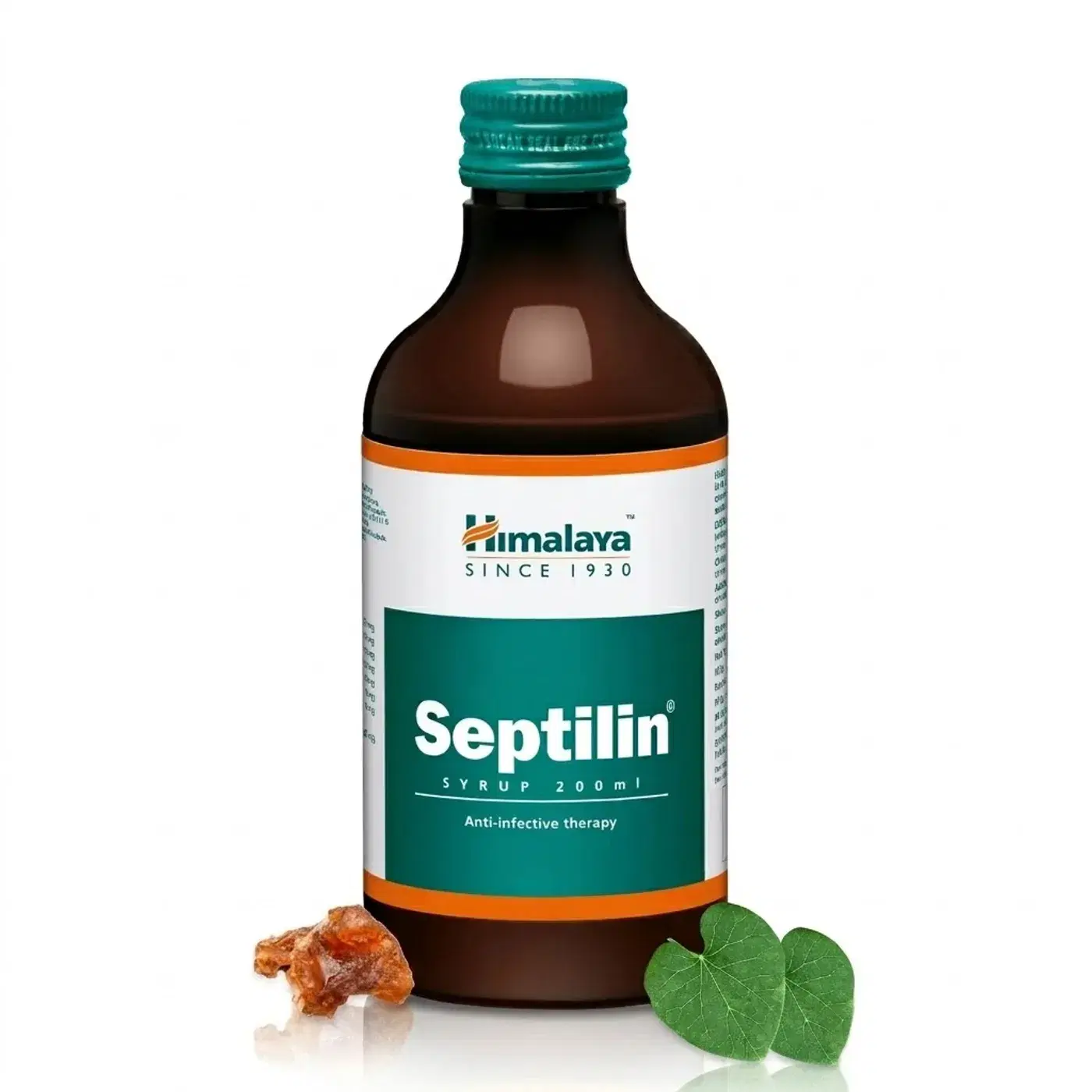
What is Himalaya Septilin Syrup?
Himalaya Septilin Syrup is a proprietary Ayurvedic immunity booster syrup manufactured by The Himalaya Drug Company. It is one of India's most recognised herbal formulations for supporting the body's natural defence system. The name Septilin is derived from the concept of combating sepsis and infection, reflecting its primary role in antimicrobial and immunomodulatory support.
Septilin combines classical Ayurvedic herbs that act on the Vyadhikshamatva (the body's innate immune resistance) principle described in Charaka Samhita (Sutrasthana 28). The formulation is designed to address vitiation of Kapha and Pitta doshas (the biological energies governing immunity and inflammation). It is available as both tablets and a liquid syrup for easy administration across age groups.
- Product type: Proprietary Ayurvedic syrup
- Dosha action: Pacifies Kapha and Pitta
- Common uses: Recurrent infections, respiratory tract infections, skin conditions, post-illness recovery
- Prescription status: Over-the-counter (OTC); consult a physician for children under two and during pregnancy
Key Ingredients of Himalaya Septilin Syrup
| Ingredient | Botanical Name | Part Used | Ayurvedic Role | What Research Suggests |
|---|---|---|---|---|
| Guduchi (Giloy) | Tinospora cordifolia | Stem | Rasayana (rejuvenative), Tridosha balancer, enhances Ojas (vital immunity) | May stimulate macrophage activity and cytokine production; evidence largely from in-vitro and animal studies [1] |
| Shallaki (Shallaki) | Boswellia serrata | Resin/gum | Anti-inflammatory, pacifies Vata and Kapha | Boswellic acids may inhibit 5-lipoxygenase, reducing inflammatory mediators; human trials available [2] |
| Licorice (Yashtimadhu) | Glycyrrhiza glabra | Root | Soothes mucous membranes, Kapha-pacifying, adaptogenic | Glycyrrhizin shows antiviral and anti-inflammatory properties in lab studies [3] |
| Indian Bdellium (Guggulu) | Commiphora wightii | Resin | Lekhana (scraping of toxins), anti-infective | Guggulsterones show anti-inflammatory activity in cell-based studies [4] |
| Maharasnadi (Rasna) | Pluchea lanceolata | Root | Analgesic, Vata-Kapha pacifier | PMC search for analgesic activity: PMC search |
| Amla (Amalaki) | Emblica officinalis | Fruit | Richest natural vitamin C source, Rasayana, antioxidant | Demonstrated immunomodulatory effects in human and animal studies [5] |
| Neem (Nimba) | Azadirachta indica | Leaf/bark | Antimicrobial, blood purifier, Pitta-pacifier | Extracts show broad-spectrum antimicrobial activity in vitro [6] |
How Does Himalaya Septilin Syrup Work?
Ayurvedic Perspective
In Ayurveda, recurrent infections occur when Ama (undigested metabolic toxins) accumulates in the Rasavaha and Raktavaha srotas (channels of plasma and blood). This weakens Agni (digestive and metabolic fire) and depletes Ojas, the essence of immunity. Septilin Syrup's herbs work synergistically to clear Ama, restore Agni, nourish the Rasa and Rakta dhatus (plasma and blood tissues), and rebuild Vyadhikshamatva.
Modern Scientific Perspective
Active compounds such as berberine from Tinospora cordifolia, boswellic acids from Boswellia serrata, and glycyrrhizin from Glycyrrhiza glabra are thought to modulate innate immune pathways, reduce pro-inflammatory cytokines, and exert antimicrobial effects [1][2][3]. Most available evidence comes from studies on individual ingredients rather than the complete Septilin formula. Readers should note that large-scale, randomised controlled human trials on the combined formulation are limited.
Uses and Benefits of Himalaya Septilin Syrup
1. Supports Immunity and Reduces Recurrent Infections
Himalaya Septilin Syrup is traditionally used to strengthen Vyadhikshamatva, the body's inherent resistance to infections. Tinospora cordifolia (Guduchi) has been shown to activate macrophages and natural killer cells in preclinical studies [1]. Regular use may help reduce the frequency of common colds, throat infections, and flu-like illnesses.
2. May Help Manage Upper Respiratory Tract Infections
Septilin Syrup benefits include support for upper respiratory tract conditions such as tonsillitis, pharyngitis, and sinusitis. The combination of Glycyrrhiza glabra and Tinospora cordifolia may soothe inflamed mucous membranes and reduce microbial load [1][3]. This makes it a popular Ayurvedic immunity booster syrup during seasonal changes.
3. Provides Anti-Inflammatory Support
Boswellia serrata resin contains boswellic acids that may inhibit 5-lipoxygenase, an enzyme involved in the inflammatory cascade [2]. This anti-inflammatory mechanism may ease discomfort associated with throat pain, joint swelling, and inflammatory skin conditions. Evidence for this action in humans is available from clinical studies on boswellic acids as an isolated compound [2].
4. Acts as a Natural Antimicrobial Agent
Several Septilin ingredients, including Azadirachta indica (Neem) and Commiphora wightii (Guggulu), demonstrate broad-spectrum antimicrobial activity against bacteria and fungi in laboratory studies [4][6]. This property traditionally supports the management of skin infections, acne, and recurrent urinary tract infections. Current antimicrobial evidence is in-vitro; human clinical data for the full formula is limited.
5. Supports Skin Health and Wound Healing
Ayurveda classifies persistent skin problems as disorders of the Rakta dhatu (blood tissue) often aggravated by Pitta and Ama. Septilin's blood-purifying herbs, particularly Neem and Amla, are traditionally used for acne, eczema, and slow-healing wounds. Emblica officinalis (Amla) has shown antioxidant and wound-healing properties in preclinical research [5].
6. May Aid Post-Illness Recovery
After acute infections, the body's Ojas and Dhatu strength may be depleted. Septilin's Rasayana (rejuvenating) herbs such as Guduchi and Amla are traditionally used to restore vitality, appetite, and energy. Amla's high vitamin C content and antioxidant flavonoids may support faster tissue repair [5].
7. May Support Oral and Dental Health
Ingredients such as Glycyrrhiza glabra and Azadirachta indica have been studied for their potential to inhibit oral pathogens like Streptococcus mutans in lab settings [3][6]. Septilin is traditionally used as an adjunct in the management of dental caries and gum infections. This use is based on the antimicrobial properties of individual ingredients; clinical evidence for the full Septilin formula in oral health is limited.
Dosage and Directions for Himalaya Septilin Syrup
| Parameter | Details |
|---|---|
| Adult dose | 2 teaspoons (10 mL) two to three times daily |
| Children (2–12 years) | 1 teaspoon (5 mL) two to three times daily |
| When to take | After meals, or as directed by a physician |
| Anupana (vehicle) | Warm water or warm milk |
| Duration | Typically 4–8 weeks; continue as advised by your physician |
| Elderly | Standard adult dose; monitor for gastrointestinal comfort |
| Pregnancy and lactation | Use only under medical supervision |
| Children under 2 years | Only under paediatric Ayurvedic physician's guidance |
Always follow the dosage instructions on the product label or as prescribed by your Ayurvedic or medical doctor.
Side Effects and Safety of Himalaya Septilin Syrup
Himalaya Septilin Syrup is generally well tolerated when taken at recommended doses. Reported side effects are mild and uncommon; they may include mild gastric discomfort, nausea, or loose stools in sensitive individuals. If any side effect persists, discontinue use and consult a healthcare professional.
Who should use Septilin with caution or only under supervision:
- Pregnancy: Glycyrrhiza glabra (Licorice) in high doses has been associated with concerns about blood pressure and premature labour in some reports; use only under medical supervision [3].
- Breastfeeding: Limited safety data exists; consult your doctor.
- Autoimmune conditions: Immunostimulant herbs may theoretically interact with immunosuppressive therapy; seek medical advice.
- Diabetes: The syrup contains sugar as an excipient; diabetic patients should use the tablet form after consulting their doctor.
- Hypertension: High intake of licorice-containing products may influence blood pressure; monitor regularly [3].
- Drug interactions: May potentially interact with immunosuppressants, corticosteroids, and anticoagulants; consult your doctor if you are on prescription medicines.
- Allergy: Discontinue immediately if you develop a rash, itching, or difficulty breathing.
Diet and Lifestyle Tips While Using Himalaya Septilin Syrup
- Eat a light, easily digestible diet: Favour warm, freshly cooked meals to support Agni and reduce Ama formation.
- Stay well hydrated: Drink 8–10 glasses of warm or room-temperature water daily to support lymphatic flushing and detoxification.
- Avoid immune-suppressing habits: Reduce consumption of excessive sugar, processed foods, alcohol, and tobacco, which can weaken Vyadhikshamatva.
- Practice daily Pranayama (breathwork): Techniques such as Anulom Vilom (alternate nostril breathing) may support respiratory health and stress reduction.
- Maintain regular sleep: Aim for 7–8 hours of sleep per night; adequate rest is essential for immune regeneration according to both Ayurvedic and modern medicine.
- Practise basic hygiene: Regular hand washing, nasal irrigation with saline (Jala Neti), and seasonal oil massage (Abhyanga) can complement the syrup's effects.
Frequently Asked Questions About Himalaya Septilin Syrup
What is Himalaya Septilin Syrup used for?
Himalaya Septilin Syrup is primarily used as an Ayurvedic immunity booster syrup. It is traditionally used for recurrent respiratory infections, skin infections, tonsillitis, and post-illness recovery. It may also support oral health and general resistance to infections.
How long does it take for Septilin Syrup to work?
Many users report improvement in infection frequency and energy levels within 4–6 weeks of regular use. Ayurvedic formulations typically require consistent use for at least one full course (4–8 weeks) to show their full benefit. Individual results may vary based on health status and lifestyle.
Can children take Himalaya Septilin Syrup?
Yes, Septilin Syrup is suitable for children aged two years and above at a reduced dose of 5 mL two to three times daily. For children under two years, use only under the guidance of a qualified paediatric physician. The syrup form is particularly convenient for young children.
Is Septilin Syrup safe during pregnancy?
Pregnant women should use Himalaya Septilin Syrup only under strict medical supervision due to the presence of Glycyrrhiza glabra (Licorice), which requires caution in pregnancy [3]. Self-medication during pregnancy is not advised. Always inform your doctor about all supplements you are taking.
Can I take Septilin Syrup along with antibiotics?
Septilin is sometimes used alongside antibiotic therapy as an adjunct to support immunity, but you must consult your doctor before combining the two. Some herbal compounds may interact with certain drugs, so professional guidance is essential. Never replace prescribed antibiotics with Septilin without medical advice.
Does Himalaya Septilin Syrup have sugar? Can diabetics take it?
Yes, the syrup formulation contains sugar as an excipient. Patients with diabetes are advised to opt for Himalaya Septilin Tablets instead and consult their doctor before use. Regular blood sugar monitoring is recommended if any Ayurvedic syrup is consumed by diabetic individuals.
What are the main Septilin Syrup ingredients?
The key Septilin ingredients include Tinospora cordifolia (Guduchi), Boswellia serrata (Shallaki), Glycyrrhiza glabra (Yashtimadhu), Commiphora wightii (Guggulu), Emblica officinalis (Amla), and Azadirachta indica (Neem). Each ingredient brings specific immunomodulatory, anti-inflammatory, or antimicrobial properties. Together they are designed to strengthen the body's natural defence system.
Where can I buy Himalaya Septilin Syrup online in India?
You can buy Himalaya Septilin Syrup online in India safely and conveniently on the Buy Now . Quikdu offers verified Ayurvedic products with fast doorstep delivery across India. Download the Quikdu app for exclusive offers and authentic products.
Are there any side effects of Septilin Syrup?
Himalaya Septilin Syrup side effects are generally mild and uncommon at recommended doses. Some individuals may experience mild gastric discomfort or loose stools. Patients with hypertension, diabetes, autoimmune disorders, or those on prescription medicines should consult a doctor before use.
Is Himalaya Septilin Syrup an antibiotic?
No, Septilin Syrup is not an antibiotic in the pharmaceutical sense. It is an Ayurvedic herbal formulation that may support the body's own immune defences and has antimicrobial properties in laboratory studies [6]. It should not be used as a substitute for prescribed antibiotics in serious bacterial infections.
References
- Sharma U, Bala M, Kumar N, Singh B, Munshi RK, Bhalerao S. Immunomodulatory active compounds from Tinospora cordifolia. J Ethnopharmacol. 2012;141(3):918–926. PMC3644762
- Siddiqui MZ. Boswellia serrata, a potential antiinflammatory agent: an overview. Indian J Pharm Sci. 2011;73(3):255–261. PMC3309643
- Pastorino G, Cornara L, Soares S, Rodrigues F, Oliveira MBPP. Liquorice (Glycyrrhiza glabra): A phytochemical and pharmacological review. Phytother Res. 2018;32(12):2323–2339. PMC7167772
- Sarup P, Bala S, Kamboj S. Pharmacology and phytochemistry of oleo-gum resin of Commiphora wightii (Guggulu). Scientifica (Cairo). 2015;2015:138039. PMC4637499
- Gopa B, Bhatt J, Hemavathi KG. A comparative clinical study of hypolipidemic efficacy of Amla (Emblica officinalis) with 3-hydroxy-3-methylglutaryl-coenzyme-A reductase inhibitor simvastatin. Indian J Pharmacol. 2012;44(2):238–242. PMC3326920
- Alzohairy MA. Therapeutics role of Azadirachta indica (Neem) and their active constituents in diseases prevention and treatment. Evid Based Complement Alternat Med. 2016;2016:7382506. PMC4791507
- Classical source: Charaka Samhita, Sutrasthana, Chapter 28 – Vividhashitapitiya Adhyaya (on Vyadhikshamatva). Edited by Vaidya Jadavaji Trikamji Acharya. Chaukhamba Sanskrit Pratishthan, Varanasi.
- Ayurvedic Formulary of India, Part I, 2nd edition. Ministry of Health and Family Welfare, Government of India. New Delhi.
Medical Disclaimer
This blog is for educational and informational purposes only. It is not intended to be a substitute for professional medical advice, diagnosis, or treatment. Always seek the advice of a qualified Ayurvedic physician, doctor, or other licensed health professional before starting any new supplement or herbal remedy. Do not disregard professional medical advice or delay seeking it because of something you have read in this article. The claims about individual ingredients are based on available research and do not imply that the complete Himalaya Septilin Syrup formula will produce the same results. Individual responses to herbal products may vary.
Download the Quikdu App today and get verified Ayurvedic products delivered safely to your doorstep.