

Himalaya Nourishing Skin Cream: Ayurvedic Benefits, Ingredients & How to Use It Today
What is Himalaya Nourishing Skin Cream? An Ayurvedic Overview
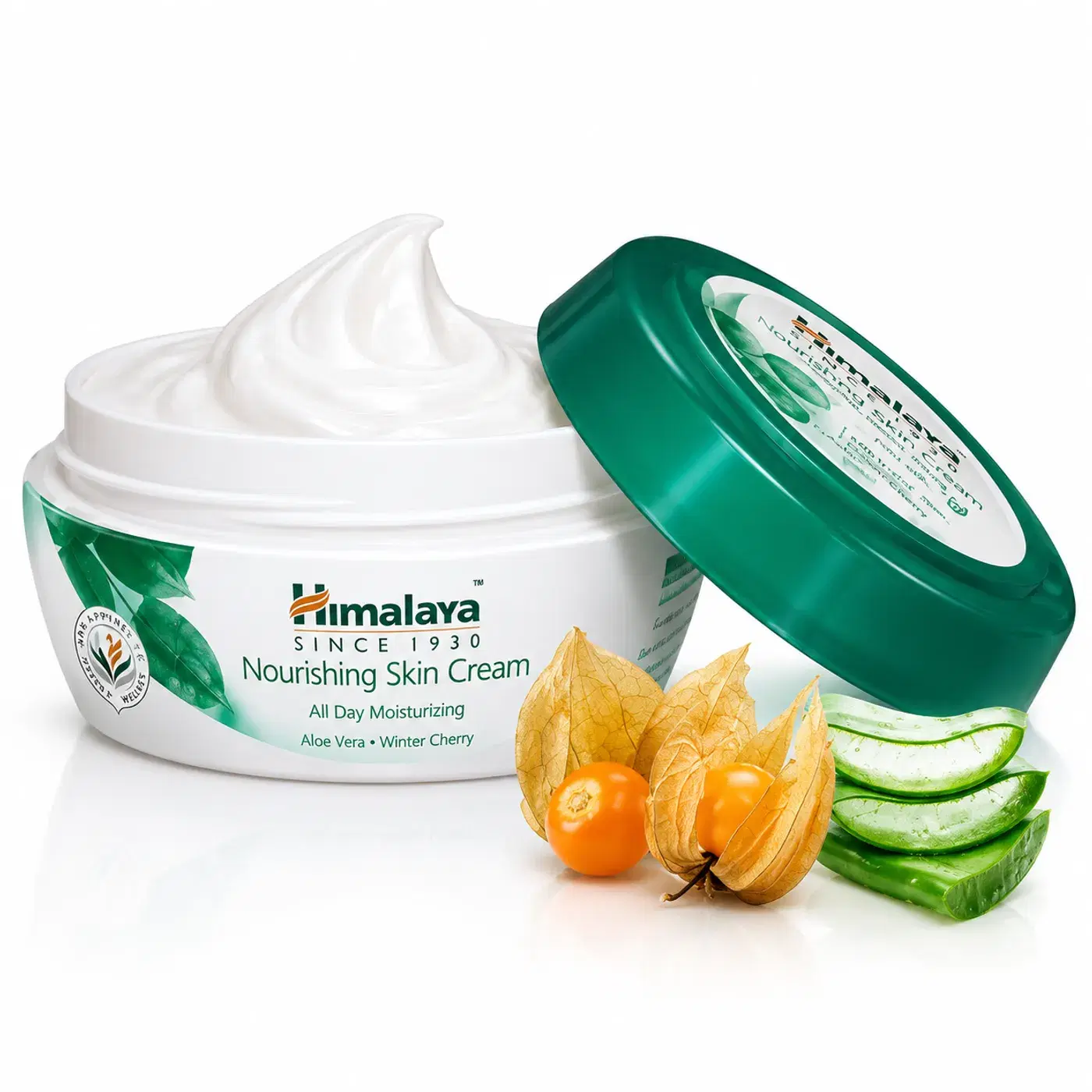
Himalaya Nourishing Skin Cream is a classical Ayurveda-inspired topical moisturiser formulated by The Himalaya Drug Company, one of India's most trusted herbal wellness brands. It combines time-honoured botanical ingredients with a modern cream base to deliver deep hydration and skin nourishment. The product is available over the counter and does not require a prescription.
The word tvak (skin) in Ayurveda is considered the primary sense organ of sparsha (touch) and is governed mainly by Vata dosha. Dryness, roughness and flaking — classic signs of Vata imbalance — are addressed through emollient, unctuous (snigdha) herbs that restore moisture and suppleness to the skin. This cream is designed around that principle.
- Product type: Herbal topical cream (external use only)
- Dosha action: Primarily Vata-pacifying; mildly Pitta-soothing
- Common uses: Dry skin relief, everyday moisturisation, skin softening, mild irritation soothing
- Prescription status: Over the counter (OTC); no prescription needed
- Available size: 200 ml tube
Key Ingredients of Himalaya Nourishing Skin Cream
The cream derives its nourishing action from a synergistic blend of Ayurvedic botanicals. Each ingredient plays a specific role according to classical texts and is supported by emerging scientific research. The table below summarises the primary actives.
| Ingredient | Botanical Name | Part Used | Ayurvedic Role | What Research Suggests [Ref] |
|---|---|---|---|---|
| Winter Cherry (Ashwagandha) | Withania somnifera | Root extract | Balances Vata, promotes ojas (vital essence), reduces skin inflammation | Root extracts show antioxidant and anti-inflammatory activity in lab models; may protect skin cells from oxidative stress [1] |
| Aloe Vera (Ghritkumari) | Aloe barbadensis Mill. | Leaf gel | Cooling (sheeta), wound-healing, moisturising; pacifies Pitta and Vata | Clinical studies confirm significant improvement in skin hydration and elasticity with topical aloe vera [2] |
| Country Mallow (Bala) | Sida cordifolia | Root | Strengthens mamsa dhatu (muscle/skin tissue), acts as a brimhana (nourishing) herb | Phytochemical studies identify mucilage compounds that support emollient properties [PMC search — pmc.ncbi.nlm.nih.gov/search/?term=Sida+cordifolia+skin] |
| Silk Cotton Tree (Shalmali) | Bombax ceiba | Gum / bark extract | Astringent (kashaya), supports skin tone and texture | Preliminary lab studies suggest anti-inflammatory and wound-healing properties [PMC search — pmc.ncbi.nlm.nih.gov/search/?term=Bombax+ceiba+skin+wound] |
| Mineral Wax / Petroleum jelly base | N/A | N/A | Carrier (anupana dravya); seals moisture into the skin layers | Occlusive emollients are well-established in dermatology for reducing transepidermal water loss [3] |
How Does Himalaya Nourishing Skin Cream Work?
Ayurvedic Perspective
Vata dosha — composed of air and ether — governs movement, dryness and degeneration in the body. When aggravated, it depletes moisture from rasa dhatu (plasma tissue) and mamsa dhatu (skin and muscle tissue), leading to rough, flaky and dull skin. The cream's snigdha (unctuous) and guru (heavy) herbs counteract Vata, nourish the deeper skin layers and improve ojas, the subtle essence of immunity and vitality. By clearing blocked rasavaha srotas (channels carrying nutritive plasma) at the skin surface, the formulation supports healthy skin cell renewal and a natural glow.
Modern Pharmacological Perspective
The active phytochemicals in this cream work through complementary mechanisms. Withanolides from Withania somnifera are known to scavenge free radicals and modulate inflammatory cytokines, which may slow oxidative skin ageing [1]. Polysaccharides and acemannan in aloe vera gel form a thin film on the skin surface, reducing transepidermal water loss while also stimulating fibroblast activity that supports collagen synthesis [2]. The occlusive base ingredients physically lock in moisture, making the combined effect — botanical bioactives plus occlusion — greater than either component alone. It is important to note that most mechanistic research covers single isolated ingredients rather than this specific finished formula.
Uses and Benefits of Himalaya Nourishing Skin Cream
1. Deep Moisturisation for Dry Skin
This is the cream's primary and most well-documented use. The combination of aloe vera gel and an occlusive base significantly reduces transepidermal water loss, keeping skin hydrated for longer periods. Clinical evidence confirms that topical aloe vera improves skin moisture content within four weeks of regular use [2].
2. Soothing Mild Skin Irritation
The sheeta virya (cooling potency) of aloe vera and the anti-inflammatory withanolides in Ashwagandha may help calm redness and mild irritation. This makes the cream traditionally used for skin sensitivity caused by dry weather, wind exposure or contact with harsh surfaces. Evidence from lab studies supports the anti-inflammatory action of Withania somnifera extracts on skin cells [1].
3. Improving Skin Softness and Texture
Bala (Sida cordifolia) is classified in Ayurveda as a brimhana herb — one that builds and nourishes bodily tissues. Regular application of emollient-rich creams is associated with measurable improvements in skin softness and smoothness in clinical dermatology studies [3]. The mucilaginous compounds in Bala contribute to this softening effect.
4. Supporting Skin Barrier Function
A healthy skin barrier prevents moisture loss and protects against environmental aggressors. Occlusive agents in the cream's base are scientifically proven to restore barrier function in compromised skin [3]. Over time, consistent use may help people with habitually dry or sensitive skin maintain a stronger protective barrier.
5. Antioxidant Protection Against Environmental Stress
Urban skin is constantly exposed to pollution, UV radiation and free radicals that accelerate visible ageing. Withanolides and flavonoids from Withania somnifera have demonstrated significant free-radical scavenging activity in laboratory models [1]. While these are in vitro findings and clinical proof for the finished cream is not yet established, the phytochemical basis for antioxidant protection is credible.
6. Everyday Nourishment for Normal to Dry Skin Types
Himalaya Nourishing Skin Cream is suitable as a daily moisturiser for normal, dry and combination skin types, particularly in dry or cold climates common across North and Central India. Its non-greasy formulation (despite containing an occlusive base) allows comfortable daytime use under clothing. Traditional Ayurvedic texts recommend regular application of medicated oils and creams (abhyanga) as a core daily self-care (dinacharya) practice for maintaining healthy skin.
7. Mild Support for Cracked Heels and Elbows
Thick, hyperkeratotic areas like heels and elbows are classic sites of Vata-aggravated skin. The snigdha herbs in this cream are traditionally used for softening these areas with consistent overnight application. While no clinical trial on this specific product for cracked heels was found, the emollient mechanism is well established in dermatological practice [3].
Dosage and Directions for Himalaya Nourishing Skin Cream
| Parameter | Guidance |
|---|---|
| Adult dose | Apply a small, pea-sized amount (or as needed for the area) to clean, dry skin |
| Frequency | Twice daily — once in the morning and once at night, or as directed by a dermatologist or Ayurvedic physician |
| When to apply | Best applied immediately after washing the face or bathing, while skin is still slightly damp, to seal in moisture |
| Anupana (vehicle / adjunct) | No internal vehicle required; topical use only. Can be layered under sunscreen in the morning. |
| Duration | Can be used long-term as a daily moisturiser; noticeable results typically within 2–4 weeks of regular use |
| Children (under 12) | Use only under medical supervision; patch-test first on a small area |
| Elderly | Generally suitable; elderly individuals with very dry skin may apply more liberally |
| Pregnancy / Breastfeeding | Consult a physician before use; avoid application near the nipple area if breastfeeding |
Always follow the directions on the product label or consult your Ayurvedic physician or dermatologist for personalised guidance.
Side Effects and Safety of Himalaya Nourishing Skin Cream
Himalaya Nourishing Skin Cream is generally considered safe for most adults when used as directed. As with any topical product, individual reactions can occur. Possible side effects include mild skin redness, itching or a rash, particularly in people with known allergies to any of the botanical ingredients.
Who should exercise caution or avoid unsupervised use:
- Allergy-prone individuals: Those allergic to plants in the Liliaceae family (aloe vera) or Solanaceae family (Ashwagandha) should perform a patch test 24 hours before full application.
- Pregnancy: Withania somnifera is noted in some reviews to have uterine-stimulating activity at high doses; topical amounts are very small, but pregnant women should consult a doctor first [PMC search — pmc.ncbi.nlm.nih.gov/search/?term=Withania+somnifera+pregnancy+safety].
- Open wounds or broken skin: Do not apply to cuts, abrasions or severely inflamed skin without medical advice.
- Children under 2 years: Not recommended without a paediatrician's advice.
- Drug interactions: Topical creams generally carry minimal systemic drug interaction risk; however, do not combine with prescription topical steroids or retinoids without medical guidance.
Precaution: Keep away from eyes and mucous membranes. If accidental eye contact occurs, rinse thoroughly with clean water. Discontinue use and consult a doctor if irritation persists beyond 48 hours.
Diet and Lifestyle Tips to Support Skin Health
- Stay hydrated: Drink 8–10 glasses of water daily. Internal hydration is as important as topical moisturisation for preventing dry, dull skin.
- Eat Vata-pacifying foods: Include warm, cooked, slightly oily foods such as ghee, sesame seeds, avocado, sweet potatoes and warm milk. Avoid cold, raw and processed foods that aggravate Vata.
- Practice daily abhyanga (self-massage): Massage warm sesame or almond oil into the skin before bathing. Ayurvedic texts describe this as the single most effective practice for maintaining smooth, youthful skin.
- Protect skin from extreme weather: Cover exposed skin during cold, windy or very sunny conditions. UV exposure and dry wind are major drivers of Vata-aggravated skin damage.
- Sleep adequately: Skin repair predominantly occurs during deep sleep. Aim for 7–8 hours of restful sleep each night to support natural skin renewal.
- Manage stress: Chronic stress elevates cortisol, which disrupts skin barrier function. Practices like yoga, pranayama and meditation help maintain ojas and overall skin vitality.
Frequently Asked Questions About Himalaya Nourishing Skin Cream
Is Himalaya Nourishing Skin Cream good for oily skin?
The cream is primarily formulated for dry and normal skin types. People with oily or acne-prone skin may find it too rich for daily use. If you have oily skin, apply a very small amount only to dry patches, or consult a dermatologist for an alternative.
Can I use Himalaya Nourishing Skin Cream on my face every day?
Yes, it is designed for daily face and body use. Apply a small amount after cleansing for best results. Follow with sunscreen during the day if stepping outdoors.
How long does it take to see results with Himalaya Nourishing Skin Cream?
Most users notice improved softness and hydration within one to two weeks of regular use. For significant improvement in skin texture and dryness, consistent twice-daily use for four weeks is generally recommended, as supported by aloe vera hydration studies [2].
Is Himalaya Nourishing Skin Cream safe during pregnancy?
The cream contains Withania somnifera extract. While topical absorption is minimal, pregnant women are advised to consult their doctor before starting any new skincare product as a precaution.
Does Himalaya Nourishing Skin Cream contain steroids or parabens?
Himalaya products are formulated to be free from harmful synthetic additives. The brand states the product does not contain steroids. Check the current product label for the complete ingredient list and any preservatives used, as formulations may be updated.
Can Himalaya Nourishing Skin Cream be used on children?
The cream is not specifically tested or labelled for children under 12. Use under medical supervision for younger children and always patch-test on a small skin area first to check for sensitivity.
What is the Ayurvedic dosha benefit of Himalaya Nourishing Skin Cream?
The cream is primarily Vata-pacifying due to its snigdha (unctuous) and guru (nourishing) ingredient properties. Aloe vera's cooling nature also makes it mildly Pitta-soothing, which can benefit skin with mild redness or sensitivity.
Can I apply Himalaya Nourishing Skin Cream on cracked heels?
Yes, the cream is traditionally used for very dry, rough areas including elbows and heels. Apply generously at night and cover with cotton socks for better absorption. Consistent use over two to four weeks typically produces visible softening.
Is this cream the same as Himalaya's other face creams?
No. Himalaya makes several face creams with different formulations for different skin concerns, such as fairness, anti-ageing or oil control. The Nourishing Skin Cream (200 ml) is specifically designed for deep moisturisation and is suitable for the whole body, not just the face.
Where can I buy the genuine Himalaya Nourishing Skin Cream 200 ml?
You can purchase the authentic 200 ml Himalaya Nourishing Skin Cream directly through the Quikdu app, which lists verified Ayurvedic and herbal products. Always buy from authorised sellers to ensure product authenticity and correct storage conditions.
References
- Dey A, Chatterjee SS, Kumar V. Effects of Withania somnifera root extract on oxidative stress markers and antioxidant enzyme activities in normal and stressed animals. J Ethnopharmacol. 2016;180:244–254. PMC: pmc.ncbi.nlm.nih.gov/articles/PMC4896684/
- Surjushe A, Vasani R, Saple DG. Aloe vera: a short review. Indian J Dermatol. 2008;53(4):163–166. PMC: pmc.ncbi.nlm.nih.gov/articles/PMC2763764/
- Loden M. Role of topical emollients and moisturizers in the treatment of dry skin barrier disorders. Am J Clin Dermatol. 2003;4(11):771–788. PMC search: pmc.ncbi.nlm.nih.gov/search/?term=emollient+skin+barrier+moisture
Classical Ayurvedic Sources:
- Charaka Samhita, Sutrasthana, Chapter 5 (on snigdha properties and Vata management).
- Ashtanga Hridayam, Sutrasthana, Chapter 2 (on dinacharya and abhyanga).
- The Ayurvedic Pharmacopoeia of India, Part I, Vol. IV (for Withania somnifera and Sida cordifolia monographs), Government of India, Ministry of AYUSH.
Medical Disclaimer
This blog is intended for general informational and educational purposes only. It does not constitute medical advice, diagnosis or treatment. The information provided about Himalaya Nourishing Skin Cream is not a substitute for consultation with a qualified Ayurvedic physician, dermatologist or other healthcare professional. Always read the product label carefully before use. If you experience any adverse reaction, discontinue use immediately and seek medical advice. Individual results may vary.
Download the Quikdu App today and get verified Ayurvedic products delivered safely to your doorstep.