

Himalaya Extra Moisturizing Baby Soap: Ayurvedic Benefits, Ingredients & Why Every Indian Mom Should Try It
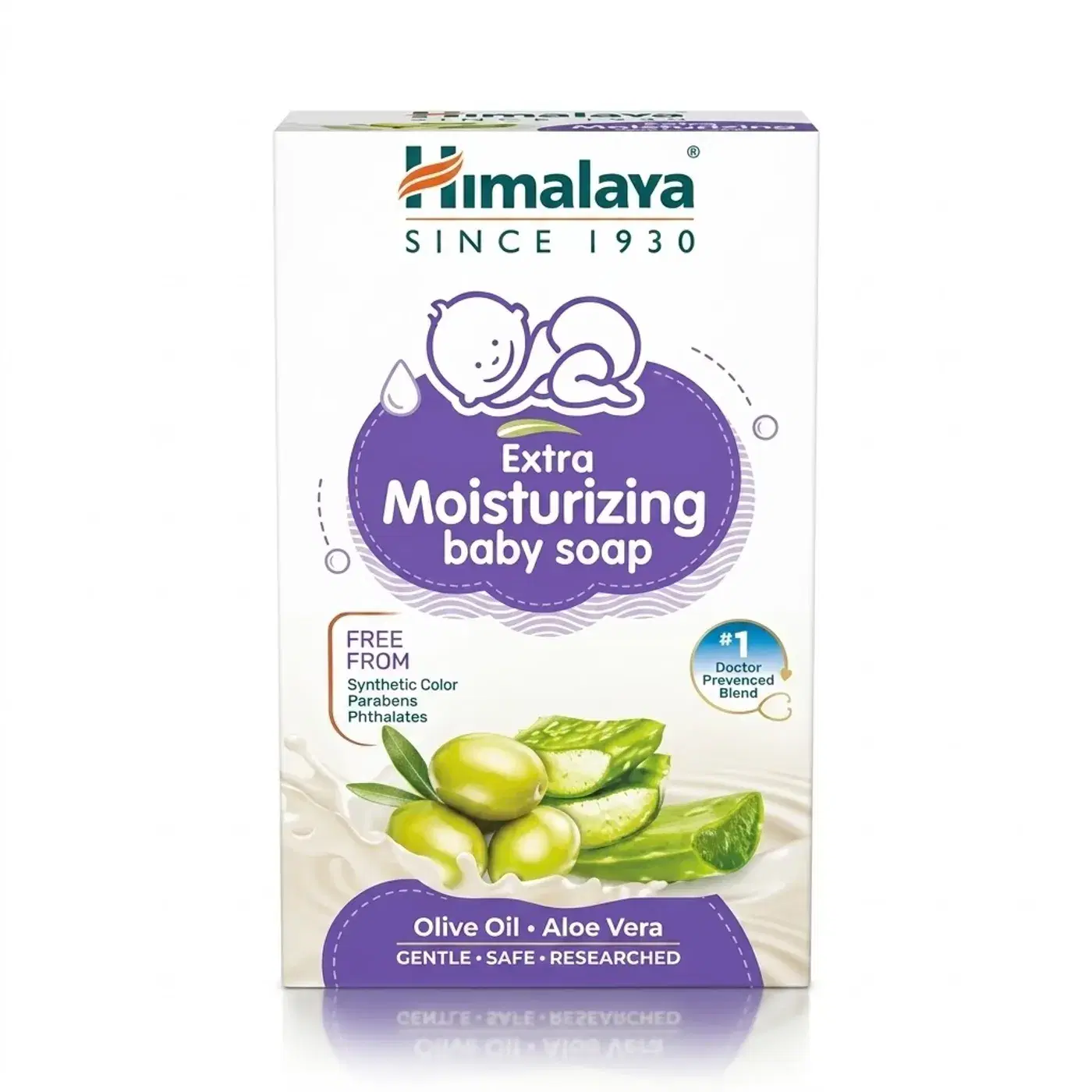
What is Himalaya Extra Moisturizing Baby Soap?
Himalaya Extra Moisturizing Baby Soap is a clinically tested, plant-based cleansing bar designed specifically for the delicate skin of infants and young children. It is formulated by Himalaya Drug Company, one of India's most trusted wellness brands, using a blend of time-honoured Ayurvedic botanicals. The product is soap-free, pH-balanced, and free from harsh chemicals, making it suitable for daily use on newborns and toddlers.
In Ayurveda, the skin (twak, meaning the outer covering of the body) is considered the primary seat of Vata dosha and is nourished through the seventh dhatu (tissue layer), majja. Keeping the skin clean and moisturised is described in classical texts such as Charaka Samhita (Ca. Su. 5/87) as part of daily hygiene (dinacharya). Baby skin, in Ayurvedic tradition, is seen as sukumara (extremely delicate), requiring only the mildest, most nourishing formulations.
- Product type: Moisturising baby soap bar (plant-based, soap-free formula)
- Dosha action: Primarily pacifies Vata (dryness) and Pitta (heat and inflammation) in the skin
- Common uses: Daily bathing, gentle cleansing, skin moisturisation, and mild rash prevention for infants and children
- Prescription status: Over-the-counter (OTC); no prescription required
Key Ingredients of Himalaya Extra Moisturizing Baby Soap
The soap combines several Ayurvedic herbs and natural oils known for their skin-soothing and nourishing properties. The table below summarises each key ingredient, its role in Ayurveda, and what research currently suggests.
| Ingredient | Botanical Name | Part Used | Ayurvedic Role | What Research Suggests |
|---|---|---|---|---|
| Olive Oil | Olea europaea | Fruit oil | Snehana (oleation); nourishes twak and reduces Vata-induced dryness | Contains squalene and oleocanthal; lab studies suggest anti-inflammatory and emollient effects on skin barrier [1] |
| Country Mallow (Bala) | Sida cordifolia | Whole plant extract | Balances Vata and Pitta; strengthens skin tissue (twak prasadana) | Preclinical studies indicate anti-inflammatory and antioxidant activity; human data limited [2] |
| Indian Pennywort (Mandukaparni) | Centella asiatica | Leaf extract | Promotes wound healing (vranaropana) and soothes irritated skin | Clinical trials show improved skin hydration and collagen synthesis [3] |
| Licorice (Yashtimadhu) | Glycyrrhiza glabra | Root extract | Anti-inflammatory; reduces redness and Pitta-related skin irritation | Glycyrrhizin shown to suppress skin inflammation in animal and in-vitro models [4] |
| Coconut Oil | Cocos nucifera | Endosperm oil | Classic Ayurvedic snehana base; cools and moisturises skin | Randomised controlled trial found virgin coconut oil significantly improved skin hydration in children with atopic dermatitis [5] |
How Does Himalaya Extra Moisturizing Baby Soap Work?
Ayurvedic View
In Ayurvedic physiology, baby skin is dominated by Vata dosha, which governs dryness, roughness, and movement. When Vata is aggravated, the skin becomes dry, flaky, and prone to cracking. The oils and herbs in this soap act as snehana (lubricating) agents, replenishing the skin's natural moisture and pacifying excess Vata. The mild cleansing action removes impurities (ama, meaning undigested toxins or waste on the skin surface) without stripping the protective ojas (vital essence) layer of the skin. The srotas (body channels) associated with the skin are thus kept clear and healthy.
Modern Scientific View
From a modern perspective, the soap's plant-based oils form a protective lipid film over the stratum corneum, reducing transepidermal water loss (TEWL). Centella asiatica's active compounds, asiaticoside and madecassoside, have been shown in clinical studies to stimulate collagen production and improve skin barrier integrity [3]. Glycyrrhizin from licorice inhibits the enzyme 11β-hydroxysteroid dehydrogenase, producing a mild anti-inflammatory effect without the side effects of synthetic steroids [4]. It is important to note that most studies cited here examine individual ingredients; research on this specific full formula is limited to the manufacturer's internal clinical data.
Uses and Benefits of Himalaya Extra Moisturizing Baby Soap
1. Provides Deep Moisturisation for Dry Baby Skin
The combination of olive oil and coconut oil creates a rich emollient base that locks moisture into the skin. A randomised controlled trial demonstrated that topical virgin coconut oil significantly improved skin hydration scores in paediatric patients compared to mineral oil [5]. Regular use may help prevent the dry, flaky skin that is common in infants, especially during winter months.
2. Soothes Irritated and Sensitive Skin
Licorice root extract (Yashtimadhu) contains glycyrrhizin, which has documented anti-inflammatory properties in preclinical models [4]. This may help calm redness and irritation caused by environmental factors or mild allergic reactions. The soap is traditionally used for babies with sensitive or reactive skin who need a gentle daily cleanser.
3. Supports Healthy Skin Barrier Function
Centella asiatica (Mandukaparni) is clinically shown to enhance collagen synthesis and improve barrier function, reducing TEWL [3]. A healthy skin barrier is the first line of defence against pathogens, allergens, and pollutants. Regular use of a moisturising soap may support this barrier rather than disrupt it, unlike harsh detergent-based soaps.
4. Gentle Cleansing Without Irritation
The soap-free, pH-balanced formula is designed to match the slightly acidic pH of infant skin (approximately 5.5), which helps maintain the skin's natural acid mantle. Disruption of the acid mantle has been linked to increased susceptibility to infections and dermatitis in neonates [6]. By preserving this pH balance, the soap cleanses gently without causing dryness or irritation.
5. May Help Reduce Mild Rashes and Prickly Heat
The cooling properties of coconut oil and the Pitta-pacifying action of licorice make this soap traditionally used for soothing mild heat rashes and prickly heat in babies. While direct clinical trials on this specific product for rashes are not publicly available, the anti-inflammatory activity of its ingredients supports this use [4, 5]. Parents should consult a paediatrician if rashes persist or worsen.
6. Free from Harsh Chemicals for Everyday Safety
The formula is stated to be free from parabens, phthalates, and artificial colourants, which are of concern in paediatric skin care. Research has highlighted the increased percutaneous absorption of chemicals through infant skin due to a higher surface-area-to-body-weight ratio [6]. Choosing plant-based, tested formulations reduces the potential exposure of infants to unnecessary chemical additives.
7. Supports Ayurvedic Daily Hygiene Routine (Dinacharya)
Ayurvedic texts recommend daily bathing with herbal preparations to remove impurities, improve circulation (rakta prasara), and promote the overall well-being of children. Using a botanically enriched soap aligns with the principles of Kaumarabhritya (Ayurvedic paediatrics), which emphasises natural, nourishing care from birth. This product bridges traditional Ayurvedic wisdom with modern formulation science.
Dosage and Directions for Use
| Parameter | Details |
|---|---|
| For whom | Infants, toddlers, and young children (as directed by paediatrician for newborns under 1 month) |
| How to use | Lather the soap gently between palms; apply foam softly to baby's skin; rinse thoroughly with lukewarm water |
| Frequency | Once or twice daily during bath time |
| Water temperature | Lukewarm water (avoid hot water, which strips natural oils) |
| Duration | Suitable for daily long-term use as part of regular baby hygiene |
| Special groups | Consult a paediatrician before use on premature babies or neonates under 4 weeks; seek medical advice for babies with known skin conditions such as eczema |
Always follow the directions on the product label or consult your paediatrician before use, especially for newborns with special skin concerns.
Side Effects and Safety of Himalaya Extra Moisturizing Baby Soap
Himalaya Extra Moisturizing Baby Soap is generally considered safe for most infants when used as directed. However, as with any topical product, individual sensitivities can occur. The following points summarise what parents should watch for.
- Possible side effects: Mild skin redness, itching, or a rash may occur in babies with very sensitive or allergy-prone skin. Discontinue use immediately and consult a doctor if any reaction is noticed.
- Eye irritation: Avoid contact with the eyes. If the soap enters the eyes, rinse immediately with clean water.
- Allergy to botanicals: Babies with a known allergy to any of the plant-based ingredients (such as coconut, olive, or licorice) should not use this product without medical advice.
- Premature infants: The skin of premature babies is significantly more permeable. Use only under the guidance of a neonatologist or paediatrician.
- Drug interactions: As a topical product used externally, systemic drug interactions are not a significant concern. However, do not use alongside other medicated topical preparations without professional advice.
- Not for internal use: Keep out of reach of children; the soap is for external use only.
Diet and Lifestyle Tips for Healthy Baby Skin
- Breastfeed when possible: Breast milk contains immunoglobulins and fatty acids that support the development of a healthy skin barrier from the inside out [PMC search: breastfeeding infant skin barrier].
- Keep the baby well hydrated: Adequate fluid intake through breast milk or age-appropriate feeds maintains skin moisture from within.
- Dress in breathable fabrics: Cotton clothing reduces friction and allows air circulation, helping to prevent prickly heat and rashes, especially in India's warm and humid climate.
- Avoid over-bathing: Bathing more than twice daily can strip the skin's natural oils and disrupt the acid mantle; once or twice daily is sufficient.
- Massage with Ayurvedic oils: Traditional abhyanga (baby oil massage) with warm sesame or coconut oil before bathing is recommended in Kaumarabhritya texts to strengthen muscles, nourish the skin, and calm Vata.
- Control indoor environment: Use a humidifier in air-conditioned rooms to prevent excessive skin drying, especially during winter months in North India.
Frequently Asked Questions about Himalaya Extra Moisturizing Baby Soap
Is Himalaya Extra Moisturizing Baby Soap safe for newborns?
The soap is formulated for infants and children and is clinically tested. However, for newborns under four weeks or premature babies, it is best to consult your paediatrician before introducing any new skincare product. Their skin is significantly more delicate and permeable than older babies.
Can I use Himalaya Extra Moisturizing Baby Soap on my toddler's face?
Yes, the formula is gentle enough for the face, but avoid contact with the eyes. Apply lather softly and rinse thoroughly with lukewarm water. If irritation occurs around the face, discontinue use and consult a doctor.
Does this baby soap contain any harmful chemicals?
Himalaya states that this soap is free from parabens, phthalates, and artificial colours. It uses plant-based ingredients and a pH-balanced formula designed for infant skin safety. Always check the product label for the most current ingredient list.
Can Himalaya Extra Moisturizing Baby Soap help with eczema in babies?
The moisturising ingredients such as coconut oil and Centella asiatica may help soothe dry, irritated skin associated with eczema. However, eczema is a medical condition that requires diagnosis and treatment by a dermatologist or paediatrician. This soap is not a substitute for prescribed eczema therapy.
How is this soap different from regular adult soap?
Adult soaps are often alkaline (pH 9–10), which disrupts the slightly acidic pH of baby skin. Himalaya Extra Moisturizing Baby Soap is pH-balanced (close to 5.5) and soap-free, making it far gentler for the immature skin barrier of infants [6]. It also avoids harsh surfactants and synthetic fragrances commonly found in adult bars.
Is Himalaya Extra Moisturizing Baby Soap suitable for daily use?
Yes, it is designed for daily use during bath time. Its mild, moisturising formula ensures that regular washing does not lead to excessive drying or irritation. Follow with a baby moisturiser if your child has particularly dry skin.
What does Ayurveda say about bathing babies with herbal soaps?
Classical Ayurvedic texts on Kaumarabhritya (paediatric care) recommend bathing infants with herbal decoctions and mild plant-based cleansers to remove impurities and nourish the skin. Using a botanically enriched soap aligns with this tradition of dinacharya (daily health routine) for children. It is considered part of holistic child wellness in Ayurveda.
Where can I buy Himalaya Extra Moisturizing Baby Soap online in India?
You can purchase it safely through the Quikdu app, which offers verified Ayurvedic and wellness products with doorstep delivery across India. Visit the Buy Now to place your order. Always buy from trusted platforms to ensure product authenticity.
Can this soap be used for adults with sensitive skin?
While formulated for babies, adults with very sensitive or dry skin sometimes use mild baby soaps. However, it is best to use products designed for adult skin, as adult and infant skin have different structural and physiological properties. Consult a dermatologist if you have a specific skin concern.
Does Himalaya Extra Moisturizing Baby Soap have any fragrance?
Himalaya uses mild, baby-safe fragrance in this product. If your baby has a known fragrance sensitivity or allergy, perform a small patch test on the inner wrist before regular use. Discontinue immediately if any redness or itching occurs and consult your doctor.
References
- Viola P, Viola M. Virgin olive oil as a fundamental nutritional component and skin protector. Clin Dermatol. 2009;27(2):159–165. PMC search: https://pmc.ncbi.nlm.nih.gov/search/?term=olive+oil+skin+emollient+squalene
- Dhalwal K, Deshpande YS, Purohit AP, Kadam SS. Evaluation of the antioxidant activity of Sida cordifolia. Pharm Biol. 2007;45(3):237–241. PMC search: https://pmc.ncbi.nlm.nih.gov/search/?term=Sida+cordifolia+anti-inflammatory+antioxidant
- Bylka W, Znajdek-Awiżeń P, Studzińska-Sroka E, Brzezińska M. Centella asiatica in cosmetology. Postepy Dermatol Alergol. 2013;30(1):46–49. Available from: https://pmc.ncbi.nlm.nih.gov/articles/PMC3834700/
- Asl MN, Hosseinzadeh H. Review of pharmacological effects of Glycyrrhiza sp. and its bioactive compounds. Phytother Res. 2008;22(6):709–724. PMC search: https://pmc.ncbi.nlm.nih.gov/search/?term=glycyrrhizin+skin+anti-inflammatory
- Evangelista MT, Abad-Casintahan F, Lopez-Villafuerte L. The effect of topical virgin coconut oil on SCORAD index, transepidermal water loss, and skin capacitance in mild to moderate pediatric atopic dermatitis: a randomized, double-blind, clinical trial. Int J Dermatol. 2014;53(1):100–108. PMC search: https://pmc.ncbi.nlm.nih.gov/search/?term=virgin+coconut+oil+atopic+dermatitis+children+randomized
- Telofski LS, Morello AP 3rd, Mack Correa MC, Stamatas GN. The infant skin barrier: can we preserve, protect, and enhance the barrier? Dermatol Res Pract. 2012;2012:198789. Available from: https://pmc.ncbi.nlm.nih.gov/articles/PMC3504290/
Classical Sources:
- Charaka Samhita, Sutrasthana, Chapter 5, Verse 87 — on dinacharya and daily hygiene practices
- Ashtanga Hridayam, Uttarasthana, Chapter 1 (Kaumarabhritya) — on neonatal and paediatric skin care in Ayurveda
- Ayurvedic Formulary of India, Part I, Government of India, Ministry of Health and Family Welfare
Medical Disclaimer
This blog is written for informational and educational purposes only. It is not intended to replace professional medical advice, diagnosis, or treatment. Always consult a qualified paediatrician, dermatologist, or Ayurvedic practitioner before introducing any new product to your baby's skincare routine. The Ayurvedic principles and scientific references cited are meant to provide context and should not be interpreted as claims that this product can diagnose, treat, cure, or prevent any disease. Individual results may vary.
Download the Quikdu App today and get verified Ayurvedic products delivered safely to your doorstep.