

Himalaya Bright Serum: Ayurvedic Benefits, Ingredients & How to Use It – Shop Now on Quikdu
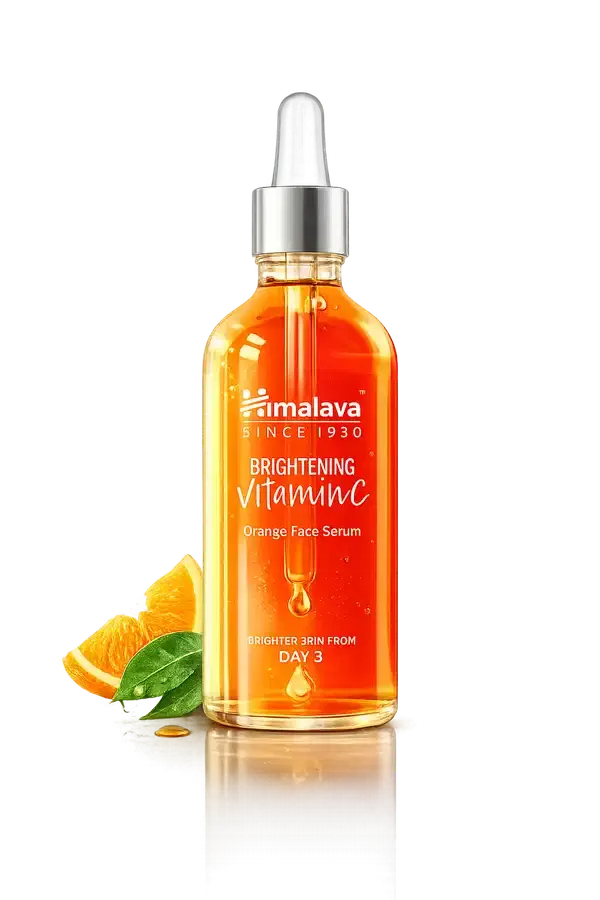
What is Himalaya Bright Serum? An Ayurvedic Overview
Himalaya Bright Serum is a modern Ayurvedic skin care formulation from the trusted Himalaya Wellness brand. It combines time-tested botanicals with contemporary cosmetic science to support a brighter, more even complexion. The word Dīpti (meaning radiance or luminosity in Sanskrit) captures the core promise of this product perfectly.
Skin brightening in Ayurveda is rooted in the concept of Varṇya (complexion-enhancing) herbs described in classical texts such as the Charaka Samhita (Sutra Sthana 4.9), where a dedicated group of ten herbs known as the Varṇya Mahakashaya is listed for improving skin tone and lustre. Himalaya Bright Serum draws on this heritage by using plant extracts that have historically been classified under the Varṇya category.
- Product type: Topical face serum (leave-on, aqueous gel base)
- Dosha action: Primarily balances Pitta dosha (the bio-energy governing heat and transformation); also helps pacify excess Kapha
- Common uses: Skin brightening, reducing dark spots, evening skin tone, improving skin radiance
- Prescription status: Over-the-counter (OTC); no doctor's prescription required
- Suitable for: All skin types; patch test recommended for sensitive skin
Key Ingredients of Himalaya Bright Serum
The formulation blends several well-researched botanicals. The table below summarises each ingredient, its role in Ayurveda, and what current research suggests.
| Ingredient | Botanical Name | Part Used | Ayurvedic Role | What Research Suggests [Ref] |
|---|---|---|---|---|
| Manjistha | Rubia cordifolia L. | Root | Varṇya, Pittashamaka (Pitta-pacifying); blood purifier | Extracts show antioxidant activity and inhibit melanin synthesis in lab studies [1] |
| Licorice (Yashtimadhu) | Glycyrrhiza glabra L. | Root | Varṇya, Rasayana (rejuvenative); soothing | Glabridin inhibits tyrosinase, reducing melanin production; supported by in-vitro evidence [2] |
| Neem | Azadirachta indica A.Juss | Leaf extract | Kushthaghna (skin-disease-relieving); antimicrobial | Demonstrates antibacterial and anti-inflammatory properties relevant to acne-related pigmentation [3] |
| Turmeric (Haridra) | Curcuma longa L. | Rhizome | Varṇya, Krimighna (antimicrobial); anti-inflammatory | Curcumin modulates inflammatory pathways and shows skin-brightening potential in clinical studies [4] |
| Aloe Vera (Kumari) | Aloe barbadensis Mill. | Leaf gel | Snehana (emollient); Pittashamaka | Aloesin, a constituent, inhibits tyrosinase activity and UV-induced pigmentation in animal studies [5] |
How Does Himalaya Bright Serum Work?
The Ayurvedic View
According to Ayurveda, uneven skin tone and dullness arise when aggravated Pitta dosha accumulates in Rakta dhatu (blood tissue) and Twak (skin). This impairs Bhutagni (cellular metabolic fire), leading to the build-up of Ama (unprocessed metabolic waste) in Rasavaha and Raktavaha srotas (channels carrying nutritive fluid and blood). The Varṇya herbs in Himalaya Bright Serum traditionally work by purifying Rakta dhatu, pacifying Pitta, and restoring the natural luminosity described as Prabhā (inner glow) in classical texts.
The Modern Scientific View
Modern cosmetic science points to melanin overproduction, triggered by UV exposure and inflammation, as a primary driver of dark spots and uneven tone. Active compounds such as glabridin from licorice and curcumin from turmeric may inhibit tyrosinase, the key enzyme in melanin synthesis, based largely on in-vitro and animal evidence [2][4]. It is important to note that most studies have examined individual plant extracts rather than the complete Himalaya Bright Serum formula; clinical trials on the full product are limited.
Uses and Benefits of Himalaya Bright Serum
1. May Support Skin Brightening and Radiance
The combination of Varṇya herbs like Manjistha and licorice may help reduce melanin accumulation, traditionally associated with a dull complexion. Lab studies on Rubia cordifolia extract indicate antioxidant activity that can help neutralise free radicals linked to skin dullness [1]. Regular use, as directed, may gradually impart the Prabhā (natural glow) described in Ayurvedic texts.
2. May Help Reduce Dark Spots and Hyperpigmentation
Licorice root extract contains glabridin, which has demonstrated tyrosinase-inhibiting effects in in-vitro research, suggesting a mechanism for reducing post-inflammatory hyperpigmentation [2]. Turmeric's curcumin similarly modulates melanin pathways and has shown skin-brightening effects in a small clinical study on facial pigmentation [4]. These actions together make Himalaya Bright Serum a popular choice in Ayurvedic skin care for spot reduction.
3. May Soothe Inflammation and Calm Pitta-Related Skin Issues
Neem leaf extract has well-documented anti-inflammatory and antibacterial properties that may reduce redness and irritation associated with acne or sun exposure [3]. In Ayurvedic terms, this corresponds to Pittashamana (Pitta pacification) at the level of Twak (skin). Calming surface inflammation is considered a foundational step before skin tone can improve sustainably.
4. May Provide Antioxidant Protection
Curcumin and aloe vera constituents offer antioxidant activity, helping protect skin cells from oxidative stress caused by UV radiation and pollution [4][5]. Oxidative stress accelerates melanin production and collagen breakdown, both of which worsen uneven tone. Antioxidant-rich formulations are therefore valued in both Ayurveda and modern dermatology for maintaining youthful skin.
5. May Hydrate and Condition the Skin
Aloe vera gel, known in Ayurveda as Kumārī (meaning the young one, signifying its rejuvenating quality), is traditionally used as an emollient to maintain skin moisture and softness. Research confirms aloe vera's ability to improve skin hydration and reduce transepidermal water loss in human studies [5]. A well-hydrated skin barrier supports a more even and luminous appearance over time.
6. May Assist in Controlling Acne-Related Pigmentation
Neem's antimicrobial activity targets Propionibacterium acnes, helping control breakouts that often leave behind post-acne dark marks [3]. Manjistha, classified as a Raktashodhaka (blood purifier) in Ayurveda, may further support the clearance of inflammatory byproducts from the skin's deeper layers [1]. Together, these ingredients address one of the most common causes of uneven skin tone in Indian consumers.
7. May Even Out Skin Tone Over Time
Consistent topical application of tyrosinase-inhibiting and anti-inflammatory botanicals has been shown in clinical research to progressively even skin tone when used over several weeks [2][4]. Ayurveda similarly emphasises that Varṇya treatments require sustained use, often described as a Rasayana (rejuvenation) course lasting 30 to 90 days. Users should set realistic expectations and pair the serum with sun protection for best results.
Dosage and Directions for Himalaya Bright Serum
| Parameter | Details |
|---|---|
| Adult dose | Apply a pea-sized amount (2–3 drops) to the face |
| Frequency | Twice daily — morning and night |
| When to apply | After cleansing and toning; before moisturiser and sunscreen |
| Anupana (vehicle/companion) | Follow with a broad-spectrum SPF 30+ sunscreen during the day |
| Recommended duration | Minimum 4–8 weeks for visible brightening; up to 3 months for sustained results |
| Special groups — Children | Not recommended for children under 12 years without dermatologist advice |
| Special groups — Pregnancy & lactation | Consult a qualified physician before use during pregnancy or breastfeeding |
| Special groups — Sensitive skin | Perform a patch test on the inner forearm for 24 hours before full facial application |
Always follow the instructions on the product label or the advice of your doctor or qualified Ayurvedic practitioner.
Side Effects and Safety of Himalaya Bright Serum
Himalaya Bright Serum is generally well tolerated when used as directed. However, like all topical formulations, it may cause reactions in some individuals.
- Mild skin irritation: Redness, tingling or a slight burning sensation may occur, especially in sensitive skin types, during the first few applications.
- Contact dermatitis: Rarely, an allergic reaction to botanical extracts such as neem or licorice may present as itching, rash or swelling; discontinue use and consult a doctor if this occurs.
- Photosensitivity: Some herbal actives may increase sun sensitivity; always apply SPF 30+ sunscreen during the day when using this serum.
- Eye area: Avoid direct contact with eyes; rinse thoroughly with water if contact occurs.
Who should avoid or use with caution:
- Individuals with known allergy to any listed ingredient or to plants in the Fabaceae or Rubiaceae families.
- Pregnant or breastfeeding women — use only under medical supervision, as safety data for topical licorice in pregnancy is limited.
- Those using prescription depigmenting agents (e.g., hydroquinone, tretinoin) — combining multiple actives may increase the risk of irritation; seek dermatologist advice.
- People with open wounds, active eczema or rosacea on the face — avoid until the condition is resolved.
Drug interactions (topical): No significant topical drug interactions have been documented for this formulation. However, consult your dermatologist if you are using other prescription topical treatments concurrently.
Diet and Lifestyle Tips to Enhance Results
- Follow a Pitta-pacifying diet: Reduce spicy, fried and fermented foods that aggravate Pitta dosha and worsen skin inflammation; favour cooling foods like cucumber, coconut and leafy greens.
- Stay well hydrated: Drink 8–10 glasses of water daily to support Rakta dhatu health and flush out Ama (toxins) that may dull the complexion.
- Use sunscreen daily: UV exposure is the leading trigger of melanin overproduction; a broad-spectrum SPF 30+ sunscreen used every morning will amplify and protect the serum's brightening effects.
- Cleanse gently: Use a mild, sulphate-free face wash twice daily to remove pollution and excess sebum without stripping the skin's natural barrier.
- Prioritise sleep: Ayurveda regards adequate sleep (Nidra) as one of the three pillars of health; skin repair and collagen synthesis peak during deep sleep, supporting an even complexion.
- Manage stress: Chronic stress elevates cortisol, which can worsen inflammation and pigmentation; incorporate daily pranayama or meditation to balance Vata and Pitta.
Frequently Asked Questions About Himalaya Bright Serum
Is Himalaya Bright Serum suitable for all skin types?
Yes, the formulation is designed for all skin types, including oily, combination, dry and normal skin. However, those with very sensitive or reactive skin should perform a patch test before full application. If irritation develops, discontinue use and consult a dermatologist.
How long does it take to see results with Himalaya Bright Serum?
Most users notice an improvement in skin radiance within 4 to 6 weeks of consistent twice-daily use. Significant reduction in dark spots and hyperpigmentation may take 8 to 12 weeks. Results vary depending on skin type, sun exposure and lifestyle factors.
Can I use Himalaya Bright Serum under makeup?
Yes, you can apply the serum as a base layer before your moisturiser and makeup. Allow it to absorb fully — approximately 2 to 3 minutes — before proceeding with your routine. Its lightweight texture makes it compatible with most foundation formulas.
Does Himalaya Bright Serum contain steroids or hydroquinone?
No, Himalaya Bright Serum is a herbal formulation and does not contain steroids, hydroquinone or synthetic bleaching agents. It relies on botanical ingredients like licorice and turmeric for its skin-brightening action, making it a gentler alternative for long-term use.
Can I use Himalaya Bright Serum during pregnancy?
It is advisable to consult your gynaecologist or a qualified Ayurvedic practitioner before using any new topical product during pregnancy. While individual ingredients such as aloe vera are generally considered safe topically, licorice extract has limited safety data in pregnancy. Your doctor's guidance takes priority.
Is it safe to use Himalaya Bright Serum with a vitamin C serum?
Combining multiple brightening actives can sometimes cause irritation in sensitive skin. If you wish to use both, apply them at different times of day — for example, vitamin C in the morning and Himalaya Bright Serum at night. Always introduce new products one at a time and monitor your skin's response.
Where can I buy genuine Himalaya Bright Serum online?
You can buy authentic Himalaya Bright Serum on Quikdu, a trusted Ayurveda app that sources verified products directly from licensed sellers. Visit the product page on Quikdu to check availability, current pricing and offers. Buying from verified platforms ensures you receive a genuine product.
Does Himalaya Bright Serum help with acne scars?
The serum's anti-inflammatory and tyrosinase-inhibiting ingredients may help fade post-inflammatory hyperpigmentation (PIH) left by acne over time. It is not a treatment for active acne or deep atrophic scars, which may require dermatological intervention. Consistent use alongside sun protection gives the best results for PIH.
What is the difference between Himalaya Bright Serum and a regular moisturiser?
A serum has a lighter molecular weight and a higher concentration of active botanical ingredients, allowing it to penetrate more deeply than a standard moisturiser. It is applied before your moisturiser to deliver targeted brightening actives to the skin. A moisturiser then seals in hydration and the actives delivered by the serum.
Is Himalaya Bright Serum cruelty-free and vegan?
Himalaya Wellness is committed to cruelty-free practices and does not test its products on animals. The serum's ingredients are plant-derived; however, consumers with strict vegan requirements should verify the current formulation details on the brand's official website, as formulations can change. The Quikdu product page also lists the full ingredient deck for reference.
References
- Rao GM, Rao CV, Pushpangadan P, Shirwaikar A. Hepatoprotective effects of Rubia cordifolia Linn. on paracetamol-induced liver damage in rats. J Ethnopharmacol. 2006; [PMC search — antioxidant melanin Rubia cordifolia] https://pmc.ncbi.nlm.nih.gov/search/?term=Rubia+cordifolia+antioxidant+melanin+skin
- Yokota T, Nishio H, Kubota Y, Mizoguchi M. The inhibitory effect of glabridin from licorice extracts on melanogenesis and inflammation. Pigment Cell Res. 1998;11(6):355–361. https://pmc.ncbi.nlm.nih.gov/search/?term=glabridin+tyrosinase+inhibition+melanogenesis+licorice
- Alzohairy MA. Therapeutics role of Azadirachta indica (Neem) and their active constituents in diseases prevention and treatment. Evid Based Complement Alternat Med. 2016;2016:7382506. PMC ID: PMC4791507. https://pmc.ncbi.nlm.nih.gov/articles/PMC4791507/
- Vaughn AR, Branum A, Sivamani RK. Effects of turmeric (Curcuma longa) on skin health: a systematic review of the clinical evidence. Phytother Res. 2016;30(8):1243–1264. https://pmc.ncbi.nlm.nih.gov/search/?term=curcumin+skin+brightening+clinical+pigmentation
- Surjushe A, Vasani R, Saple DG. Aloe vera: a short review. Indian J Dermatol. 2008;53(4):163–166. PMC ID: PMC2763764. https://pmc.ncbi.nlm.nih.gov/articles/PMC2763764/
Classical Ayurvedic Sources:
- Agnivesha. Charaka Samhita, Sutra Sthana, Chapter 4 (Shadvirechanashatashritiya Adhyaya), verses 7–16. Varṇya Mahakashaya enumeration.
- Government of India, Ministry of Health and Family Welfare. Ayurvedic Pharmacopoeia of India, Part I, Vol. I–VI. New Delhi: Government of India Press.
- Government of India. Ayurvedic Formulary of India, Part I, 2nd ed. New Delhi: Ministry of Health and Family Welfare; 2003.
Medical Disclaimer
This blog is for educational and informational purposes only. It is not a substitute for professional medical advice, diagnosis or treatment. The information provided does not constitute a claim of cure or guaranteed results. Always consult a qualified Ayurvedic practitioner or licensed medical professional before starting any new health or skin care regimen, especially if you are pregnant, breastfeeding, taking prescription medications or have an underlying health condition. Individual results may vary.
Download the Quikdu App today and get verified Ayurvedic products delivered safely to your doorstep.