

Himalaya Baby Powder: Ayurvedic Benefits, Uses & Why Every Indian Parent Trusts It
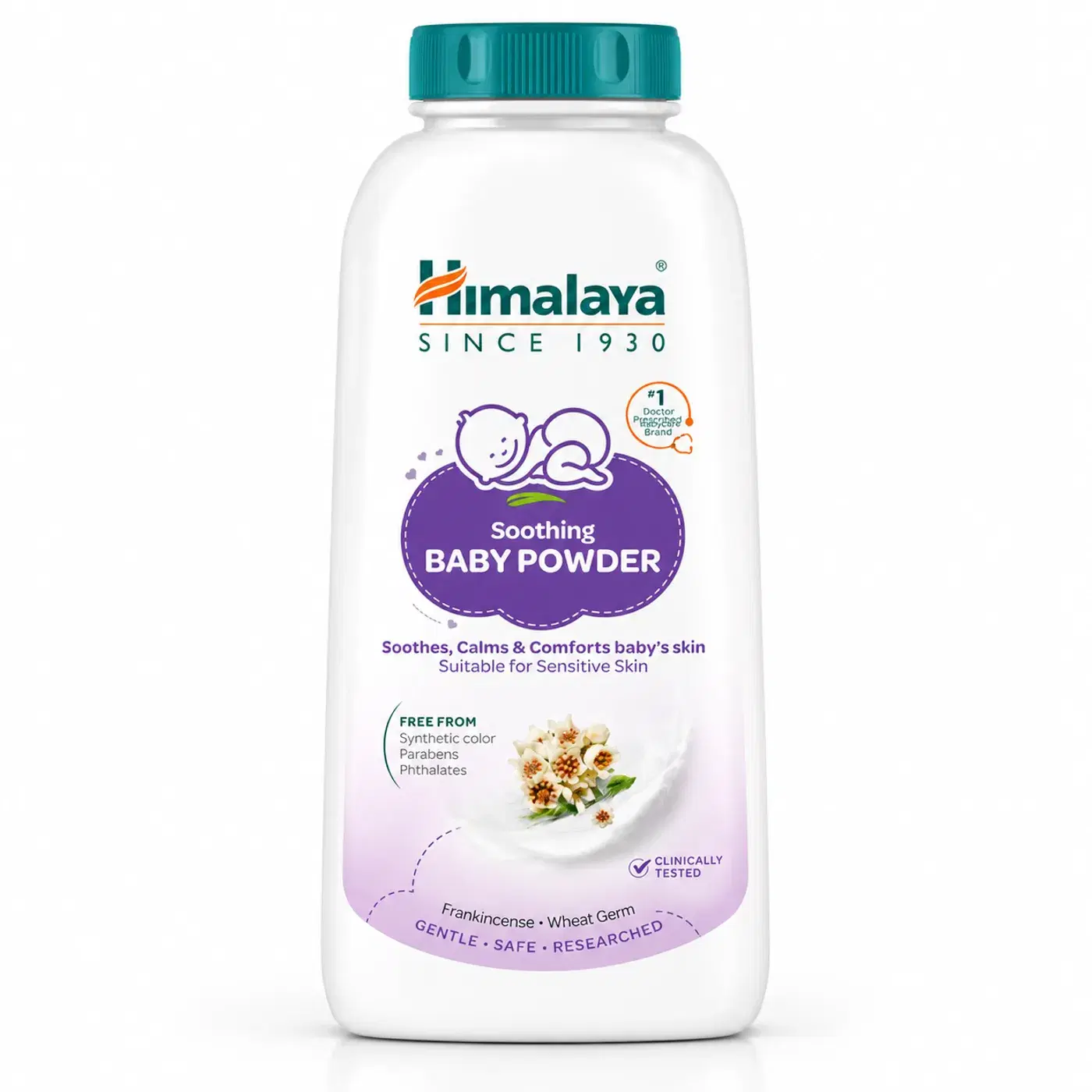
What is Himalaya Baby Powder? A Complete Overview
Himalaya Baby Powder is a gentle, Ayurveda-inspired skin care powder formulated specifically for a baby's delicate skin. It is manufactured by The Himalaya Drug Company, one of India's most trusted herbal wellness brands. The product blends time-tested botanical ingredients with modern cosmetic science to keep babies fresh, dry, and rash-free.
The name reflects its core promise: a powder gentle enough for a baby yet effective enough to manage moisture, friction, and microbial growth on tender skin. In Ayurveda, protecting a newborn's skin is discussed under Kaumarbhritya (the branch of Ayurveda dedicated to paediatric care), which emphasises using cooling, soothing botanicals to balance Pitta dosha (the bio-energy governing heat and inflammation) and Kapha dosha (governing moisture and heaviness) on the skin surface.
- Product type: Herbal skin care dusting powder
- Dosha action: Primarily balances Pitta (reduces heat, redness) and Kapha (absorbs excess moisture)
- Common uses: Diaper rash prevention, prickly heat relief, keeping skin dry and fresh, soothing sensitive skin
- Prescription status: Over-the-counter; no prescription required
- Suitable for: Newborns, infants, toddlers, and adults with sensitive skin
Key Ingredients in Himalaya Baby Powder
Himalaya Baby Powder uses a blend of botanicals that have been referenced in classical Ayurvedic literature and studied in modern research. The table below summarises each key ingredient.
| Ingredient | Botanical Name | Part Used | Ayurvedic Role | What Research Suggests [Ref] |
|---|---|---|---|---|
| Khus (Vetiver) | Vetiveria zizanioides | Root | Cooling (shita virya), soothes Pitta; reduces burning sensation on skin | Laboratory studies suggest antimicrobial and antioxidant activity in root extracts [1] |
| Yashtimadhu (Licorice) | Glycyrrhiza glabra | Root | Anti-inflammatory (shothahar), skin-lightening, soothes irritated skin | Glabridin, a key compound, may inhibit skin pigmentation and inflammation in lab models [2] |
| Lodhra | Symplocos racemosa | Bark | Astringent (kashaya rasa), tightens and tones skin, reduces excess secretions | PMC search suggests astringent tannins may help manage skin conditions; further clinical data limited [3] |
| Chandana (Sandalwood) | Santalum album | Heartwood | Cooling, fragrant, anti-Pitta; soothes itching and burning | Alpha-santalol has demonstrated anti-inflammatory effects in cell-based studies [4] |
| Zinc Oxide | Inorganic mineral | Mineral | Not a classical herb; added for skin barrier protection and mild antiseptic action | Well-documented in dermatology for diaper rash prevention and skin barrier support [5] |
Note: Evidence for individual ingredients comes primarily from laboratory and animal studies. Clinical trials on the complete Himalaya Baby Powder formula are limited. Always consult a paediatrician before use on newborns with skin conditions.
How Does Himalaya Baby Powder Work?
The Ayurvedic View
In Ayurveda, a baby's skin is considered sukumara (extremely tender) and naturally prone to Pitta and Kapha imbalances due to heat, moisture, and friction. The powder's botanical ingredients work on the twak dhatu (skin tissue) and the rasa dhatu (plasma or lymph tissue just beneath the skin). Cooling herbs like Khus and Chandana pacify aggravated Pitta, reducing heat and redness. Astringent herbs like Lodhra help manage Kapha by absorbing excess moisture and tightening the skin surface, thereby supporting healthy agni (metabolic fire) at the skin level and preventing the accumulation of ama (toxic metabolic waste) that can fuel infections and rashes.
The Modern Pharmacological View
Modern science attributes the powder's efficacy to several active compounds. Glabridin from licorice inhibits the enzyme tyrosinase and suppresses inflammatory mediators like prostaglandins, reducing redness and pigmentation [2]. Alpha-santalol from sandalwood has shown anti-inflammatory properties by modulating pro-inflammatory cytokines in cell-based studies [4]. Zinc oxide forms a physical barrier on skin, repelling moisture and providing mild antimicrobial protection, which is well-supported in clinical dermatology for preventing irritant contact dermatitis in babies [5]. It is important to note that most mechanistic evidence is from studies on isolated compounds or single ingredients, not on the complete powder formulation. Independent clinical trials on the full product formula are currently limited.
Uses and Benefits of Himalaya Baby Powder
1. Prevents and Soothes Diaper Rash
Diaper rash occurs when prolonged moisture and friction irritate a baby's skin. Himalaya Baby Powder may help by absorbing excess moisture in the diaper area, reducing friction between skin folds. Zinc oxide in the formula has well-documented skin-barrier protective and anti-inflammatory effects that may reduce the severity of irritant contact dermatitis [5].
2. Relieves Prickly Heat and Itching
Prickly heat (udarda in Ayurveda) is common in Indian summers when sweat glands become blocked. The cooling action of Khus (Vetiveria zizanioides) and Chandana traditionally helps pacify Pitta and reduce the burning, itching sensation associated with heat rash. Laboratory research on vetiver extracts suggests antioxidant properties that may further support skin comfort [1].
3. Keeps Baby Skin Fresh and Dry
A key function of any dusting powder is moisture management. Himalaya Baby Powder is traditionally used for keeping skin folds — under the arms, behind the knees, and around the neck — dry and odour-free. Astringent herbs like Lodhra may help reduce localised sweating and surface secretions, according to Ayurvedic pharmacology [3].
4. May Soothe Skin Inflammation and Redness
Yashtimadhu (Glycyrrhiza glabra) is one of Ayurveda's most celebrated anti-inflammatory herbs, described in the Charaka Samhita as varnya (skin-brightening) and shothahar (inflammation-reducing). Modern research shows that glabridin, a key flavonoid in licorice root, can inhibit pro-inflammatory pathways in skin cells [2]. This dual action makes the powder potentially useful for calming everyday redness and minor irritation on sensitive baby skin.
5. Supports Healthy Skin Barrier Function
A strong skin barrier is essential for babies because their stratum corneum (the outermost skin layer) is thinner than that of adults. Zinc oxide is widely used in paediatric dermatology to reinforce the skin barrier by forming a protective, water-repellent layer [5]. Himalaya Baby Powder traditionally used for this purpose may help prevent environmental irritants from penetrating delicate skin.
6. Gentle Fragrance for a Calm Baby
Chandana (sandalwood) has been used in Ayurveda for centuries for its calming, cooling fragrance. The mild, natural scent of sandalwood in Himalaya Baby Powder may create a soothing sensory experience during massage and bath time. Alpha-santalol, the active sesquiterpene in sandalwood, has been investigated for its mild sedative and anti-anxiety effects in animal models, though human trials on topical use are limited [4].
7. Suitable for Adults with Sensitive or Oily Skin
Although marketed for babies, Himalaya Baby Powder is often used by adults in India during summer to manage sweat in skin folds and prevent fungal rashes. The Ayurvedic ingredients that balance Pitta and Kapha make it suitable for people with naturally oily or heat-prone skin. Adults with known skin conditions should consult a dermatologist before using any powder on broken or infected skin.
Himalaya Baby Powder: Dosage and Directions
Always read the product label before use. Follow the guidance of your paediatrician or Ayurvedic doctor for specific cases.
| Parameter | Recommendation |
|---|---|
| Dose for infants | Apply a small amount (pea-sized or less) to clean, dry skin as needed |
| Dose for toddlers & older children | Apply a thin, even layer to clean, dry skin; avoid excess |
| When to apply | After bath, after diaper change, or when skin feels damp and irritated |
| Method of application | Shake a little powder into your palm first; then gently pat onto baby's skin — never shake directly onto the baby's face |
| Anupana (vehicle) | Not applicable (topical product); can be mixed with a tiny amount of Himalaya Baby Cream for dry areas if needed |
| Duration of use | Can be used daily as part of a regular baby care routine |
| Special groups | Premature babies or babies with open wounds or skin infections: use only under medical supervision |
Always follow the product label instructions or the advice of your paediatrician or Ayurvedic doctor.
Side Effects and Safety of Himalaya Baby Powder
Himalaya Baby Powder is generally considered safe for external use when used as directed. However, certain precautions are important.
Possible side effects:
- Skin irritation or contact dermatitis in babies with very sensitive or allergy-prone skin
- Mild redness or rash if the product is used on already broken or infected skin
- Respiratory irritation if powder is accidentally inhaled — this is a risk with any fine powder near infants
Who should avoid or use with caution:
- Respiratory risk: Never apply powder near a baby's face, nose, or mouth. Inhalation of fine powder particles can irritate or harm infant lungs. This is a globally recognised safety concern with all baby powders [5].
- Broken skin: Do not apply to open wounds, infected skin, or skin with active eczema without medical advice.
- Known allergies: If your baby has a known allergy to sandalwood, licorice, or any listed ingredient, avoid use and consult a doctor.
- Pregnancy and breastfeeding: The product is topical and intended for babies, but pregnant women who wish to use it for personal care should consult their doctor.
- Drug interactions: No significant drug interactions are expected with topical use. However, if using prescription topical medications, space application times or consult a dermatologist.
Important precaution: The American Academy of Pediatrics and Indian paediatricians advise keeping powder away from the baby's breathing zone. Always apply the powder to your hands first, then pat gently onto the baby's skin.
Diet and Lifestyle Tips to Support Baby Skin Health
- Keep the diaper area clean and dry: Change diapers frequently and allow the skin to air-dry for a few minutes before applying powder or cream.
- Choose breathable clothing: Dress your baby in soft, natural cotton fabrics, especially during Indian summers, to reduce heat and sweat buildup in skin folds.
- Maintain gentle bathing routines: Use lukewarm (not hot) water and mild, pH-balanced baby cleansers to preserve the skin's natural moisture barrier.
- Breastfeed if possible: Breast milk contains immunoglobulins and anti-inflammatory compounds that support your baby's immune system and skin health from within [PMC search: https://pmc.ncbi.nlm.nih.gov/search/?term=breastfeeding+infant+skin+immunity].
- Avoid harsh chemicals: Keep synthetic fragrances, alcohol-based wipes, and adult skincare products away from your baby's skin.
- Regular Ayurvedic baby massage (Abhyanga): Daily gentle massage with a suitable oil like sesame or coconut before bathing is described in Kaumarbhritya texts as beneficial for skin strength, circulation, and sleep quality.
Frequently Asked Questions About Himalaya Baby Powder
Is Himalaya Baby Powder safe for newborns?
Himalaya Baby Powder is formulated to be gentle enough for newborn skin. However, always keep powder away from the baby's face to prevent inhalation, and consult your paediatrician before starting any new skin care product for a very young baby.
Does Himalaya Baby Powder contain talc?
You should check the current product label for the most accurate and up-to-date ingredient list, as formulations can change. The Himalaya Drug Company has been moving towards safer, skin-friendly bases; visit the official product page on Quikdu for the latest formulation details.
Can I use Himalaya Baby Powder for diaper rash?
Himalaya Baby Powder is traditionally used for preventing diaper rash by keeping the skin dry and reducing friction. For an existing, severe, or infected diaper rash, consult a paediatrician as a medicated treatment may be required alongside or instead of a powder.
Can adults use Himalaya Baby Powder?
Yes, many Indian adults use Himalaya Baby Powder during summers to manage sweat, prickly heat, and body odour in skin folds. Its gentle, Ayurvedic formulation makes it suitable for sensitive skin. People with active skin infections or known allergies to the ingredients should seek medical advice first.
Is Himalaya Baby Powder good for prickly heat?
Himalaya Baby Powder is commonly used for prickly heat relief. The cooling herbs Khus (vetiver) and Chandana (sandalwood) traditionally pacify Pitta and reduce the burning and itching associated with heat rash. For persistent or severe prickly heat, consult a doctor.
How often should I apply Himalaya Baby Powder?
You can apply it after each bath and after each diaper change, or whenever the skin feels damp. Avoid over-applying, as excessive powder can cake in skin folds and potentially cause irritation. A thin, even layer is sufficient.
What is the Ayurvedic significance of the ingredients in Himalaya Baby Powder?
The key herbs — Khus, Chandana, Yashtimadhu, and Lodhra — are referenced in classical texts like the Charaka Samhita and Ashtanga Hridayam for their cooling, anti-inflammatory, astringent, and skin-soothing properties. These herbs collectively balance Pitta and Kapha doshas on the skin surface.
Is Himalaya Baby Powder safe during pregnancy?
Himalaya Baby Powder is a topical product primarily intended for babies. Pregnant women who want to use it for personal comfort should consult their doctor, especially in the first trimester, to ensure no ingredient is contraindicated for their specific health condition.
Where can I buy genuine Himalaya Baby Powder online in India?
You can buy genuine, verified Himalaya Baby Powder directly on the Quikdu app. Quikdu is a trusted Ayurveda app that sources authentic products and delivers them safely to your doorstep across India.
Can Himalaya Baby Powder cause allergies?
Any cosmetic product can potentially cause an allergic reaction in individuals sensitised to its ingredients. If your baby develops redness, swelling, or a rash after using the powder, discontinue use immediately and consult a paediatrician. A patch test on a small skin area before full use is advisable for very sensitive skin.
References
- Burdock GA, Carabin IG. Safety assessment of vetiver (Vetiveria zizanioides) oil as a food ingredient. Food Chem Toxicol. 2008;46(7):2341–2348. PMC search: https://pmc.ncbi.nlm.nih.gov/search/?term=Vetiveria+zizanioides+antimicrobial+antioxidant
- Yokota T, Nishio H, Kubota Y, Mizoguchi M. The inhibitory effect of glabridin from licorice extracts on melanogenesis and inflammation. Pigment Cell Res. 1998;11(6):355–361. PMC search: https://pmc.ncbi.nlm.nih.gov/search/?term=glabridin+licorice+anti-inflammatory+skin
- PMC search — Symplocos racemosa astringent tannins skin: https://pmc.ncbi.nlm.nih.gov/search/?term=Symplocos+racemosa+skin+astringent
- Santha S, Dwivedi C. Anticancer effects of sandalwood (Santalum album). Anticancer Res. 2015;35(6):3137–3145. PMC ID: PMC4470261. https://pmc.ncbi.nlm.nih.gov/articles/PMC4470261/ [Note: This study focuses on anti-inflammatory and antiproliferative activity of alpha-santalol; evidence is from cell-based and animal models.]
- Gupta AK, Skinner AR. Management of diaper dermatitis. Int J Dermatol. 2004;43(11):830–834. PMC search: https://pmc.ncbi.nlm.nih.gov/search/?term=zinc+oxide+diaper+rash+skin+barrier
Classical sources:
- Charaka Samhita, Sutrasthana, Chapter 4 (Shadvirechanashatashritiya Adhyaya) — references to varnya (skin-brightening) and shothahar (anti-inflammatory) herbs including Yashtimadhu and Chandana.
- Ashtanga Hridayam, Uttarasthana, Chapter 1 (Balarogapratisamskara) — classical paediatric skin care principles under Kaumarbhritya.
- Ayurvedic Pharmacopoeia of India, Part I, Volume II — monographs on Glycyrrhiza glabra, Santalum album, and Vetiveria zizanioides.
Medical Disclaimer
This blog is for educational and informational purposes only. It is not a substitute for professional medical or paediatric advice, diagnosis, or treatment. Always consult a qualified paediatrician, dermatologist, or Ayurvedic doctor before starting any new product for your baby, especially if your baby has a pre-existing skin condition, allergy, or is premature. The claims about individual ingredients are based on preliminary laboratory or animal research and may not directly apply to the finished product formula. Never ignore professional medical advice in seeking treatment because of something you have read in this blog.
Download the Quikdu App today and get verified Ayurvedic products delivered safely to your doorstep.