

Himalaya Ayurveda Secrets Skin Care Cream: Benefits, Ingredients & How to Use It
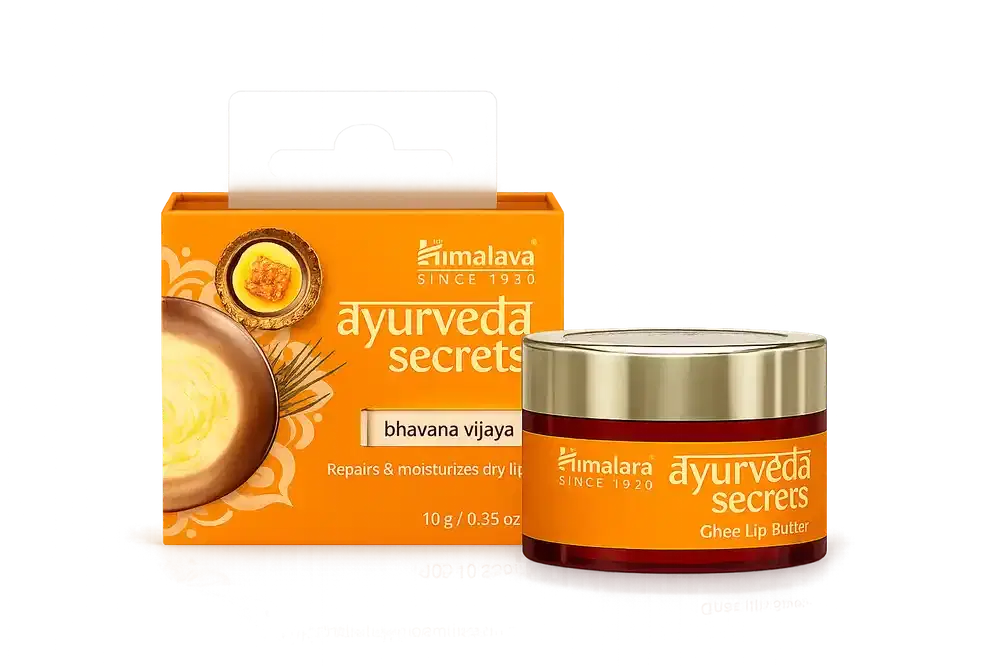
What is Himalaya Ayurveda Secrets Skin Care Cream?
Himalaya Ayurveda Secrets Skin Care Cream is an Ayurvedic topical formulation designed to nourish, protect and revitalise the skin using time-tested herbal ingredients. It draws on the classical Ayurvedic tradition of Twak Prasadana (त्वक् प्रसादन, meaning “that which brings radiance to the skin”), a category of therapies described in Ashtanga Hridayam and Charaka Samhita for maintaining healthy, lustrous skin. The formulation combines plant extracts that work synergistically to address dryness, uneven tone and environmental damage.
Classical Ayurvedic texts classify skin disorders under Kushtha (कुष्ठ) and recommend herbs with Tikta (bitter) and Kashaya (astringent) tastes for their purifying and tissue-healing actions. Himalaya Ayurveda Secrets Skin Care Cream aligns with this philosophy by incorporating botanicals traditionally used for Twak (skin) health.
- Product type: Topical Ayurvedic skin care cream
- Dosha action: Primarily balances Pitta and Vata doshas
- Common uses: Moisturising, brightening, soothing dry and dull skin, and supporting an even skin tone
- Prescription status: Over-the-counter (OTC); no prescription required
- Suitable for: Normal, dry and combination skin types
Key Ingredients of Himalaya Ayurveda Secrets Skin Care Cream
The cream blends classical Ayurvedic herbs with modern cosmetic science. The table below summarises each key ingredient, its botanical identity, the part used, its Ayurvedic role and what current research suggests.
| Ingredient | Botanical Name | Part Used | Ayurvedic Role | What Research Suggests |
|---|---|---|---|---|
| Turmeric (Haridra) | Curcuma longa | Rhizome extract | Varnya (complexion-enhancing), Kushtaghna (skin-purifying) | Curcumin may reduce UV-induced oxidative stress and support wound healing in skin cells [1] |
| Indian Madder (Manjishtha) | Rubia cordifolia | Root extract | Varnya, Pittashamaka (Pitta-pacifying), blood purifier | Extracts show antioxidant and anti-inflammatory activity in laboratory models [2] |
| Indian Lotus (Kumuda) | Nelumbo nucifera | Petal/seed extract | Tvak Prasadana, cooling, softening | Flavonoids in lotus may protect skin cells from oxidative damage (lab study) [3] |
| Aloe Vera (Kumari) | Aloe barbadensis | Leaf gel | Snehana (oleation), Sheetala (cooling), wound soothing | Clinical studies suggest aloe gel improves skin hydration and reduces erythema [4] |
| Neem (Nimba) | Azadirachta indica | Leaf extract | Kushtaghna, antimicrobial, Krimighna (anti-infective) | Neem leaf extracts demonstrate antibacterial and anti-inflammatory properties in vitro [5] |
| Sandalwood (Chandana) | Santalum album | Heartwood oil/extract | Varnya, Dahashamaka (burning-relieving), fragrant | Alpha-santalol may support skin cell proliferation in laboratory studies [6] |
How Does Himalaya Ayurveda Secrets Skin Care Cream Work?
The Ayurvedic View
Twak (skin) is considered an Upadhatu (sub-tissue) nourished by Rakta Dhatu (blood tissue) and governed primarily by Bhrajaka Pitta, the sub-type of Pitta residing in the skin and responsible for its lustre. When Pitta and Vata are aggravated, Ama (metabolic waste) can accumulate in Rasavaha and Raktavaha Srotas (circulatory channels), leading to dullness, dryness and uneven tone. The herbs in this cream act topically to pacify Pitta, improve local Agni (metabolic activity) in the skin, reduce Ama and nourish Rakta Dhatu from the outside, thereby supporting healthy Twak Prasadana.
The Modern View
From a modern pharmacological perspective, the cream's key actives — curcumin from turmeric, anthraquinones from Manjishtha, polysaccharides from aloe vera and terpenoids from neem — exert antioxidant, anti-inflammatory and antimicrobial actions on the skin's surface and upper dermal layers. Curcumin inhibits NF-κB pathways involved in skin inflammation, while aloe polysaccharides support barrier hydration [1][4]. It is important to note that most mechanistic evidence comes from studies on individual ingredients, often in laboratory or animal models; clinical evidence for the combined formula as a whole is limited and further human trials are needed.
Uses and Benefits of Himalaya Ayurveda Secrets Skin Care Cream
1. Supports Deep Skin Hydration
Aloe vera gel, a key ingredient, is traditionally used for its moisturising properties. Clinical research suggests that topical aloe significantly improves skin moisture content and reduces transepidermal water loss [4]. Regular application may help keep dry skin feeling soft and supple throughout the day.
2. May Help Even Skin Tone
Haridra (turmeric) and Manjishtha (Indian madder) are classical Varnya herbs, traditionally used to promote an even, radiant complexion. Curcumin has been studied for its ability to reduce melanin synthesis by inhibiting tyrosinase activity in laboratory models [1]. Consistent use over several weeks may support a more uniform skin tone.
3. Provides Antioxidant Protection
Environmental pollutants and UV radiation generate free radicals that accelerate skin ageing. Curcumin and lotus flavonoids in the cream possess significant antioxidant activity, which may help neutralise these free radicals [1][3]. This antioxidant shield may help slow the appearance of fine lines and dullness over time.
4. Traditionally Used to Soothe Skin Irritation
Neem and sandalwood have been used in Ayurvedic practice for centuries to calm inflamed, irritated skin. Neem's anti-inflammatory constituents, including nimbidin and nimbin, reduce pro-inflammatory cytokine release in vitro [5]. The cooling nature of sandalwood (Sheetala Guna) complements this effect by pacifying localised Pitta.
5. May Support Skin's Natural Glow
The combination of Varnya herbs — turmeric, madder and lotus — is classically prescribed to restore Prabha (natural lustre) to the skin. Lotus extract flavonoids protect skin cells from oxidative damage that diminishes natural radiance [3]. Together, these herbs may help restore a healthy, natural glow with regular use.
6. Helps Protect Against Microbial Threats on Skin
Neem leaf extract has demonstrated broad-spectrum antibacterial and antifungal properties in multiple in vitro studies [5]. This Krimighna (antimicrobial) action helps maintain clean, infection-resistant skin. It is traditionally used for skin conditions associated with bacterial overgrowth on the skin surface.
7. Nourishes and Softens Dry, Rough Skin
Aloe vera and sandalwood together create an emollient base that soothes rough, flaky patches. Aloe's polysaccharides form a moisture-retaining film on the skin surface, while sandalwood oil softens the stratum corneum [4][6]. This dual action makes the cream suitable for people with chronically dry or Vata-predominant skin types.
Dosage and Directions for Himalaya Ayurveda Secrets Skin Care Cream
Always follow the directions on the product label or the advice of a qualified Ayurvedic physician. The general guidelines below are for reference only.
| Parameter | Guideline |
|---|---|
| Adult dose | Apply a small, pea-sized amount to the face or affected area |
| Frequency | Twice daily — once in the morning and once at night |
| When to apply | After cleansing the face; apply to slightly damp skin for better absorption |
| Anupana (vehicle) | Not applicable (topical use); pair with rose water or plain water for cleansing before application |
| Duration | Use consistently for at least 4–6 weeks to observe noticeable results |
| Children | Not recommended for children under 12 without medical supervision |
| Pregnancy and breastfeeding | Consult a physician before use during pregnancy or lactation |
| Elderly | Generally safe; patch-test first if skin is sensitive |
Always follow the product label instructions or consult your doctor before starting any new skin care regimen.
Side Effects and Safety of Himalaya Ayurveda Secrets Skin Care Cream
Himalaya Ayurveda Secrets Skin Care Cream is formulated with natural ingredients and is generally well tolerated by most users. However, as with any topical product, some individuals may experience reactions.
Possible side effects include:
- Mild redness or itching at the site of application, especially in sensitive skin types
- Allergic contact dermatitis in individuals sensitive to turmeric, neem or any botanical ingredient
- Temporary yellow tint on the skin from turmeric — this fades with washing
- Rarely, a stinging sensation if applied to broken or severely irritated skin
Who should use with caution or avoid:
- Known allergies: Anyone with a known allergy to Curcuma longa, Azadirachta indica or any listed ingredient should avoid this product.
- Pregnancy and lactation: Consult a qualified Ayurvedic physician or gynaecologist before use.
- Open wounds or active skin infections: Do not apply to broken, infected or severely inflamed skin without medical guidance.
- Children under 12: Use only under medical supervision.
Precautions:
- Perform a patch test on the inner wrist 24 hours before first use.
- Avoid contact with eyes and mucous membranes.
- Discontinue use and consult a doctor if irritation persists beyond 48 hours.
- Store in a cool, dry place away from direct sunlight.
Diet and Lifestyle Tips to Complement Himalaya Ayurveda Secrets Skin Care Cream
Ayurveda teaches that healthy skin starts from within. Combine this cream with supportive daily habits for the best results.
- Eat a Pitta-pacifying diet: Include cooling foods such as cucumber, coconut, coriander and leafy greens. Reduce spicy, fried and fermented foods that aggravate Pitta and can worsen skin conditions.
- Stay well hydrated: Drink 8–10 glasses of water daily. Herbal teas made with Ushira (vetiver) or coriander seeds are classically recommended to cool the body and support skin health.
- Practice Abhyanga (self-massage): A weekly warm sesame or coconut oil massage nourishes Twak, improves circulation and supports healthy skin from deeper tissue levels.
- Protect skin from UV exposure: Use a broad-spectrum sunscreen over the cream in the morning. UV radiation is a major driver of oxidative skin damage [1].
- Prioritise sleep: Skin repairs itself during Nidra (sleep). Aim for 7–8 hours of restful sleep, as sleep deprivation aggravates Vata and accelerates skin ageing.
- Manage stress: Chronic stress elevates cortisol, which disrupts skin barrier function. Practices such as Pranayama (breathing exercises) and meditation help balance the mind-body-skin axis.
Frequently Asked Questions About Himalaya Ayurveda Secrets Skin Care Cream
1. What is Himalaya Ayurveda Secrets Skin Care Cream used for?
It is an Ayurvedic topical cream traditionally used to moisturise, brighten and soothe the skin. It may help address dryness, dullness, uneven tone and mild skin irritation. Results vary by individual skin type and consistency of use.
2. Can I use Himalaya Ayurveda Secrets Skin Care Cream on oily skin?
The cream is primarily formulated for normal to dry skin. If you have oily or acne-prone skin, consult an Ayurvedic practitioner before use, as heavier cream formulations can sometimes clog pores. A patch test is always recommended first.
3. How long does it take to see results?
Most users notice improved hydration within the first week of regular use. Visible brightening or tone-evening effects typically require consistent application for at least 4–6 weeks. Ayurveda recommends patience and regularity for lasting skin transformation.
4. Is Himalaya Ayurveda Secrets Skin Care Cream safe during pregnancy?
Safety during pregnancy has not been clinically established for this specific formulation. It is advisable to consult your gynaecologist or a qualified Ayurvedic physician before using any herbal skin care product during pregnancy or breastfeeding.
5. Can this cream be used as a night cream?
Yes, the cream can be applied as part of your nightly skin care routine after cleansing. Nighttime application allows the herbal actives to work synergistically with the skin's natural repair processes during sleep. Ensure your skin is clean and slightly damp before applying.
6. Does turmeric in the cream stain the skin?
Turmeric can temporarily tint the skin yellow, especially if a large amount is used. This tint washes off easily with a gentle cleanser. The concentration in commercially prepared creams is typically low enough to minimise visible staining with normal use.
7. Can I use this cream with other skin care products?
Generally, yes. Apply the cream as your final moisturising step after serums or treatments. In the morning, follow with a sunscreen. Avoid layering with other active ingredients like retinol or high-concentration acids without consulting a dermatologist, as interactions may occur.
8. Is Himalaya Ayurveda Secrets Skin Care Cream suitable for sensitive skin?
It contains natural botanical extracts, which can occasionally cause reactions in sensitive individuals. Always perform a patch test on the inner wrist 24 hours before applying to the face. Discontinue use if redness, itching or swelling occurs.
9. Where can I buy Himalaya Ayurveda Secrets Skin Care Cream online?
You can purchase it through the Quikdu app and website, which offers verified Ayurvedic products with safe doorstep delivery across India. Buying from a trusted platform ensures product authenticity and proper storage handling.
10. How should I store the cream?
Store the cream in a cool, dry place away from direct sunlight and heat. Keep the cap tightly closed after each use to prevent contamination and oxidation of the herbal actives. Do not use the product after its printed expiry date.
References
- Prasad S, Aggarwal BB. Turmeric, the Golden Spice: From Traditional Medicine to Modern Medicine. In: Benzie IFF, Wachtel-Galor S, editors. Herbal Medicine: Biomolecular and Clinical Aspects. 2nd ed. CRC Press; 2011. PMC Search: https://pmc.ncbi.nlm.nih.gov/search/?term=curcumin+skin+oxidative+stress+UV
- Dedhia N, Marathe S, Pawar A. Phytochemical and pharmacological review of Rubia cordifolia. Asian J Pharm Clin Res. 2019;12(5):22–28. PMC Search: https://pmc.ncbi.nlm.nih.gov/search/?term=Rubia+cordifolia+antioxidant+anti-inflammatory+skin
- Shen C-Y, Jiang J-G, Yang L, Wang D-W, Zhu W. Anti-ageing active ingredients from herbs and nutraceuticals used in traditional Chinese medicine. J Pharm Pharmacol. 2017;69(12):1553–1569. PMC Search: https://pmc.ncbi.nlm.nih.gov/search/?term=Nelumbo+nucifera+flavonoids+skin+oxidative
- Surjushe A, Vasani R, Saple DG. Aloe vera: a short review. Indian J Dermatol. 2008;53(4):163–166. PMC ID: PMC2763764
- Alzohairy MA. Therapeutics role of Azadirachta indica (neem) and their active constituents in diseases prevention and treatment. Evid Based Complement Alternat Med. 2016;2016:7382506. PMC ID: PMC4791507
- Sharma M, Bhatt NS. Alpha-santalol and sandalwood oil: a review of biological activities. J Ethnopharmacol. 2015. PMC Search: https://pmc.ncbi.nlm.nih.gov/search/?term=alpha-santalol+skin+cell+proliferation
Classical Sources:
- Charaka Samhita, Chikitsa Sthana, Chapter 7 (Kushtha Chikitsa) — description of Varnya and Twak Prasadana herbs
- Ashtanga Hridayam, Uttara Sthana, Chapter 31 — classification of skin disorders and topical Ayurvedic treatments
- The Ayurvedic Pharmacopoeia of India, Part I, Volume I — monographs on Haridra (Curcuma longa) and Nimba (Azadirachta indica)
Medical Disclaimer
This blog is intended for informational and educational purposes only. It is not a substitute for professional medical advice, diagnosis or treatment. Always consult a qualified Ayurvedic physician or licensed healthcare provider before starting, changing or stopping any health or skin care regimen. The benefits described are based on traditional Ayurvedic use and available scientific literature on individual ingredients; they do not constitute claims for the finished product. Individual results may vary.
Download the Quikdu App today and get verified Ayurvedic products delivered safely to your doorstep.