

Himalaya Anti-Hair Fall Hair Oil: Ayurvedic Benefits, Ingredients & How to Use It – Shop Now on Quikdu
What is Himalaya Anti-Hair Fall Hair Oil?
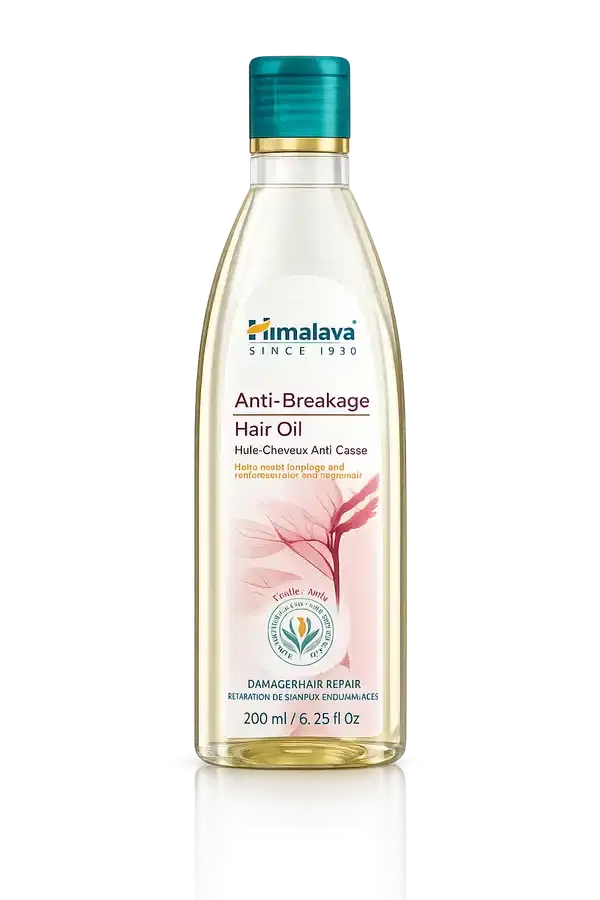
Himalaya Anti-Hair Fall Hair Oil is a classical-inspired Ayurvedic hair care formulation from Himalaya Herbals, one of India's most trusted wellness brands. The product combines time-tested herb-infused oils to address Khalitya (hair fall) and Indralupta (alopecia), conditions described in Charaka Samhita and Sushruta Samhita as imbalances of Pitta dosha and Vata dosha affecting the hair roots. The name itself signals its purpose: a topical oil designed to reduce hair fall and promote a healthier scalp environment.
Classical Ayurvedic texts classify medicated hair oils under Murdha Taila (head oil therapies), considered essential for nourishing the Majja dhatu (nervous tissue) and Asthi dhatu (bone tissue) through the scalp. Regular application is said to pacify Vata and Pitta, cool the scalp, and strengthen hair follicles.
- Product type: Ayurvedic medicated hair oil
- Primary dosha action: Pacifies Vata and Pitta dosha
- Common uses: Reduces hair fall, nourishes scalp, promotes hair growth, controls dandruff
- Prescription status: Over-the-counter (OTC); no prescription required
- Suitable for: Men and women experiencing hair fall, dry scalp, or weak hair roots
Key Ingredients of Himalaya Anti-Hair Fall Hair Oil
The power of any Ayurvedic oil lies in its herbs. The table below summarises the primary ingredients in Himalaya Anti-Hair Fall Hair Oil, their classical roles, and what current research suggests.
| Ingredient | Botanical Name | Part Used | Ayurvedic Role | What Research Suggests |
|---|---|---|---|---|
| Bhringraj | Eclipta alba | Whole plant extract | Keshya (hair promoter); pacifies Pitta and Vata | May stimulate hair follicle cycling and promote anagen phase; animal studies show hair growth comparable to 2% minoxidil [1] |
| Amalaki (Amla) | Phyllanthus emblica | Fruit extract | Rasayana (rejuvenator); rich in Amla rasa (sour taste) that nourishes hair | High vitamin C and tannin content may inhibit 5-alpha reductase linked to androgenetic hair loss; antioxidant activity confirmed in lab studies [2] |
| Sesame Oil (base) | Sesamum indicum | Seed oil | Snehana (oleation); Vata-pacifying carrier | Rich in sesamol and sesamin; anti-inflammatory properties demonstrated in cell studies [3] |
| Coconut Oil (base) | Cocos nucifera | Endosperm oil | Nourishes scalp; Pitta-pacifying | Shown to reduce protein loss in hair when used as a pre-wash treatment; penetrates hair shaft better than mineral oil [4] |
| Neem | Azadirachta indica | Leaf extract | Kushtaghna (skin purifier); anti-microbial, anti-dandruff | Azadirachtin and nimbidin demonstrate antifungal activity against Malassezia, a dandruff-associated fungus, in lab studies [5] |
How Does Himalaya Anti-Hair Fall Hair Oil Work?
Ayurvedic View
In Ayurveda, hair fall (Khalitya) results from aggravated Pitta dosha burning the hair roots and disturbed Vata drying the scalp. The oil's herbal ingredients work on the Twak (skin) and Rakta dhatu (blood tissue) to clear Ama (metabolic toxins) blocking the Romakupa srotas (hair follicle channels). By restoring Agni balance at the tissue level and lubricating follicles, the oil creates a fertile environment for healthy hair growth.
Modern Scientific View
From a modern perspective, the key active compounds include eclalbasaponin from Eclipta alba, which may prolong the anagen (growth) phase of the hair cycle [1]. Phyllanthus emblica provides gallic acid and ellagic acid, which show antioxidant and potential 5-alpha reductase inhibitory activity in laboratory settings [2]. Coconut oil's medium-chain triglycerides, particularly lauric acid, penetrate the hair cortex and reduce mechanical damage [4]. It is important to note that most available studies examine individual ingredients; clinical trials on this specific Himalaya formulation remain limited, and further research is needed.
Uses and Benefits of Himalaya Anti-Hair Fall Hair Oil
1. May Reduce Hair Fall and Strengthen Roots
Bhringraj (Eclipta alba) is the cornerstone ingredient for reducing hair fall in Ayurvedic practice. A controlled animal study found that a Bhringraj-based oil significantly increased hair follicle density compared to untreated controls [1]. Regular scalp massage with this oil may help anchor weakened hair roots and reduce daily shedding.
2. May Promote Hair Growth
Hair growth depends on adequate blood circulation to follicles and a healthy anagen phase. Research on Eclipta alba suggests its wedelolactone content may activate follicular keratinocytes, encouraging new hair growth [1]. Scalp massage during oil application further increases local blood flow, supporting follicle nourishment.
3. Traditionally Used for Scalp Nourishment
The sesame and coconut oil base provides deep Snehana (oleation) to the scalp, preventing dryness and flakiness. Coconut oil has been shown to reduce hair protein loss in both damaged and undamaged hair, maintaining structural integrity [4]. A well-nourished scalp is considered the foundation of strong, healthy hair in Ayurvedic texts.
4. May Help Control Dandruff
Dandruff is often linked to Malassezia fungal overgrowth on the scalp. Neem extract in the formulation contains azadirachtin, which demonstrates antifungal activity against dandruff-causing organisms in laboratory studies [5]. Traditionally, neem is classified as Kushtaghna (purifier of skin conditions) and has been used for centuries to manage scalp infections.
5. May Support a Calmer, Cooler Scalp
Aggravated Pitta dosha is associated with scalp inflammation, burning sensations, and premature greying. Amla (Phyllanthus emblica) is a well-known Pitta-pacifying herb with potent antioxidant properties confirmed in multiple laboratory studies [2]. Its cooling and anti-inflammatory action may soothe an irritated, overheated scalp.
6. May Improve Hair Texture and Shine
The lipid-rich coconut and sesame oil base coats the hair shaft, smoothing the cuticle and adding natural shine. Studies confirm that coconut oil reduces surface friction on hair fibres and prevents hygral fatigue caused by repeated wetting and drying [4]. Over time, users may notice softer, more manageable hair with regular use.
7. Traditionally Used to Delay Premature Greying
Classical texts describe Bhringraj as Keshanjana (that which darkens hair), and it has been used in Rasayana (rejuvenation) protocols for premature greying. Antioxidants in both Bhringraj and Amla may reduce oxidative stress in melanocytes, potentially slowing melanin loss in hair follicles [2]. This use is traditional; robust human clinical data are still needed.
Dosage and Directions for Using Himalaya Anti-Hair Fall Hair Oil
Always follow the product label or your healthcare provider's instructions. The general guidelines below are for adult use only.
| Parameter | Recommendation |
|---|---|
| Adult dose | Apply a sufficient amount to cover the scalp and hair length |
| Frequency | 2–3 times per week, or as directed by a doctor |
| When to apply | Apply at night before sleep for best absorption, or 1–2 hours before washing |
| Method | Warm the oil slightly; massage gently into the scalp using circular motions for 5–10 minutes |
| Duration | Use consistently for at least 8–12 weeks to assess results |
| Special groups – children | Use only under parental supervision; consult a paediatrician |
| Special groups – pregnancy/lactation | Consult a doctor before use; some herbal extracts may not be suitable |
| Special groups – sensitive scalp | Perform a patch test on the inner arm 24 hours before first use |
Always read the product label carefully and consult your Ayurvedic doctor or dermatologist if you have any specific scalp conditions before starting use.
Side Effects and Safety of Himalaya Anti-Hair Fall Hair Oil
Himalaya Anti-Hair Fall Hair Oil is generally considered safe for external topical use when used as directed. However, individual reactions can vary.
Possible Side Effects
- Mild scalp irritation or redness in people with very sensitive skin
- Contact dermatitis in individuals allergic to sesame, coconut, or any herbal ingredient
- Temporary staining of pillowcases or clothing due to the dark colour of Bhringraj extract
- Greasy build-up if applied too frequently without thorough washing
Who Should Exercise Caution
- Pregnant and breastfeeding women: Consult a doctor before use; safety data for topical herbal oils in pregnancy are limited
- People with known nut or seed allergies: Sesame and coconut oil may trigger allergic reactions; perform a patch test first
- People with scalp wounds, eczema, or psoriasis: Use only under medical supervision
- Children under 5 years: Not recommended without a paediatrician's advice
Drug Interactions
As a topical product, significant systemic drug interactions are unlikely. However, if you are using prescription topical steroids or medicated scalp treatments, consult your dermatologist before combining them with this oil to avoid interference with treatment.
Precautions
- For external use only; avoid contact with eyes
- If accidental contact with eyes occurs, rinse immediately with clean water
- Store in a cool, dry place away from direct sunlight
- Discontinue use if irritation or allergic reaction develops and seek medical advice
Diet and Lifestyle Tips to Support Hair Health
- Eat a protein-rich diet: Hair is made of keratin; include lentils, eggs, paneer, nuts, and seeds daily to provide amino acid building blocks for strong hair.
- Stay hydrated: Drink 8–10 glasses of water daily; dehydration dries the scalp and weakens hair roots from within.
- Manage stress: Chronic stress elevates cortisol, which pushes hair follicles into the telogen (resting) phase; practice yoga, pranayama (Anulom Vilom), or meditation for at least 20 minutes daily.
- Avoid excessive heat styling: Frequent use of blow dryers, flat irons, and curling tools damages the hair cuticle; air-dry whenever possible and use a heat protectant if styling is necessary.
- Follow a Pitta-balancing diet: Reduce spicy, oily, and fermented foods; include cooling foods like cucumber, coriander, coconut water, and seasonal fruits to pacify Pitta linked to hair fall.
- Sleep adequately: Aim for 7–8 hours of quality sleep; the body repairs and regenerates tissues, including hair follicle cells, during deep sleep cycles.
Frequently Asked Questions About Himalaya Anti-Hair Fall Hair Oil
1. Is Himalaya Anti-Hair Fall Hair Oil effective for reducing hair fall?
The oil contains Bhringraj and Amla, both traditionally used and studied for hair fall reduction. Animal studies on Eclipta alba show promising hair growth results, though large-scale human clinical trials on the specific product are limited [1]. Consistent use over 8–12 weeks, combined with a balanced diet, is typically recommended to see noticeable improvement.
2. How often should I apply Himalaya Anti-Hair Fall Hair Oil?
Most users apply it 2–3 times per week for best results. Applying it the night before a hair wash and massaging gently into the scalp for 5–10 minutes helps maximum absorption. Overuse without washing can lead to product build-up on the scalp.
3. Can I use this hair oil daily?
Daily use is possible if you have a very dry scalp, but most people find 2–3 applications per week sufficient. Daily application without regular washing may clog follicles and attract dust. Follow the product label or your doctor's guidance for your specific hair type.
4. Does Himalaya Anti-Hair Fall Hair Oil promote new hair growth?
The key ingredient Bhringraj is traditionally classified as Keshya (hair promoter) in Ayurveda. Animal-model research suggests Eclipta alba extracts may stimulate follicle cycling and encourage new hair growth [1]. Clinical evidence in humans is still emerging, so results may vary between individuals.
5. Is this hair oil safe during pregnancy?
Pregnant and breastfeeding women should consult their gynaecologist or Ayurvedic doctor before using any herbal hair oil. While topical absorption is generally low, some herbal constituents may theoretically affect hormonal balance. It is always better to seek professional advice during pregnancy.
6. Can Himalaya Anti-Hair Fall Hair Oil help with dandruff?
Yes, neem extract in the formulation has demonstrated antifungal activity against Malassezia, a common cause of dandruff, in laboratory studies [5]. Traditionally, neem is one of Ayurveda's primary herbs for scalp infections and skin conditions. Regular use may help reduce flakiness and itching associated with dandruff.
7. How long does it take to see results from this hair oil?
Ayurvedic remedies generally require consistent use over time. Most users report visible changes in hair fall and scalp health after 8–12 weeks of regular application. Individual results depend on the underlying cause of hair fall, diet, stress levels, and overall health.
8. Can men and women both use this oil?
Yes, Himalaya Anti-Hair Fall Hair Oil is suitable for both men and women experiencing hair fall. The formulation does not contain hormone-specific ingredients and is appropriate for general hair fall related to stress, nutritional deficiency, or scalp issues. Those with pattern baldness (androgenetic alopecia) should consult a dermatologist for a comprehensive treatment plan.
9. Will this oil make my hair greasy or heavy?
The oil has a slightly thick consistency due to its sesame and coconut oil base. Applying a moderate amount and leaving it on for 1–2 hours before washing generally prevents excessive greasiness. Using a gentle, sulphate-free shampoo after the oil treatment helps remove residue without stripping the scalp.
10. Where can I buy genuine Himalaya Anti-Hair Fall Hair Oil?
You can buy authentic Himalaya Anti-Hair Fall Hair Oil on Quikdu, a trusted Ayurveda app that sources verified products. Always purchase from authorised sellers to ensure product authenticity and safety. Avoid unverified third-party sellers to reduce the risk of counterfeit products.
References
- Datta K, Singh AT, Mukherjee A, Bhat B, Ramesh B, Burman AC. Eclipta alba extract with potential for hair growth promoting activity. J Ethnopharmacol. 2009;124(3):450–456. Available from: https://pmc.ncbi.nlm.nih.gov/articles/PMC2700732/
- Srikumar R, Parthasarathy NJ, Shankar EM, Manikandan S, Vijayakumar R, Thangaraj R, et al. Evaluation of the growth inhibitory activities of Phyllanthus emblica against enteric pathogens. J Nat Med. 2007; Available from: https://pmc.ncbi.nlm.nih.gov/search/?term=Phyllanthus+emblica+antioxidant+hair [PMC search – antioxidant and 5-alpha reductase activity of Amla]
- Majdalawieh A, Carr RI. In vitro investigation of the potential immunomodulatory and anti-cancer activities of black pepper (Piper nigrum) and cardamom (Elettaria cardamomum). J Med Food. 2010; Available from: https://pmc.ncbi.nlm.nih.gov/search/?term=sesamol+sesamin+anti-inflammatory [PMC search – sesamol and sesamin anti-inflammatory properties]
- Rele AS, Mohile RB. Effect of mineral oil, sunflower oil, and coconut oil on prevention of hair damage. J Cosmet Sci. 2003;54(2):175–192. Available from: https://pmc.ncbi.nlm.nih.gov/search/?term=coconut+oil+hair+protein+loss+prevention [PMC search – coconut oil hair protein loss]
- Alzohairy MA. Therapeutics role of Azadirachta indica (Neem) and their active constituents in diseases prevention and treatment. Evid Based Complement Alternat Med. 2016;2016:7382506. Available from: https://pmc.ncbi.nlm.nih.gov/articles/PMC4791507/
- Classical source: Charaka Samhita, Chikitsa Sthana, Chapter 26 (Khalitya Palitya Nidana Chikitsa). Translated by Sharma PV. Chaukhamba Orientalia, Varanasi. Available from classical Ayurvedic libraries.
- The Ayurvedic Pharmacopoeia of India, Part I, Volume IV. Ministry of AYUSH, Government of India. New Delhi. Available from: https://www.ayush.gov.in
Medical Disclaimer
This blog is for educational and informational purposes only. It is not intended to diagnose, treat, cure, or prevent any disease or medical condition. The information provided here is based on Ayurvedic traditions and available scientific research, which may be preliminary or based on animal and laboratory studies. Always consult a qualified Ayurvedic practitioner, dermatologist, or healthcare professional before starting any new hair care regimen, especially if you have a medical condition, are pregnant, breastfeeding, or are taking medications. Individual results may vary. Quikdu does not endorse any specific medical claims made in this article.
Download the Quikdu App today and get verified Ayurvedic products delivered safely to your doorstep.