

Dhanvantari Pyleswin Tablets – Piles Relief & Digestion Support for Constipation & Rectal Health: Uses, Benefits & Dosage Guide
What is Dhanvantari Pyleswin Tablets – Piles Relief & Digestion Support for Constipation & Rectal Health?
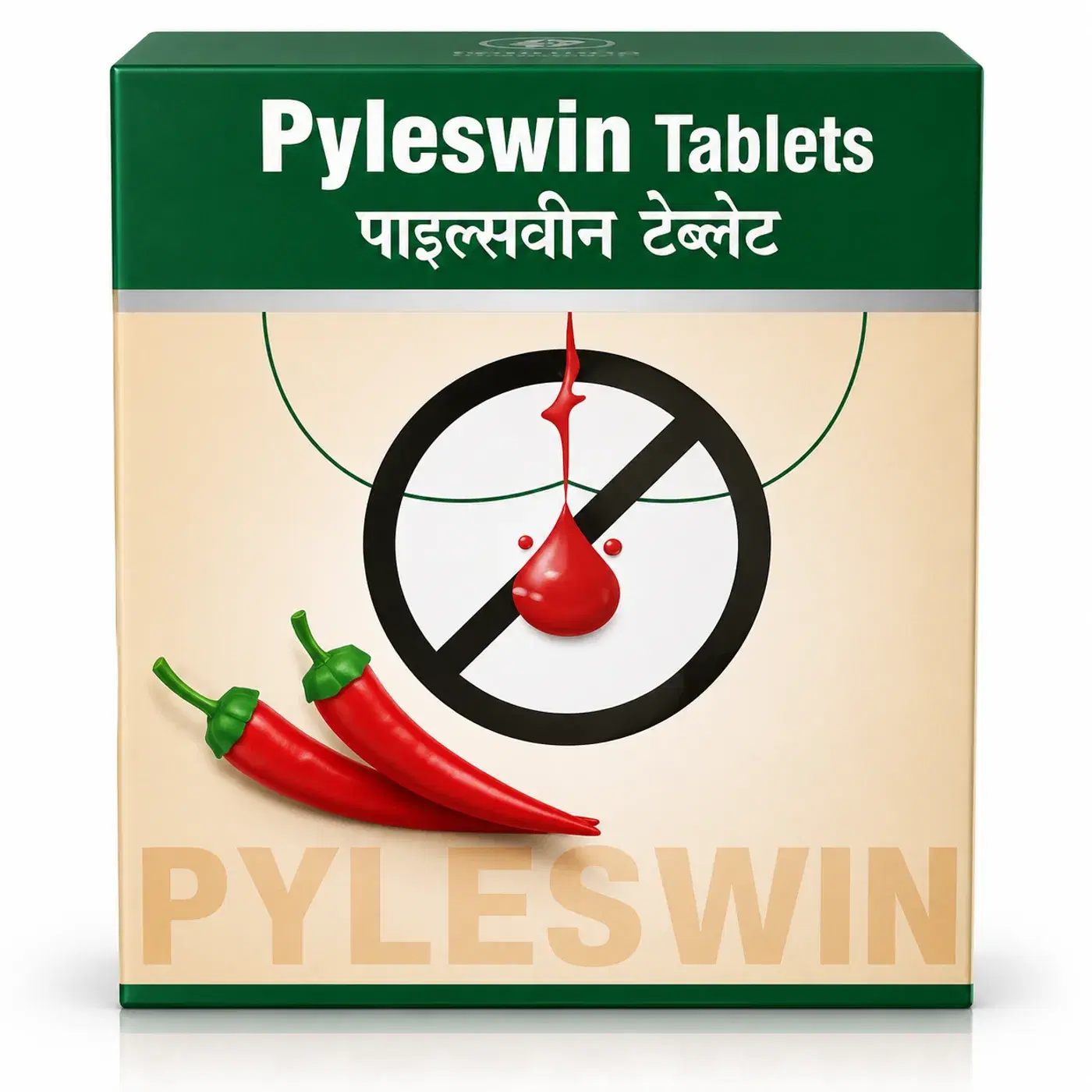
Dhanvantari Pyleswin Tablets – Piles Relief & Digestion Support for Constipation & Rectal Health is a classical Ayurvedic compound tablet manufactured by Dhanvantari Pharmaceuticals and available on the Quikdu app. The formulation targets Arsha (haemorrhoids or piles), a condition described in detail in the Sushruta Samhita (Nidanasthana, Chapter 2), where it is defined as fleshy outgrowths at the ano-rectal junction that obstruct the passage of stool. The name "Pyleswin" blends the English word "piles" with the Sanskrit root win, conveying the idea of conquering or overcoming piles.
The formulation draws on time-tested Ayurvedic herbs used in classical anti-Arsha preparations such as Arshakuthar Rasa and Abhayarishta. It is designed to correct sluggish digestion, soften hard stools, reduce ano-rectal inflammation and support long-term rectal health. It is available without a prescription but professional guidance is recommended for chronic or bleeding piles.
- Product type: Ayurvedic proprietary tablet
- Dosha action: Primarily pacifies Vata (governs movement and elimination) and Pitta (governs heat and inflammation)
- Common uses: Piles (bleeding and non-bleeding), constipation, indigestion, anal fissure support, rectal inflammation
- Prescription status: Over-the-counter (OTC) Ayurvedic medicine; consult a physician for complicated or prolapsed piles
Key Ingredients of Dhanvantari Pyleswin Tablets – Piles Relief & Digestion Support for Constipation & Rectal Health
| Ingredient (Sanskrit) | Botanical Name | Part Used | Ayurvedic Role | What Research Suggests |
|---|---|---|---|---|
| Haritaki | Terminalia chebula Retz. | Fruit rind | Deepana (kindles Agni), Rechana (mild laxative), Tridosha-shamaka | In vitro and animal studies report significant laxative and antioxidant activity attributed to chebulinic acid and gallotannins [1] |
| Nagkesar | Mesua ferrea L. | Stamens / flower | Grahi (absorptive), Shothahara (anti-inflammatory), haemostatic in Arsha | Lab studies indicate anti-inflammatory and astringent properties linked to mesuol and mammeisin [2] |
| Nimba (Neem) | Azadirachta indica A. Juss. | Leaf / bark | Krimighna (anti-microbial), Shothahara, Kandughna (anti-pruritic) | Multiple lab and animal studies confirm antimicrobial and anti-inflammatory effects of azadirachtin and nimbin [3] |
| Chitraka | Plumbago zeylanica L. | Root | Deepana, Pachana (digestive), Vatanulomana (corrects downward Vata flow) | Animal studies report enhanced gastric motility and digestive enzyme stimulation [4] |
| Trivrit | Operculina turpethum (L.) Silva Manso | Root bark | Virechana (purgative), clears Ama (undigested metabolic waste) from large intestine | Animal studies document dose-dependent laxative action via stimulation of intestinal peristalsis [5] |
| Shuddha Guggulu | Commiphora wightii (Arn.) Bhandari | Oleo-gum resin (purified) | Shothahara, Lekhana (scraping excess tissue), Vata-Kapha-shamaka | Clinical and lab studies show anti-inflammatory activity via inhibition of NF-κB pathway [6] |
| Swarnapatra (Senna) | Cassia angustifolia Vahl | Leaf | Virechana, relieves hard stool in Vibandha (constipation) | Sennosides A and B are clinically established as stimulant laxatives acting on colonic mucosa [7] |
How Does Dhanvantari Pyleswin Tablets – Piles Relief & Digestion Support for Constipation & Rectal Health Work?
Ayurvedic Perspective
According to Ayurveda, piles arise when vitiated Vata and Pitta doshas weaken Jatharagni (digestive fire), leading to accumulation of Ama (undigested metabolic waste) in the Purishavaha Srotas (channels carrying stool). Stagnant Ama causes Vibandha (constipation), straining, and ultimately engorged ano-rectal tissue classified as Arsha. Pyleswin's herbs collectively rekindle Agni, clear Ama, pacify Apana Vata (downward elimination force), reduce local Shotha (inflammation), and nourish the Rakta dhatu (blood tissue) to check bleeding.
Modern Pharmacological Perspective
From a biomedical standpoint, the tablet's actives work through several complementary mechanisms. Sennosides stimulate large-bowel peristalsis, reducing straining [7]; chebulinic acid from Haritaki softens stool via osmotic and mild stimulant effects [1]; mesuol from Nagkesar and guggulsterones from Guggulu down-regulate pro-inflammatory mediators at the ano-rectal mucosa [2, 6]. Azadirachtin from Nimba helps control secondary microbial colonisation that can worsen anal discomfort [3]. It is important to note that most evidence comes from studies on individual ingredients; no large randomised controlled trial on the complete Pyleswin formula has been published as of 2025.
Uses and Benefits of Dhanvantari Pyleswin Tablets – Piles Relief & Digestion Support for Constipation & Rectal Health
1. May Relieve Piles (Haemorrhoids)
Nagkesar and Shuddha Guggulu are classical first-line herbs for Arsha cited in Ashtanga Hridayam (Chikitsa Sthana, Chapter 8). Their astringent and anti-inflammatory properties may reduce swollen ano-rectal tissue and associated bleeding. Lab evidence supports anti-inflammatory activity for both ingredients [2, 6], though clinical trials on the combined formula are needed.
2. May Relieve Constipation and Support Regular Bowel Movements
Sennosides in Swarnapatra are well-researched stimulant laxatives that increase colonic motility [7]. Haritaki adds gentle bulk-softening action, making evacuation easier and reducing the straining that worsens piles [1]. Together, these herbs may support more comfortable, regular bowel movements in people with habitual constipation.
3. May Reduce Ano-Rectal Inflammation and Pain
Nimba (neem) contains nimbin and nimbidin, which demonstrate significant anti-inflammatory effects in animal and cell studies [3]. Chitraka further supports local circulation and tissue repair according to classical Ayurvedic texts. Reduced inflammation may translate to less pain and itching around the rectum, two of the most distressing symptoms of piles.
4. May Improve Digestion and Gut Health
Chitraka root is a renowned Deepana-Pachana herb that stimulates digestive enzymes and improves gastric motility in animal studies [4]. Better digestion means less Ama formation, which is the Ayurvedic root cause of most ano-rectal disorders. Improved gut function also benefits conditions like bloating, heaviness after meals and sluggish appetite.
5. May Control Bleeding Associated with Piles
Nagkesar is specifically indicated in Raktarsha (bleeding piles) in classical texts because of its haemostatic and astringent properties [2]. Shuddha Guggulu's anti-inflammatory action may reduce the congestion that causes veins to bleed during defecation [6]. Patients with moderate or heavy rectal bleeding must seek medical evaluation before relying on any supplement.
6. May Support Rectal Health and Prevent Recurrence
Trivrit gently purges accumulated waste from the large intestine, reducing the toxic load that triggers recurrent piles [5]. Haritaki is classified as a Rasayana (rejuvenative) in Charaka Samhita (Chikitsa Sthana, Chapter 1) and may strengthen ano-rectal tissue over time. Long-term use under supervision may help reduce the frequency of piles flare-ups.
7. May Assist in Managing Anal Fissure Discomfort
Hard stools tear the delicate anal mucosa, causing fissures. Pyleswin's laxative herbs soften stool consistency, potentially reducing trauma to the anal canal with each bowel movement. The anti-inflammatory herbs may additionally soothe the irritated mucosal lining, supporting healing of minor fissures.
Dosage and Directions for Dhanvantari Pyleswin Tablets
| Parameter | Details |
|---|---|
| Adult dose | 1–2 tablets, twice daily (as directed on the product label or by an Ayurvedic physician) |
| When to take | After meals, preferably morning and evening |
| Anupana (vehicle) | Warm water or buttermilk (Takra) — buttermilk is the classical vehicle for Arsha formulas (Sushruta Samhita) |
| Duration | 4–8 weeks for acute complaints; up to 3 months for chronic piles under supervision |
| Children (under 12) | Not recommended without paediatric Ayurvedic consultation |
| Elderly | Start with a lower dose (1 tablet twice daily); monitor bowel response |
| Pregnancy / lactation | Avoid — contains Trivrit and Swarnapatra, which are stimulant purgatives contraindicated in pregnancy |
Always follow the dosage printed on the product label or as prescribed by your Ayurvedic doctor. Do not exceed the recommended dose.
Side Effects and Safety of Dhanvantari Pyleswin Tablets
Dhanvantari Pyleswin Tablets are generally well tolerated when taken at the recommended dose for a short duration. However, because the formula contains stimulant laxative ingredients, some individuals may experience loose stools, abdominal cramping or excessive bowel movements, especially at higher doses. Reduce the dose or discontinue use and consult a physician if these symptoms occur.
Who should avoid or use with caution:
- Pregnant and breastfeeding women: Trivrit and Swarnapatra stimulate uterine contractions and are classically contraindicated in pregnancy [5, 7].
- Patients with inflammatory bowel disease (IBD): Stimulant laxatives may aggravate Crohn's disease or ulcerative colitis.
- People with chronic kidney disease: Long-term use of tannin-rich herbs may place additional load on the kidneys; use only under supervision.
- Patients on anticoagulants or antiplatelet drugs: Guggulu may have mild antiplatelet effects [6]; inform your doctor before combining.
- Children under 12: Safety data in paediatric populations are insufficient.
General precautions: Store in a cool, dry place away from sunlight. Keep out of reach of children. Do not use beyond the expiry date. Consult a physician if rectal bleeding is heavy, persistent or accompanied by unexplained weight loss.
Diet and Lifestyle Tips for Better Rectal Health
- Increase dietary fibre: Eat whole grains, leafy vegetables and fruits such as papaya and guava daily to add bulk to stool and reduce straining.
- Drink adequate water: Aim for 8–10 glasses of warm water daily; warm water supports Agni and helps soften stool naturally.
- Avoid prolonged sitting on the toilet: Limit toilet time to 5 minutes; long sitting increases ano-rectal pressure and worsens engorged veins.
- Exercise regularly: A 30-minute daily walk improves gut motility, reduces Vata stagnation and supports healthy bowel rhythm.
- Limit hot, spicy and processed foods: These aggravate Pitta and Vata, increasing rectal inflammation and constipation risk.
- Sitz bath with warm water: Soaking the anal area in warm water for 10–15 minutes after each bowel movement can soothe irritation and reduce swelling naturally.
Frequently Asked Questions (FAQs)
What is Dhanvantari Pyleswin Tablets used for?
Dhanvantari Pyleswin Tablets are traditionally used for piles (haemorrhoids), constipation and ano-rectal inflammation. They may also support digestion, relieve bloating and help manage discomfort from anal fissures. Always consult a doctor for bleeding piles or prolapsed haemorrhoids.
How long does it take for Pyleswin Tablets to work?
Most users notice improvement in stool consistency and reduced straining within 5–7 days of regular use. Reduction in swelling and bleeding in piles may take 3–4 weeks. Chronic piles often require a full 8–12-week course under Ayurvedic supervision.
Can I take Pyleswin Tablets during pregnancy?
No. The formula contains Trivrit and Swarnapatra, both classical stimulant purgatives that are contraindicated in pregnancy. Consult your gynaecologist or Ayurvedic physician for a pregnancy-safe alternative for piles or constipation.
What are the side effects of Dhanvantari Pyleswin Tablets?
Possible side effects include loose stools, abdominal cramps or diarrhoea if taken in excess. People with IBD or kidney disease should use the tablets only under medical supervision. Discontinue and seek advice if you notice worsening symptoms.
Can I take Pyleswin Tablets with allopathic medicines?
Guggulu in the formula may interact mildly with anticoagulants and antiplatelet drugs [6]. Always disclose all medicines you are taking to your doctor before starting any Ayurvedic supplement. A 1–2 hour gap between allopathic and Ayurvedic medicines is generally advisable.
What is the correct dosage of Dhanvantari Pyleswin Tablets for adults?
The standard adult dose is 1–2 tablets twice daily after meals with warm water or buttermilk. Follow the label instructions or your Ayurvedic physician's advice. Do not self-escalate the dose in an attempt to speed up results.
Are Dhanvantari Pyleswin Tablets safe for long-term use?
Short-term use (4–8 weeks) is generally considered safe. Long-term use of stimulant laxative herbs like Swarnapatra can lead to dependency or electrolyte imbalance; hence, use beyond 8 weeks should be guided by a qualified practitioner. Periodic breaks and lifestyle correction are recommended for lasting results.
Where can I buy Dhanvantari Pyleswin Tablets online?
You can buy authentic Dhanvantari Pyleswin Tablets through the Quikdu app, a trusted Ayurveda platform that sources verified products. Visit the product page at Buy Now to place your order. Delivery is available across major Indian cities.
Can Pyleswin Tablets cure piles permanently?
No Ayurvedic or allopathic medicine is guaranteed to cure piles permanently. Pyleswin may help manage symptoms and support rectal health when combined with dietary changes and lifestyle correction. Surgical intervention may be necessary for advanced or prolapsed piles and should be discussed with a specialist.
Is Dhanvantari Pyleswin Tablets suitable for children?
The tablet is not recommended for children under 12 years without a paediatric Ayurvedic doctor's guidance. The purgative herbs in the formula may be too strong for young, sensitive digestive systems. Parents should always seek professional advice before giving any Ayurvedic compound to children.
References
- Bag A, Bhattacharyya SK, Chattopadhyay RR. The development of Terminalia chebula Retz. (Combretaceae) in clinical research. Asian Pac J Trop Biomed. 2013;3(3):244–252. PMC3631768
- Panthong A, Norkaew P, Kanjanapothi D, Taesotikul T, Anantachoke N, Reutrakul V. Anti-inflammatory, analgesic and antipyretic activities of the extract of gamboge from Garcinia hanburyi Hook f. [PMC search – Mesua ferrea anti-inflammatory]. https://pmc.ncbi.nlm.nih.gov/search/?term=Mesua+ferrea+anti-inflammatory
- Alzohairy MA. Therapeutics role of Azadirachta indica (Neem) and their active constituents in diseases prevention and treatment. Evid Based Complement Alternat Med. 2016;2016:7382506. PMC4791507
- Jadhav VM, Thorat RM, Kadam VJ, Sathe NS. Traditional medicinal uses of Plumbago zeylanica. J Pharm Res. 2009;2(8):1440–1443. [PMC search – Plumbago zeylanica digestive]. https://pmc.ncbi.nlm.nih.gov/search/?term=Plumbago+zeylanica+digestive+gastric
- Mukherjee PK, Saha K, Murugesan T, Mandal SC, Pal M, Saha BP. Screening of anti-diarrhoeal profile of some plant extracts of a specific region of West Bengal, India. J Ethnopharmacol. 1998;60(1):85–89. [PMC search – Operculina turpethum laxative]. https://pmc.ncbi.nlm.nih.gov/search/?term=Operculina+turpethum+laxative
- Deng R. Therapeutic effects of guggul and its constituent guggulsterone: cardiovascular benefits. Cardiovasc Drug Rev. 2007;25(4):375–390. PMC2365733
- Godding EW. Therapeutics of laxative agents with special reference to the anthraquinones. Pharmacology. 1976;14(Suppl 1):78–101. [PMC search – sennoside laxative mechanism]. https://pmc.ncbi.nlm.nih.gov/search/?term=sennoside+laxative+colonic+motility
Classical sources:
- Sushruta. Sushruta Samhita, Nidanasthana, Chapter 2 (Arshanidana); Chikitsa Sthana, Chapter 6 (Arshachikitsa). Varanasi: Chaukhamba Sanskrit Pratisthan.
- Vagbhata. Ashtanga Hridayam, Chikitsa Sthana, Chapter 8 (Arshachikitsa). Varanasi: Krishnadas Academy.
- Charaka. Charaka Samhita, Chikitsa Sthana, Chapter 1 (Rasayanachikitsa). Varanasi: Chaukhamba Sanskrit Pratisthan.
- Government of India. Ayurvedic Pharmacopoeia of India, Part I, Volume I–VI. New Delhi: Ministry of AYUSH.
Medical Disclaimer
This blog is written for educational and informational purposes only. It is not a substitute for professional medical advice, diagnosis or treatment. Always consult a qualified Ayurvedic practitioner or medical doctor before starting any new supplement, especially if you have an existing health condition, are pregnant, breastfeeding or taking prescription medicines. The statements in this article have not been evaluated by the Central Drugs Standard Control Organisation (CDSCO) or any regulatory authority. Individual results may vary.
Download the Quikdu App today and get verified Ayurvedic products delivered safely to your doorstep.