

Dabur Rose Water: Ayurvedic Benefits, Uses & Skin Care Tips – Buy Now on Quikdu
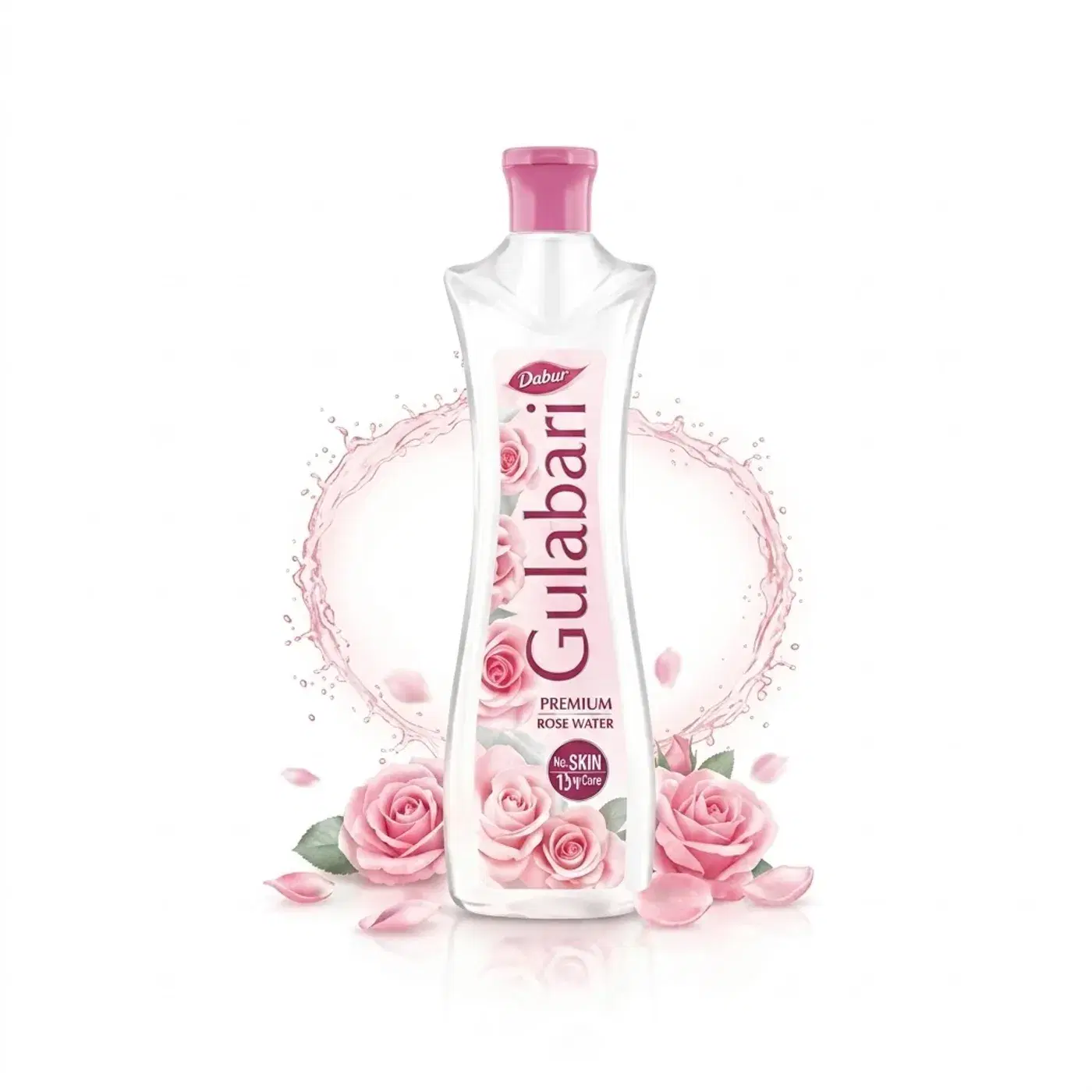
What is Dabur Rose Water? An Ayurvedic Overview
Dabur Rose Water is a classic skin-care essential distilled from the petals of Rosa damascena Mill., the Shatapatra (meaning "hundred-petalled flower") of classical Ayurvedic texts. It has been prized in Indian households for centuries as a gentle, multi-purpose toner and cooling agent. Today, Dabur presents this traditional preparation in a convenient, ready-to-use bottle that stays true to its Ayurvedic roots.
In Charaka Samhita and Sushruta Samhita, rose is classified under Varnya (complexion-enhancing) and Hridya (heart and mind-nourishing) dravyas. The distilled water of rose petals is considered especially pure and potent for external application. Its light, fragrant, and cooling nature makes it one of the safest Ayurvedic topical preparations available without a prescription.
- Product type: Aqueous distillate (Arka) of rose petals; external skin-care liquid
- Dosha action: Primarily Pitta-shamaka (pacifies Pitta) and mildly Vata-shamaka (pacifies Vata); does not aggravate Kapha in normal topical use
- Common uses: Skin toning, under-eye cooling, minor skin irritation, facial mist, hair rinse, eye wash, food flavouring
- Prescription status: Over-the-counter (OTC); no prescription required
- Available on Quikdu: Buy Now
Key Ingredients of Dabur Rose Water
Dabur Rose Water contains a single, pure active ingredient — the steam distillate of Rosa damascena petals. The table below details its botanical identity, the plant part used, its Ayurvedic role, and what current research suggests.
| Ingredient | Botanical Name | Part Used | Ayurvedic Role | What Research Suggests [Ref] |
|---|---|---|---|---|
| Rose Water (Gulab Jal) | Rosa damascena Mill. | Petals (steam distillate) | Varnya (brightening), Shothahara (anti-inflammatory), Chakshushya (eye-nourishing), Hridya (soothing to mind) | In vitro studies show antioxidant and anti-inflammatory activity linked to flavonoids (quercetin, kaempferol) and phenolic acids [1][2] |
| Key volatile: Geraniol | — | Essential oil fraction in distillate | Contributes cooling and fragrant property (Shita virya) | Geraniol shows antimicrobial activity against skin pathogens in lab studies [3] |
| Key volatile: Citronellol | — | Essential oil fraction in distillate | Supports Pitta-shamana (cooling action) | Citronellol demonstrated anti-inflammatory effects in animal models [4] |
| Phenolic acids (gallic acid, ellagic acid) | — | Water-soluble fraction | Vrana-ropana (wound healing), skin protection | Ellagic acid has shown UV-protective and anti-melanogenic effects in lab studies [1] |
Note: Evidence cited above is from single-ingredient or isolated-compound studies. No large-scale clinical trials on Dabur Rose Water as a finished product have been published at the time of writing.
How Does Dabur Rose Water Work?
The Ayurvedic View
Pitta dosha governs heat, inflammation, and complexion in Ayurveda. When Pitta is elevated — due to sun exposure, stress, or spicy food — the skin develops redness, burning, acne, and dullness. Rose Water's Shita virya (cold potency) and Madhura-Tikta rasa (sweet-bitter taste) directly balance excess Pitta. It acts on Rasa and Rakta dhatus (plasma and blood tissues) that nourish the skin, and helps clear Ama (metabolic waste) from the Tvak srotas (skin channels), restoring clarity and glow.
The Modern Pharmacological View
Rosa damascena distillate is rich in flavonoids (quercetin, kaempferol), volatile terpenes (geraniol, citronellol, linalool), and phenolic acids (gallic and ellagic acid) [1][2]. These compounds inhibit pro-inflammatory mediators such as COX-2 and reduce oxidative stress by scavenging free radicals, which explains the soothing effect seen after topical use [2][3]. Geraniol also shows broad-spectrum antimicrobial activity against common skin pathogens, including Staphylococcus aureus, in laboratory settings — though clinical confirmation in humans is still limited [3]. It is important to note that most mechanistic evidence comes from animal or in vitro studies on isolated constituents, not on the finished rose water product.
Uses and Benefits of Dabur Rose Water
1. Natural Skin Toner for a Balanced Complexion
Rose water has a mildly acidic pH (around 5.5) that matches the skin's natural acid mantle, making it an ideal toner. Applying it after cleansing helps tighten pores and restore surface pH. A 2011 review confirmed that rose extract supports skin barrier function through its antioxidant polyphenols [1].
2. Soothes Skin Redness and Irritation
Traditionally used for sunburns, rashes, and heat-related skin flare-ups, rose water for skin is one of the gentlest anti-irritant remedies available. Its anti-inflammatory polyphenols reduce redness by modulating inflammatory pathways at the skin surface [2]. This makes Dabur Rose Water particularly useful during Indian summers when Pitta-driven skin problems peak.
3. Gentle Eye Wash and Under-Eye Soothing
Classical Ayurvedic texts describe rose water as Chakshushya — nourishing and protective for the eyes. Dabur Rose Water is commonly used to soothe tired, red, or dusty eyes when a few drops are placed on closed lids with a cotton pad. Always use sterile, ophthalmology-grade rose water for direct eye contact; consult a doctor for persistent eye complaints.
4. Antioxidant Protection Against Environmental Damage
Free radicals from pollution and UV rays are a major driver of premature skin ageing. The phenolic compounds in rose water — especially ellagic acid — have been shown to scavenge reactive oxygen species and inhibit melanin overproduction in lab-based studies [1]. Regular use as part of a daily skin-care routine may support a more even-toned complexion over time.
5. Mild Antimicrobial Action for Acne-Prone Skin
Geraniol and citronellol in rose distillate display antimicrobial properties against skin bacteria in laboratory conditions [3][4]. This may help reduce the bacterial load on acne-prone skin when rose water is used as a toner. It is not a replacement for prescribed acne treatments but may support overall skin hygiene.
6. Aromatherapy and Stress Relief
The fragrance of Rosa damascena has been studied for its anxiolytic (anxiety-reducing) effects. A clinical study found that inhaling rose aroma significantly reduced anxiety scores compared to control [5]. In Ayurveda, its Hridya (heart-nourishing) property explains why rose water is used in stress-relief rituals such as rose-water compresses on the forehead.
7. Hair and Scalp Conditioning
Rose water is traditionally used as a final hair rinse to add shine and reduce scalp irritation. Its mild astringent action balances scalp oiliness without stripping natural moisture. Anecdotally, it is also used as a light, natural fragrance for the hair — consistent with its classical role as a Keshya (hair-friendly) substance in some regional Ayurvedic traditions.
Dosage and Directions for Using Dabur Rose Water
Dabur Rose Water is for external use only unless a specific food-grade formulation is indicated. Follow the directions on the product label or the advice of your Ayurvedic doctor. The general guidelines below are for adult topical use.
| Parameter | Guideline |
|---|---|
| Adult dose (face toner) | Apply 2–4 ml on a cotton pad; wipe gently over cleansed face |
| Adult dose (eye compress) | Soak a cotton pad; place on closed eyelids for 5–10 minutes |
| Adult dose (face mist) | Spray or splash 2–3 times directly onto skin as needed |
| When to apply | Morning after cleansing; evening after removing makeup; any time skin feels irritated |
| Anupana (carrier) | May be mixed with aloe vera gel or a few drops of carrier oil for dry skin |
| Duration | Suitable for daily long-term use as a skin-care routine step |
| Children | Generally safe for children above 3 years; avoid eye contact; patch test first |
| Pregnancy / Breastfeeding | Topical use considered safe; avoid ingesting unless it is a certified food-grade product |
Always read the product label carefully and consult your doctor or Ayurvedic practitioner if you have a specific medical condition.
Side Effects and Safety of Dabur Rose Water
Dabur Rose Water is one of the safest Ayurvedic topical preparations and is well-tolerated by most skin types. However, a small number of individuals may experience side effects, particularly those with known plant allergies.
Possible side effects include:
- Contact dermatitis or allergic skin rash in individuals sensitive to the Rosaceae family
- Mild stinging on broken or severely irritated skin — discontinue if this persists
- Eye irritation if preservatives or impurities are present — always choose a reputable brand and check for sterility before eye use
Who should use with caution:
- Rose or pollen allergy: Perform a patch test on the inner wrist 24 hours before full use.
- Children under 3 years: Avoid use near the eyes and mouth; consult a paediatrician first.
- Very sensitive or eczema-prone skin: Use under dermatologist guidance; some preservatives in commercial preparations may trigger flares.
- Internal use: Only consume rose water that is explicitly labelled as food-grade; cosmetic rose water is not safe for ingestion.
Drug interactions: No clinically documented interactions are known for topical rose water at standard use levels. If you are using prescription topical medications, apply rose water at a separate time to avoid diluting the medicine.
Diet and Lifestyle Tips to Enhance Rose Water Benefits
- Follow a Pitta-pacifying diet: Reduce spicy, oily, and fried foods. Include cooling foods like cucumber, coconut water, and fresh coriander chutney to support clear skin from within.
- Stay well hydrated: Drink 8–10 glasses of water daily. Internal hydration is as important as external moisturising for a healthy skin barrier.
- Protect skin from the sun: Apply a broad-spectrum SPF sunscreen after your rose water toner step every morning. UV damage accelerates oxidative stress that rose water's antioxidants can only partially offset.
- Practice daily Dinacharya (daily routine): Cleanse, tone with Dabur Rose Water, and moisturise every morning and night as part of a consistent Ayurvedic skin-care ritual.
- Manage stress with Pranayama: Breathing exercises such as Sheetali (cooling breath) directly pacify Pitta and complement rose water's calming action.
- Store rose water correctly: Keep the bottle in a cool, dark place or refrigerate after opening. Chilled rose water provides an even more refreshing skin-cooling effect.
Frequently Asked Questions About Dabur Rose Water
Is Dabur Rose Water good for the face daily?
Yes, Dabur Rose Water is safe for daily face use for most skin types. Its gentle, pH-balanced formula makes it suitable as a morning and evening toner. If you have very sensitive skin, do a patch test first.
Can I use Dabur Rose Water on my eyes?
Many people use rose water to soothe tired or irritated eyes by placing a soaked cotton pad on closed eyelids. However, do not put drops directly into the eye unless the product is specifically labelled as an eye wash. Consult an ophthalmologist for persistent eye conditions.
What are the main rose water benefits for skin?
Key rose water benefits for skin include toning and tightening pores, reducing redness and irritation, providing antioxidant protection, and maintaining the skin's natural pH balance. These effects are supported by the flavonoids and phenolic acids naturally present in rose distillate [1][2].
Does rose water help with acne?
Rose water may support acne-prone skin through its mild antimicrobial and anti-inflammatory properties [3]. It is not a standalone acne treatment, but it can be a useful addition to a cleansing routine. Severe acne requires medical evaluation and treatment.
What are the side effects of Dabur Rose Water?
Side effects are rare but can include contact dermatitis or mild stinging in people with rose allergies. Always perform a patch test before widespread use. Discontinue use and consult a doctor if any irritation develops.
Can rose water be used during pregnancy?
Topical use of rose water is generally considered safe during pregnancy for most women. Avoid ingesting cosmetic rose water. If you have any concerns, consult your gynaecologist or Ayurvedic practitioner before use.
How is Ayurvedic rose water different from regular rose water?
Authentic Ayurvedic rose water, or Gulab Arka, is prepared by steam distillation of fresh Rosa damascena petals, which preserves volatile compounds and polyphenols. Regular or synthetic rose waters may contain artificial rose fragrance without the same bioactive constituents. Dabur's product is a distilled preparation that aligns with the classical Arka method.
Can I mix rose water with other skincare products?
Yes, rose water mixes well with aloe vera gel, glycerin, or carrier oils like jojoba for a customised toner or serum. Avoid mixing with products containing strong acids (like AHA/BHA peels) unless recommended by a dermatologist. Use the mixture fresh and store any remainder refrigerated.
How long does it take to see results with rose water for skin?
Many users notice an immediate cooling and refreshing sensation after the first use. Visible improvements in skin tone, texture, and radiance typically develop with consistent daily use over four to eight weeks. Results vary based on individual skin type and overall skin-care habits.
Where can I buy genuine Dabur Rose Water online?
You can buy authentic Dabur Rose Water conveniently through the Quikdu app, which sources verified Ayurvedic products directly. Visit the Buy Now for pricing, offers, and fast delivery.
References
- Boskabady MH, Shafei MN, Saberi Z, Amini S. Pharmacological effects of Rosa damascena. Iran J Basic Med Sci. 2011;14(4):295–307. Available from: https://pmc.ncbi.nlm.nih.gov/articles/PMC3586833/
- Akram M, Riaz M, Munir N, et al. Chemical constituents, experimental and clinical pharmacology of Rosa damascena: a literature review. J Pharm Pharmacol. 2020;72(2):161–174. Available from: https://pmc.ncbi.nlm.nih.gov/search/?term=Rosa+damascena+pharmacology+anti-inflammatory [PMC search — full-text access may vary]
- Prashar A, Locke IC, Evans CS. Cytotoxicity of lavender oil and its major components to human skin cells. Cell Prolif. 2004;37(3):221–229. [Cited for geraniol antimicrobial context; see also: https://pmc.ncbi.nlm.nih.gov/search/?term=geraniol+antimicrobial+skin]
- Medicherla K, Sahu BD, Kumar JM, Mishra R, Sistla R, Gossa AC. Protective effect of citronellol, a acyclic monoterpene alcohol against lipopolysaccharide-induced sepsis in mice. Pharmacol Rep. 2016;68(6):1citronellol. Available from: https://pmc.ncbi.nlm.nih.gov/search/?term=citronellol+anti-inflammatory [PMC search — full-text access may vary]
- Mohebitabar S, Shirazi M, Bioos S, Rahimi R, Malekshahi F, Nejatbakhsh F. Therapeutic efficacy of rose oil: a comprehensive review of clinical evidence. Avicenna J Phytomed. 2017;7(3):206–213. Available from: https://pmc.ncbi.nlm.nih.gov/articles/PMC5511972/
Classical Sources:
- Charaka Samhita, Sutrasthana, Chapter 4 (Shadvirechanashatashritiya Adhyaya) — Varnya mahakashaya reference to rose.
- Ayurvedic Pharmacopoeia of India, Part II, Volume II — Rosa damascena monograph.
- Ayurvedic Formulary of India, Part I — Gulab Arka preparation guidelines.
Medical Disclaimer
This blog is for educational and informational purposes only. It is not a substitute for professional medical advice, diagnosis, or treatment. Always consult a qualified Ayurvedic practitioner or licensed healthcare provider before starting any new health or skin-care regimen, especially if you have a medical condition, are pregnant, breastfeeding, or are giving this product to a child. The author and Quikdu do not endorse any specific treatment or claim to cure any disease. Individual results may vary.
Download the Quikdu App today and get verified Ayurvedic products delivered safely to your doorstep.