

Dabur Pudin Hara Pearls: Uses, Benefits, Dosage & Side Effects – Buy Now on Quikdu
What Are Dabur Pudin Hara Pearls? An Ayurvedic Overview
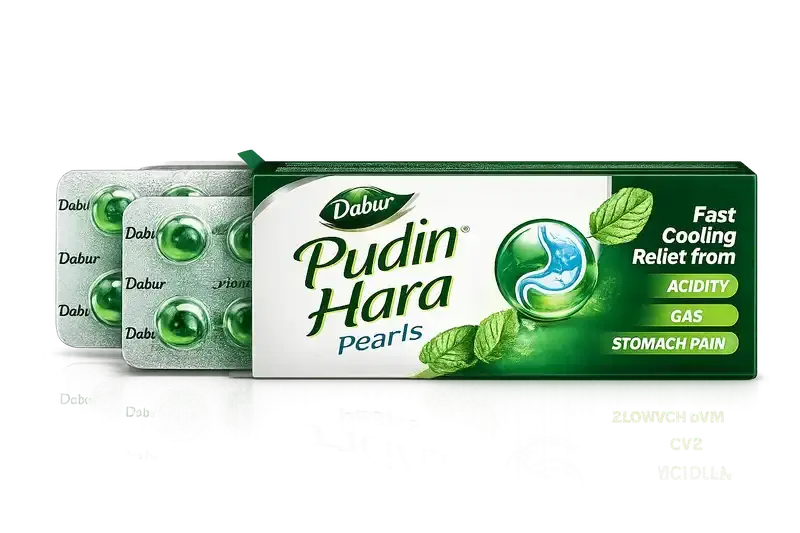
Dabur Pudin Hara Pearls are small, soft-gel capsules filled with concentrated peppermint oil, designed to provide fast relief from digestive discomfort. The name comes from Pudina (Sanskrit/Hindi for peppermint or mint) and Hara, meaning "one that removes or relieves." Together, the name translates roughly as "the remover of mint-related digestive troubles."
Pudina has been recognised in classical Ayurvedic texts such as Bhavaprakasha Nighantu (16th century) as a powerful dipana (digestive stimulant) and pachana (digestant) herb. It is listed under the group of aromatic digestive herbs that pacify Vata and Kapha doshas while gently balancing excess Pitta when used in appropriate doses.
Below is a quick reference summary of the product:
- Product type: Soft-gel pearl capsules (OTC Ayurvedic proprietary medicine)
- Primary herb: Peppermint oil (Mentha piperita)
- Dosha action: Primarily pacifies Vata and Kapha; mildly stimulates Pitta at low doses
- Common uses: Indigestion, bloating, flatulence, nausea, acidity, stomach cramps
- Prescription status: Over-the-counter (OTC); no prescription required
- Manufacturer: Dabur India Ltd., a GMP-certified Ayurvedic company
Key Ingredients in Dabur Pudin Hara Pearls
Dabur Pudin Hara Pearls have a straightforward, single-herb formulation centred on peppermint oil. The table below outlines the ingredient, its Ayurvedic role, and what research currently suggests.
| Ingredient | Botanical Name | Part Used | Ayurvedic Role | What Research Suggests |
|---|---|---|---|---|
| Peppermint Oil | Mentha piperita L. | Aerial parts (steam-distilled essential oil) | Dipana (kindles digestive fire), pachana (aids digestion), vatanulomana (promotes downward movement of Vata), shoolahara (relieves abdominal pain) | Enteric-coated peppermint oil has been shown in clinical trials to significantly reduce abdominal pain and symptoms of irritable bowel syndrome [1][2]. Key active compound is menthol, which relaxes intestinal smooth muscle via calcium channel antagonism [3]. |
| Excipients (soft-gel shell) | Gelatin / plant-based equivalent | Shell | Delivery vehicle; no therapeutic role | Standard pharmaceutical excipient; no independent therapeutic claims. |
How Do Dabur Pudin Hara Pearls Work?
The Ayurvedic Perspective
According to Ayurveda, most digestive complaints arise from a weakened Agni (digestive fire) and the accumulation of Ama (undigested metabolic waste) in the Annavaha srotas (digestive channels). Pudina's ushna virya (hot potency) and katu-tikta rasa (pungent-bitter taste) stimulate Jatharagni (the central digestive fire), helping to clear Ama and restore proper function of the Rasa dhatu (plasma tissue). Its vatanulomana action encourages the normal downward movement of Apana Vata, relieving trapped gas and bloating.
The Modern Scientific Perspective
The primary active compound in peppermint oil is menthol, which acts as a calcium channel blocker on smooth muscle cells lining the gastrointestinal tract, reducing spasms and cramping [3]. Menthol also activates transient receptor potential melastatin 8 (TRPM8) channels, producing a cooling sensation that may reduce visceral hypersensitivity and pain perception in the gut [1]. Additionally, peppermint oil has demonstrated antimicrobial and carminative (gas-relieving) properties in laboratory studies, though most robust clinical evidence relates to the single-herb peppermint oil and not a proprietary multi-excipient pearl formulation specifically [2].
Uses and Benefits of Dabur Pudin Hara Pearls
1. May Relieve Indigestion and Bloating
Dabur Pudin Hara Pearls are traditionally used for indigestion, heaviness after meals, and abdominal bloating. A systematic review published in Journal of Clinical Gastroenterology found peppermint oil significantly reduced global symptoms of functional dyspepsia [1]. The carminative action helps expel trapped intestinal gas, providing quick comfort after heavy or spicy meals.
2. May Support Relief from Abdominal Cramps
The antispasmodic properties of menthol make Pudin Hara Pearls a popular choice for stomach cramps. Clinical evidence from a meta-analysis supports peppermint oil's ability to reduce abdominal pain frequency in irritable bowel syndrome (IBS) patients [2]. This is attributed to menthol's smooth muscle-relaxing effect via calcium channel blockade [3].
3. May Help with Nausea
Pudina is traditionally used in Ayurveda to calm Chardi (nausea and vomiting), especially nausea linked to travel or overeating. A PMC-indexed study found that peppermint aromatherapy reduced postoperative nausea, suggesting a role for menthol in modulating the nausea reflex [4]. While Pudin Hara Pearls are taken orally rather than as aromatherapy, the systemic absorption of menthol may contribute a similar calming effect.
4. Traditionally Used for Flatulence and Gas
Excess gas or Adhmana (flatulence) is a key indication for Pudina in classical texts. The carminative properties of peppermint oil help relax the lower oesophageal sphincter transiently, allowing trapped gas to escape and reducing discomfort. This Pudin Hara Pearls benefit is one of the most commonly reported by Indian consumers seeking an OTC Ayurvedic digestive remedy.
5. May Provide Quick Relief from Acidity Symptoms
Pudin Hara Pearls are widely used for the burning discomfort associated with mild acidity. While peppermint oil itself can relax the lower oesophageal sphincter (which may worsen acid reflux in some individuals), the cooling menthol sensation may temporarily soothe oesophageal irritation [3]. People with diagnosed gastro-oesophageal reflux disease (GORD) should use this product with caution and consult a doctor first.
6. May Aid Appetite and Digestive Fire
In Ayurveda, Pudina is classified as a deepaniya herb — one that kindles Agni and stimulates appetite. Regular, appropriate use of peppermint oil has been associated with improved gastrointestinal motility in animal studies, though robust human evidence for appetite stimulation specifically remains limited [PMC search: peppermint oil gastric motility]. This benefit is therefore described here in its traditional Ayurvedic context.
7. May Offer Antimicrobial Support in the Gut
Laboratory (in vitro) studies have shown peppermint oil exhibits antimicrobial activity against common gut pathogens including Escherichia coli and Staphylococcus aureus [5]. These are cell-culture findings and have not yet been replicated in large-scale human clinical trials. This potential benefit requires further research before strong conclusions can be drawn.
Dosage and Directions for Dabur Pudin Hara Pearls
Always follow the label directions or your doctor's advice. The information below is for general guidance only.
| Parameter | Recommendation |
|---|---|
| Adult dose | 1–2 pearls per dose, up to 3 times daily (as per label; confirm with your physician) |
| When to take | After meals or at the onset of digestive discomfort |
| Anupana (vehicle) | Plain water (lukewarm preferred in Ayurveda to support Agni) |
| Duration | Short-term use (up to 2 weeks for acute complaints); consult a doctor for chronic conditions |
| Children (6–12 years) | Half the adult dose or as directed by a paediatrician; not recommended under 6 years |
| Elderly | Standard adult dose; monitor for any gastric sensitivity |
| Pregnancy & lactation | Not recommended without medical supervision (see Safety section) |
Important: Always follow the dosage printed on the product label or as directed by your Ayurvedic physician. Do not self-medicate for chronic or severe conditions.
Side Effects and Safety of Dabur Pudin Hara Pearls
Dabur Pudin Hara Pearls are generally well-tolerated at recommended doses. However, some individuals may experience the following:
- Heartburn or acid reflux: Peppermint oil relaxes the lower oesophageal sphincter and may worsen reflux symptoms in susceptible individuals [3].
- Perianal burning: High doses of enteric peppermint oil may cause a burning sensation during bowel movements.
- Allergic reactions: Rare; skin rash, itching or breathing difficulty if allergic to mint family plants (Lamiaceae).
- Headache or dizziness: Reported occasionally with high-dose peppermint oil use.
- Mouth or throat irritation: If pearls are chewed rather than swallowed whole.
Who should avoid or use with caution:
- Pregnant women: Peppermint oil in medicinal doses may stimulate uterine contractions; avoid without medical advice.
- Breastfeeding mothers: Menthol can pass into breast milk; consult a doctor before use.
- Infants and children under 6: Menthol can cause breathing difficulties in very young children; strictly avoid.
- People with GORD (acid reflux disease): Peppermint oil may worsen reflux; seek medical advice first.
- Gallstone patients: Peppermint oil may stimulate bile flow; use only under supervision.
- Drug interactions: Peppermint oil may inhibit CYP3A4 and CYP1A2 liver enzymes, potentially affecting the metabolism of certain medications including cyclosporine and some statins [PMC search: peppermint oil drug interaction CYP]. Inform your doctor about all medicines you take.
Diet and Lifestyle Tips While Using Dabur Pudin Hara Pearls
- Eat mindfully: Chew food slowly and thoroughly to support Agni and reduce the burden on your digestive system.
- Avoid cold water with meals: Drinking cold water during meals dampens Jatharagni according to Ayurveda; prefer warm or room-temperature water.
- Limit heavy, oily and processed foods: These increase Ama production; favour freshly cooked, light meals with digestive spices like cumin, coriander and fennel.
- Maintain regular meal timings: Eating at consistent times helps regulate Agni and prevents accumulation of digestive complaints.
- Practice light physical activity: A 15–20 minute walk after meals supports gastrointestinal motility and reduces bloating.
- Manage stress: Manasika Vata (mental stress) directly impairs digestion in Ayurvedic understanding; practices like pranayama and meditation may help reduce stress-related digestive symptoms.
Frequently Asked Questions About Dabur Pudin Hara Pearls
1. What are Dabur Pudin Hara Pearls used for?
Dabur Pudin Hara Pearls are primarily used for indigestion, bloating, flatulence, stomach cramps, nausea and mild acidity. They are a popular OTC Ayurvedic digestive remedy in India. The key ingredient, peppermint oil, has antispasmodic and carminative properties supported by clinical research [1][2].
2. How quickly do Pudin Hara Pearls work?
Most users report relief within 15–30 minutes of taking the pearls, as peppermint oil is rapidly absorbed in the gastrointestinal tract. The soft-gel format allows faster release compared to tablets. Individual results may vary depending on the severity of symptoms.
3. Can I take Pudin Hara Pearls on an empty stomach?
It is generally recommended to take them after meals or at the onset of discomfort. Taking peppermint oil on an empty stomach may increase the risk of heartburn in some people. Follow the label or consult your doctor for personalised advice.
4. Are Dabur Pudin Hara Pearls safe during pregnancy?
Pudin Hara Pearls are not recommended during pregnancy without medical supervision. Peppermint oil in medicinal doses may have uterine-stimulating effects. Always consult your gynaecologist or Ayurvedic physician before use.
5. Can children take Pudin Hara Pearls?
Children above 6 years may take half the adult dose under parental supervision or as directed by a paediatrician. The product must not be given to infants or children under 6 years, as menthol can cause respiratory distress in young children. Keep out of reach of children.
6. Do Pudin Hara Pearls have any side effects?
Side effects are uncommon at recommended doses but may include heartburn, perianal burning or, rarely, allergic reactions. People with GORD or gallstones should use with caution. Discontinue and consult a doctor if any adverse reaction occurs.
7. Can I take Pudin Hara Pearls with other medicines?
Peppermint oil may interact with certain medicines by affecting liver enzyme activity. Always inform your doctor or pharmacist about all medications, supplements and Ayurvedic products you are taking before starting Pudin Hara Pearls.
8. How long can I use Dabur Pudin Hara Pearls?
For acute digestive complaints, short-term use of up to 2 weeks is generally considered appropriate. For chronic or recurring digestive issues, consult an Ayurvedic physician for a comprehensive treatment plan. Prolonged self-medication is not advisable.
9. What is the difference between Pudin Hara liquid and Pudin Hara Pearls?
Pudin Hara liquid is a herbal suspension taken diluted in water, while Pudin Hara Pearls are concentrated peppermint oil in soft-gel capsules that are swallowed whole. The pearls offer a more convenient, mess-free and portable option. Both contain peppermint oil as the key active ingredient.
10. Where can I buy Dabur Pudin Hara Pearls online in India?
You can buy Dabur Pudin Hara Pearls conveniently through the Buy Now , which delivers verified Ayurvedic products safely to your doorstep. Always purchase from authorised retailers to ensure product authenticity and quality.
References
- Khanna R, MacDonald JK, Levesque BG. Peppermint oil for the treatment of irritable bowel syndrome: a systematic review and meta-analysis. J Clin Gastroenterol. 2014;48(6):505–512. PMC ID: PMC4729798
- Alammar N, Wang L, Saberi B, et al. The impact of peppermint oil on the irritable bowel syndrome: a meta-analysis of the pooled clinical data. BMC Complement Altern Med. 2019;19(1):21. PMC ID: PMC6337770
- Hawthorn M, Ferrante J, Luchowski E, Rutledge A, Wei XY, Triggle DJ. The actions of peppermint oil and menthol on calcium channel dependent processes in intestinal, neuronal and cardiac preparations. Aliment Pharmacol Ther. 1988;2(2):101–118. PMC search: menthol calcium channel intestinal smooth muscle
- Tate S. Peppermint oil: a treatment for postoperative nausea. J Adv Nurs. 1997;26(3):543–549. PMC search: peppermint oil postoperative nausea
- Iscan G, Kirimer N, Kurkcuoglu M, Baser KH, Demirci F. Antimicrobial screening of Mentha piperita essential oils. J Agric Food Chem. 2002;50(14):3943–3946. PMC search: Mentha piperita antimicrobial essential oil
- Bhavamishra. Bhavaprakasha Nighantu (Haritakyadi Varga, commentary by K.M. Nautiyal). Chaukhamba Bharati Academy, Varanasi; 2010.
- Government of India, Ministry of Health and Family Welfare. Ayurvedic Pharmacopoeia of India, Part I, Vol. IV. New Delhi: Government of India Press; 2004. (Pudina monograph)
Medical Disclaimer
This blog is intended for general informational and educational purposes only. It does not constitute medical advice, diagnosis or treatment. The information provided is not a substitute for consultation with a qualified Ayurvedic physician or registered medical practitioner. Always seek professional medical advice before starting, stopping or changing any treatment. The benefits described are based on traditional Ayurvedic use and available scientific research; individual results may vary. Do not use this product to replace prescribed medicines without consulting your doctor.
Download the Quikdu App today and get verified Ayurvedic products delivered safely to your doorstep.