

Dabur Podina Tablet: Uses, Benefits, Dosage & Side Effects – Try It Today
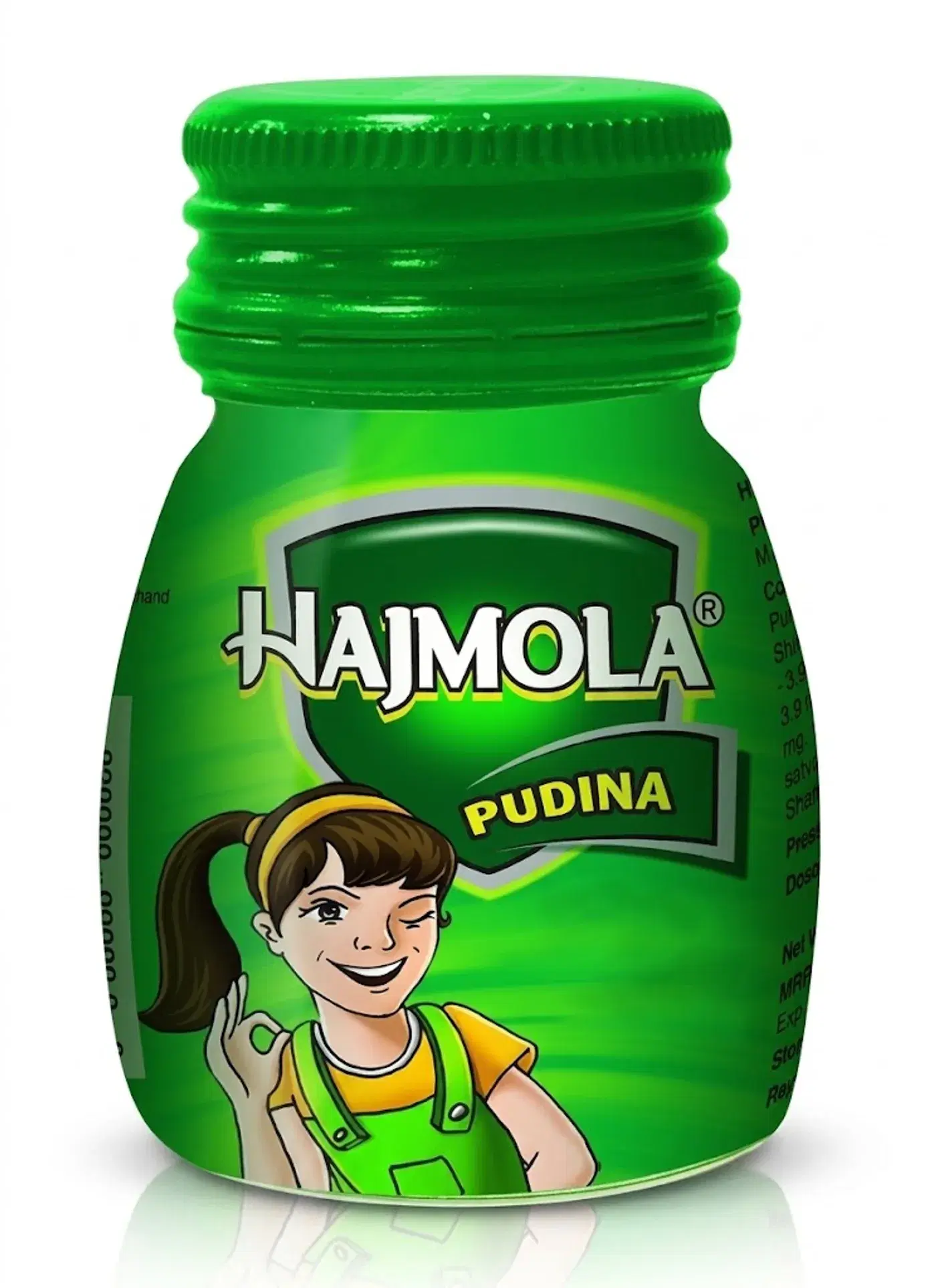
What is Dabur Podina Tablet? A Complete Overview
Dabur Podina Tablet is a classical Ayurvedic digestion-support supplement from one of India's most trusted herbal brands. The word Podina (also spelled Pudeena) means peppermint or spearmint in Sanskrit and Hindi, referring to the cooling, aromatic herb Mentha that forms the heart of this formulation. Classical Ayurvedic texts, including the Dravyaguna Vijnana (the science of medicinal substances), describe mint as deepana (appetiser), pachana (digestive), and rochana (improver of taste), making it a cornerstone herb for digestive wellness.
Dabur Podina Tablet combines mint with a synergistic blend of digestive herbs traditionally used to relieve bloating, gas, indigestion, and nausea. It is available as an over-the-counter (OTC) Ayurvedic health supplement, meaning no prescription is required for general use.
- Product type: Ayurvedic proprietary tablet
- Dosha action: Primarily balances Vata (air/space) and Pitta (fire/water) doshas; excessive use may aggravate Pitta
- Common uses: Indigestion, bloating, gas, nausea, loss of appetite, IBS-related discomfort
- Prescription status: Over-the-counter (OTC); consult a physician for chronic conditions
- Brand: Dabur India Ltd, a GMP-certified Ayurvedic manufacturer
Key Ingredients of Dabur Podina Tablet
The efficacy of any Ayurvedic formulation depends on its ingredient quality and combination. Below is a detailed look at the primary ingredients reported for Dabur Podina Tablet, their Ayurvedic roles, and what current research suggests.
| Ingredient | Botanical Name | Part Used | Ayurvedic Role | What Research Suggests [Ref] |
|---|---|---|---|---|
| Peppermint / Podina | Mentha piperita / Mentha spicata | Aerial parts, essential oil | Deepana (appetiser), pachana (digestive), shoolahara (anti-spasmodic) | Menthol relaxes smooth muscle of the GI tract and may reduce IBS symptoms [1] |
| Saunf (Fennel) | Foeniculum vulgare | Seeds | Vatanulomana (downward movement of Vata), carminative, anti-flatulent | Anethole in fennel shows antispasmodic and carminative activity in preclinical studies [2] |
| Ajwain (Carom) | Trachyspermum ammi | Seeds | Deepana, pachana, relieves ama (metabolic toxins) | Thymol, its active compound, shows antimicrobial and digestive enzyme-stimulating properties [3] |
| Saindhava Lavana (Rock Salt) | Mineral salt (Halite) | Crystal | Enhances agni (digestive fire), rochana (appetiser) | Used as an electrolyte; traditional support for digestive secretions [PMC search] |
| Shunthi (Dry Ginger) | Zingiber officinale | Rhizome | Dipana, pachana, vatakaphahara, anti-nausea | Gingerols and shogaols accelerate gastric emptying and reduce nausea in clinical trials [4] |
| Nimbu Satva (Lemon Extract) | Citrus limon | Fruit/peel | Improves taste, mild digestive stimulant | Citric acid and flavonoids show antioxidant activity; may support bile secretion [PMC search] |
Note: Exact ingredient proportions are proprietary to Dabur. The table reflects commonly listed components. Always read the product label.
How Does Dabur Podina Tablet Work?
The Ayurvedic View
According to Ayurveda, poor digestion begins with a weakened agni (digestive fire), which leads to the accumulation of ama (undigested metabolic waste) in the annavaha srotas (digestive channels). This ama disturbs Vata and Pitta doshas, causing symptoms like bloating, gas, nausea, and irregular bowel movements affecting the purishavaha srotas (excretory channels). Dabur Podina Tablet's herbs collectively act as deepana-pachana agents, rekindling agni, clearing ama, and restoring normal downward movement (anulomana) of Vata, thus addressing the root cause of digestive discomfort at the level of rasa dhatu (plasma/nutrient tissue) formation.
The Modern Scientific View
Modern pharmacology explains these benefits through specific bioactive compounds. Menthol from peppermint activates cold-sensitive receptors (TRPM8) and relaxes intestinal smooth muscle, reducing spasm and pain [1]. Gingerols from ginger accelerate gastric motility and inhibit serotonin receptors (5-HT3) responsible for nausea [4]. Thymol from ajwain inhibits pathogenic gut bacteria and stimulates digestive enzyme secretion [3]. It is important to note that most clinical evidence is derived from studies on individual ingredients; robust clinical trials on this specific multi-herb tablet formulation are limited, and further human studies are needed to confirm combined efficacy.
Uses and Benefits of Dabur Podina Tablet
1. May Support Relief from Indigestion and Bloating
Dabur Podina Tablet is traditionally used for ajirna (indigestion) and abdominal bloating. The carminative combination of peppermint, fennel, and ajwain helps expel trapped intestinal gas. A review published on PMC confirmed that peppermint oil significantly reduced abdominal symptoms including bloating in functional dyspepsia patients [1].
2. May Help Reduce Nausea
Shunthi (dry ginger) in this formulation has a well-documented history of reducing nausea across multiple clinical settings. A systematic review found ginger supplementation significantly reduced nausea and vomiting in pregnancy and chemotherapy-induced nausea [4]. The cooling aroma of peppermint also provides an additional anti-nausea effect via olfactory pathways.
3. Traditionally Used for Irritable Bowel Syndrome (IBS) Symptoms
Peppermint's antispasmodic action on gut smooth muscle makes Dabur Podina Tablet a popular choice for IBS-related cramping and discomfort. A meta-analysis of randomised controlled trials found peppermint oil superior to placebo in reducing global IBS symptoms [1]. Always consult a physician before using this tablet as a substitute for medically diagnosed IBS treatment.
4. May Stimulate Appetite and Improve Taste Perception
Loss of appetite (aruchi) is a common Ayurvedic complaint linked to low agni. Ajwain and saindhava lavana (rock salt) are classical deepana herbs that stimulate gastric secretions and improve taste sensitivity. Thymol, the key compound in ajwain, has been shown to stimulate salivary and gastric enzyme activity in preclinical studies [3].
5. May Provide Carminative (Anti-Gas) Relief
Saunf (fennel) seeds are among the oldest carminative remedies in both Ayurveda and European herbal medicine. The volatile oil component, trans-anethole, has demonstrated smooth muscle relaxant and carminative properties in laboratory studies [2]. Regular use of Podina Tablet after meals may help reduce post-meal flatulence and discomfort.
6. May Support Gut Microbiome Balance
Thymol from ajwain has shown significant antimicrobial activity against common gastrointestinal pathogens including E. coli and Salmonella in laboratory studies [3]. While these are in-vitro (lab-based) findings and not confirmed in large human trials, they suggest the formulation may help maintain a healthier gut environment when used as directed.
7. May Offer Mild Antioxidant Protection to the Digestive Tract
Several herbs in this tablet, including ginger and mint, contain polyphenolic antioxidants. Ginger's antioxidant compounds reduce oxidative stress in gastric mucosa in animal models [4]. This may translate to protective benefits for the gut lining, though direct clinical evidence in humans for this tablet specifically is yet to be established.
Dabur Podina Tablet Dosage and Directions
Always follow the label instructions or your Ayurvedic physician's guidance. The information below is for general reference only.
| Parameter | Recommendation |
|---|---|
| Adult Dose | 1–2 tablets, as directed on the pack (typically 2–4 tablets per day) |
| When to Take | After meals or as directed by physician; can be taken during episodes of acute indigestion |
| Anupana (vehicle) | Lukewarm water; may also be chewed directly for quick effect |
| Duration | Short-term use for acute episodes; long-term use only under supervision |
| Children (6–12 years) | Half adult dose or as advised by a paediatrician |
| Children under 6 years | Not recommended without physician guidance |
| Elderly | Standard adult dose; monitor for sensitivity to mint |
| Pregnancy / Lactation | Consult your doctor before use (see safety section) |
Always read the product label carefully and follow your doctor's or pharmacist's advice for the correct dose.
Side Effects and Safety of Dabur Podina Tablet
Dabur Podina Tablet is generally well tolerated when taken at the recommended dose. However, as with all herbal supplements, some individuals may experience mild adverse effects.
Possible Side Effects
- Heartburn or acid reflux – menthol can relax the lower oesophageal sphincter, worsening reflux in susceptible individuals [1]
- Mild allergic reactions (skin rash, itching) – particularly in people allergic to mint-family plants
- Abdominal warmth or mild burning sensation – more likely with higher doses of ajwain
- Mouth or skin irritation if tablets are broken and the menthol content is high
Who Should Avoid or Use with Caution
- Pregnancy: High-dose mint and ajwain have emmenagogue (uterine-stimulating) properties in traditional texts; use only under physician supervision
- Gastro-oesophageal reflux disease (GERD): Peppermint may worsen reflux symptoms; avoid or use under guidance
- Gallstones: Fennel and mint may stimulate bile flow; consult a physician
- Infants and toddlers (under 6 years): Menthol can cause respiratory distress in young children; do not use
- Lactation: Large amounts of mint may reduce milk supply; use cautiously
- Drug interactions: May theoretically enhance absorption of some medications; consult your doctor if you take prescription medicines regularly
General Precautions
Do not exceed the recommended dose. Store in a cool, dry place away from direct sunlight. Keep out of reach of children. If symptoms worsen or do not improve within 1–2 weeks, seek medical advice promptly.
Diet and Lifestyle Tips to Maximise Results
- Eat mindfully: Chew food slowly and avoid overeating; large meals overload agni and worsen bloating
- Avoid cold and heavy foods: Ice-cold drinks, fried food, and processed snacks suppress digestive fire; opt for warm, lightly spiced meals
- Stay hydrated: Drink 6–8 glasses of warm or room-temperature water daily; cold water is traditionally considered to dampen agni
- Practice regular meal timing: Eat at consistent times every day; irregular eating disturbs Vata and weakens digestion
- Light post-meal walk: A 10–15 minute gentle walk after meals supports gastric motility and reduces bloating
- Manage stress: Stress directly impairs gut function through the gut-brain axis; practices like pranayama (yogic breathing) and meditation support both mind and digestive health
Frequently Asked Questions (FAQs) About Dabur Podina Tablet
What is Dabur Podina Tablet used for?
Dabur Podina Tablet is primarily used as an Ayurvedic digestion support supplement. It is traditionally used for indigestion, bloating, gas, nausea, and loss of appetite. It may also help relieve mild abdominal cramps and discomfort after meals.
Is Dabur Podina Tablet safe to take daily?
For most healthy adults, short-term daily use at the recommended dose is considered safe. Long-term or high-dose use should be done under the guidance of an Ayurvedic physician. If you have any pre-existing conditions, always consult your doctor first.
Can I take Dabur Podina Tablet during pregnancy?
It is not recommended to self-medicate with Dabur Podina Tablet during pregnancy. High doses of mint and ajwain have traditional contraindications in pregnancy. Always consult your obstetrician or Ayurvedic physician before taking any supplement while pregnant.
How quickly does Dabur Podina Tablet work for indigestion?
Many users report relief from bloating and gas within 30–60 minutes of taking the tablet, especially if chewed directly. Results can vary depending on the severity of symptoms and individual digestive capacity. For chronic conditions, regular use over a few weeks may be needed.
Can children take Dabur Podina Tablet?
Children between 6 and 12 years may take half the adult dose under parental supervision and physician advice. The tablet is not suitable for children under 6 years because menthol can cause breathing difficulties in young children. Always check with your paediatrician before giving any Ayurvedic supplement to a child.
Does Dabur Podina Tablet have any drug interactions?
Currently, there are no widely documented severe drug interactions for this OTC tablet. However, the herbs in the formulation may theoretically affect the absorption or metabolism of certain prescription drugs. Inform your doctor or pharmacist about all supplements you are taking.
Can I take Dabur Podina Tablet for IBS?
Dabur Podina Tablet may provide symptomatic relief for IBS-related bloating and cramps, primarily due to peppermint's antispasmodic effects [1]. It is not a substitute for medically supervised IBS treatment. Consult a gastroenterologist for a comprehensive management plan.
Is Dabur Podina Tablet vegetarian or vegan?
Dabur Podina Tablet is an herbal-mineral formulation and does not contain any animal-derived ingredients based on product information. It is suitable for vegetarians. Check the product label to confirm vegan suitability regarding the tablet coating.
Where can I buy Dabur Podina Tablet online in India?
You can buy Dabur Podina Tablet conveniently and safely through the Quikdu App, which delivers verified Ayurvedic products to your doorstep across India. Visit the product page on Quikdu for pricing and offers.
What is the difference between Dabur Podina Tablet and antacids?
Dabur Podina Tablet is an Ayurvedic herbal formulation that works by improving digestive fire (agni) and reducing gas and spasm. Chemical antacids work by neutralising stomach acid directly and act faster for acid-related symptoms. Podina Tablet is better suited for functional digestive complaints like bloating and gas rather than acute hyperacidity.
References
- Khanna R, MacDonald JK, Levesque BG. Peppermint oil for the treatment of irritable bowel syndrome: a systematic review and meta-analysis. J Clin Gastroenterol. 2014;48(6):505–512. Available from: https://pmc.ncbi.nlm.nih.gov/articles/PMC4729798/
- Badgujar SB, Patel VV, Bandivdekar AH. Foeniculum vulgare Mill: A review of its botany, phytochemistry, pharmacology, contemporary application, and toxicology. Biomed Res Int. 2014;2014:842674. Available from: https://pmc.ncbi.nlm.nih.gov/articles/PMC4137549/
- Boskabady MH, Alitaneh S, Alavinezhad A. Carum copticum L.: A herbal medicine with various pharmacological effects. Biomed Res Int. 2014;2014:569087. Available from: https://pmc.ncbi.nlm.nih.gov/articles/PMC4096002/
- Lete I, Allué J. The effectiveness of ginger in the prevention of nausea and vomiting during pregnancy and chemotherapy. Integr Med Insights. 2016;11:11–17. Available from: https://pmc.ncbi.nlm.nih.gov/articles/PMC4818021/
Classical Sources:
- Sharma PV. Dravyaguna Vijnana, Vol. II. Varanasi: Chaukhamba Bharati Academy; 2001. (Descriptions of Pudeena, Shatapushpa, Ajamoda)
- Government of India. Ayurvedic Pharmacopoeia of India, Part I, Vol. I–V. New Delhi: Ministry of AYUSH; 2001. (Monographs on Mentha, Foeniculum vulgare, Trachyspermum ammi, Zingiber officinale)
- Government of India. Ayurvedic Formulary of India, Part I & II. New Delhi: Ministry of AYUSH; 2003.
Medical Disclaimer
This blog is written for educational and informational purposes only. It is not intended to be a substitute for professional medical advice, diagnosis, or treatment. Always seek the advice of a qualified physician, Ayurvedic practitioner, or other licensed healthcare professional before starting any new supplement, especially if you are pregnant, breastfeeding, have a chronic medical condition, or are taking prescription medications. The statements in this article have not been evaluated by the Food Safety and Standards Authority of India (FSSAI) or the Central Drugs Standard Control Organisation (CDSCO). Individual results may vary. Never disregard professional medical advice or delay seeking it because of something you have read in this article.
Download the Quikdu App today and get verified Ayurvedic products delivered safely to your doorstep.