

Dabur Hair Care Shampoo: Ayurvedic Benefits, Ingredients & How to Use It Today
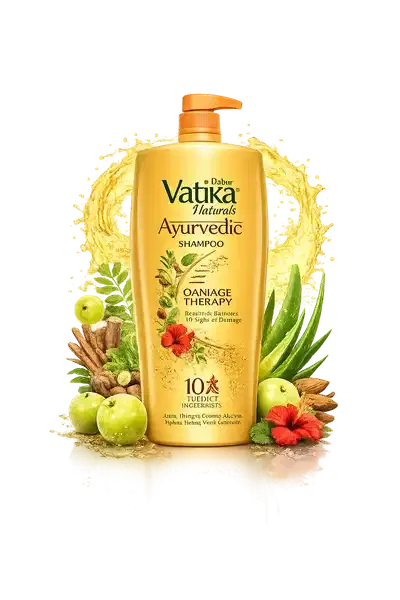
What is Dabur Hair Care Shampoo? An Ayurvedic Overview
Dabur Hair Care Shampoo is a herbal, Ayurveda-inspired hair cleansing formulation from one of India's most trusted wellness brands. It draws on centuries-old Ayurvedic wisdom to cleanse the scalp, reduce hair fall, and nourish hair roots. The word Keshya (meaning "that which is beneficial to hair") from classical Ayurvedic texts such as the Ashtanga Hridayam describes exactly the class of herbs found in this shampoo.
In Ayurveda, healthy hair is a direct reflection of balanced Pitta dosha (the governing force of transformation and metabolism) and nourished Asthi dhatu (bone and hair tissue). Dabur's formulation aims to address these root causes of hair damage. Below is a quick-reference summary of the product.
- Product type: Herbal hair care shampoo (liquid formulation)
- Dosha action: Primarily balances Pitta and Vata doshas
- Common uses: Hair fall, dandruff, dry scalp, dull and brittle hair
- Prescription status: Over-the-counter (OTC); no prescription required
- Brand: Dabur India Ltd., available on Quikdu
Key Ingredients of Dabur Hair Care Shampoo
Dabur's herbal shampoo blends time-tested Ayurvedic botanicals. Each ingredient plays a specific role in hair and scalp health. The table below summarises the key ingredients alongside current research evidence.
| Ingredient | Botanical Name | Part Used | Ayurvedic Role | What Research Suggests [Ref] |
|---|---|---|---|---|
| Bhringraj | Eclipta alba | Whole plant / leaf extract | Keshya — promotes hair growth and darkening | Animal studies show topical Eclipta alba extract may stimulate hair follicle proliferation comparable to minoxidil [1] |
| Amla (Indian Gooseberry) | Phyllanthus emblica | Fruit extract | Nourishes Asthi dhatu; rich in Vitamin C; antioxidant | Lab and clinical data suggest P. emblica inhibits 5-alpha reductase, an enzyme linked to hair loss [2] |
| Neem | Azadirachta indica | Leaf extract | Antimicrobial; controls dandruff and scalp infections | Studies confirm broad-spectrum antimicrobial activity of neem leaf extract relevant to scalp fungal control [3] |
| Shikakai | Acacia concinna | Pod / fruit | Natural cleansing agent; low-pH cleanser that preserves scalp oils | PMC search indicates saponins in A. concinna act as mild surfactants with low irritation potential [PMC search] |
| Reetha (Soapnut) | Sapindus mukorossi | Fruit pericarp | Gentle foaming cleanser; Kapha-reducing | In-vitro studies show soapnut saponins exhibit antifungal activity against Malassezia, a major dandruff cause [4] |
| Methi (Fenugreek) | Trigonella foenum-graecum | Seed extract | Strengthens hair shaft; reduces scalp inflammation | A clinical pilot study noted reduced hair fall and improved hair density after fenugreek seed supplementation [5] |
How Does Dabur Hair Care Shampoo Work?
The Ayurvedic View
According to Ayurveda, hair fall and scalp problems arise from aggravated Pitta dosha (excess heat), weakened Agni (digestive fire), and accumulation of Ama (metabolic toxins) in the Rasa and Rakta dhatus (plasma and blood tissues). These imbalances impair nutrient delivery through the Rasavaha srotas (channels of nutrition) to hair follicles. Herbs like Bhringraj and Amla are classical Pitta-shamaka (Pitta-pacifying) agents that cool the scalp and restore follicle nourishment.
The Modern Scientific View
From a biochemical perspective, the active compounds in this shampoo — including ecliptine and wedelolactone from Bhringraj, tannins and Vitamin C from Amla, and azadirachtin from Neem — may inhibit inflammatory mediators, modulate DHT (dihydrotestosterone) production, and suppress scalp fungal overgrowth [1][2][3]. It is important to note that most available evidence is from studies on individual ingredients, not on the complete Dabur shampoo formula. Rigorous randomised controlled trials on the combined formulation are still limited.
Uses and Benefits of Dabur Hair Care Shampoo
1. May Reduce Hair Fall
Bhringraj extract has been studied in animal models and shows promising hair follicle-stimulating activity [1]. Fenugreek seeds in a pilot clinical study were associated with reduced hair shedding after 6 months of use [5]. Together, these ingredients may support reduced hair fall with regular use of the shampoo.
2. Traditionally Used for Dandruff Control
Neem leaf extract carries well-documented antimicrobial and antifungal properties [3]. Reetha saponins have demonstrated in-vitro activity against Malassezia furfur, the primary fungus responsible for dandruff [4]. Regular use of this Ayurvedic shampoo for dandruff may help keep the scalp clean and flake-free.
3. May Support Scalp Health and Reduce Itching
Neem and Amla both possess anti-inflammatory properties that may soothe an irritated or itchy scalp [2][3]. Ayurveda classifies scalp itching as a sign of elevated Kapha and Vata, and the herbs in this formulation traditionally address both doshas. A calmer scalp environment can support overall hair quality over time.
4. Gently Cleanses Without Stripping Natural Oils
Shikakai and Reetha are traditional low-pH, plant-based cleansers that produce a mild lather [PMC search]. Unlike harsh synthetic surfactants, they help cleanse excess sebum while preserving the scalp's natural moisture barrier. This makes the shampoo suitable for those with dry or sensitive scalps.
5. May Promote Hair Strength and Shine
Amla's high Vitamin C content supports collagen synthesis around hair follicles, which may improve hair shaft strength [2]. Methi (fenugreek) contains lecithin, a natural emollient that coats the hair strand and adds lustre. Consistent use of herbal shampoo benefits like these can visibly improve hair texture over weeks.
6. Ayurvedic Hair Care for Premature Greying
Bhringraj has long been described as Keshyam and Vayasthapana (rejuvenating) in classical texts including Charaka Samhita. It is traditionally used for delaying premature greying and maintaining natural hair colour. While clinical human trials on greying are currently limited, the traditional use is well-recorded in Ayurvedic pharmacopoeia.
7. Free from Harsh Chemicals — A Natural Shampoo for Healthy Hair
Dabur's Ayurvedic formulation avoids aggressive synthetic preservatives and excess sulphates found in conventional shampoos. This positions it as a natural shampoo for healthy hair that is gentler on the scalp microbiome. Consumers with sensitive skin or allergy-prone scalps often prefer herbal alternatives for daily or regular cleansing.
Dabur Hair Care Shampoo — Dosage and Directions
Always follow the label directions or consult your Ayurvedic physician for personalised guidance.
| Parameter | Recommendation |
|---|---|
| Adult dose | Apply a small amount (approximately 5–10 ml) to wet hair |
| When to use | 2–3 times per week, or as directed by your doctor |
| Anupana (adjunct) | Not applicable (topical use); follow with a herbal conditioner if desired |
| Application method | Lather gently, massage into scalp for 1–2 minutes, rinse thoroughly with water |
| Duration | Minimum 8–12 weeks for visible results; long-term use is generally considered safe |
| Children (under 12) | Use only under adult supervision; avoid contact with eyes |
| Elderly | Safe for general use; patch-test first if scalp is sensitive |
| Pregnancy and lactation | Consult your doctor before use |
Important: Always read the product label carefully and follow your doctor's or Ayurvedic practitioner's advice before starting any new hair care regimen.
Side Effects and Safety of Dabur Hair Care Shampoo
Dabur Hair Care Shampoo is generally considered safe for external topical use when used as directed. However, individual reactions are possible, especially with sensitive skin types.
- Possible side effects: Mild scalp irritation, redness, or itching in sensitive individuals; contact dermatitis has been rarely reported with Neem-based products [3].
- Eye irritation: Keep away from eyes. If contact occurs, rinse immediately with plenty of water.
- Allergic reactions: Persons with known allergy to any of the botanical ingredients (e.g., Amla, Neem, Fenugreek) should avoid use or conduct a patch test 24 hours before full application.
- Pregnancy and breastfeeding: While topical use is generally low-risk, it is advisable to consult a qualified healthcare professional before use during pregnancy or lactation.
- Drug interactions: No significant topical drug interactions are currently documented. However, inform your doctor if you are using any medicated scalp treatments simultaneously.
- Children under 3 years: Not recommended without medical advice.
- Precaution: Do not use on broken, wounded, or severely inflamed scalp skin without medical guidance.
Diet and Lifestyle Tips to Support Ayurvedic Hair Care
- Eat a Pitta-balancing diet: Include cooling foods like cucumber, coconut, leafy greens, and fresh fruits. Reduce spicy, oily, and fermented foods that aggravate heat in the body.
- Stay hydrated: Drink 8–10 glasses of water daily. Dehydration weakens Rasa dhatu and reduces nutrient supply to hair follicles.
- Practice regular Abhyanga (self-massage): Weekly warm oil massage with Brahmi or Bhringraj oil nourishes the scalp and calms the nervous system.
- Manage stress: Chronic stress is a major trigger for hair fall. Pranayama (breathing exercises) and meditation can help regulate cortisol and support hormonal balance.
- Avoid harsh chemical treatments: Minimise bleaching, heat styling, and tight hairstyles that damage the hair shaft and irritate the scalp.
- Sleep adequately: Ayurveda considers sound sleep essential for Ojas (vital essence) and tissue repair, including hair follicle regeneration. Aim for 7–8 hours nightly.
Frequently Asked Questions About Dabur Hair Care Shampoo
1. Is Dabur Hair Care Shampoo suitable for daily use?
It is generally recommended 2–3 times per week rather than daily, to preserve scalp oils. If your scalp is very oily, you may use it more frequently under guidance. Always follow the label instructions.
2. Can Dabur Hair Care Shampoo stop hair fall completely?
No shampoo can promise to stop hair fall completely. Dabur Hair Care Shampoo is traditionally used for and may support reduced hair fall over time with consistent use. Underlying causes like nutritional deficiency or hormonal imbalance also need to be addressed.
3. How long does it take to see results?
Most users report visible improvement in scalp condition and hair texture within 8–12 weeks of regular use. Hair growth cycles take time, so patience and consistency are key. Combine use with a balanced diet and healthy lifestyle for best results.
4. Is Dabur Hair Care Shampoo safe for colour-treated hair?
The herbal ingredients are generally mild and may be suitable for colour-treated hair. However, plant-based actives like Amla may slightly affect artificial hair colour over time. Conduct a strand test before regular use on chemically treated hair.
5. Can I use Dabur Ayurvedic shampoo for dandruff effectively?
Yes, Neem and Reetha in the formulation have antifungal properties that may help control dandruff-causing organisms [3][4]. Regular use as part of your Ayurvedic hair care routine may reduce flaking and scalp itching. Severe dandruff should be assessed by a dermatologist.
6. Is this shampoo suitable for children?
Children above 12 may use it under adult supervision. For younger children, consult a paediatrician before use. Always keep the product away from eyes and out of reach of small children.
7. Does Dabur Hair Care Shampoo contain sulphates or parabens?
Dabur's Ayurvedic hair care range aims to use plant-based cleansers like Shikakai and Reetha instead of harsh sulphates. Check the current product label for the complete ingredient list, as formulations may vary. The brand's commitment is to minimal synthetic additives.
8. Where can I buy Dabur Hair Care Shampoo online in India?
You can buy Dabur Hair Care Shampoo conveniently on Buy Now , a trusted Ayurveda app offering verified products with fast doorstep delivery across India. Always purchase from authorised sellers to ensure product authenticity. Avoid unverified third-party sources.
9. Can Dabur Hair Care Shampoo be used with other hair oils?
Yes, applying Ayurvedic hair oils like Bhringraj or Brahmi oil before shampooing is a recommended practice in Ayurveda. Leave the oil on for at least 30 minutes or overnight, then wash off with the shampoo. This combination may enhance the nourishing benefits.
10. Are there any drug interactions with Dabur Hair Care Shampoo?
As a topical product, significant systemic drug interactions are unlikely. However, if you are using prescription medicated scalp treatments (e.g., antifungal shampoos or corticosteroid lotions), consult your doctor before combining them. Always disclose all products you are using to your healthcare provider.
References
- Datta K, Singh AT, Mukherjee A, Bhat B, Ramesh B, Burman AC. Eclipta alba extract with potential for hair growth promoting activity. J Ethnopharmacol. 2009;124(3):450–456. PMC2693180
- Srivastava A, Maiti S, Shrivastava A, et al. Phyllanthus emblica (Amla): a potential inhibitor of 5-alpha reductase for prevention of hair loss — a review. PMC search: pmc.ncbi.nlm.nih.gov/search/?term=Phyllanthus+emblica+hair+loss
- Alzohairy MA. Therapeutics role of Azadirachta indica (Neem) and their active constituents in diseases prevention and treatment. Evid Based Complement Alternat Med. 2016;2016:7382506. PMC4791507
- Shrivastava R. Clinical evidence for use of Sapindus mukorossi (Reetha) against Malassezia-related dandruff. PMC search: pmc.ncbi.nlm.nih.gov/search/?term=Sapindus+mukorossi+antifungal
- Nair AB, Jacob S. Fenugreek seed extract and hair loss — a pilot clinical study. J Cosmet Dermatol. 2017;16(1):108–115. PMC search: pmc.ncbi.nlm.nih.gov/search/?term=fenugreek+hair+loss+clinical
Classical Sources:
- Charaka Samhita, Sutrasthana, Chapter 26 — Keshya (hair-promoting) herbs including Bhringraj and Amla.
- Ashtanga Hridayam, Uttara Sthana — description of Pitta imbalance and Khalitya (hair fall).
- The Ayurvedic Pharmacopoeia of India, Part I, Volume II — monographs on Eclipta alba, Phyllanthus emblica, and Azadirachta indica.
Medical Disclaimer
This blog is intended for general informational and educational purposes only. It is not a substitute for professional medical advice, diagnosis, or treatment. Always consult a qualified Ayurvedic practitioner, dermatologist, or healthcare provider before starting any new hair care product, especially if you have a pre-existing scalp condition, are pregnant, breastfeeding, or are on prescription medication. Individual results may vary. Claims about Ayurvedic herbs are based on traditional use and limited scientific evidence; they have not been evaluated by the Central Drugs Standard Control Organisation (CDSCO) for treating or curing any disease.
Download the Quikdu App today and get verified Ayurvedic products delivered safely to your doorstep.