

Baidyanath Shatavari Granules: Benefits, Dosage & Side Effects – Buy Now on Quikdu
What Are Baidyanath Shatavari Granules? An Ayurvedic Overview
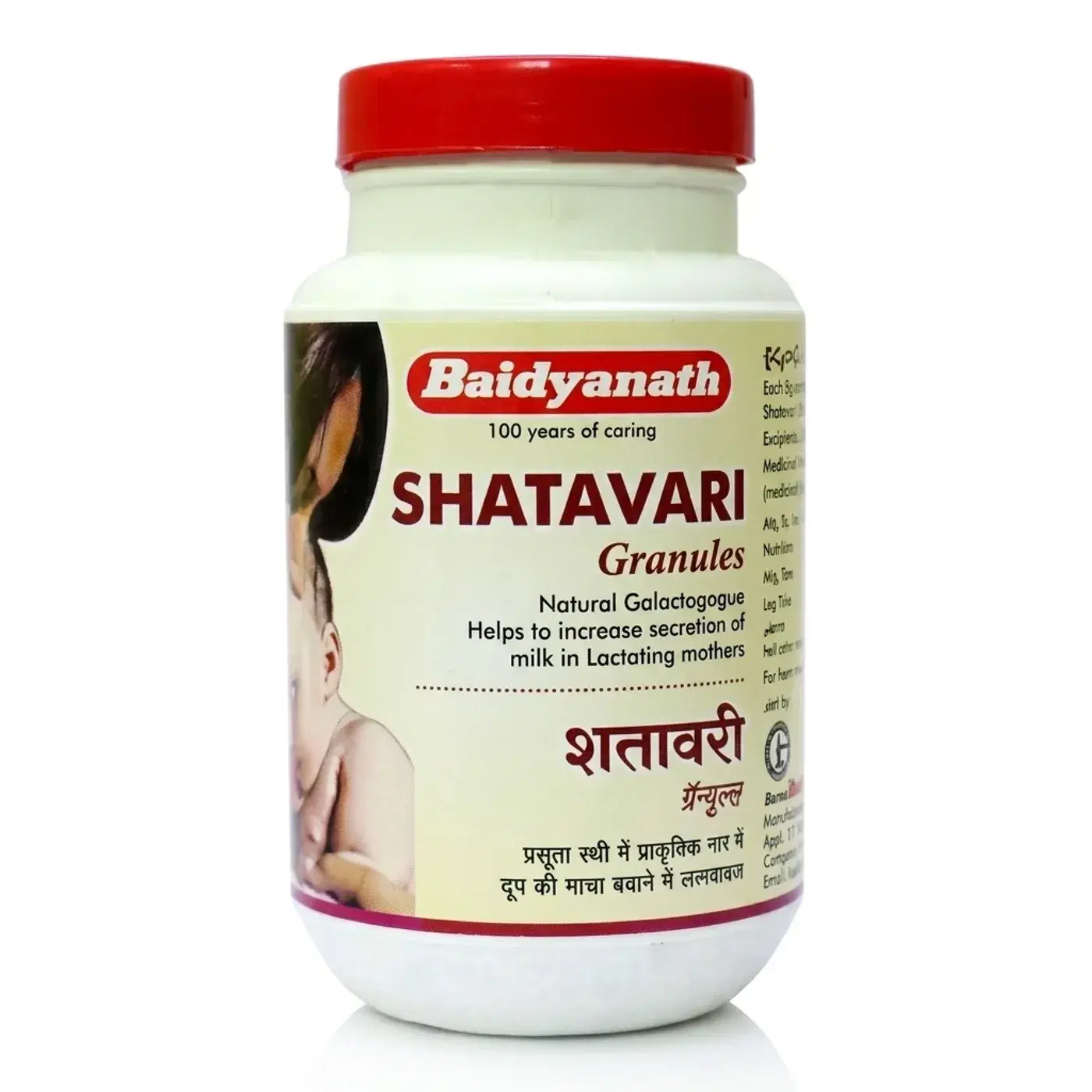
Baidyanath Shatavari Granules is a classical Ayurvedic formulation built around Shatavari (meaning "she who possesses a hundred husbands" or "one who is acceptable to many"), the root of Asparagus racemosus. This herb has been described in the Charaka Samhita and the Ashtanga Hridayam as the foremost rasayana (rejuvenative tonic) for women. Baidyanath, one of India's oldest Ayurvedic brands, presents it in a convenient granule form that dissolves easily in milk or water.
- Product type: Ayurvedic granules (sugar-based, oral)
- Dosha action: Primarily Pittashamaka (pacifies Pitta dosha) and Vatanulomana (regulates Vata)
- Common uses: Women's reproductive health, lactation support, hormonal balance, digestive comfort and general vitality
- Prescription status: Over-the-counter (OTC) Ayurvedic product; consult a physician for chronic conditions
Key Ingredients of Baidyanath Shatavari Granules
| Ingredient | Botanical / Sanskrit Name | Part Used | Ayurvedic Role | What Research Suggests [Ref] |
|---|---|---|---|---|
| Shatavari | Asparagus racemosus | Root tuber | Rasayana, Stanyajanana (galactagogue), Pittashamaka | May support lactation and contains steroidal saponins with adaptogenic properties [1, 2] |
| Sugar (Mishri / Khand) | Saccharum officinarum | Crystallised juice | Anupana (vehicle), palatability, mild Sheeta (cooling) quality | Acts as a carrier and preservative in classical granule preparations [3] |
| Cardamom | Elettaria cardamomum | Seeds | Dipana (kindles digestive fire), Aruchihara (corrects taste) | Lab studies suggest carminative and anti-inflammatory activity [4] |
Note: The exact excipient composition may vary by batch. Always check the product label for the current ingredient list.
How Do Baidyanath Shatavari Granules Work?
The Ayurvedic View
Shatavari acts on the Shukra and Artava dhatus (reproductive tissues) and the Rasavaha srotas (nutritive channels). Its Madhura (sweet) and Tikta (bitter) tastes pacify excess Pitta and nourish Ojas (vital essence), which Ayurveda links to immunity and reproductive strength. The formulation also kindles Agni (digestive fire) gently and helps clear Ama (metabolic waste) from the system.
The Modern Scientific View
Asparagus racemosus roots contain steroidal saponins called shatavarins (especially shatavarin I–IV), along with isoflavones, alkaloids and polysaccharides. Animal and in-vitro studies suggest these compounds may mimic oestrogen-like activity, stimulate prolactin release and exert adaptogenic effects by modulating the HPA axis [1, 2]. Most human clinical trials are small; evidence for the full granule formula is limited, so claims are based largely on single-ingredient research and classical texts.
Uses and Benefits of Baidyanath Shatavari Granules
1. May Support Lactation in Nursing Mothers
Shatavari is classified as a Stanyajanana herb in classical texts, meaning it traditionally promotes breast-milk production. A randomised controlled trial published in PMC found that Asparagus racemosus supplementation significantly increased prolactin levels and milk output in nursing mothers compared with placebo [1]. These findings support its long-standing traditional use, though larger trials are still needed.
2. May Help Balance Female Hormones
Shatavarins in Asparagus racemosus have shown phyto-oestrogenic activity in animal studies, suggesting they may help regulate the menstrual cycle and ease hormonal fluctuations [2]. This may make Baidyanath Shatavari Granules a useful adjunct for women experiencing irregular periods or perimenopausal discomfort. Always consult your gynaecologist before using it for hormonal concerns.
3. Traditionally Used for Reproductive Health
Classical texts such as Charaka Samhita Chikitsa Sthana recommend Shatavari to nourish the female reproductive system and prepare the uterus for conception. Modern researchers have noted that its antioxidant and anti-inflammatory properties may protect reproductive tissues from oxidative stress [2]. Baidyanath Shatavari Granules may therefore support women's reproductive well-being as part of a holistic lifestyle.
4. May Offer Adaptogenic and Anti-Stress Support
Adaptogens help the body cope with physical and mental stress. A PMC-indexed review noted that Asparagus racemosus extracts reduced stress-induced changes in neurotransmitter levels and corticosterone in animal models, suggesting adaptogenic potential [2]. While human evidence is still emerging, this property aligns with the Ayurvedic concept of Shatavari building Ojas and resilience.
5. May Aid Digestive Comfort
Shatavari is described in Ayurveda as Deepana (appetiser) and Pachana (digestive) in appropriate doses. Its mucilaginous polysaccharides may coat and soothe the gastric mucosa, potentially easing acid-related discomfort [PMC search: Asparagus racemosus gastroprotective]. The cardamom added to the granules further supports digestive comfort by relieving bloating and flatulence [4].
6. May Support Immunity and General Vitality
As a classical Rasayana, Shatavari is traditionally used to build stamina, improve nutritional status and strengthen immunity. In-vitro studies have demonstrated immunomodulatory effects of its polysaccharide fractions, including activation of macrophages [PMC search: Asparagus racemosus immunomodulatory]. These are preliminary cell-based findings; human clinical confirmation is still awaited.
7. Traditionally Used to Ease Menopausal Symptoms
The phyto-oestrogenic activity of Asparagus racemosus has led Ayurvedic practitioners to recommend it for perimenopausal and menopausal women experiencing hot flushes, dryness and mood changes. Pilot clinical work referenced in PMC suggests potential benefit for menopausal symptom scores, though study sizes are small [2]. Shatavari granules may serve as a complementary support alongside conventional menopausal care.
Dosage and Directions for Baidyanath Shatavari Granules
| Parameter | Recommendation |
|---|---|
| Adult dose | 10–20 g (approximately 1–2 teaspoons) per serving |
| Frequency | Once or twice daily, as directed by a physician |
| When to take | Preferably in the morning and/or evening, before or after meals |
| Anupana (vehicle) | Warm cow's milk is the classical vehicle; warm water is an alternative |
| Duration | 3–6 months or as advised by an Ayurvedic physician |
| Children | Not recommended without a physician's advice |
| Pregnancy | Use only under medical supervision (see safety section) |
| Lactating women | Traditionally considered safe for lactation support; still consult your doctor |
Always follow the dosage printed on the product label or the advice of your qualified Ayurvedic practitioner.
Side Effects and Safety of Baidyanath Shatavari Granules
Possible Side Effects
Asparagus racemosus is generally well tolerated at recommended doses. Some individuals may experience mild bloating, loose stools or a feeling of heaviness, especially when starting the supplement or exceeding the recommended dose. High sugar content in the granule base may be a concern for people managing blood sugar levels.
Who Should Avoid or Use Only Under Supervision
- Pregnancy: Classical texts consider Shatavari beneficial during pregnancy; however, its phyto-oestrogenic activity warrants medical supervision before use [2].
- Oestrogen-sensitive conditions: Women with oestrogen-receptor-positive breast cancer, uterine fibroids or endometriosis should consult an oncologist or gynaecologist before use.
- Diabetes: The sugar base may raise blood glucose; people with diabetes should monitor levels closely and seek medical advice.
- Known asparagus allergy: Avoid if you are allergic to asparagus or other Liliaceae-family plants.
- Kidney disease: Excess Shatavari may increase urinary oxalate load; use with caution in people with a history of kidney stones.
- Drug interactions: Theoretical interactions may exist with diuretics and hormone therapies; inform your doctor of all supplements you are taking.
Diet and Lifestyle Tips While Taking Baidyanath Shatavari Granules
- Favour a Pittashamaka diet: Include cooling, nourishing foods such as milk, ghee, sweet fruits, leafy greens and whole grains to complement the herb's action.
- Limit spicy and processed foods: Excess heat and preservatives can aggravate Pitta and counteract the benefits of Shatavari.
- Stay well hydrated: Drink 8–10 glasses of water daily to support the herb's detoxifying and tissue-nourishing effects.
- Practice gentle yoga and pranayama: Poses such as Baddha Konasana and Nadi Shodhana breathing support reproductive health and stress reduction.
- Maintain regular sleep: Adequate, consistent sleep strengthens Ojas and amplifies the rasayana effect of Shatavari.
- Avoid self-medication for complex conditions: For PCOS, infertility or perimenopausal symptoms, use this supplement as part of a personalised Ayurvedic plan under expert guidance.
Frequently Asked Questions About Baidyanath Shatavari Granules
What are Baidyanath Shatavari Granules used for?
Baidyanath Shatavari Granules are traditionally used to support women's reproductive health, lactation, hormonal balance and general vitality. They may also aid digestion and help the body cope with stress. They are one of the most trusted Ayurvedic women's care supplements available over the counter in India.
How should I take Shatavari granules?
The standard adult dose is 10–20 g (1–2 teaspoons) dissolved in warm milk, once or twice daily. Taking them in the morning and evening before or after meals is the classical recommendation. Always follow the product label or your Ayurvedic doctor's advice for your specific needs.
Can Shatavari granules increase breast milk?
Yes, Shatavari is a classical Stanyajanana (galactagogue) herb and a randomised trial found it may increase prolactin and milk output in nursing mothers [1]. However, consult your doctor before adding any supplement during lactation. Do not use it as a substitute for professional lactation support.
Are Baidyanath Shatavari Granules safe during pregnancy?
Shatavari is used in traditional Ayurveda during pregnancy to nourish the mother. However, because of its phyto-oestrogenic properties, it should only be taken under the direct supervision of a qualified physician during pregnancy. Do not self-medicate.
Can men take Shatavari granules?
Yes, Shatavari is a general Rasayana and Ayurveda recommends it for both men and women as a vitality tonic. For men, it may support stamina, immunity and digestive health. However, Baidyanath Shatavari Granules are primarily formulated and marketed as a women's health supplement.
How long does it take for Shatavari granules to work?
Ayurvedic tonics typically require consistent use over 3–6 months before significant benefits are noticed, as they work gradually to nourish deeper tissues (dhatus). Individual response may vary depending on diet, lifestyle and the severity of the condition. Track your progress and review with your doctor at regular intervals.
Do Shatavari granules help with PCOS?
Some Ayurvedic practitioners recommend Shatavari for PCOS because of its possible hormone-modulating and anti-androgen-like effects observed in animal studies [2]. However, there are no large-scale human clinical trials specifically on Shatavari for PCOS at this time. Always consult a gynaecologist or Ayurvedic physician for a personalised PCOS management plan.
What are the side effects of Shatavari granules?
Side effects are uncommon at recommended doses but may include mild bloating, loose stools or digestive heaviness. The sugar-based granule carrier may affect blood glucose, so people with diabetes must be cautious. Those allergic to asparagus should avoid the product entirely.
Is there a difference between Shatavari powder and Shatavari granules?
Shatavari powder is the raw herb powder, while granules are a processed, sweetened form combined with cardamom and sugar for palatability and better absorption as a classical Avaleha or granule preparation. Granules dissolve easily in milk and are generally more convenient to use. The granule base also acts as an Anupana, potentially enhancing bioavailability.
Where can I buy authentic Baidyanath Shatavari Granules in India?
You can buy authentic Baidyanath Shatavari Granules on the Quikdu app, which lists verified Ayurvedic products from trusted brands and delivers them directly to your doorstep. Buying from a verified platform ensures product authenticity and proper storage. Download the Quikdu app today for a safe, convenient purchase.
References
- Sharma S, Ramji S, Kumari S, Bapna JS. Randomized controlled trial of Asparagus racemosus (Shatavari) as a lactogogue in lactational inadequacy. Indian Pediatrics. 1996;33(8):675–677. PMC search: https://pmc.ncbi.nlm.nih.gov/search/?term=Asparagus+racemosus+lactogogue+randomized
- Alok S, Jain SK, Verma A, Kumar M, Mahor A, Sabharwal M. Plant profile, phytochemistry and pharmacology of Asparagus racemosus (Shatavari): A review. Asian Pacific Journal of Tropical Disease. 2013;3(3):242–251. Available via PMC search: https://pmc.ncbi.nlm.nih.gov/search/?term=Asparagus+racemosus+phytochemistry+pharmacology+review
- Ayurvedic Pharmacopoeia of India. Part I, Volume I. Government of India, Ministry of Health and Family Welfare; 2001. [Classical reference for granule/Avaleha preparations and Mishri as anupana.]
- Agnihotri S, Wakode S. Antimicrobial activity of essential oil and various extracts of fruits of greater cardamom. Indian Journal of Pharmaceutical Sciences. 2010;72(5):657–659. PMC search: https://pmc.ncbi.nlm.nih.gov/search/?term=Elettaria+cardamomum+anti-inflammatory+carminative
- Charaka Samhita, Chikitsa Sthana, Chapter 1. Verse 38–41. [Classical Ayurvedic reference describing Shatavari as a Rasayana for women.] Varanasi: Chaukhambha Sanskrit Pratishthan.
- Ashtanga Hridayam, Sutrasthana, Chapter 6. [Classical reference on Shatavari's Pittashamaka and Stanyajanana properties.] Varanasi: Krishnadas Academy.
Medical Disclaimer
This blog is for educational and informational purposes only. It is not intended to diagnose, treat, cure or prevent any disease or medical condition. The information provided is based on traditional Ayurvedic texts and available scientific research, which may be preliminary, animal-based or from small human studies. Always consult a qualified Ayurvedic practitioner, gynaecologist or healthcare provider before starting any new supplement, especially if you are pregnant, breastfeeding, have a chronic illness or are taking prescription medications. Do not discontinue any prescribed treatment without medical advice.
Download the Quikdu App today and get verified Ayurvedic products delivered safely to your doorstep.