

Baidyanath Panchasakar Churna: Uses, Benefits, Dosage & Side Effects – Order Now on Quikdu
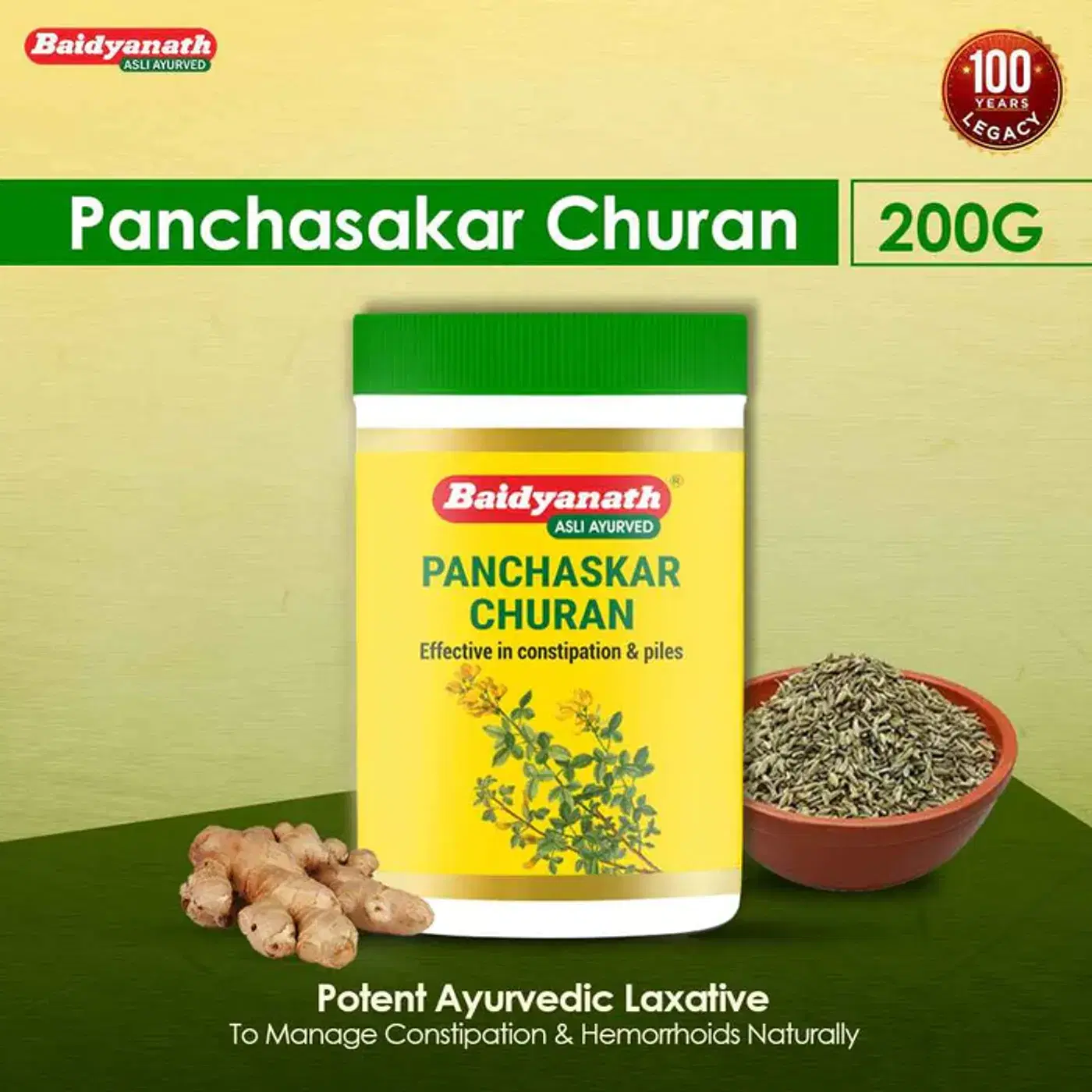
What is Baidyanath Panchasakar Churna?
Baidyanath Panchasakar Churna is a classical Ayurvedic powder formulation used primarily to support digestive health. The name comes from Sanskrit: pancha (five) and sakara (helpful agents), meaning "a blend of five beneficial ingredients." It is one of the most widely recommended churnas (herbal powder preparations) in traditional Vaidya practice across India.
The formula is referenced in the Sharangadhara Samhita, a classical Ayurvedic text from the 14th century, which describes compound powder preparations for koshtha vikara (disorders of the digestive tract) [Classical Source 1]. Baidyanath, one of India’s most trusted Ayurvedic brands, manufactures this formulation following the Ayurvedic Formulary of India guidelines.
- Product type: Herbal churna (powder)
- Dosha action: Primarily pacifies Vata and Pitta doshas
- Common uses: Constipation, bloating, abdominal discomfort, sluggish digestion
- Prescription status: Over-the-counter (OTC); consult a physician for chronic conditions or prolonged use
Key Ingredients of Baidyanath Panchasakar Churna
This Ayurvedic churna for digestive health derives its action from five core ingredients, each playing a distinct therapeutic role.
| Ingredient | Botanical Name | Part Used | Ayurvedic Role | What Research Suggests [Ref] |
|---|---|---|---|---|
| Senna (Swarnapatri) | Cassia angustifolia | Leaf / Pod | Stimulates anulomana (downward movement of Vata); relieves vibandha (constipation) | Sennosides A and B act as contact laxatives by stimulating colonic peristalsis [1] |
| Haritaki | Terminalia chebula | Fruit rind | Tridoshahara (balances all three doshas); promotes agni (digestive fire) | In vitro and animal studies suggest antioxidant and mild laxative properties [2] |
| Saindhava Lavana | Rock salt (NaCl with trace minerals) | Mineral | Enhances pachana (digestion); reduces ama (metabolic toxins) | Electrolyte support; traditional use supported by Ayurvedic Pharmacopoeia [Classical Source 2] |
| Sunthi (Shunthi) | Zingiber officinale | Dried rhizome | Deepana-pachana (appetiser and digestive); reduces aama vata | Gingerols and shogaols shown to accelerate gastric emptying and reduce nausea in human trials [3] |
| Trivrit (Nishoth) | Operculina turpethum | Root bark | Potent virechana (purgative) herb; clears Pitta accumulation from the gut | Turpethin resin studied for purgative action; primarily traditional and animal evidence [PMC search: https://pmc.ncbi.nlm.nih.gov/search/?term=Operculina+turpethum+laxative] |
How Does Baidyanath Panchasakar Churna Work?
Ayurvedic View
According to Ayurveda, most digestive problems arise from impaired agni (digestive fire) and the accumulation of ama (undigested metabolic waste) in the purishavaha srotas (channels of the large intestine). This leads to vibandha (constipation), adhmana (bloating) and general sluggishness. Baidyanath Panchasakar Churna works through deepana (kindling agni), pachana (digesting ama) and anulomana (restoring the downward movement of Vata through the colon), thereby cleansing the koshtha (gut) and lightening the mahasrotas.
Modern Pharmacological View
The active compounds in this formulation work through complementary mechanisms. Sennosides from Senna stimulate the myenteric nerve plexus, increasing colonic motility [1]. Gingerols from Sunthi modulate serotonin receptors and promote gastric emptying [3]. Haritaki’s tannins and chebulic acid may soften stool and support gut mucosal integrity [2]. It is important to note that most studies have examined individual ingredients; robust clinical trials on the complete Panchasakar Churna formula are limited, and evidence for the full formula relies largely on traditional use and classical texts.
Uses and Benefits of Baidyanath Panchasakar Churna
1. May Relieve Constipation
Baidyanath Panchasakar Churna is one of the most traditionally used Ayurvedic churnas for constipation relief. The combination of Senna and Trivrit provides both stimulant and bulk-type laxative effects. Sennosides have been reviewed in multiple studies as effective contact laxatives for occasional constipation [1].
2. May Support Healthy Digestion and Appetite
Sunthi (dry ginger) in this formulation is well studied for its deepana action, meaning it kindles the digestive fire. Human clinical trials have shown ginger accelerates gastric motility and reduces the sensation of fullness after meals [3]. Regular use of this Ayurvedic churna for digestive health may thus help those with sluggish digestion or poor appetite.
3. May Reduce Bloating and Flatulence
The vata-anulomana action of this churna helps expel trapped gas from the intestines, traditionally reducing adhmana (bloating) and atopa (gurgling and flatulence). Ginger has also shown carminative properties in pharmacological reviews [3]. This makes Panchasakar Churna useful for those experiencing post-meal abdominal discomfort.
4. May Aid in Detoxification and Cleansing
In Ayurveda, periodic virechana (purgation) is considered essential to clear accumulated Pitta and ama from the body. Trivrit is the classical herb of choice for this purpose and is referenced in the Charaka Samhita as the best virechana dravya (purgative substance) [Classical Source 3]. Gentle periodic use of this churna may support the body’s natural detoxification processes.
5. May Ease Abdominal Pain Associated with Constipation
Trapped stool and gas are common causes of crampy abdominal pain. By restoring normal bowel movement, this formulation traditionally helps ease the discomfort. Saindhava Lavana (rock salt) adds a mild antispasmodic quality that may soothe intestinal cramping, as described in the Ayurvedic Formulary of India [Classical Source 2].
6. May Support Management of Haemorrhoids (Piles) Related to Constipation
Straining during defecation is a primary aggravating factor in haemorrhoids. Softening the stool and promoting regular bowel movements with Panchasakar Churna may help reduce this straining. A PMC-indexed review on Ayurvedic management of haemorrhoids highlights the role of virechana herbs in reducing symptoms associated with constipation-driven piles [PMC search: https://pmc.ncbi.nlm.nih.gov/search/?term=Ayurveda+hemorrhoids+virechana].
7. May Help Manage IBS-C (Constipation-Predominant Irritable Bowel Syndrome)
Short-term use of this churna may provide symptomatic relief in people with constipation-predominant IBS. Haritaki has been studied for its modulatory effect on gut flora and intestinal motility in animal models [2]. Clinical use should be under a qualified Ayurvedic physician’s supervision for this indication.
Dosage and Directions for Baidyanath Panchasakar Churna
Always follow the label instructions or your doctor’s advice before starting any Ayurvedic medicine.
| Parameter | Recommendation |
|---|---|
| Adult dose | 3–6 g (approximately 1–2 teaspoons) once daily, or as directed by a physician |
| When to take | At bedtime for best results |
| Anupana (vehicle) | Warm water or warm milk |
| Duration | Short-term use (up to 2–4 weeks); prolonged use only under medical supervision |
| Children (6–12 years) | Half the adult dose; consult a paediatrician or Ayurvedic physician first |
| Elderly | Start with a lower dose (1.5–3 g); monitor bowel response |
| Pregnancy / Lactation | Not recommended; see safety section |
Side Effects and Safety of Baidyanath Panchasakar Churna
Possible Side Effects
When used at recommended doses for short periods, Baidyanath Panchasakar Churna is generally well tolerated. However, some individuals may experience loose stools, griping abdominal pain, or diarrhoea if the dose is too high. Prolonged or excessive use of Senna-containing preparations has been associated with laxative dependency and electrolyte imbalances, particularly low potassium, in reviews of stimulant laxative use [1].
Who Should Avoid or Use with Caution
- Pregnancy: Senna and Trivrit are potent stimulant purgatives that may cause uterine contractions. This churna is not recommended during pregnancy.
- Breastfeeding: Sennosides may pass into breast milk and cause loose stools in the infant. Avoid unless directed by a physician.
- Inflammatory bowel disease (IBD): People with Crohn’s disease or ulcerative colitis should avoid stimulant laxatives without medical advice.
- Bowel obstruction or appendicitis: Absolutely contraindicated; any stimulant laxative can worsen these conditions.
- Haemorrhoids with active bleeding: Use only under physician supervision.
- Drug interactions: May reduce absorption of orally administered medications taken at the same time. Anthraquinone laxatives like Senna can potentiate the effects of cardiac glycosides if electrolyte imbalance occurs [1]. Space medications by at least two hours.
- Diabetes: Monitor blood sugar; some herbal formulations may alter glycaemic response.
General Precautions
Do not use this churna as a long-term solution for chronic constipation without identifying the root cause. Ensure adequate hydration (at least 8 glasses of water daily) when using any laxative preparation. Discontinue and consult a doctor if you notice rectal bleeding, severe cramps or no bowel movement after 48 hours.
Diet and Lifestyle Tips to Maximise Benefits
- Stay hydrated: Drink 8–10 glasses of warm or room-temperature water daily. Adequate fluid intake is essential for any laxative to work effectively and to prevent dehydration.
- Eat fibre-rich foods: Include fruits like papaya, guava and figs, and vegetables like bottle gourd and spinach. Dietary fibre works synergistically with the churna to bulk and soften stools.
- Follow a Vata-pacifying diet: Avoid cold, dry, raw and processed foods that aggravate Vata in the colon. Warm, cooked, oily and mildly spiced meals support agni and prevent ama formation.
- Maintain a regular meal schedule: Eat at consistent times each day to train your digestive rhythms. Skipping meals disturbs agni and contributes to constipation.
- Exercise regularly: Even a 30-minute walk daily stimulates peristalsis and reduces bloating. Yoga poses like Pavanamuktasana (wind-relieving pose) and Malasana (squat pose) specifically support bowel movement.
- Reduce stress: The gut-brain axis means that anxiety and stress worsen IBS-type constipation. Pranayama (breathing exercises) and meditation can support gut health alongside this churna.
Frequently Asked Questions About Baidyanath Panchasakar Churna
What is Baidyanath Panchasakar Churna used for?
Baidyanath Panchasakar Churna is traditionally used for constipation, bloating, sluggish digestion and abdominal discomfort. It may also be used as a gentle detox preparation. It is one of India’s most widely used Ayurvedic churnas for digestive health.
What are the main ingredients in Panchasakar Churna?
The five key ingredients are Senna (Cassia angustifolia), Haritaki (Terminalia chebula), Saindhava Lavana (rock salt), Sunthi or dry ginger (Zingiber officinale) and Trivrit (Operculina turpethum). Each ingredient contributes to its laxative, carminative and digestive benefits.
What is the correct dosage of Panchasakar Churna for adults?
The standard adult dose is 3–6 g (about 1–2 teaspoons) taken at bedtime with warm water or warm milk. Always follow the label or your Ayurvedic doctor’s advice. Do not exceed the recommended dose to avoid loose motions.
Can I take Panchasakar Churna daily?
Short-term daily use for up to 2–4 weeks is generally considered safe at the recommended dose. Long-term or daily use beyond this period should only be done under the supervision of a physician. Stimulant laxative ingredients like Senna can cause dependency with overuse [1].
Is Panchasakar Churna safe during pregnancy?
No, Panchasakar Churna is not recommended during pregnancy. Senna and Trivrit are potent purgatives that may stimulate uterine contractions. Pregnant women should consult their doctor before taking any herbal laxative.
Can Panchasakar Churna be given to children?
Children above six years may be given half the adult dose under the guidance of a qualified Ayurvedic paediatrician or physician. It should not be given to children under six years of age. Always seek professional advice before giving any herbal preparation to a child.
Does Panchasakar Churna have any side effects?
Common side effects at excessive doses include loose stools, abdominal cramps and diarrhoea. Prolonged use may lead to electrolyte imbalance and laxative dependency, as documented in studies on stimulant laxatives like Senna [1]. Use it at the recommended dose and for the recommended duration.
How long does Panchasakar Churna take to work?
Most people experience bowel movement within 6–8 hours of taking the churna at bedtime, typically in the morning. Individual response varies depending on the severity of constipation and dietary habits. If there is no response within 48 hours, consult a physician.
Can I take Panchasakar Churna with other medicines?
There is a potential for interaction with oral medications due to accelerated gut transit. Cardiac glycosides and diuretics may interact with Senna-based preparations if electrolyte imbalance occurs [1]. Take other medications at least two hours apart from the churna and inform your doctor of all medicines you are using.
Where can I buy authentic Baidyanath Panchasakar Churna online?
You can buy genuine Baidyanath Panchasakar Churna from the Quikdu app, a trusted Ayurveda platform that sources verified, authentic products. Quikdu delivers across India with safe packaging and quality assurance. Visit the product page on Quikdu to order now.
References
- Portalatin M, Winstead N. Medical management of constipation. Clin Colon Rectal Surg. 2012;25(1):12–19. PMC ID: PMC3348737
- Bag A, Bhattacharyya SK, Bharati R, Chattopadhyay RR. In vitro antibacterial potential of Terminalia chebula Retz. extracts against multidrug-resistant uropathogens. Asian Pac J Trop Biomed. 2012;2(12):1009–1013. PMC ID: PMC3609356
- Nikkhah-Bodaghi M, Maleki I, Agah S, Hekmatdoost A. Zingiber officinale and oxidative stress in patients with ulcerative colitis: A randomized, placebo-controlled, clinical trial. Complement Ther Med. 2019;43:1–6. PMC ID: PMC6341159
Classical Sources
- Classical Source 1: Sharangadhara. Sharangadhara Samhita, Madhyama Khanda, Chapter 6 (Churna Kalpana). 14th century CE. [Traditional Ayurvedic text reference]
- Classical Source 2: Government of India, Ministry of Health and Family Welfare. Ayurvedic Formulary of India, Part I, 2nd edition. New Delhi: Government of India Press; 2003.
- Classical Source 3: Agnivesha. Charaka Samhita, Kalpa Sthana, Chapter 1 (Virechana Kalpa). Redacted by Charaka and Dridhabala. [Traditional Ayurvedic text reference]
Medical Disclaimer
This blog is for informational and educational purposes only. It is not a substitute for professional medical advice, diagnosis or treatment. Baidyanath Panchasakar Churna is an Ayurvedic product and claims are based on traditional Ayurvedic use and available preliminary research. Always consult a qualified Ayurvedic physician or healthcare provider before starting, stopping or changing any medication or supplement. Individual results may vary. The brand Quikdu and the author do not endorse self-medication for serious or chronic health conditions.
Download the Quikdu App today and get verified Ayurvedic products delivered safely to your doorstep.