

Baidyanath Lavangadi Vati: Uses, Benefits, Dosage & Side Effects – Buy Now on Quikdu
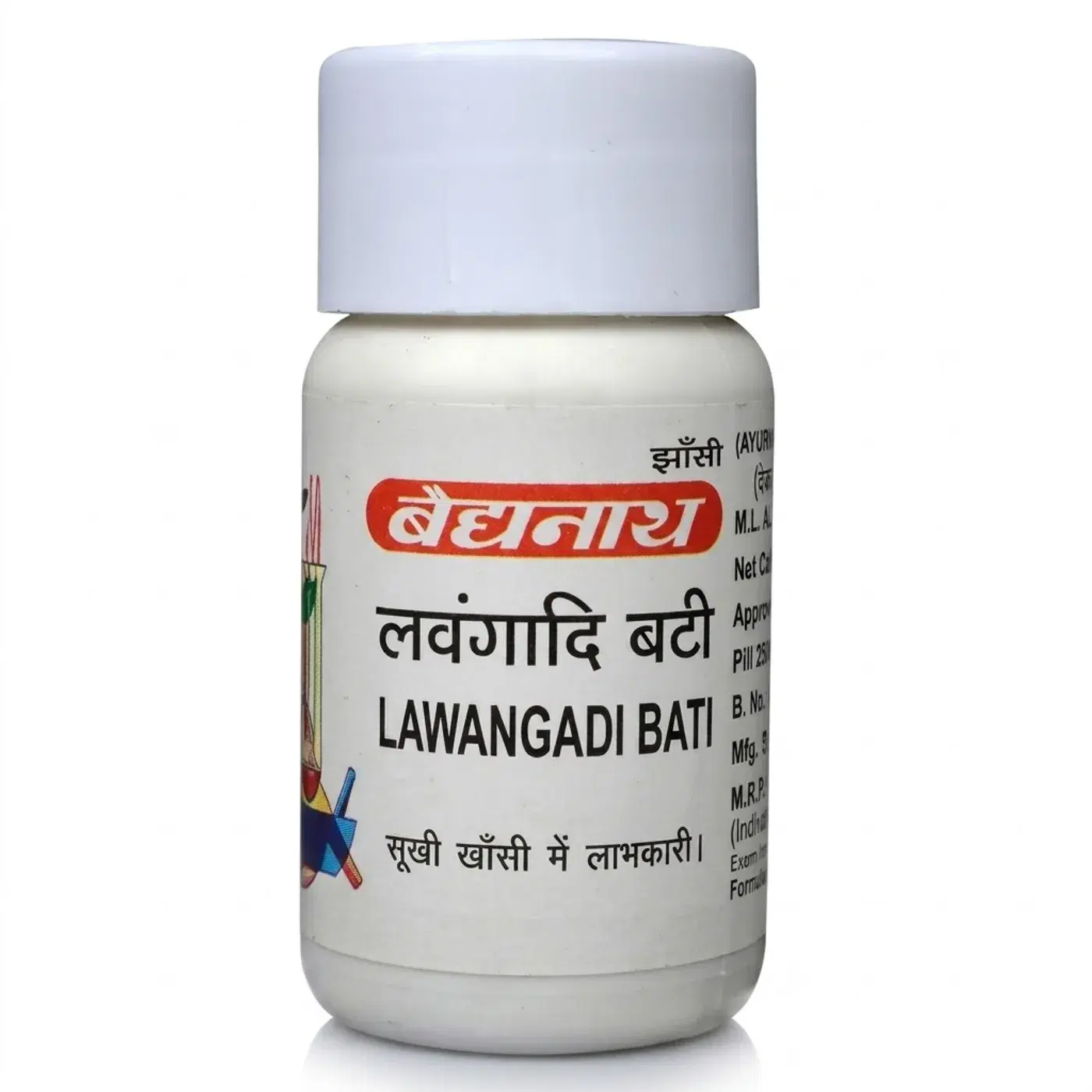
What is Baidyanath Lavangadi Vati?
Baidyanath Lavangadi Vati is a classical Ayurvedic tablet formulation named after its lead ingredient, Lavanga (clove, Syzygium aromaticum). The word Vati means a pill or tablet in Sanskrit. This formulation is referenced in classical Ayurvedic texts, including the Sharangadhara Samhita and is listed in the Ayurvedic Formulary of India as a time-tested remedy for respiratory and digestive complaints [Classical Source 1].
Lavangadi Vati is primarily used to pacify aggravated Kapha dosha (the biological energy governing moisture and structure) and excess Vata dosha (the energy of movement and nerve function). It is widely chosen during seasonal changes when coughs, colds, and throat irritation are common.
- Product type: Classical Ayurvedic tablet (Vati)
- Dosha action: Primarily Kapha-shamak and Vata-shamak (reduces Kapha and Vata)
- Common uses: Cough, cold, sore throat, indigestion, hiccups, nausea, and immunity support
- Prescription status: Over-the-counter (OTC); always follow label directions or consult a qualified Ayurvedic physician
- Manufacturer: Baidyanath, one of India's most trusted Ayurvedic brands
Key Ingredients of Baidyanath Lavangadi Vati
The efficacy of Lavangadi Vati depends on its carefully balanced blend of aromatic and therapeutic herbs. Each ingredient contributes a unique pharmacological action. The table below outlines the main ingredients, their botanical names, parts used, classical roles, and what current research suggests.
| Ingredient (Sanskrit) | Botanical / Common Name | Part Used | Ayurvedic Role | What Research Suggests |
|---|---|---|---|---|
| Lavanga | Syzygium aromaticum (Clove) | Flower bud | Deepana (kindles digestive fire), Kaphahara (reduces Kapha), analgesic | Eugenol, the main active compound, shows antimicrobial and anti-inflammatory activity in lab studies [1] |
| Kankola | Piper cubeba (Cubeb pepper) | Fruit | Shwasahara (relieves breathlessness), expectorant, Vata-Kapha shamak | PMC search suggests cubebins may have bronchodilatory effects; large clinical trials are limited [PMC search: https://pmc.ncbi.nlm.nih.gov/search/?term=Piper+cubeba+respiratory] |
| Jatiphala | Myristica fragrans (Nutmeg) | Seed | Deepana, Grahi (absorbs excess moisture), carminative | Myristicin and elemicin show antioxidant properties in preclinical studies [2] |
| Ela (Choti) | Elettaria cardamomum (Cardamom) | Seed | Hridya (cardiac tonic), Shwasahara, flavour enhancer | Cardamom extracts show gastroprotective and antispasmodic effects in animal models [3] |
| Tvak | Cinnamomum zeylanicum (Cinnamon) | Bark | Deepana, Pachana (digests ama), anti-Kapha | Cinnamaldehyde demonstrates antimicrobial and anti-inflammatory effects in vitro [4] |
| Mishri | Rock candy / Crystallised sugar | Purified sugar crystals | Balya (strengthening), Vata-shamak, palatable base | Acts as a vehicle (anupana) enhancing absorption; no direct PMC studies on Mishri in this formula |
| Katuka (in some variants) | Picrorhiza kurroa (Kutki) | Root | Kapha-Pitta shamak, hepatoprotective, immune-modulator | Picroside compounds show hepatoprotective and immunomodulatory activity in preclinical and early human studies [5] |
How Does Baidyanath Lavangadi Vati Work?
The Ayurvedic View
According to Ayurveda, coughs, colds, and indigestion arise when Kapha dosha accumulates in the Pranavaha srotas (respiratory channels) and Annavaha srotas (digestive channels), slowing Agni (digestive and metabolic fire) and producing Ama (undigested metabolic waste). Lavangadi Vati uses hot, sharp, and pungent ingredients to kindle Agni, dissolve Ama, and clear the respiratory channels. This restores the normal downward flow of Prana Vata and dislodges excess Kapha, relieving congestion, cough, and nausea.
The Modern Scientific View
From a phytochemical standpoint, the key active molecules in Lavangadi Vati include eugenol from cloves, cinnamaldehyde from cinnamon, and myristicin from nutmeg. Eugenol has demonstrated anti-inflammatory effects by inhibiting prostaglandin synthesis in cell-based studies [1]. Cardamom extracts have shown antispasmodic activity on smooth muscle in animal models, which may explain the formula's traditional use in relieving spasmodic cough [3]. It is important to note that most supporting evidence comes from studies on individual ingredients, not on the complete Lavangadi Vati formula; well-designed clinical trials on the finished product are currently limited.
Uses and Benefits of Baidyanath Lavangadi Vati
1. May Support Relief from Cough and Cold
Lavangadi Vati is one of the most traditionally used Ayurvedic tablets for cough, cold, and congestion. The hot and pungent properties of clove and cinnamon help loosen and expel Kapha from the respiratory tract. Eugenol from cloves has shown antimicrobial activity against common respiratory pathogens in lab studies, suggesting a possible complementary role in managing upper respiratory infections [1].
2. May Help Soothe Sore Throat and Hoarseness
Classical texts recommend Lavangadi Vati for Kasa (cough) and Swara-bheda (hoarseness of voice). Holding or slowly dissolving a tablet in the mouth may deliver the active compounds directly to the throat mucosa. Eugenol is known to have local analgesic properties similar to those used in dental preparations [1], which may explain the soothing effect on throat irritation.
3. Traditionally Used for Digestive Complaints
The Deepana (digestive stimulant) and Pachana (Ama-digesting) properties of Lavangadi Vati make it useful for indigestion, flatulence, and nausea. Cardamom's antispasmodic action on the gastrointestinal tract has been demonstrated in animal studies [3]. Cinnamon bark compounds may further support gut motility and reduce bloating [4].
4. May Aid in Managing Hiccups and Nausea
Hiccups (Hikka) and nausea (Chardi) are conditions associated with upward-moving Udana Vata and disturbed Samana Vata. Lavangadi Vati's aromatic volatile oils help redirect these erratic Vata movements downward. Cardamom has been studied for its antiemetic properties in clinical settings, showing promise in reducing postoperative nausea in early trials [3].
5. Lavangadi Vati for Immunity Support
Consistent use of Lavangadi Vati is traditionally linked to strengthening Vyadhikshamatva (natural immunity). The immunomodulatory potential of Picrorhiza kurroa (Kutki), present in some variants, has been documented in preclinical studies where picrosides enhanced immune cell activity [5]. Eugenol also shows antioxidant activity that may reduce oxidative stress, a key factor in immune resilience [1].
6. May Offer Antimicrobial Support
Several ingredients in Lavangadi Vati have demonstrated activity against bacteria and fungi in laboratory conditions. Clove oil and cinnamaldehyde have been shown to inhibit the growth of common pathogens such as Staphylococcus aureus and Candida albicans in vitro [1][4]. These findings are from lab studies and should not be interpreted as a cure for infections in humans without medical supervision.
7. May Support Respiratory Comfort During Seasonal Changes
Seasonal transitions trigger Kapha accumulation in many individuals, leading to recurrent colds and allergic rhinitis. Lavangadi Vati's Kapha-pacifying herbs help maintain clear airways and comfortable breathing. It is traditionally recommended as a preventive wellness tablet during winter and monsoon seasons when respiratory challenges are most common.
Dosage and Directions for Baidyanath Lavangadi Vati
Always follow the label instructions on your pack or the advice of a qualified Ayurvedic practitioner. The table below provides general reference information.
| Parameter | Details |
|---|---|
| Adult dose | 1–2 tablets (approximately 250–500 mg each), 2–3 times daily |
| When to take | After meals or as directed by a physician |
| Anupana (vehicle) | Warm water, ginger juice, or honey for cough and cold; warm water for digestive complaints |
| Duration | Short-term use of 4–8 weeks is typical; long-term use only under medical supervision |
| Children | Use only under the guidance of a qualified Ayurvedic or paediatric physician |
| Elderly | Start with the lower dose; consult a physician if on other medications |
| Pregnancy and breastfeeding | Avoid unless specifically prescribed by a qualified practitioner (see Safety section) |
Important: Always read the product label and follow the dosage recommended by your Ayurvedic doctor. Do not self-medicate for serious conditions.
Side Effects and Safety of Lavangadi Vati
Lavangadi Vati is generally considered safe when taken at recommended doses for short durations. However, some individuals may experience mild side effects, particularly with higher doses or prolonged use.
Possible side effects include:
- Heartburn or gastric irritation due to the hot potency of clove and cinnamon
- Mouth or throat irritation if tablets are chewed rather than dissolved slowly
- Allergic reactions in individuals sensitive to any of the ingredients (rare)
- Excess Pitta symptoms (burning sensation, acidity) in people with a Pitta-dominant constitution
Who should avoid or use with caution:
- Pregnant women: Clove and nutmeg in higher doses have historically been linked to uterine stimulation in animal models; avoid without medical advice
- Breastfeeding mothers: Consult a physician before use
- Children under 12: Use only under professional supervision
- Individuals with active peptic ulcer or severe acidity: The hot potency may worsen symptoms
- People on anticoagulant medications (e.g., warfarin): Eugenol in clove may have mild antiplatelet properties; monitor closely if combining [1]
- Diabetic patients on medication: Cinnamon may affect blood glucose levels; monitor sugar levels if combining with antidiabetic drugs [4]
If you notice any unusual symptoms, stop use and consult a healthcare professional immediately.
Diet and Lifestyle Tips While Taking Lavangadi Vati
- Avoid cold and heavy foods: Dairy, cold drinks, fried snacks, and ice cream increase Kapha and may counteract the tablet's action.
- Prefer warm, light meals: Soups, khichdi, steamed vegetables, and ginger tea support Agni and complement the formula's digestive benefits.
- Stay hydrated with warm water: Sipping warm water throughout the day helps thin mucus and flush Ama from the channels.
- Practice Pranayama: Breathing exercises such as Anulom Vilom and Bhastrika support respiratory health and Kapha clearance.
- Avoid exposure to cold and damp environments: Wrap up during seasonal changes and avoid sitting in air-conditioned rooms for extended periods when recovering from a cold.
- Rest adequately: Adequate sleep allows the body to repair and supports the immune-modulating effects of the herbs.
Frequently Asked Questions About Baidyanath Lavangadi Vati
What is Baidyanath Lavangadi Vati used for?
Baidyanath Lavangadi Vati is traditionally used for cough, cold, sore throat, hoarseness of voice, indigestion, hiccups, and nausea. It is also taken during seasonal changes to support general immunity and respiratory wellness. Always consult a qualified practitioner for a personalised treatment plan.
What are the main ingredients in Lavangadi Vati?
The main ingredients include Lavanga (clove), Kankola (cubeb pepper), Jatiphala (nutmeg), Ela (cardamom), Tvak (cinnamon), and Mishri (rock candy). Some formulations also include Katuka (Picrorhiza kurroa). Each ingredient is chosen for its specific Kapha-reducing and digestive-stimulating properties.
How do I take Lavangadi Vati for cough and cold?
The typical adult dose is 1–2 tablets, taken 2–3 times a day with warm water, ginger juice, or honey after meals. For a sore throat, slowly dissolving the tablet in the mouth may provide more direct relief. Always follow your doctor's or the product label's instructions.
Is Lavangadi Vati safe during pregnancy?
Lavangadi Vati is generally not recommended during pregnancy because clove and nutmeg in higher doses may stimulate the uterus, as indicated in animal studies. Pregnant women should always consult a qualified Ayurvedic or allopathic physician before taking any herbal supplement. Safety in pregnancy has not been established in clinical trials.
Can children take Lavangadi Vati?
Children under 12 should only take Lavangadi Vati under the direct supervision of a qualified Ayurvedic or paediatric physician. The adult dose is not appropriate for young children. A practitioner will adjust the dose based on the child's age, weight, and constitution.
How long does it take for Lavangadi Vati to show results?
Many users report symptomatic relief from cough and cold within a few days of regular use. For digestive complaints, improvement is often noticed within one to two weeks. Consistent use combined with appropriate diet and lifestyle changes gives the best results.
Does Lavangadi Vati have any drug interactions?
Eugenol in clove may have mild antiplatelet activity, so individuals on blood-thinning medications like warfarin should use this formulation with medical supervision [1]. Cinnamon may influence blood glucose, so diabetic patients on medication should monitor their levels carefully [4]. Always inform your doctor about all supplements you are taking.
Can I take Lavangadi Vati for immunity on a daily basis?
Short-term daily use for 4–8 weeks is generally considered safe for most adults. Long-term or indefinite use should only be done under the guidance of a qualified Ayurvedic practitioner. Periodically reviewing the need for continued use is good practice in Ayurvedic medicine.
Is Baidyanath a reliable brand for Lavangadi Vati?
Baidyanath is one of India's oldest and most established Ayurvedic pharmaceutical companies, with over a century of experience. Their products are manufactured under GMP (Good Manufacturing Practice) standards and comply with the Drugs and Cosmetics Act. Buying from authorised platforms like Quikdu ensures you receive genuine, quality-tested products.
Where can I buy Baidyanath Lavangadi Vati online in India?
You can buy Baidyanath Lavangadi Vati safely and conveniently through the Quikdu app, which stocks verified Ayurvedic products from trusted brands. Quikdu ensures authentic sourcing and doorstep delivery across India. Visit the product page on Quikdu for the latest price and availability.
References
- Cortés-Rojas DF, de Souza CRF, Oliveira WP. Clove (Syzygium aromaticum): a precious spice. Asian Pac J Trop Biomed. 2014;4(2):90–96. PMC ID: PMC3819475
- Tajuddin, Ahmad S, Latif A, Qasmi IA. Aphrodisiac activity of 50% ethanolic extracts of Myristica fragrans Houtt. (nutmeg) and Syzygium aromaticum (L) Merr. & Perry. (clove) in male mice: a comparative study. BMC Complement Altern Med. 2003;3:6. PMC ID: PMC317370
- Gilani AH, Jabeen Q, Khan AU, Shah AJ. Gut modulatory, blood pressure lowering, diuretic and sedative activities of cardamom. J Ethnopharmacol. 2008;115(3):463–472. [PMC search: https://pmc.ncbi.nlm.nih.gov/search/?term=cardamom+antispasmodic+gastrointestinal]
- Rao PV, Gan SH. Cinnamon: a multifaceted medicinal plant. Evid Based Complement Alternat Med. 2014;2014:642942. PMC ID: PMC4003790
- Shetty SN, Mengi S, Vaidya R, Vaidya ADB. A study of standardized extracts of Picrorhiza kurroa Royle ex Benth in experimental nonalcoholic fatty liver disease. J Ayurveda Integr Med. 2010;1(3):203–210. PMC ID: PMC3151382
Classical Sources:
- Classical Source 1: Lavangadi Vati monograph. In: The Ayurvedic Formulary of India, Part I, 2nd ed. New Delhi: Ministry of Health and Family Welfare, Government of India; 2003.
- Sharangadhara. Sharangadhara Samhita, Madhyama Khanda, Chapter 7. Varanasi: Chaukhamba Surbharati Prakashan; 2012.
Medical Disclaimer
The information in this article is intended for general educational purposes only and does not constitute medical advice. Baidyanath Lavangadi Vati is a traditional Ayurvedic product; its uses described here are based on classical Ayurvedic texts and available scientific literature, not on FDA-approved clinical trials for the finished product. Individual results may vary. This article does not replace consultation with a qualified healthcare professional. If you have a medical condition, are pregnant, breastfeeding, or are on prescription medication, please consult your doctor or a registered Ayurvedic physician before use. Never disregard professional medical advice on account of information read on this page.
Download the Quikdu App today and get verified Ayurvedic products delivered safely to your doorstep.