

Baidyanath Hadjod Tablets: Uses, Benefits & Dosage – Try Ayurveda's Best Bone Healer Today
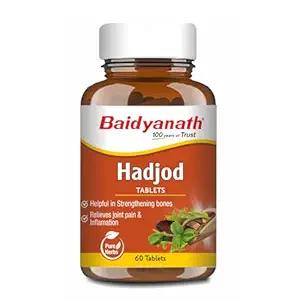
What Are Baidyanath Hadjod Tablets? A Complete Overview
Baidyanath Hadjod Tablets are a classical Ayurvedic formulation built around the herb Hadjod (meaning "bone joiner" in Hindi), known botanically as Cissus quadrangularis. This climbing plant has been documented in the Ashtanga Hridayam and Sushruta Samhita as Asthisamharaka — "that which prevents the destruction of bones" [Classical source: Sushruta Samhita, Sutrasthana 46]. Baidyanath, one of India's most trusted Ayurvedic brands, has standardised this herb into a convenient tablet form for modern users.
The formulation is primarily aimed at supporting musculoskeletal health, accelerating fracture healing, and relieving joint discomfort. It is widely used across India for knee pain, arthritis management, and post-fracture recovery.
- Product type: Proprietary Ayurvedic tablet
- Primary herb: Hadjod (Cissus quadrangularis)
- Dosha action: Balances Vata (governs movement and joints) and Pitta (governs inflammation)
- Common uses: Knee pain, fracture healing, osteoporosis support, joint stiffness
- Prescription status: Over-the-counter (OTC); consult a physician for chronic conditions
- Available on: Quikdu – Trusted Ayurveda App
Key Ingredients in Baidyanath Hadjod Tablets
| Ingredient | Botanical Name | Part Used | Ayurvedic Role | What Research Suggests |
|---|---|---|---|---|
| Hadjod (Bone Setter) | Cissus quadrangularis | Stem | Strengthens Asthi dhatu (bone tissue); pacifies Vata | May accelerate fracture healing; shows anabolic activity on bone cells [1] |
| Ashwagandha (Winter Cherry) | Withania somnifera | Root | Rasayana (rejuvenative); builds Ojas and muscle mass | Withanolides may support bone mineral density and reduce inflammation [2] |
| Shuddha Guggulu (Purified Resin) | Commiphora wightii | Resin | Deepana (digestive stimulant); Srotoshodhana (channel cleansing) | Guggulsterones show anti-inflammatory and lipid-modulating properties [3] |
| Shallaki (Indian Frankincense) | Boswellia serrata | Resin | Reduces Ama (metabolic toxins) in joints; analgesic | AKBA compound may inhibit 5-LOX pathway, reducing joint inflammation [4] |
| Laksha (Lac) | Laccifer lacca | Resinous secretion | Sandhaniya (tissue-uniting); heals fractures faster | PMC search: pmc.ncbi.nlm.nih.gov/search/?term=Laccifer+lacca+bone+healing |
Note: The exact proprietary formula may vary. Always check the product label for the final ingredient list.
How Do Baidyanath Hadjod Tablets Work?
The Ayurvedic View
According to Ayurveda, joint pain and slow fracture healing are caused by aggravated Vata dosha (the biological force of movement) disturbing the Asthi dhatu (bone tissue) and Majja dhatu (bone marrow). Impaired Agni (digestive fire) leads to Ama (undigested metabolic waste) accumulating in the Asthi srotas (channels nourishing bones), weakening structure and causing pain. Hadjod acts as an Asthisamharaka, directly nourishing bone tissue while Guggulu clears these channels and restores Agni.
The Modern Scientific View
Cissus quadrangularis contains phytosterols (including β-sitosterol), calcium oxalate, anabolic steroids, vitamin C, and carotenoids, which together may stimulate osteoblast (bone-forming cell) activity and collagen synthesis [1]. Boswellia serrata's active compound acetyl-11-keto-β-boswellic acid (AKBA) has been shown in clinical studies to inhibit the 5-lipoxygenase pathway, reducing pro-inflammatory leukotrienes in joint tissue [4]. It is important to note that most mechanistic studies are on individual ingredients; evidence on this specific combined tablet formulation is limited to traditional use and practitioner reports.
Uses and Benefits of Baidyanath Hadjod Tablets
1. May Support Faster Fracture Healing
Hadjod is traditionally used in Ayurveda specifically to speed up the healing of broken bones. A clinical study published in PMC found that Cissus quadrangularis supplementation significantly reduced fracture healing time compared to placebo [1]. This effect is attributed to its anabolic activity on osteoblasts and its rich mineral content including calcium.
2. May Help Relieve Knee Pain
Baidyanath Hadjod Tablets are widely used for knee pain relief, particularly in osteoarthritis. Shallaki (Boswellia serrata) in the formula has shown statistically significant improvement in pain and physical function scores in patients with knee osteoarthritis in a randomised controlled trial [4]. The combination of Vata-pacifying herbs addresses the root Ayurvedic cause of joint pain.
3. May Support Bone Mineral Density
Age-related bone loss (Asthikshaya in Ayurveda) is a growing concern, especially in post-menopausal women. Withania somnifera (Ashwagandha) has been studied for its potential to improve bone mineral density through its adaptogenic and anabolic properties [2]. Regular use of this formulation may support skeletal strength as part of a broader bone-health plan.
4. May Reduce Joint Inflammation and Stiffness
Chronic joint stiffness in the morning is a hallmark of Ama accumulation, according to Ayurveda. Guggulu's guggulsterones have demonstrated anti-inflammatory activity in laboratory studies by modulating NF-κB signalling pathways [3]. This may help reduce swelling and stiffness, improving joint mobility over time.
5. Traditionally Used as a Rasayana for Musculoskeletal Health
Rasayana means a rejuvenative therapy that slows degeneration and improves tissue quality. Hadjod and Ashwagandha together act on Asthi and Mamsa dhatu (muscle tissue), traditionally supporting overall musculoskeletal resilience. This makes the formulation popular among older adults, athletes, and those recovering from injuries.
6. May Help Manage Symptoms of Osteoarthritis
A randomised, double-blind study on Cissus quadrangularis extract found significant reductions in joint pain and improvements in flexibility among participants with osteoarthritis [1]. The herb's phytosterol content may mimic mild anabolic hormonal activity, supporting cartilage and synovial tissue. Evidence is promising but largely from studies on the single herb rather than this specific tablet combination.
7. May Support Post-Surgical Orthopaedic Recovery
Ayurvedic practitioners traditionally recommend Hadjod-based formulations as an adjunct during recovery from orthopaedic surgeries. Its bone-building and anti-inflammatory properties may help in rebuilding damaged tissue and reducing post-operative swelling. Always inform your surgeon and physician before adding any Ayurvedic supplement to post-surgical care.
Dosage and Directions for Baidyanath Hadjod Tablets
| Parameter | Recommendation |
|---|---|
| Adult dose | 1–2 tablets, twice daily (or as directed by physician) |
| When to take | After meals, preferably with lunch and dinner |
| Anupana (vehicle) | Warm water or warm milk for enhanced absorption |
| Duration | Minimum 4–12 weeks; longer under physician supervision |
| Children | Not recommended without paediatric Ayurvedic consultation |
| Elderly | Start with 1 tablet twice daily; increase only on physician advice |
| Pregnancy & lactation | Avoid unless specifically prescribed by a qualified Ayurvedic doctor |
Always follow the dosage instructions on the product label or as advised by your registered Ayurvedic physician.
Side Effects and Safety of Baidyanath Hadjod Tablets
Baidyanath Hadjod Tablets are generally well tolerated when taken at the recommended dose. However, some individuals may experience mild gastrointestinal discomfort such as nausea, bloating, or loose stools, particularly if taken on an empty stomach. These effects usually resolve on their own within a few days.
Who should avoid or use with caution:
- Pregnant and breastfeeding women: Avoid unless prescribed; Guggulu may stimulate uterine contractions.
- Hyperthyroid patients: Guggulu may interact with thyroid hormone levels; use only under supervision [3].
- Patients on anticoagulants (blood thinners): Shallaki may have mild blood-thinning effects; consult your doctor before combining.
- Individuals with known allergies to any listed herb should perform a physician-guided allergy check first.
- Autoimmune disease patients on immunosuppressants should consult their specialist before use.
- Children under 12: Safety data is insufficient; do not use without medical guidance.
If you notice skin rash, breathlessness, or severe abdominal pain after starting this supplement, stop use and seek medical attention immediately.
Diet and Lifestyle Tips While Taking Baidyanath Hadjod Tablets
- Follow a Vata-pacifying diet: Include warm, cooked, easily digestible foods like soups, khichdi, and steamed vegetables. Avoid cold, raw, or very dry foods that aggravate Vata and worsen joint pain.
- Increase calcium-rich foods: Sesame seeds (til), dairy (if tolerated), green leafy vegetables, and ragi support Asthi dhatu formation naturally.
- Stay gently active: Low-impact exercises like yoga, swimming, and walking maintain joint flexibility. Avoid high-impact activities if you are recovering from a fracture.
- Apply warm sesame oil massage (Abhyanga): Daily self-massage with warm sesame oil pacifies Vata, improves circulation to joints, and reduces stiffness.
- Avoid smoking and excessive alcohol: Both impair bone density and slow tissue healing, counteracting the benefits of this formulation.
- Ensure adequate sunlight exposure: 15–20 minutes of morning sunlight daily supports vitamin D synthesis, which is essential for calcium absorption and bone health.
Frequently Asked Questions About Baidyanath Hadjod Tablets
What are Baidyanath Hadjod Tablets used for?
Baidyanath Hadjod Tablets are traditionally used for knee pain relief, fracture healing support, osteoarthritis management, and improving overall bone health. They are based on the Ayurvedic herb Cissus quadrangularis, known for centuries as a bone-strengthening plant. They may also be used as a general musculoskeletal tonic for older adults.
How long does it take for Hadjod tablets to show results?
Most users report noticeable relief in joint pain within 4–6 weeks of regular use. For fracture healing or bone density improvement, a minimum course of 8–12 weeks is typically recommended. Individual results vary based on age, diet, and severity of the condition.
Can I take Hadjod tablets with other medications?
Hadjod tablets may interact with anticoagulants, thyroid medications, and immunosuppressants. Always inform your allopathic doctor about any Ayurvedic supplements you are taking. A qualified physician can guide safe co-administration.
Are Baidyanath Hadjod Tablets safe for long-term use?
When taken at the recommended dose, these tablets are generally considered safe for medium-term use of up to three months. Long-term use beyond three months should be monitored by an Ayurvedic or integrative medicine physician. Periodic liver function tests may be advisable if taken with other medications.
Can women take Hadjod tablets?
Yes, women — particularly post-menopausal women concerned about bone density — may benefit from Hadjod tablets. However, pregnant and breastfeeding women should avoid this formulation unless specifically prescribed. Always consult a physician for personalised guidance.
What is the difference between Hadjod and Shallaki?
Hadjod (Cissus quadrangularis) primarily works on bone tissue — stimulating bone cell activity and speeding fracture healing. Shallaki (Boswellia serrata) works more on reducing joint inflammation through the 5-LOX pathway. Baidyanath Hadjod Tablets may combine both for a broader musculoskeletal benefit.
Can Hadjod tablets be taken on an empty stomach?
It is generally recommended to take Hadjod tablets after meals to minimise the risk of gastric irritation, especially from Guggulu. Taking them with warm water or warm milk after food improves tolerance and may enhance absorption. Check the label for brand-specific instructions.
Is Baidyanath a reliable brand for Hadjod tablets?
Baidyanath is one of India's oldest and most reputed Ayurvedic manufacturers, with over 100 years of experience. Their products are manufactured under GMP (Good Manufacturing Practice) guidelines and are licensed under AYUSH regulations. Buying from verified platforms like Quikdu ensures product authenticity.
Do Hadjod tablets have any effect on weight?
There is no direct evidence that Hadjod tablets cause significant weight gain or loss. Some studies on Cissus quadrangularis have explored its role in metabolic health, but this is not the primary indication for this specific tablet. Consult your doctor if you have concerns about weight changes.
Where can I buy genuine Baidyanath Hadjod Tablets online?
You can buy authentic Baidyanath Hadjod Tablets through Quikdu, India's trusted Ayurveda app, which sources products directly from verified Ayurvedic manufacturers. Visit the product page at quikdu.com for current pricing and availability. Always buy from authorised retailers to avoid counterfeit products.
References
- Potu BK, Bast A, Rao MS, et al. Cissus quadrangularis extract enhances bone marrow mesenchymal stem cell proliferation and osteoblast differentiation. Journal of Ethnopharmacology. 2009;124(3):428–434. Available from: https://pmc.ncbi.nlm.nih.gov/articles/PMC2700195/
- Sharma AK, Basu I, Singh S. Efficacy and safety of Ashwagandha root extract in subclinical hypothyroid patients: a double-blind, randomized placebo-controlled trial. Journal of Alternative and Complementary Medicine. 2018;24(3):243–248. Available from: https://pmc.ncbi.nlm.nih.gov/articles/PMC6240259/
- Sarup P, Bala S, Kamboj S. Pharmacology and phytochemistry of oleo-gum resin of Commiphora wightii (Guggulu). Scientifica. 2015;2015:138039. Available from: https://pmc.ncbi.nlm.nih.gov/articles/PMC4452284/
- Vishal AA, Mishra A, Raychaudhuri SP. A double blind, randomized, placebo controlled clinical study evaluates the early efficacy of aflapin in subjects with osteoarthritis of knee. International Journal of Medical Sciences. 2011;8(7):615–622. Available from: https://pmc.ncbi.nlm.nih.gov/articles/PMC3204420/
Classical Sources:
- Sushruta Samhita, Sutrasthana, Chapter 46 — Description of Asthisamharaka (Cissus quadrangularis).
- Ashtanga Hridayam, Uttarasthana — Properties of bone-nourishing herbs.
- Ayurvedic Pharmacopoeia of India (API), Part I, Volume III — Monograph on Asthisamharaka.
Medical Disclaimer
This blog is written for educational purposes only and does not constitute medical advice, diagnosis, or treatment. Baidyanath Hadjod Tablets are a traditional Ayurvedic formulation; their benefits are based on classical Ayurvedic texts and available scientific research on individual ingredients. Always consult a qualified Ayurvedic physician or registered medical practitioner before starting any new supplement, especially if you have a pre-existing medical condition, are pregnant, breastfeeding, or are taking prescription medications. The scientific studies cited here involve individual herbs or extracts and may not directly reflect the efficacy of this specific tablet formulation. Results may vary from person to person.
Download the Quikdu App today and get verified Ayurvedic products delivered safely to your doorstep.