

Baidyanath Abhyarishta: Uses, Benefits, Dosage & Side Effects – Buy Now on Quikdu
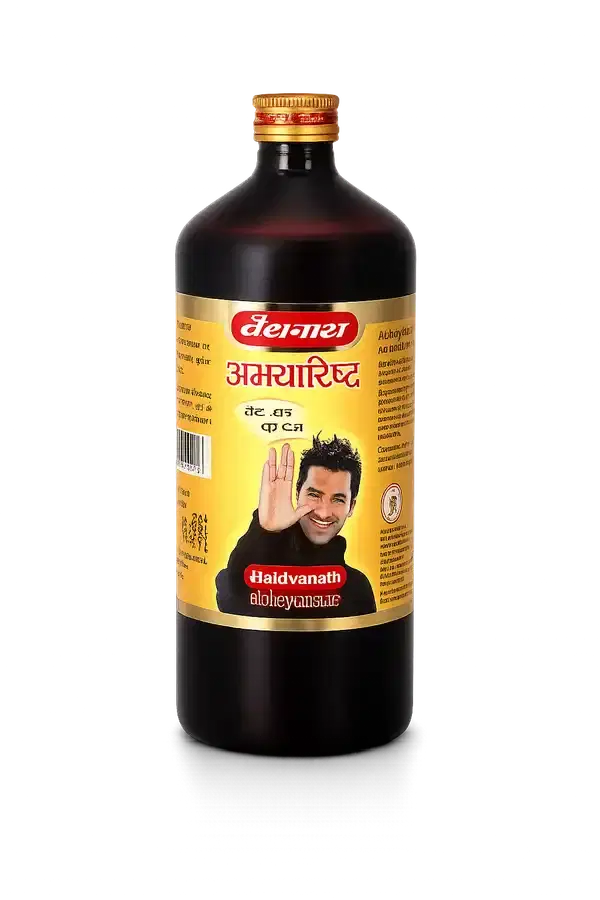
What is Baidyanath Abhyarishta?
Baidyanath Abhyarishta is a classical Ayurvedic fermented liquid formulation (arishta, meaning a self-generated alcoholic herbal preparation) used for centuries to support digestive health, relieve constipation, and manage haemorrhoids (arsha). The word Abhyarishta is derived from Abhaya, the Sanskrit name for the herb Haritaki (Terminalia chebula), which is the principal ingredient. This formulation is described in Ashtanga Hridayam and is also listed in the Ayurvedic Formulary of India, Part I under the category of Arishta-Asava preparations.
The self-generated fermentation process produces a small amount of natural alcohol (typically 5–10%), which acts as a vehicle (anupana) that enhances the bioavailability of the active herbal constituents. Baidyanath is one of India's most trusted Ayurvedic manufacturers, and their Abhyarishta 450 ml bottle is widely prescribed by Ayurvedic physicians across India.
- Product type: Fermented herbal liquid (Arishta)
- Dosha action: Primarily pacifies Vata and Pitta doshas
- Common uses: Constipation, haemorrhoids (piles), indigestion, bloating, malabsorption
- Prescription status: Over-the-counter (OTC) in India; best taken under Ayurvedic guidance for chronic conditions
- Available size: 450 ml (Baidyanath)
Key Ingredients of Baidyanath Abhyarishta
Abhyarishta contains a synergistic blend of herbs that collectively support gut motility, reduce inflammation, and restore digestive fire (agni). The table below summarises the major ingredients, their roles, and what current research suggests.
| Ingredient | Botanical Name | Part Used | Ayurvedic Role | What Research Suggests [Ref] |
|---|---|---|---|---|
| Haritaki (Abhaya) | Terminalia chebula | Fruit | Laxative, digestive tonic, tridosha balancer | Tannins and chebulinic acid show laxative and antioxidant activity in lab studies [1] |
| Vidanga | Embelia ribes | Fruit | Carminative, anthelmintic, deepana (digestive stimulant) | Embelin demonstrates anthelmintic and anti-inflammatory properties in animal studies [2] |
| Madhuka (Mahua) | Madhuca longifolia | Flower | Fermentation base, demulcent, brimhana (nourishing) | Saponins and flavonoids show antioxidant activity in lab models [PMC search: click here] |
| Dhataki | Woodfordia fruticosa | Flower | Fermentation catalyst, astringent, haemostatic | Polyphenols from W. fruticosa show anti-inflammatory activity in cell-based studies [3] |
| Mridvika (Draksha) | Vitis vinifera | Dried fruit | Mild laxative, nourishing, Pitta pacifier | Resveratrol and polyphenols in grapes are associated with gut-protective effects in animal models [4] |
| Trivrit | Operculina turpethum | Root | Purgative, Vata-Kapha pacifier, detoxifying | Turpethin resin shows cathartic activity in animal studies [PMC search: click here] |
| Sunthi (Ginger) | Zingiber officinale | Rhizome | Deepana-pachana (digestive and carminative), anti-nausea | Gingerols reduce gastrointestinal inflammation and accelerate gastric emptying in clinical studies [5] |
| Pippali (Long Pepper) | Piper longum | Fruit | Bioavailability enhancer, agni stimulant, Kapha-Vata pacifier | Piperine enhances absorption of co-administered phytochemicals in human studies [6] |
How Does Baidyanath Abhyarishta Work?
Ayurvedic Perspective
According to Ayurveda, most digestive disorders arise from impaired agni (digestive fire), leading to the formation of ama (undigested metabolic waste) that obstructs the purishavaha srotas (channels carrying faecal matter). Abhyarishta primarily acts on Apana Vata, the sub-dosha governing downward elimination, restoring its normal flow and relieving constipation and haemorrhoids. The formulation also nurtures the rakta dhatu (blood tissue) and reduces local Pitta-driven inflammation in the anorectal region.
The fermentation process transforms the raw herbs into a bioavailable liquid, improving penetration into deeper tissues (dhatus). Ingredients like Haritaki are classified as Rasayana (rejuvenating), supporting long-term gut health and immune function alongside their immediate laxative action.
Modern Scientific Perspective
The laxative effect of Abhyarishta is largely attributed to the anthraquinone glycosides and tannins in Haritaki, which stimulate intestinal peristalsis and soften stools [1]. Gingerols from Sunthi accelerate gastric emptying and reduce nausea [5], while piperine from Pippali enhances the bioavailability of co-ingredients [6]. It is important to note that most mechanistic evidence is derived from studies on individual ingredients; controlled clinical trials on the complete Abhyarishta formula are limited, and readers should interpret benefits accordingly.
Uses and Benefits of Baidyanath Abhyarishta
1. May Support Relief from Constipation
Abhyarishta is traditionally used for chronic constipation by stimulating Apana Vata and softening hard stools. The tannins and chebulinic acid in Haritaki have demonstrated mild laxative properties in laboratory models [1]. Regular use under guidance may help establish healthy bowel movements without dependency.
2. Traditionally Used for Haemorrhoids (Piles)
Classical Ayurvedic texts describe Abhyarishta as a primary remedy for arsha (haemorrhoids), both bleeding and non-bleeding types. By regulating Apana Vata and reducing local Pitta inflammation, it may ease straining during defecation, which is a key aggravating factor in piles. The astringent properties of Dhataki (Woodfordia fruticosa) may also help reduce bleeding [3].
3. May Improve Digestive Fire (Agni)
Ingredients such as Sunthi (ginger) and Pippali (long pepper) are classical deepana herbs that stimulate digestive enzyme secretion and enhance gut motility. Clinical research confirms that ginger accelerates gastric emptying and reduces bloating [5]. This makes Abhyarishta useful for individuals with sluggish digestion, heaviness after meals, or loss of appetite.
4. May Relieve Bloating and Flatulence
Vidanga and Sunthi together provide potent carminative action, reducing gas accumulation in the intestines. Embelia ribes has shown anti-inflammatory activity in the gastrointestinal tract in animal models [2]. This combination may ease abdominal discomfort, bloating, and excessive flatulence linked to Vata imbalance.
5. May Support Detoxification and Ama Clearance
Trivrit (Operculina turpethum) is a classical shodhana (purifying) herb that helps expel accumulated ama from the colon. By clearing the purishavaha srotas, Abhyarishta may support overall metabolic health and improve nutrient absorption. This detoxifying action is especially valued during seasonal transitions in Ayurvedic practice.
6. May Help Manage Malabsorption Syndromes
Piperine from Pippali is well-documented to enhance intestinal absorption of nutrients and co-administered phytochemicals [6]. Improved agni and reduced ama collectively support better assimilation of food, which is beneficial in conditions like grahani (irritable bowel or malabsorption). This benefit is supported by the traditional use of Haritaki as a Rasayana that improves tissue nutrition.
7. May Provide Antioxidant Support
Several ingredients in Abhyarishta, including Haritaki, Draksha (grapes), and Dhataki, are rich in polyphenols and tannins with antioxidant properties demonstrated in laboratory settings [1, 3, 4]. These compounds may help reduce oxidative stress in the gut lining. Note that this evidence comes from lab and animal studies; human clinical data on Abhyarishta's antioxidant effect is currently limited.
Dosage and Directions for Baidyanath Abhyarishta
Always follow the label instructions or the advice of a qualified Ayurvedic physician. The table below provides general guidance based on classical texts and the Ayurvedic Formulary of India.
| Parameter | Recommendation |
|---|---|
| Adult dose | 15–30 ml per dose |
| Frequency | Twice daily (after meals) |
| When to take | After lunch and dinner |
| Anupana (vehicle) | Equal quantity of warm water |
| Duration | 4–12 weeks, or as advised by a physician |
| Children (6–12 years) | Half the adult dose; only under medical supervision |
| Elderly | Start with 15 ml; adjust as tolerated |
| Pregnancy / Lactation | Avoid unless specifically prescribed by an Ayurvedic doctor |
Important: Always read the label and consult your Ayurvedic physician before starting or changing your dose.
Side Effects and Safety of Baidyanath Abhyarishta
Abhyarishta is generally considered safe when taken at recommended doses for the recommended duration. However, some individuals may experience mild side effects, especially if the dose is exceeded.
- Possible side effects: Loose stools or diarrhoea (especially at higher doses due to Trivrit), mild abdominal cramps, nausea, or heartburn in people with sensitive stomachs.
- Alcohol content: The natural fermentation produces 5–10% alcohol. People with liver disease, alcohol use disorder, or those on medications metabolised by the liver should use it only under medical supervision.
- Pregnancy: Avoid during pregnancy; purgative herbs like Trivrit may stimulate uterine contractions.
- Breastfeeding: Safety data is insufficient; consult your doctor before use.
- Children under 6: Not recommended without a physician's prescription.
- Diabetes: Draksha (grape) and Madhuka flowers contain natural sugars; monitor blood glucose if diabetic.
- Drug interactions: The alcohol vehicle may interact with sedatives, anticoagulants, and hepatotoxic drugs. Inform your doctor of all medicines you are taking.
- Inflammatory bowel disease (IBD): Use only under supervision; purgative herbs may aggravate active colitis or Crohn's disease flares.
Diet and Lifestyle Tips While Taking Abhyarishta
- Eat light, warm, and easily digestible foods such as khichdi, soups, and steamed vegetables to support agni and reduce ama formation.
- Stay well hydrated — drink 8–10 glasses of warm or room-temperature water daily to ease bowel movements and prevent dehydration from laxative effects.
- Avoid cold, heavy, and processed foods including fried snacks, cold drinks, and red meat, as these aggravate Vata and slow digestion.
- Practice gentle yoga and walking — poses like Pavanamuktasana (wind-relieving pose) and a 20-minute post-meal walk can complement the medicine's digestive benefits.
- Maintain regular meal timings — eating at consistent times strengthens digestive rhythm (dinacharya) and prevents irregular Apana Vata.
- Reduce stress — chronic stress aggravates Vata, worsening constipation and haemorrhoids; consider daily meditation or pranayama (breathing exercises).
Frequently Asked Questions About Baidyanath Abhyarishta
What is Baidyanath Abhyarishta used for?
Baidyanath Abhyarishta is primarily used for constipation, haemorrhoids (piles), bloating, indigestion, and malabsorption. It is a classical Ayurvedic fermented liquid that regulates bowel movements and restores digestive fire. It is also traditionally used to support detoxification of the colon.
How should I take Abhyarishta?
The standard adult dose is 15–30 ml, taken twice daily after meals, diluted with an equal quantity of warm water. Always follow your physician's instructions or the product label. Exceeding the recommended dose may cause loose stools or stomach cramps.
Can Abhyarishta cure piles permanently?
Abhyarishta may help manage symptoms of haemorrhoids such as constipation, straining, and mild bleeding when used consistently under medical guidance. Ayurveda does not promise a permanent cure; lifestyle changes, diet, and in some cases surgical interventions may also be needed. Consult an Ayurvedic or medical doctor for a personalised treatment plan.
How long does Abhyarishta take to work?
Most users report improvement in bowel regularity within 1–2 weeks of consistent use. For chronic conditions like piles or malabsorption, a full course of 4–12 weeks is typically recommended. Individual results vary depending on diet, lifestyle, and the severity of the condition.
Is Abhyarishta safe during pregnancy?
Abhyarishta is generally not recommended during pregnancy because it contains purgative herbs like Trivrit that may stimulate uterine activity. It also contains naturally produced alcohol from fermentation, which should be avoided during pregnancy. Always consult your gynaecologist or Ayurvedic physician before taking any herbal medicine during pregnancy.
Does Abhyarishta contain alcohol?
Yes, the fermentation process in Arishta preparations naturally generates 5–10% alcohol, which serves as a preservative and bioavailability enhancer. This is a very small amount compared to alcoholic beverages, but individuals with liver conditions, alcohol sensitivity, or those on interacting medications should seek medical advice before use.
Can I take Abhyarishta for constipation every day?
Short-term daily use for 4–12 weeks under a physician's guidance is generally considered safe. Long-term unsupervised use of laxative herbs may reduce the bowel's natural reflex over time. After the prescribed course, address underlying causes like diet and hydration to maintain bowel health.
What are the side effects of Abhyarishta?
Common side effects at higher doses include loose stools, mild abdominal cramps, and nausea. People with diabetes should monitor blood sugar due to the natural sugar content of some ingredients. Serious side effects are uncommon at therapeutic doses but may occur with overuse or in sensitive individuals.
Can Abhyarishta be given to children?
Children between 6 and 12 years may receive half the adult dose, but only under the supervision of an Ayurvedic physician. It is not recommended for children under 6 years. The alcohol content from fermentation is a key reason why paediatric use requires professional guidance.
Where can I buy genuine Baidyanath Abhyarishta online?
You can buy genuine Baidyanath Abhyarishta 450 ml on Buy Now , a trusted Ayurvedic app that sources authentic products from verified manufacturers. Quikdu delivers directly to your doorstep across India. Always verify the batch number and manufacturing date on the bottle when it arrives.
References
- Bag A, Bhatt RK, Chattopadhyay RR. The development of Terminalia chebula Retz. (Combretaceae) in clinical research. Asian Pac J Trop Biomed. 2013;3(3):244–252. Available from: https://pmc.ncbi.nlm.nih.gov/articles/PMC3631768/
- Srivastava R, Choubey V, Kumar A, Sinha D, Singh RK. Potential therapeutic applications of Embelia ribes — a phytopharmacological review. J Complement Integr Med. 2021;18(4):697–709. PMC search: https://pmc.ncbi.nlm.nih.gov/search/?term=Embelia+ribes+embelin+anti-inflammatory
- Bharti R, Bhargava A, Jain J, et al. Woodfordia fruticosa (L.) Kurz: Traditional uses, phytochemistry and pharmacology. J Ethnopharmacol. 2015;172:185–195. PMC search: https://pmc.ncbi.nlm.nih.gov/search/?term=Woodfordia+fruticosa+polyphenol+anti-inflammatory
- Tomé-Carneiro J, Larrosa M, González-Sarrías A, Tomás-Barberán FA, García-Conesa MT, Espín JC. Resveratrol and clinical trials: the crossroad from in vitro studies to human evidence. Curr Pharm Des. 2013;19(34):6064–6093. Available from: https://pmc.ncbi.nlm.nih.gov/articles/PMC4008896/
- Nikkhah Bodagh M, Maleki I, Hekmatdoost A. Ginger in gastrointestinal disorders: a systematic review of clinical trials. Food Sci Nutr. 2019;7(1):96–108. Available from: https://pmc.ncbi.nlm.nih.gov/articles/PMC6341159/
- Shoba G, Joy D, Joseph T, Majeed M, Rajendran R, Srinivas PS. Influence of piperine on the pharmacokinetics of curcumin in animals and human volunteers. Planta Med. 1998;64(4):353–356. PMC search: https://pmc.ncbi.nlm.nih.gov/search/?term=piperine+bioavailability+absorption+human
Classical sources:
- Vagbhata. Ashtanga Hridayam, Chikitsasthana, Chapter 8 (Arsho Chikitsa). Krishnadas Academy edition.
- Government of India, Ministry of Health and Family Welfare. Ayurvedic Formulary of India, Part I, 2nd ed. New Delhi: Department of AYUSH; 2003. Formulation: Abhyarishta, pp. 3–4.
Medical Disclaimer
This blog is written for general educational and informational purposes only. It is not a substitute for professional medical advice, diagnosis, or treatment. Always consult a qualified Ayurvedic practitioner or medical doctor before starting any new supplement or herbal medicine, especially if you are pregnant, breastfeeding, have a chronic medical condition, or are taking prescription medications. The benefits described are based on traditional Ayurvedic use and available scientific literature on individual ingredients; they do not constitute a claim that this product will diagnose, treat, cure, or prevent any disease.
Download the Quikdu App today and get verified Ayurvedic products delivered safely to your doorstep.