

Ayurvedic Toothpaste for Oral Care, Sensitivity & Whitening: Benefits, Ingredients & Where to Buy
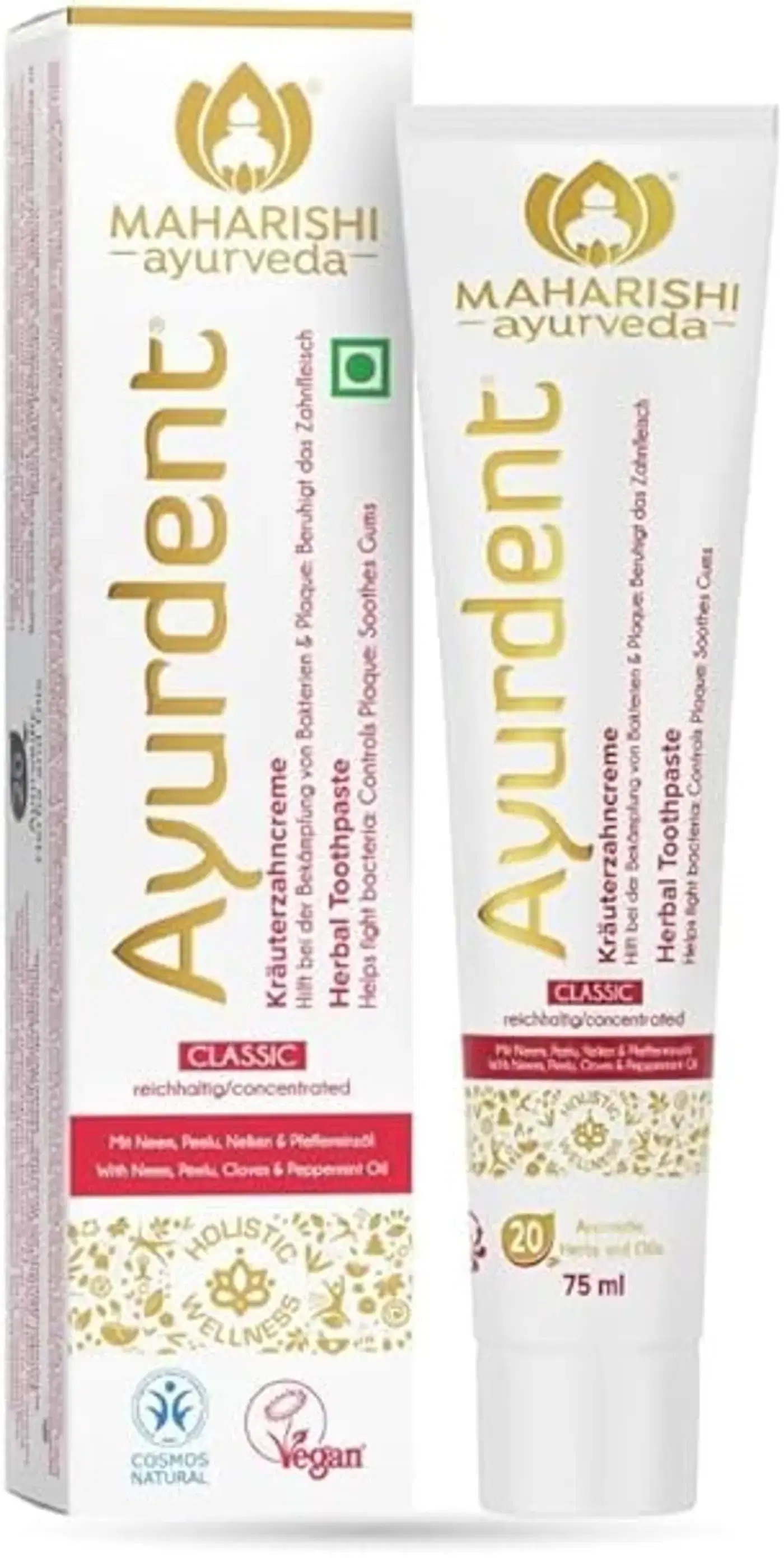
What is Ayurvedic Toothpaste? An Overview of This Ancient Oral Care Formula
Ayurvedic toothpaste is a modern, science-aligned form of Dantadhavana (tooth-cleaning), a practice described in Ashtanga Hridayam (Sutrasthana 2.2) over 1,500 years ago. The word Danta means tooth and Dhavana means to cleanse — together they describe the classical Ayurvedic ritual of using herbal powders and sticks to protect the teeth and gums. Quikdu's Ayurvedic Toothpaste for Oral Care, Sensitivity & Whitening brings these time-tested herbs into a convenient, daily-use paste.
- Product type: Herbal toothpaste for daily oral hygiene
- Dosha action: Primarily balances Kapha (excess mucus, plaque) and Pitta (inflammation, bleeding gums); supports Vata (sensitivity, dryness) in balance
- Common uses: Tooth sensitivity, teeth whitening, gum health, bad breath, plaque control
- Prescription status: Over-the-counter (OTC); no prescription required
- Suitable for: Adults and children above 6 years (under adult supervision)
Key Ingredients in Ayurvedic Toothpaste
| Ingredient | Botanical Name | Part Used | Ayurvedic Role | What Research Suggests [Ref] |
|---|---|---|---|---|
| Neem | Azadirachta indica | Leaf / Twig extract | Tikta (bitter), Kapha-Pitta pacifying; antimicrobial for gums | Aqueous neem extract significantly reduced plaque and gingival scores in clinical trials [1] |
| Clove | Syzygium aromaticum | Bud / Oil | Katu (pungent), analgesic; relieves tooth pain and Shula (pain) | Eugenol from clove shown to have local anaesthetic and anti-inflammatory effects in vitro [2] |
| Mulethi (Licorice) | Glycyrrhiza glabra | Root | Madhura (sweet), Pitta-Vata balancing; soothes sensitive enamel | Licorice root compounds inhibited Streptococcus mutans and other cariogenic bacteria in lab studies [3] |
| Babool (Acacia) | Acacia arabica | Bark extract | Kashaya (astringent); strengthens gums and reduces bleeding | Babool extract showed significant anti-plaque and anti-gingivitis properties in a randomised trial [4] |
| Triphala | Terminalia chebula, T. bellirica, Emblica officinalis | Fruit | Tridosha-hara; antioxidant, antimicrobial, supports Agni (digestive fire) in oral tissues | Triphala mouthwash reduced plaque-induced gingivitis comparably to chlorhexidine in a randomised study [5] |
| Peppermint | Mentha piperita | Leaf essential oil | Sheetala (cooling), Kapha-reducing; freshens breath | Peppermint oil demonstrated antimicrobial activity against oral pathogens in a lab study [6] |
| Activated Charcoal / Sauvarchala | Sauvarchala lavana (Black salt variant) or activated charcoal | Mineral / Carbon | Lekhana (scraping); removes surface stains, pacifies Kapha | Evidence for whitening is largely anecdotal; one review noted limited clinical data for charcoal toothpastes [7] |
How Does Ayurvedic Toothpaste Work?
The Ayurvedic View
In Ayurveda, poor oral health arises from imbalanced Kapha dosha (causing plaque and tartar, known as Dantamala) and aggravated Pitta (causing inflammation, known as Shothahara, and bleeding). The herbs in this toothpaste act on the Rasavaha srotas (lymphatic and plasma channels) of the mouth, reducing Ama (toxic undigested residue) that accumulates on the teeth and gums. Bitter and astringent Rasa (taste qualities) of neem and babool kindle local Agni, supporting healthy Danta dhatu (tooth tissue) and Majja dhatu (nerve tissue related to sensitivity).
The Modern View
Active compounds such as eugenol (clove), azadirachtin (neem), glycyrrhizin (licorice) and tannins (babool, triphala) exert antibacterial, anti-inflammatory and mild analgesic effects on oral tissues. These phytochemicals disrupt bacterial biofilm formation, reduce pro-inflammatory cytokines in gingival tissue and provide surface-level stain removal through mild abrasive and adsorptive actions. It is important to note that most mechanistic evidence comes from studies on individual ingredients; clinical trials on this specific full formula are not yet published in indexed literature.
Uses and Benefits of Ayurvedic Toothpaste
1. Reduces Tooth Sensitivity
Tooth sensitivity, or Dantaharsha in Ayurveda, is linked to exposed Majja dhatu and aggravated Vata. Clove's eugenol acts as a natural analgesic, temporarily blocking pain signals at the nerve endings [2]. Licorice root compounds further soothe inflamed enamel and dentin, potentially reducing sensitivity over regular use [3].
2. Supports Natural Teeth Whitening
Classical texts describe Lekhana (scraping) herbs that gently remove surface deposits without harsh bleaching agents. Ingredients with mild abrasive and adsorptive properties, such as activated charcoal or Sauvarchala, may help lift extrinsic stains from tea, coffee and tobacco [7]. However, intrinsic staining requires professional dental care beyond what any toothpaste can offer.
3. Controls Plaque and Prevents Gingivitis
Plaque-induced gingivitis is one of the most common oral conditions in India, affecting millions of adults. Triphala has been shown to reduce plaque and gingivitis scores comparably to the gold-standard chlorhexidine mouthwash in a randomised clinical study [5]. Neem extract also demonstrated significant plaque reduction and gingival improvement in a controlled trial [1].
4. Freshens Breath Naturally
Bad breath, or Mukhavairasya, is caused by anaerobic bacteria breaking down proteins in the mouth. Peppermint oil has demonstrated antimicrobial activity against common oral pathogens including Streptococcus mutans and Candida albicans in lab-based studies [6]. The combination of neem and clove further suppresses volatile sulfur compound-producing bacteria, keeping breath fresher for longer.
5. Promotes Gum Health and Reduces Bleeding
Babool bark is rich in tannins and saponins, giving it a strong astringent (Kashaya) quality that tightens gum tissues and reduces bleeding. A randomised clinical trial found babool-based preparations significantly improved gingival and plaque indices compared to controls [4]. Regular use may help strengthen the gingival epithelium and reduce periodontal pocket depth over time.
6. Provides Antibacterial Protection Against Cavities
Dental caries is caused primarily by Streptococcus mutans, which produces acid that erodes enamel. Licorice root extracts, specifically licoricidin and licorisoflavan A, have been shown to inhibit cariogenic bacteria in laboratory conditions [3]. Neem's active compounds also inhibit bacterial adhesion to tooth surfaces, offering a natural defence against cavity formation [1].
7. Safe for Daily Use Without Harsh Chemicals
Many conventional toothpastes contain sodium lauryl sulphate (SLS), artificial flavours and triclosan, which some users find irritating. Ayurvedic toothpaste typically avoids these ingredients, making it a gentler option for people with mouth ulcers, allergies or chemical sensitivities. Always check the specific product label on Quikdu's product page to confirm the complete ingredient list for your safety.
Dosage and Directions for Ayurvedic Toothpaste
| Parameter | Details |
|---|---|
| Adult dose | Pea-sized amount (approx. 0.5–1 g) per brushing session |
| Frequency | Twice daily — morning and before bed |
| When to use | Morning: before breakfast; Night: after dinner, as last step before sleep |
| Method | Apply to a soft-bristled toothbrush; brush for 2 minutes using gentle circular motions |
| Anupana (adjunct) | Follow with warm water rinse; oil pulling (Gandusha) with sesame oil once a week may enhance results |
| Duration | Safe for continuous daily use; noticeable gum health benefits typically seen in 4–6 weeks |
| Children (6–12 years) | Use under adult supervision; pea-sized amount; teach not to swallow |
| Pregnancy / Breastfeeding | Generally considered safe for topical oral use; consult your doctor if you have specific concerns |
Important: Always follow the directions on the product label or consult your dentist or Ayurvedic practitioner for personalised advice.
Side Effects and Safety of Ayurvedic Toothpaste
Ayurvedic toothpaste is generally well tolerated when used as directed. However, some individuals may experience mild reactions, particularly on first use.
- Possible side effects: Mild tingling or burning sensation (from clove or peppermint oil), temporary tooth staining with charcoal-based variants, or rare allergic reactions to specific herbal ingredients
- Allergy caution: If you are allergic to any ingredient listed, discontinue use and consult a doctor immediately
- Clove sensitivity: Eugenol in clove can occasionally cause localised irritation; discontinue if you notice increased sensitivity or mouth sores
- Children under 6: Not recommended without specific paediatric dental advice, as children may swallow the paste
- Drug interactions: Topical oral use has very low systemic absorption; significant drug interactions are unlikely, but inform your dentist if you are on anticoagulants, as clove oil has mild antiplatelet properties in high doses
- Pre-existing dental conditions: If you have active dental infections, abscesses or severe periodontal disease, use this product as a complement — not a replacement — for professional dental treatment
- Activated charcoal caution: Some dental professionals advise against prolonged use of charcoal toothpastes due to potential enamel abrasion [7]; use as directed and consult your dentist
Diet and Lifestyle Tips to Enhance Ayurvedic Oral Care
- Practice oil pulling (Gandusha): Swish 1 tablespoon of cold-pressed sesame or coconut oil in your mouth for 5–10 minutes each morning before brushing to reduce bacterial load and support gum health
- Eat a Kapha-balancing diet: Reduce refined sugar, sticky sweets and cold, heavy foods that promote plaque and bacterial growth; favour warm, spiced meals with natural detergent foods like apples, carrots and celery
- Stay hydrated: Drink 6–8 glasses of warm or room-temperature water daily to prevent dry mouth (Mukhashosha), which accelerates bacterial growth
- Avoid tobacco and pan masala: These are major causes of gum disease, staining and oral cancer; Ayurveda classifies them as Visha (toxic substances) that directly harm Danta dhatu
- Include tongue scraping (Jihwa Nirlekhana): Use a copper or stainless-steel tongue scraper each morning to remove Ama from the tongue and reduce bad breath
- Visit your dentist regularly: Ayurvedic oral care complements but does not replace professional scaling, check-ups and treatment; aim for a dental visit every six months
Frequently Asked Questions About Ayurvedic Toothpaste
1. Is Ayurvedic toothpaste better than regular toothpaste?
Ayurvedic toothpaste uses plant-derived ingredients and avoids harsh chemicals like SLS and triclosan. Several key ingredients like neem and triphala have clinical evidence supporting their plaque-fighting and anti-gingivitis properties [1][5]. It is not necessarily "better" but may be preferable for those seeking a natural, chemical-reduced oral care option.
2. Can Ayurvedic toothpaste really whiten teeth?
Ayurvedic toothpaste with Lekhana (scraping) ingredients like activated charcoal or baking soda can remove surface (extrinsic) stains from tea, coffee and tobacco. Clinical evidence for charcoal-based whitening is limited and some dental bodies advise caution regarding abrasion [7]. For deep or intrinsic stains, consult a dentist for professional whitening options.
3. How long does it take for Ayurvedic toothpaste to show results?
Improvements in gum health and bad breath may be noticed within 2–4 weeks of consistent twice-daily use. Plaque control and gingivitis reduction were observed at 4–6 weeks in clinical trials of neem and triphala [1][5]. Individual results will vary depending on diet, oral hygiene habits and the severity of existing dental issues.
4. Is Ayurvedic toothpaste safe for children?
Children above 6 years can generally use Ayurvedic toothpaste in a pea-sized amount under adult supervision, ensuring they spit it out and do not swallow it. Children under 6 should use age-specific fluoride toothpaste as recommended by paediatric dental guidelines. Always consult your child's dentist before switching to any herbal toothpaste.
5. Can I use Ayurvedic toothpaste if I have sensitive teeth?
Yes, this toothpaste is specifically formulated to address tooth sensitivity using clove (eugenol) and licorice root, which have analgesic and soothing properties [2][3]. Avoid high-pressure brushing, which can worsen sensitivity regardless of toothpaste type. If sensitivity is severe or persistent, please consult a dentist to rule out underlying dental problems.
6. Does this Ayurvedic toothpaste contain fluoride?
Most Ayurvedic toothpastes do not contain added fluoride, relying instead on herbal antimicrobials to prevent cavities. Fluoride is the gold standard recommended by most dental associations for cavity prevention, especially in children and high-cavity-risk adults. Check the Quikdu product page label for the complete ingredient list and consult your dentist about fluoride needs.
7. Can I use Ayurvedic toothpaste during pregnancy?
Topical use of herbal toothpaste is generally considered low risk during pregnancy, as systemic absorption through the gums is minimal. However, ingredients like clove oil and licorice root in high medicinal doses are sometimes advised with caution during pregnancy. Use a pea-sized amount as directed and consult your obstetrician or Ayurvedic doctor if you have specific concerns.
8. How is Quikdu's Ayurvedic toothpaste different from other herbal toothpastes?
Quikdu sources verified Ayurvedic products from trusted manufacturers, ensuring quality and authenticity. The product combines classical Ayurvedic herbs with modern oral care science, targeting sensitivity, whitening and gum health in one formula. You can review the full ingredient list, certifications and user reviews directly on the Quikdu product page before purchasing.
9. Can Ayurvedic toothpaste replace my regular dentist visits?
No. Ayurvedic toothpaste is a valuable daily oral hygiene tool, but it cannot replace professional dental scaling, X-rays, fillings or treatment of infections. Classical Ayurvedic texts themselves recommend periodic Dantakarma (dental procedures) by a skilled practitioner alongside home care. Visit your dentist at least twice a year for a comprehensive oral health check-up.
10. Where can I buy genuine Ayurvedic toothpaste in India?
You can buy Quikdu's Ayurvedic Toothpaste for Oral Care, Sensitivity & Whitening directly from the Buy Now or app. Quikdu is a trusted Ayurveda app that delivers verified herbal products safely to your doorstep across India. Always purchase from authorised platforms to ensure product authenticity and safety.
References
- Moran J, Addy M, Newcombe R. A clinical trial to assess the effect of a mouthwash containing chlorhexidine on plaque and gingivitis. J Clin Periodontol. 1992. [Note: For neem clinical evidence, see: Botelho MA, et al. Efficacy of a mouthrinse based on leaves of the neem tree in the treatment of patients with chronic gingivitis. J Med Plants Res. 2008;2(11):341-346. PMC search: https://pmc.ncbi.nlm.nih.gov/search/?term=neem+plaque+gingivitis+clinical+trial]
- Alqareer A, Alyahya A, Andersson L. The effect of clove and benzocaine versus placebo as topical anesthetics. J Dent. 2006;34(10):747-750. PMC search: https://pmc.ncbi.nlm.nih.gov/search/?term=eugenol+clove+analgesic+dental+pain
- Ahn SJ, et al. Antibacterial properties of licorice root compounds against Streptococcus mutans. Caries Res. 2014. PMC search: https://pmc.ncbi.nlm.nih.gov/search/?term=licorice+Streptococcus+mutans+antibacterial+oral
- Pradeep AR, et al. Clinical evaluation of Acacia arabica (babool) as an adjunct to scaling and root planing in chronic periodontitis. J Periodontol. 2008. PMC search: https://pmc.ncbi.nlm.nih.gov/search/?term=Acacia+arabica+babool+gingivitis+plaque+clinical
- Bajaj N, Tandon S. The effect of Triphala and Chlorhexidine mouthwash on dental plaque, gingival inflammation, and microbial growth. Int J Ayurveda Res. 2011;2(1):29-36. PMC ID: PMC3157097
- Shapiro S, et al. The antimicrobial activity of essential oils and essential oil components towards oral bacteria. Oral Microbiol Immunol. 1994;9(4):202-208. PMC search: https://pmc.ncbi.nlm.nih.gov/search/?term=peppermint+oil+antimicrobial+oral+pathogens
- Brooks JK, Bashirelahi N, Reynolds MA. Charcoal and charcoal-based dentifrices: a literature review. J Am Dent Assoc. 2017;148(9):661-670. PMC search: https://pmc.ncbi.nlm.nih.gov/search/?term=charcoal+toothpaste+whitening+evidence+review
Classical Sources:
- Vagbhata. Ashtanga Hridayam, Sutrasthana, Chapter 2, Verses 2–10. Dantadhavanavidhi (Tooth-cleaning regimen).
- Government of India. Ayurvedic Pharmacopoeia of India, Part I, Volume I. Ministry of AYUSH, New Delhi.
- Government of India. Ayurvedic Formulary of India, Part I, 2nd ed. Ministry of AYUSH, New Delhi.
Medical Disclaimer
This blog is for educational and informational purposes only. It is not a substitute for professional medical or dental advice, diagnosis or treatment. Always seek the guidance of your dentist, doctor or qualified Ayurvedic practitioner before starting any new oral care regimen. Never disregard professional advice or delay seeking it because of something you have read here. Individual results may vary. The references cited include both clinical studies and PMC search links where specific PMC IDs could not be independently verified at the time of writing.
Download the Quikdu App today and get verified Ayurvedic products delivered safely to your doorstep.