

Quick Commerce Marketing Company: How Brands Win in India’s Fastest-Growing Delivery Economy
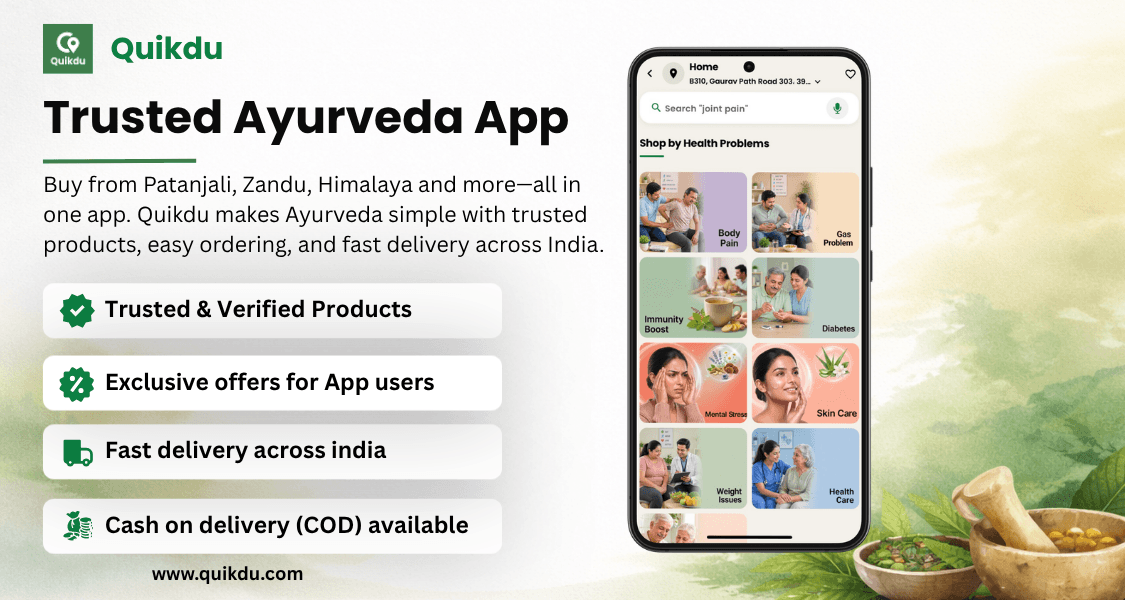
The way consumers shop in India has changed dramatically over the last few years. People no longer want to wait days for essential products, groceries, cosmetics, electronics, or even medicines. They expect delivery in minutes. This shift has created massive growth for quick commerce companies in India and opened new opportunities for brands that understand how to market inside this ecosystem.
As competition increases, businesses now need a specialized quick commerce marketing company that understands platform visibility, hyperlocal demand generation, customer acquisition, and conversion optimization.
One emerging player helping brands navigate this space is Buy Now , a platform focused on helping businesses scale within the rapidly evolving quick commerce market.
What is Quick Commerce?
Quick commerce (Q-commerce) is an advanced form of e-commerce focused on ultra-fast delivery, usually within 10–30 minutes. Unlike traditional e-commerce models that depend on centralized warehouses and long shipping cycles, quick commerce relies on:
Dark stores
Hyperlocal fulfillment centers
Real-time inventory systems
AI-driven logistics
Mobile-first customer experience
The success of quick commerce is driven by changing consumer behavior. Customers prioritize:
Convenience
Instant gratification
Mobile ordering
Fast delivery
Local availability
This has made quick commerce one of the fastest-growing sectors in the Indian digital economy.
Growth of Quick Commerce Companies in India
The Indian market has become one of the largest opportunities for quick commerce globally. Rising smartphone penetration, urbanization, digital payments, and changing lifestyles have accelerated adoption across metropolitan and tier-2 cities.
Some major quick commerce companies operating in India include:
These platforms have transformed customer expectations and created a highly competitive environment for brands.
However, listing products on quick commerce apps alone is not enough. Visibility, ranking, customer retention, and localized marketing now determine success.
That is where a quick commerce marketing company becomes essential.
Why Brands Need a Quick Commerce Marketing Company
Traditional digital marketing strategies do not fully work in the quick commerce ecosystem. Q-commerce operates differently from conventional online marketplaces.
A specialized quick commerce marketing company helps businesses with:
1. Platform Visibility Optimization
Brands compete heavily for top placement inside apps. Better visibility directly impacts:
Product discovery
Click-through rates
Order volume
Repeat purchases
Optimization includes:
Product titles
Images
Local inventory positioning
Search ranking strategy
Sponsored placements
2. Hyperlocal Marketing
Quick commerce depends heavily on local demand. Consumer behavior varies by:
City
Neighborhood
Time of day
Weather
Festivals
Demographics
A smart quick commerce strategy uses localized campaigns to increase conversions and delivery efficiency.
3. Performance Marketing for Q-Commerce
Running ads for quick commerce requires different optimization metrics compared to normal e-commerce.
Campaigns focus on:
Instant conversion
Location targeting
Mobile-first engagement
Retention
Repeat orders
App behavior analytics
4. Data-Driven Demand Forecasting
Inventory shortages can destroy customer trust. Excess inventory increases operational costs.
A strong quick commerce marketing company uses analytics to:
Predict demand
Improve inventory planning
Identify trending products
Optimize regional stocking
How Quikdu Helps Businesses Grow in Quick Commerce
Buy Now is positioned to help businesses adapt to the fast-changing quick commerce environment through digital growth strategies, marketplace optimization, and hyperlocal commerce solutions.
Quikdu focuses on helping brands:
Improve visibility in quick commerce ecosystems
Increase local customer reach
Optimize delivery-focused campaigns
Scale digital acquisition efficiently
Build stronger customer retention strategies
As quick commerce competition increases, businesses need faster decision-making, real-time marketing adaptation, and operational efficiency. Quikdu aims to bridge this gap with technology-driven solutions designed for modern commerce.
Key Challenges Faced by Quick Commerce Companies
Even though the sector is growing rapidly, quick commerce companies face major operational and marketing challenges.
High Customer Acquisition Costs
Competition for app installs and orders is intense. Brands must continuously optimize:
Ad spend
Retention campaigns
Referral programs
Personalized offers
Thin Profit Margins
Fast delivery requires significant operational investment:
Warehousing
Delivery fleets
Technology infrastructure
Real-time inventory systems
Marketing efficiency becomes critical for profitability.
Inventory Complexity
Managing thousands of SKUs across multiple dark stores requires advanced forecasting and operational precision.
Customer Retention
Consumers can easily switch between apps based on:
Discounts
Delivery speed
Product availability
User experience
Retention strategies are now more important than acquisition alone.
Future of Quick Commerce in India
The future of quick commerce companies in India looks highly promising. Industry growth is expected to continue as:
More consumers shift toward convenience-first shopping
Tier-2 and tier-3 cities adopt rapid delivery models
AI and automation improve operational efficiency
Brands invest more in hyperlocal commerce
Emerging categories include:
Electronics
Fashion accessories
Pharmacy
Pet supplies
Beauty products
Fresh food
Home essentials
The next phase of growth will likely favor businesses that combine:
Operational speed
Data intelligence
Customer experience
Strategic digital marketing
Choosing the Right Quick Commerce Marketing Company
Before selecting a quick commerce marketing partner, businesses should evaluate:
Industry Understanding
The company should understand:
Quick commerce algorithms
Hyperlocal logistics
Consumer buying patterns
Marketplace competition
Performance Tracking
Look for:
Real-time analytics
ROI measurement
Customer retention metrics
Regional performance insights
Scalability
The marketing strategy should support expansion into:
New cities
New product categories
Higher order volumes
Technology Integration
Modern quick commerce depends heavily on:
Automation
AI-driven analytics
Real-time inventory systems
Customer behavior tracking
Conclusion
The rise of quick commerce companies has fundamentally changed India’s retail and e-commerce landscape. Consumers now expect speed, convenience, and seamless digital experiences.
For brands, succeeding in this ecosystem requires more than just product listings. It demands strategic visibility, hyperlocal targeting, performance marketing, and operational intelligence.
A specialized quick commerce marketing company can help businesses compete effectively in this high-speed environment.
Platforms like Buy Now are working toward helping brands adapt, scale, and grow within the expanding quick commerce economy.
As the industry matures, businesses that invest early in quick commerce marketing and infrastructure will likely gain a strong long-term competitive advantage.