

How to Lose Weight in 7 Days: A Safe and Healthy Guide
How to Lose Weight in 7 Days: A Safe and Healthy Guide
Searching for how to lose weight in 7 days is common when you have a specific event coming up or simply want to start improving your health quickly.
The important thing to understand is that healthy weight management is not about starving yourself or following an extreme seven-day diet. Your body weight can change over a short period because of changes in water, food intake and other factors, while meaningful changes in body fat generally require more time and consistency.
The good news is that seven days can be enough to start building better habits.
This guide explains how to approach your first week of weight management with practical changes to food, physical activity, hydration, sleep and daily routines.
Can You Really Lose Weight in 7 Days?
Your weight can change within seven days, but the amount and type of weight loss varies from person to person.
A short-term reduction on the weighing scale does not necessarily mean that you have lost the same amount of body fat.
Your body weight can be affected by:
Water retention
Food and fluid in your digestive system
Salt intake
Carbohydrate intake
Physical activity
Sleep
Hormonal changes
Overall calorie intake
For this reason, it is better to think of a seven-day plan as a healthy reset and habit-building period, rather than a promise of a specific number of kilograms lost.
The CDC recommends gradual, sustainable weight loss rather than relying on rapid weight-loss approaches.
How to Lose Weight in 7 Days: 10 Practical Steps
1. Start Your Day With a Simple Routine
Your morning routine can influence the choices you make throughout the day.
Start with:
A glass of water
A balanced breakfast if you normally eat breakfast
Some light movement
A plan for your meals
You don't need a complicated detox drink or fasting routine to begin.
The goal is to establish a predictable routine that makes healthy choices easier.
2. Focus on Balanced Meals
One of the most effective changes you can make during your seven-day plan is improving the quality of your meals.
Try to include a combination of:
Vegetables
Whole fruits
Protein-rich foods
Whole grains
Beans and lentils
Nuts and seeds where appropriate
For example, a balanced lunch could include vegetables, dal or another protein source, and an appropriate portion of rice or roti.
You don't need to completely eliminate carbohydrates to manage your weight.
Instead, focus on portion size and overall dietary quality.
3. Reduce Added Sugar
For the next seven days, look for easy opportunities to reduce added sugar.
Consider reducing:
Soft drinks
Sugary tea and coffee
Sweetened juices
Cakes and pastries
Candy
Sugary packaged snacks
Instead, choose water or unsweetened beverages more often.
This simple change can reduce unnecessary calorie intake without requiring you to drastically reduce the amount of food you eat.
4. Drink Enough Water
Hydration is important for overall health.
Water can also be a useful replacement for calorie-containing drinks.
During your seven-day plan:
Keep water available throughout the day
Drink water with meals
Choose water instead of sugary beverages
Pay attention to your thirst
There is no need to force yourself to drink excessive amounts of water.
Your hydration needs can vary depending on your body, climate, activity level and other factors.
5. Increase Your Daily Movement
You don't need to spend hours at the gym.
Start by increasing everyday movement.
For example:
Morning: 10–15 minute walk
Afternoon: Short movement break
Evening: 20–30 minute walk
Other options include:
Cycling
Swimming
Dancing
Household activities
Playing a sport
Stair climbing
If you are currently inactive, increase your activity gradually rather than suddenly doing an intense workout.
For generally healthy adults, physical-activity guidelines recommend at least 150 minutes of moderate-intensity aerobic activity per week, along with muscle-strengthening activities on at least two days per week.
6. Add Simple Strength Exercises
Strength training can complement walking and other aerobic activities.
You can start at home with exercises such as:
Squats
Wall push-ups
Lunges
Glute bridges
Resistance-band exercises
Start with an amount that is appropriate for your current fitness level.
If you have an existing medical condition, injury or other concern, seek appropriate professional advice before starting a new exercise program.
7. Avoid Extreme Dieting
When people search for how to lose weight in 7 days, they often encounter extremely restrictive diets.
Examples include:
Eating almost nothing
Completely eliminating major food groups
Excessive fasting
Juice-only diets
Unverified detox programs
Excessive exercise
These approaches may produce short-term changes on the scale, but they can be difficult to maintain and may not provide adequate nutrition.
Instead, focus on eating nutritious foods in appropriate portions.
A seven-day plan should help you establish habits—not punish your body.
8. Get Enough Sleep
Sleep is an important part of overall health and can influence eating behavior, energy and daily activity.
During your seven-day plan, try to:
Maintain a consistent bedtime
Wake up at a similar time
Reduce unnecessary screen time before bed
Keep your bedroom comfortable and quiet
Avoid excessive caffeine late in the day
A healthy weight-management plan should include sleep rather than treating it as optional.
9. Reduce Mindless Snacking
Not every eating occasion comes from physical hunger.
You may find yourself reaching for food because you are:
Bored
Stressed
Tired
Watching television
Working for long hours
Experiencing cravings
Before grabbing a snack, ask yourself:
"Am I actually hungry, or am I eating because of a habit?"
If you're not physically hungry, try another activity such as taking a short walk, drinking water, talking with someone or taking a short break.
You don't need to eliminate snacks completely. The objective is to become more aware of why and when you eat.
10. Track Your Habits for Seven Days
Tracking can help you understand your behavior.
For one week, record:
Meals
Snacks
Water intake
Physical activity
Sleep
Body weight, if appropriate
Don't judge yourself based on a single day's result.
Look for patterns.
For example:
Day 1: Little movement + frequent snacks
Day 3: More walking + fewer sugary drinks
Day 7: Consistent meals + better sleep
This gives you useful information about which habits you can continue.
A Simple 7-Day Weight Management Plan
Here is a practical example of how you could structure your first week.
Day 1 — Reset Your Routine
Remove unnecessary sugary drinks from your daily routine
Plan your meals
Drink water regularly
Take a 20–30 minute walk
Establish a consistent bedtime
Day 2 — Improve Your Meals
Add vegetables to your main meals
Include a protein source
Choose whole foods where practical
Reduce highly processed snacks
Walk after one meal
Day 3 — Increase Movement
Take additional walking breaks
Aim for a longer walk
Try a few beginner-friendly strength exercises
Avoid sitting continuously for long periods
Day 4 — Focus on Portions
Serve reasonable portions
Eat slowly
Avoid eating directly from large packages
Pay attention to hunger and fullness
Day 5 — Improve Your Sleep
Keep a consistent bedtime
Reduce late-night screen use
Avoid unnecessary late-night snacking
Get enough sleep for your individual needs
Day 6 — Stay Consistent
Don't try to compensate for earlier days with extreme restriction.
Simply continue:
Balanced meals
Regular movement
Hydration
Adequate sleep
Consistency is more useful than perfection.
Day 7 — Review Your Week
Ask yourself:
Did I drink more water?
Did I reduce sugary drinks?
Did I eat more vegetables?
Did I move more?
Did I sleep better?
Which habits were easiest to maintain?
Which habits need improvement?
Then carry the successful habits into the following weeks.
What Should You Eat to Lose Weight?
There isn't one food that automatically causes weight loss.
Instead, build meals around nutritious foods.
Protein Sources
Examples include:
Dal
Beans
Lentils
Eggs
Yogurt
Fish
Lean meat
Nuts and seeds
Vegetables
Include a variety of vegetables such as:
Spinach
Carrots
Cucumber
Tomatoes
Broccoli
Cauliflower
Beans
Other seasonal vegetables
Fruits
Whole fruits can be part of a healthy eating pattern.
Examples include:
Apples
Oranges
Guava
Papaya
Berries
Pomegranate
Rather than focusing on one "fat-burning" food, focus on the overall quality and quantity of your diet.
What Should You Avoid During a 7-Day Plan?
You don't necessarily need a long list of forbidden foods.
Instead, reduce habits that can make weight management more difficult.
These may include:
Frequent sugary drinks
Excessive alcohol
Frequent fried foods
Large portions
Frequent highly processed snacks
Mindless eating
Excessive late-night eating
The goal is not perfection.
The goal is to make better choices more consistently.
Can You Lose Belly Fat in 7 Days?
You cannot reliably choose where your body loses fat first.
Exercises marketed specifically as "belly-fat burners" cannot guarantee that fat will disappear from the abdomen alone.
A better approach is to focus on overall weight management through:
Balanced nutrition
Appropriate calorie intake
Regular physical activity
Strength training
Adequate sleep
Consistent habits
Changes in abdominal appearance over seven days may also reflect changes in bloating, digestion or water retention rather than a large reduction in body fat.
Can Ayurvedic Products Be Used for Weight Management?
Ayurveda includes traditional approaches involving herbs and formulations that are marketed for different wellness purposes, including weight management.
If you are considering an Ayurvedic supplement, evaluate the product based on its ingredients, directions, manufacturer information and suitability for your individual circumstances.
An Ayurvedic supplement should not be considered a replacement for a balanced diet, physical activity or professional medical care.
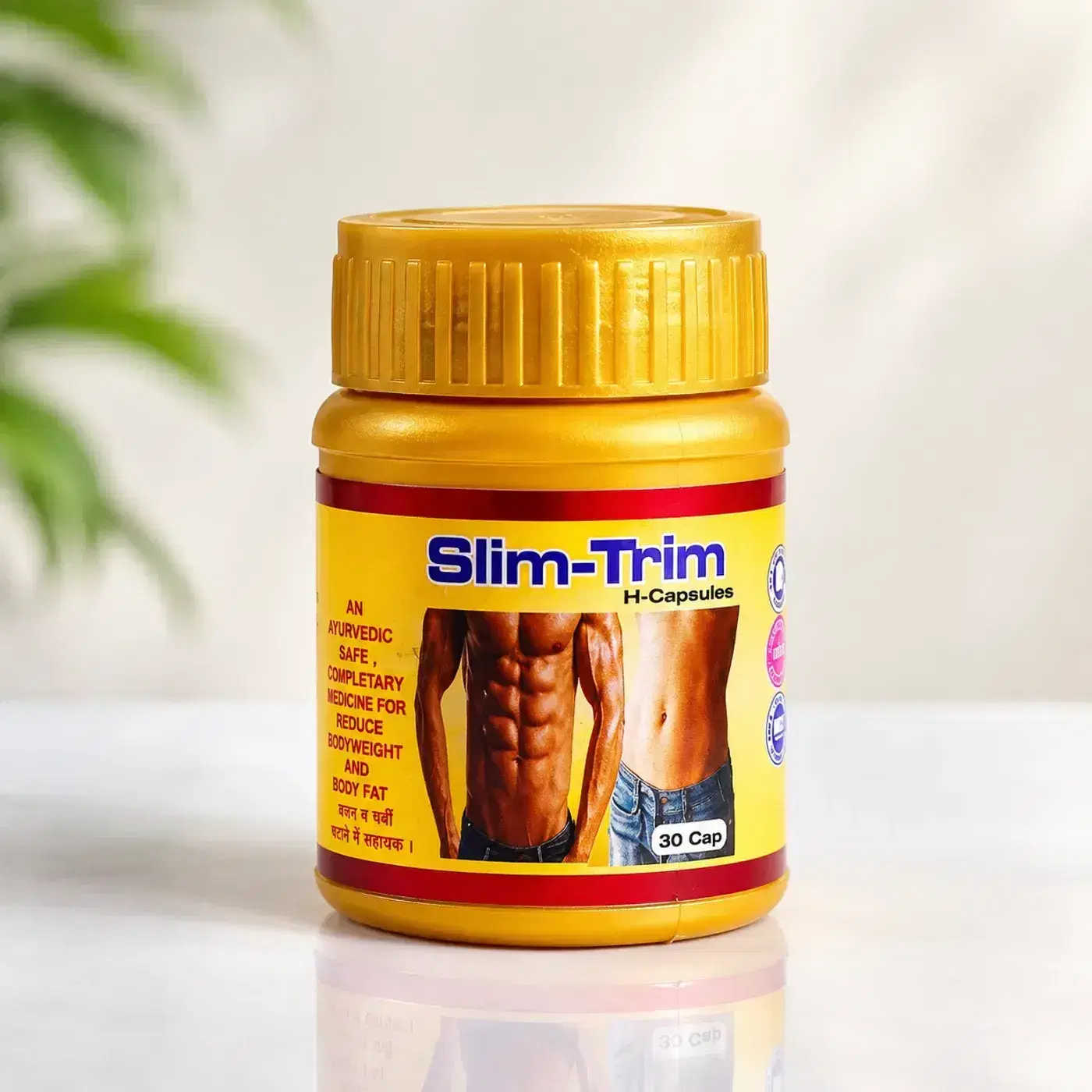
Slim Trim H Capsules for Weight Management Support
For people looking for an Ayurvedic product as part of their weight-management routine, Quikdu offers Slim Trim H Capsules.
The product listing identifies the formulation as containing ingredients including Punarnava extract, Medohar Guggul and Arogyavardhini and presents the product for weight-management-related support.
You can review the product's ingredients, directions and other available information on the product page:
The important point is that a supplement should be considered part of a broader lifestyle approach—not a shortcut that guarantees weight loss in seven days.
If you take medication, have an existing health condition, are pregnant or breastfeeding, or have questions about whether a particular supplement is appropriate for you, consult a qualified healthcare professional.
What Happens After the 7 Days?
This is where your real progress begins.
Don't return to your previous habits immediately after completing the seven-day plan.
Instead, keep the habits that worked for you.
For example:
Week 1: Reduce sugary drinks
Week 2: Maintain regular walking
Week 3: Improve meal portions
Week 4: Add consistent strength training
Over time, these small changes can become your normal lifestyle.
The objective isn't to follow a strict seven-day diet repeatedly.
The objective is to build a lifestyle that supports healthy weight management.
Frequently Asked Questions
How much weight can I lose in 7 days?
There is no guaranteed or appropriate number that applies to everyone. Changes in body weight over seven days can include changes in water and digestive contents, not just body fat. Sustainable weight management generally focuses on gradual progress rather than rapid weight loss.
Can I lose weight in 7 days without exercise?
Dietary changes can affect body weight, but physical activity provides important health benefits and can support weight management. Combining appropriate nutrition with regular movement is generally a more comprehensive approach.
Can I lose 5 kg in 7 days?
A target of losing 5 kg in seven days would be an extremely rapid rate for most people and should not be treated as a normal or safe expectation. Weight-management goals should be individualized rather than based on aggressive short-term targets.
What is the fastest healthy way to lose weight?
There is no single fastest method that is appropriate for everyone. A better approach is to establish sustainable eating and activity habits, reduce excess calorie intake, remain physically active and get adequate sleep.
Can walking help with weight management?
Yes. Walking is a practical form of physical activity and can contribute to overall energy expenditure. You can gradually increase your walking duration and combine it with other forms of exercise.
Is it safe to use weight-loss supplements?
Safety depends on the specific product, ingredients, dosage and individual health circumstances. People taking medication or managing a health condition should consult a qualified healthcare professional before using supplements.
Can Ayurvedic capsules help with weight management?
Some Ayurvedic products are marketed for weight management, but individual responses can vary and products should not be treated as guaranteed weight-loss solutions. Follow the product directions and seek professional advice when appropriate.
Final Thoughts
If you're searching for how to lose weight in 7 days, don't make the goal simply about seeing the lowest possible number on the weighing scale.
Use the seven days to build a foundation:
Eat balanced meals.
Drink water.
Move more.
Sleep well.
Reduce unnecessary snacks and sugary drinks.
Track your habits.
Stay consistent.
Seven days can be the beginning of a healthier routine—but sustainable weight management takes longer than a week.
If you're interested in Ayurvedic weight-management support, you can also explore Slim Trim H Capsules on Quikdu while continuing to focus on healthy eating, physical activity and other lifestyle habits.
Health disclaimer: This article is provided for general educational purposes and is not medical advice. It does not diagnose, treat or cure any disease. Weight-management needs vary between individuals. Consult a qualified healthcare professional for personalized advice, particularly if you have a medical condition, take medication, are pregnant or breastfeeding, or are considering significant dietary or exercise changes.