

7 effective home remedies to reduce anxiety quickly
November 3, 20253 min read
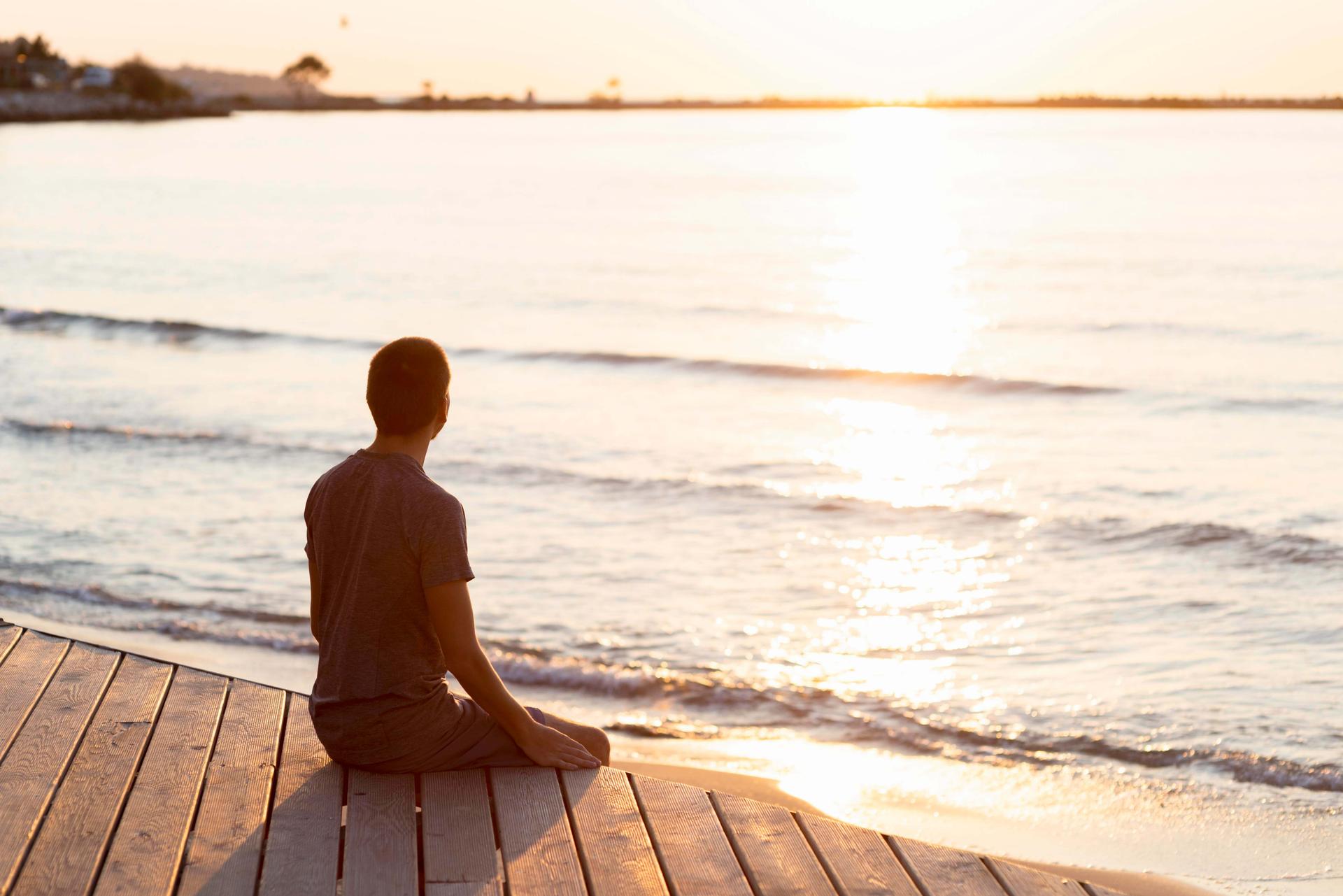
- Stress and anxiety hit all of us at unexpected times — waiting for important news, juggling deadlines, or even just facing a long day. While long-term strategies like therapy, meditation, or lifestyle changes are important, sometimes you need quick, in-the-moment relief. Here are 7 practical tools you can use anywhere, anytime, to calm your mind and body.
1. Diaphragmatic Breathing
When anxiety spikes, your breathing often becomes shallow and rapid. Slow, deep breaths from your diaphragm signal your body that it’s safe to relax.
How to do it:
Sit comfortably and place one hand on your belly.
Inhale deeply through your nose, letting your belly rise.
Hold for a moment, then exhale slowly through your mouth, tightening your abdominal muscles.
Why it works: This type of breathing engages the parasympathetic nervous system — your body’s “rest and digest” mode — helping to calm your nervous system almost instantly.
2. Simple Stretches
Tension often hides in our shoulders, neck, and jaw. Gentle stretches can release physical stress and make your mind feel lighter.
Try this:
Shrug your shoulders up and release.
Tilt and roll your neck gently.
Press your tongue to the roof of your mouth to relax your jaw.
Even small movements can make a noticeable difference in how tense or anxious you feel.
3. Name Your Feelings
Putting your emotions into words can give your brain a break from worry loops.
Try asking yourself:
“What am I feeling right now?”
“Is this anger, fear, or something else?”
“What triggered this emotion?”
Labeling feelings engages your analytical brain and reduces the intensity of the emotional response.
4. Guided Imagery
Your imagination can be a powerful tool for calming anxiety.
How to try it:
Close your eyes and picture a place or memory that makes you feel safe — a beach, forest, or cozy room.
Engage all your senses: what do you hear, smell, feel?
Take five slow breaths, imagining peace flowing in and worry flowing out.
This technique helps your mind step out of the stress moment and enter a calmer state.
5. Change Your Language
If you speak more than one language, switching can help break the cycle of anxious thoughts.
Why it works: Using a non-native language requires more focus, which shifts attention away from emotional loops.
No second language? Try switching your mental “mode” — do a mental puzzle, recall lyrics, or do simple math to redirect focus.
6. Immerse Yourself in Music
Music is not just entertainment — it can be a powerful stress reliever.
What to do:
Listen to your favorite songs.
Imagine playing an instrument.
Let music take over your attention.
Music uses different cognitive pathways, giving your mind a break from worry.
7. Build a “Go-To” Playlist
Having a ready-made playlist can be a lifesaver when anxiety strikes.
How to create one:
Start with a few current favorites.
Add songs from different stages of your life.
Keep it accessible for times of stress.
When your mind is spinning, music can anchor you and bring immediate comfort.
Why These Tools Work
These hacks target both the body and mind. Breathing, stretches, and posture release physical tension. Naming emotions, guided imagery, and music help shift your mental focus. Most importantly, they are practical and immediate — you can use them anytime, anywhere.
Quick Tip for Beginners
Start with one or two techniques and practice them daily. Over time, you’ll develop a personal toolkit for calm, ready to use whenever stress or anxiety appears.
Anxiety is normal, but it doesn’t have to control your day. With these simple strategies, you can regain a sense of peace — one breath, one stretch, or one song at a time.